русский
 简体中文
简体中文

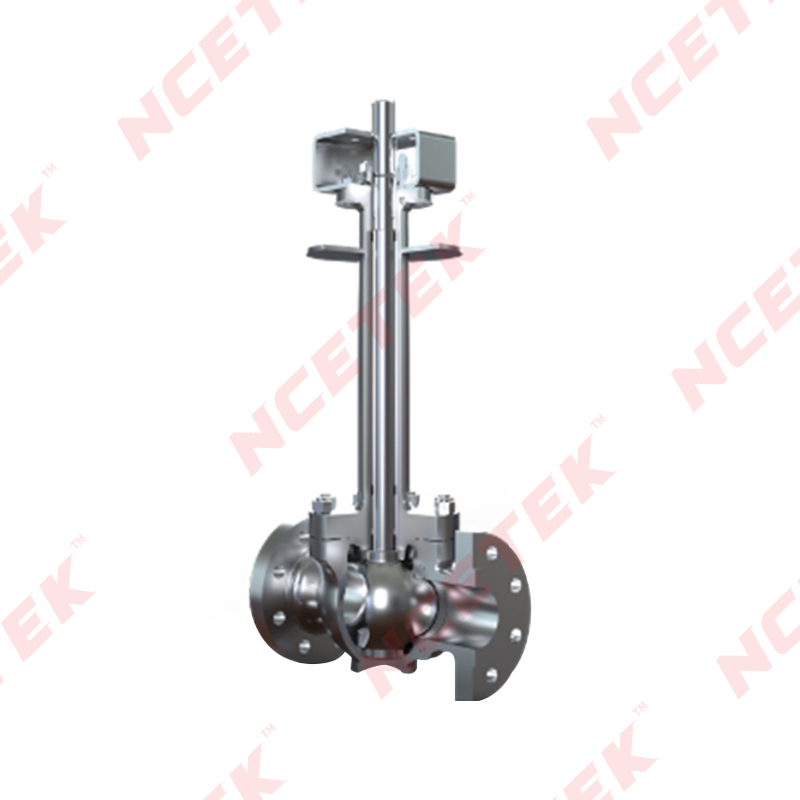
Underground pipelines often place valves in locations that are difficult to observe after construction. Once soil and protective layers cover the installation area, checking a ...
Installing a valve in a buried pipeline involves more than placing a valve between two pipe sections. Once the pipeline is covered, access becomes limited, so the position, con...
Industrial piping often carries liquids or gases through different stages of production, storage, and transportation. A valve placed along the line may need to stop flow, separ...
Installing a valve below ground changes the way maintenance needs to be planned. Above‑ground equipment can usually be reached by walking up to it, while a buried installation ...
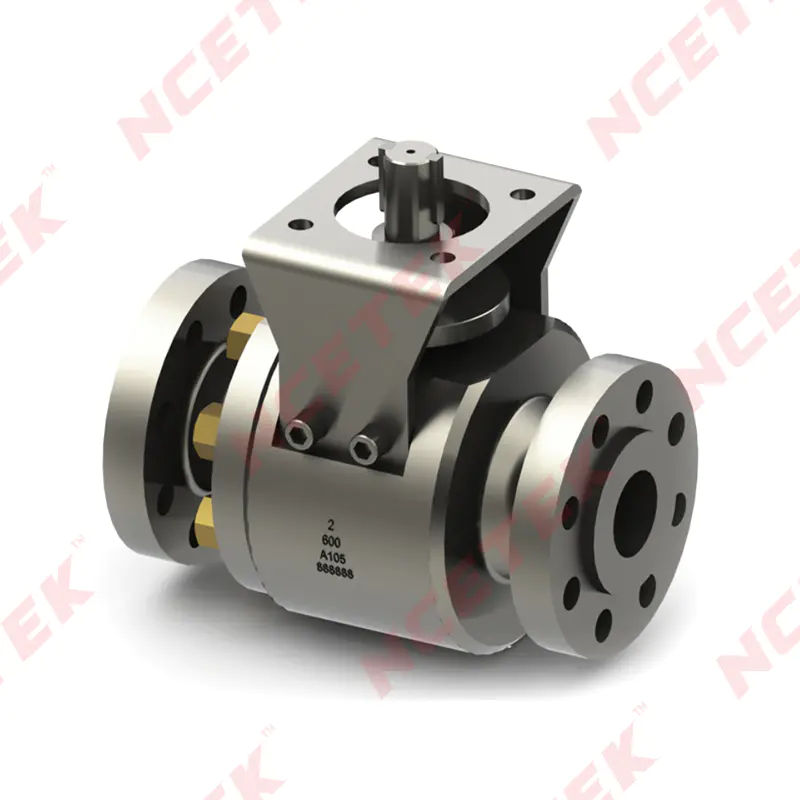
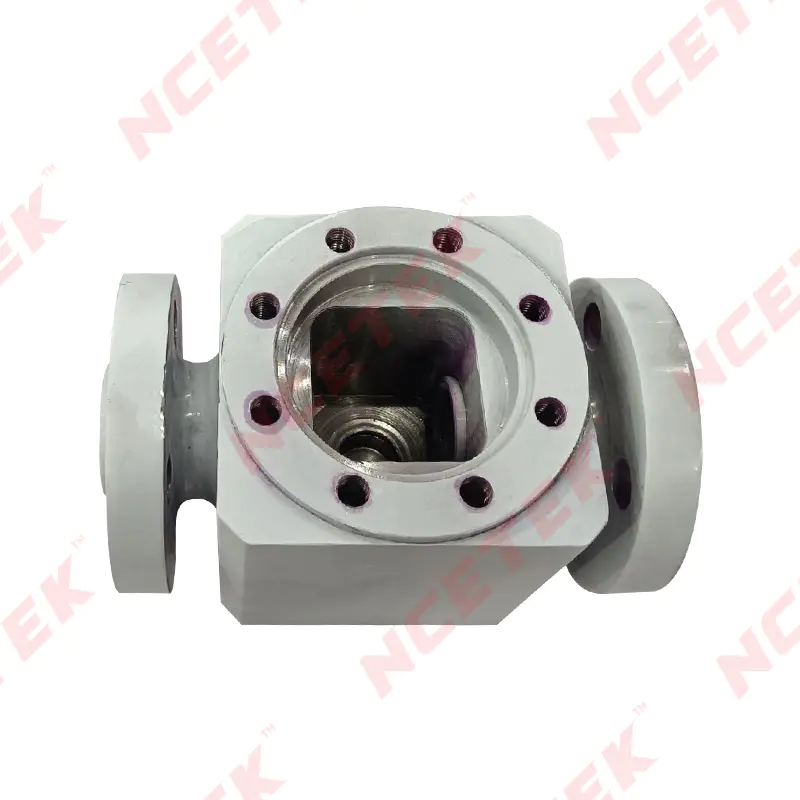
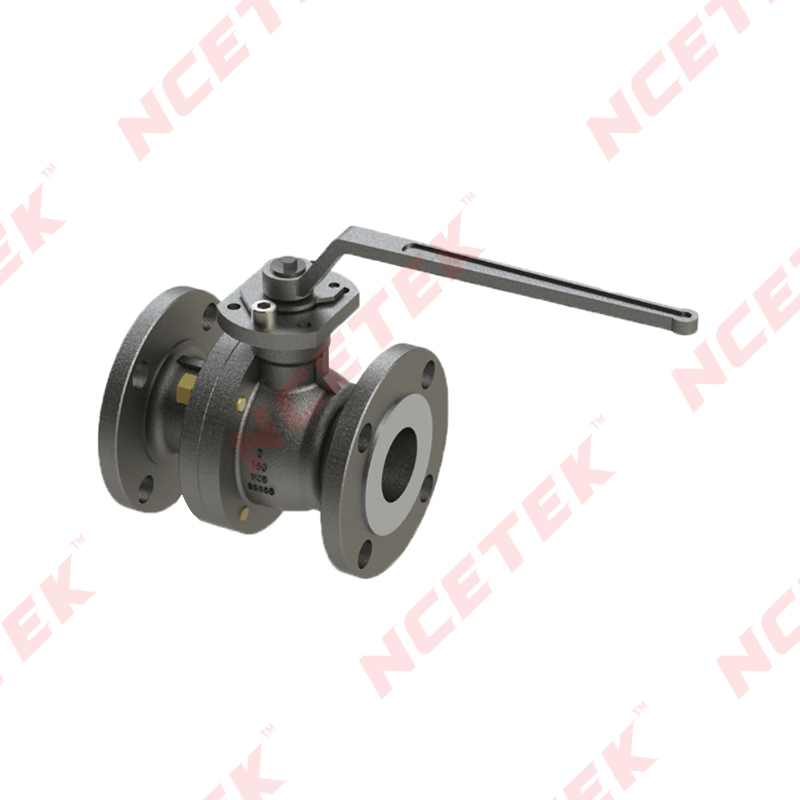
A ball valve can look fairly simple from outside, with a body, an operating stem and a connection at each end. Inside, however, several parts need to remain in a fixed relation...
A change in operating torque can be an early sign that something within a pipeline valve or its operating arrangement has changed. Normal opening and closing should follow a re...
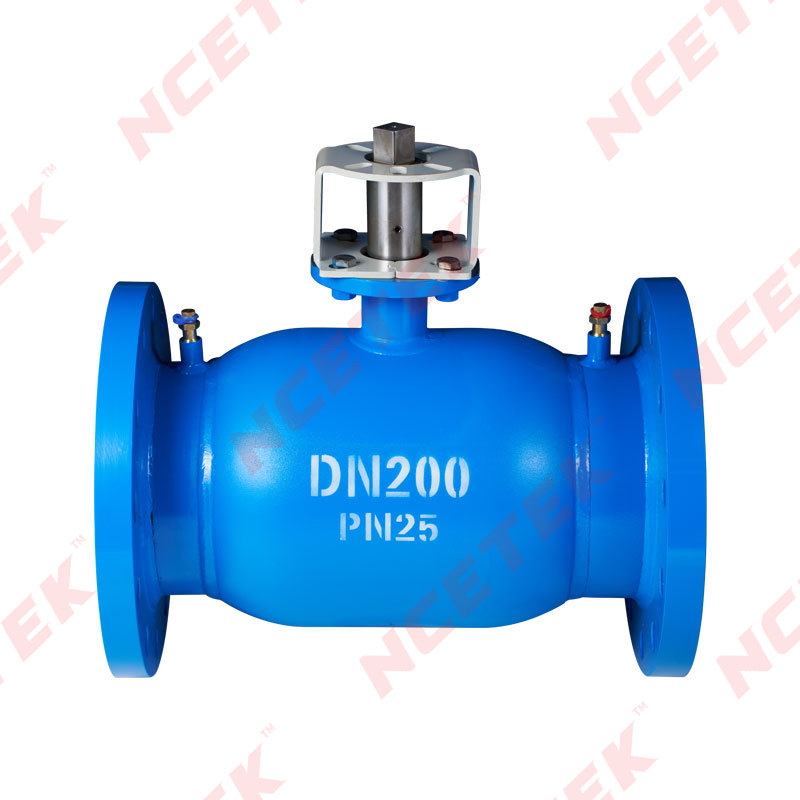
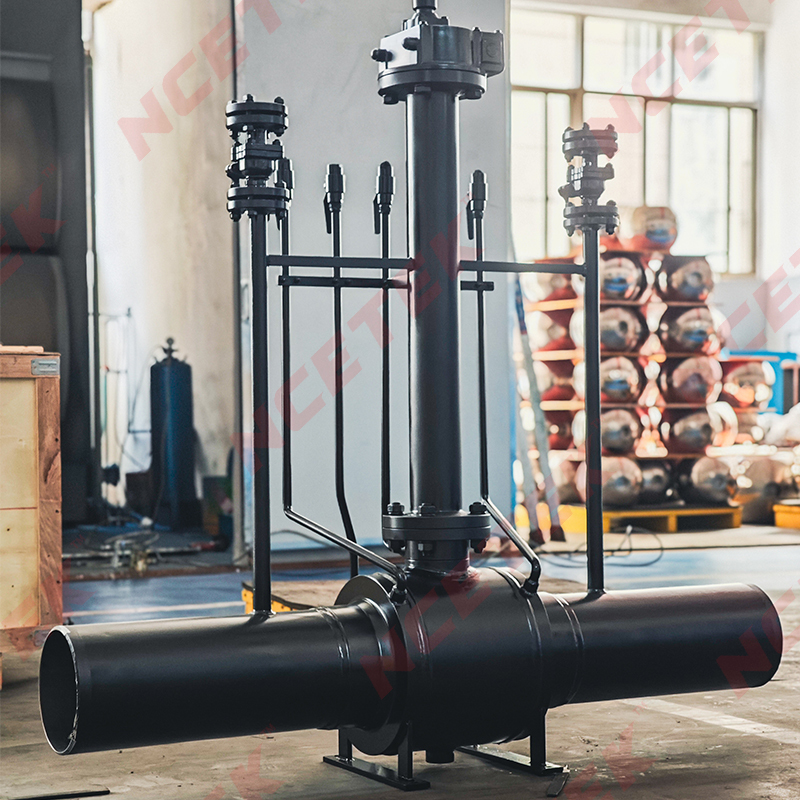
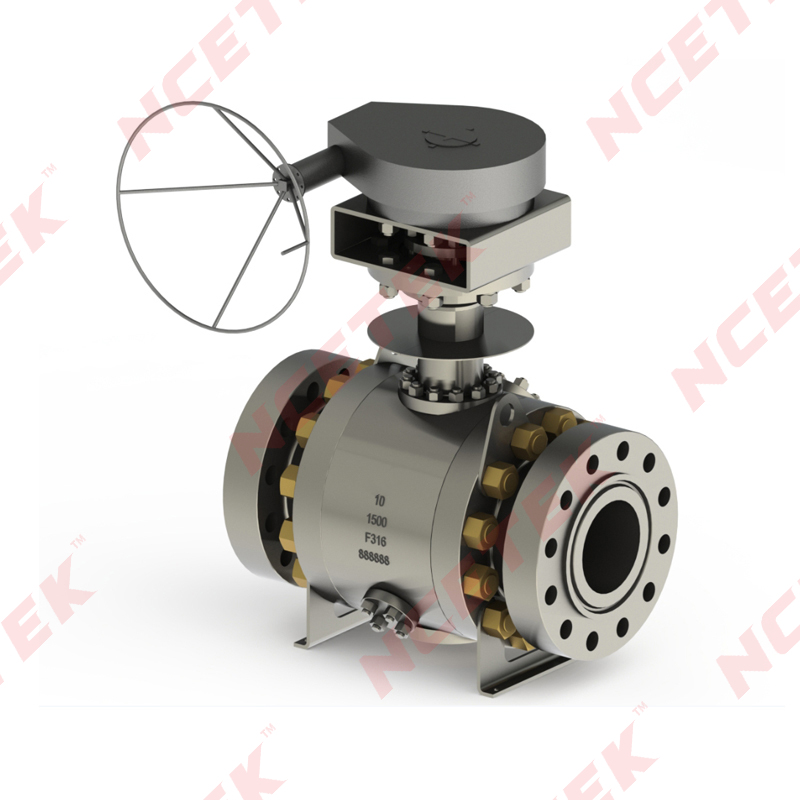
A Buried Ball Valve operates in an environment where direct access becomes difficult after installation. Soil can remain in contact with the outer surface for long periods, whi...
A valve installed below ground faces conditions that differ from equipment placed in an open workshop or indoor plant area. Soil can hold moisture around a metal surface, while...
Pipeline systems really do rely on valves to control the movement of liquids or gases, both during regular operation and whenever maintenance comes around. Installation environ...
A ball valve buried underground faces conditions that above-ground valves never encounter. Soil holds moisture against the valve body. Groundwater rises and falls with the seas...
Inside the body of a floating ball valve lies a space that does not exist in many other valve types. When the valve closes, the ball presses against the downstream seat, creati...
Leakage often creates an immediate concern because fluid appears outside the expected flow path or passes through a closed valve. Even so, visible leakage does not always mean ...
 nce@cnnsv.com
 +86-15727968392 / +86-15397375798
 +86-577-67091815
 +86-577-67091815
 Dongou Industrial Zone, Oubei Street, Yongjia County, Wenzhou City, Zhejiang Province, China