
 русский
 简体中文

A spec sheet lists a temperature limit. The process runs below it, and the valve looks like a safe pick. Months later, a bead of fluid shows up at the stem, or the line will not hold shutoff after a shutdown cycle. The number on the sheet was true, but it did not describe the whole valve.
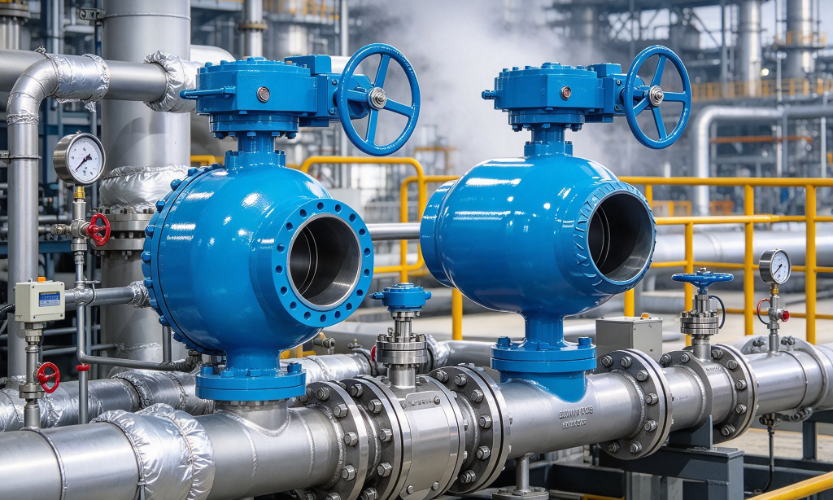
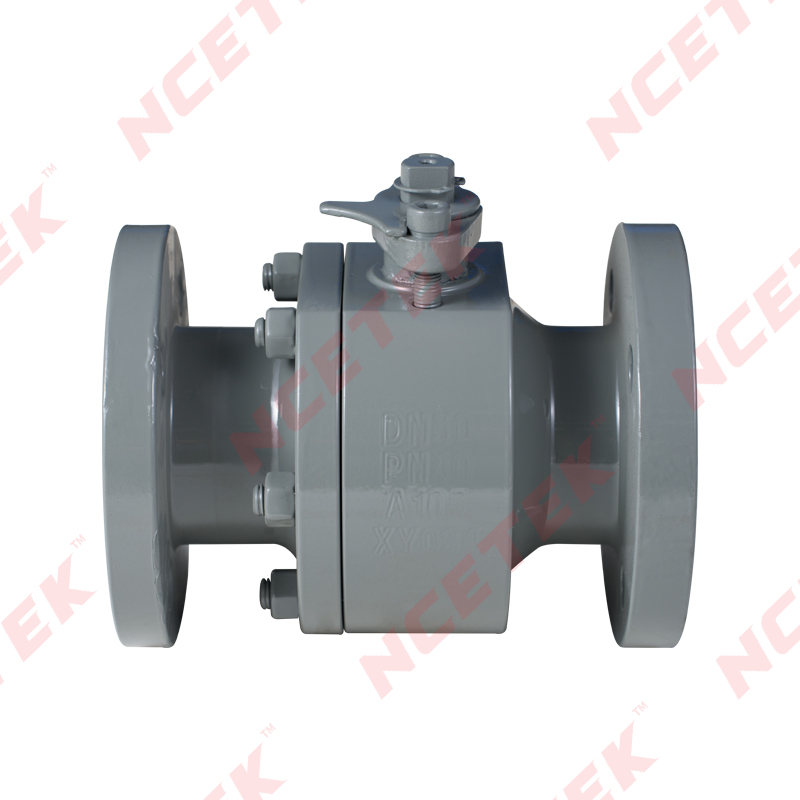
A High Temperature Ball Valve works as an assembly. The body contains the fluid, the ball and seats control flow and shutoff, and the stem packing keeps fluid from escaping along the stem. Each part has its own limits, and pressure changes the picture again. Here is how to check them together.
A stated temperature limit often applies under particular conditions. Pressure, materials, and the sealing arrangement all shape what the valve can do in real service. A plant operator who reads only the headline number may miss that the limit was set for a lower pressure than the line carries.
Heat also changes materials. Some lose strength or shape as temperature rises, so the allowed pressure can shift even while the body stays intact. A valve that passes on temperature alone may fall short at the pressure the line actually carries.
| Factor | What It Establishes |
|---|---|
| Operating temperature | Heat the valve must handle |
| Operating pressure | Load placed on the valve |
| Pressure-temperature rating | Suitability for combined conditions |
| Seat material | Ability of the ball to seal |
| Stem packing | Control of leakage at the stem |
| Operating cycle | Effect of repeated heating, cooling, and movement |
This rating links the permitted pressure to the operating temperature. As the temperature climbs, the permitted pressure may change. Use the data supplied for the specific valve design and material, and interpret it under the applicable standards. Do not assume one temperature limit holds at every pressure.
Also consider how the system behaves. Some lines run steady for long periods, such as a thermal oil loop or a steam header. Others heat and cool often, such as batch reactors or lines that shut down overnight. Review startup, shutdown, and process transitions, not only the normal running state.
A practical review covers these points:
Treating a single figure as proof of suitability is a common selection mistake, and it is easy to avoid with this review.
The body contains the process fluid and carries the structure. The ball and seats open and close the flow path. These parts often use different materials, so a body that suits the heat says nothing certain about the seats.
If a seat softens, hardens, wears, or deforms, shutoff suffers even when the body is sound. The ball must also turn while keeping the right contact with the seats. Review the body, ball, seats, stem, and packing as related parts of one system, then check how they work together.
Seats touch the ball and stop flow through a closed valve. Some materials rely on flexibility to follow small ball movements. Others are more rigid and seal in a different way. Each has application limits, so heat resistance alone should not decide the choice.
Heat can soften a seat or leave it slow to recover after cooling. The fluid matters too. Chemical compatibility, particles, and deposits can all disturb contact between ball and seat. A line carrying scale or residue will treat a seat differently from a clean gas line.
| Seat Consideration | Why It Matters |
|---|---|
| Temperature suitability | Helps retain intended properties |
| Pressure conditions | Sets the load on the sealing surface |
| Fluid compatibility | Reduces material breakdown |
| Flexibility and recovery | Influences contact as conditions change |
| Ball surface condition | Affects how evenly the seat seals |
| Operating frequency | Influences wear from repeated movement |
A material that handles the heat may still fail if it cannot hold contact under the pressure or fluid in the line.
Packing seals around a stem that turns every time the valve moves. It may react to heat differently from the body or seats, losing flexibility, changing shape, or wearing with use. It must also suit the fluid, because chemical exposure can break it down even when the body looks fine.
Adjustment matters. Packing that is too loose leaks. Packing tightened past its intended setting makes the stem harder to turn and wears faster. Treat packing as part of the sealing system, not a minor accessory, and give it its own material review.
Seats and packing both control leakage, but they work in different places. Seats face the ball, the fluid, and any particles. Packing faces stem movement. Heat can hit them differently, so a valve may develop internal leakage, external leakage, or both.
| Component | Sealing Role | Heat-Related Concern |
|---|---|---|
| Valve seat | Seals against the ball | Loss of contact or deformation |
| Stem packing | Seals around the stem | Reduced contact or wear |
| Body joints | Contain fluid at connections | Changes in joint contact |
| Ball surface | Mates with the seat | Wear, deposits, or damage |
Metal parts expand when heated and shrink when cooled, while seats and packing respond at their own pace. Contact force can change between a steady run and a startup. A seat may press harder against the ball in one condition and lighter in another.
A valve that seals at working temperature may weep during a transition. If a seat or packing does not recover fully after each cycle, leakage may appear only after many cycles instead of at installation. Tell the supplier if the process heats and cools often, since a review based on steady temperature alone can miss these effects.
Ratings and materials are only part of the story. Pipe misalignment, poor support, or outside force puts stress on the body and connections. As piping expands, the valve can pick up extra loads that affect joints and even the position of internal parts.
Follow the flow direction where the design specifies one, support the valve as intended, and keep the connecting pipe from forcing it into position. Leave room for safe operation and maintenance. A suitable valve can still develop trouble if the surrounding system pushes on it.
Start from the real service conditions: temperature, pressure, fluid, frequency of temperature change, and the valve's role. Confirm the rating applies to the specific design and material combination instead of a general statement. Review seat and packing materials on their own, and consider how easily the valve can be reached for service. A valve in a tight pipe rack needs a different plan from one at eye level.
Ask the supplier:
Watch both internal and external sealing. Flow passing through a closed valve points toward the ball or seats. Seepage at the stem points toward the packing. Leakage at connections may trace to installation or joints.
Timing gives clues. Leakage during heating or cooling suggests material and contact changes. Leakage under steady conditions suggests wear, damage, or contamination. A valve that gets harder to turn may have more friction or deposits, which does not name the cause but tells the team where to look.
Before inspection, follow the manufacturer's procedures and site rules. Isolate the system and make it safe from pressure, heat, and process fluid before any work begins.
Keep records of when leakage occurs, which part seems affected, and the conditions at the time. Those notes show whether a recurring problem comes from the rating, materials, installation, or upkeep. With the body, seats, and packing judged together and the pressure-temperature data in hand, a High Temperature Ball Valve can be chosen for the process it will actually serve.
 nce@cnnsv.com
 +86-15727968392 / +86-15397375798
 +86-577-67091815
 +86-577-67091815
 Dongou Industrial Zone, Oubei Street, Yongjia County, Wenzhou City, Zhejiang Province, China


Contact Us