
 русский
 简体中文
简体中文

Modern pipeline projects involve genuinely more than selecting a valve that matches a pipe connection on a drawing. Layout, installation space, maintenance planning, operating conditions, and project coordination all influence how a valve fits into the completed system on site. A valve may appear suitable on a product list, yet create genuine practical difficulties when the surrounding pipeline arrangement gets considered closely.
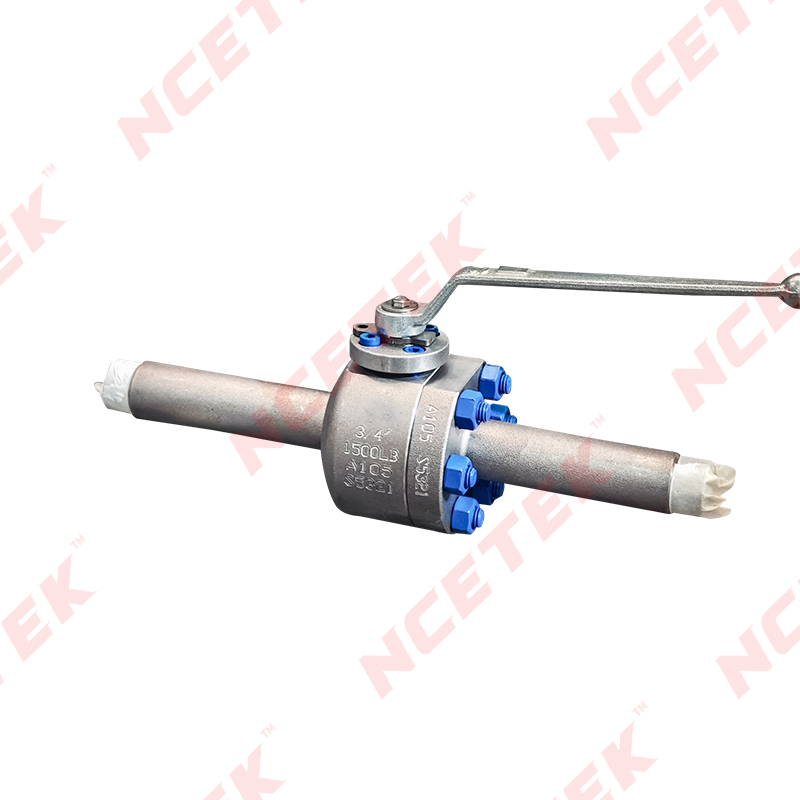
A Fully Welded Ball Valve can be considered within this broader project context because its welded connection changes how the valve becomes part of the pipeline itself. Instead of treating the valve as an isolated component sitting alone, engineers and procurement teams can examine how its structure fits the planned route, support arrangement, access requirements, and construction sequence unfolding on site.
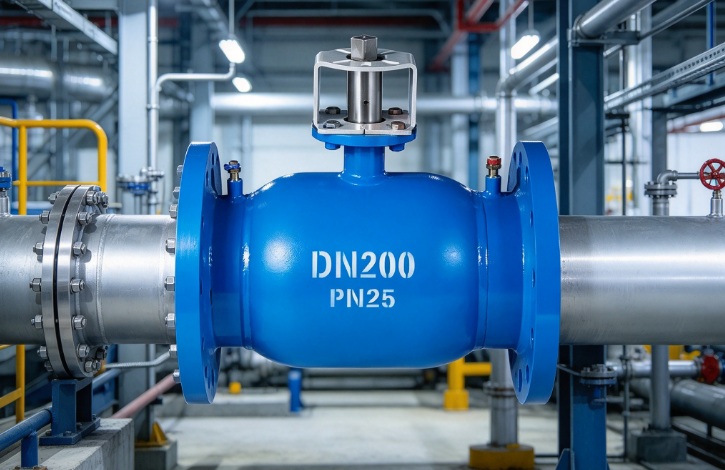
This approach also changes the role of product sourcing considerably. A Fully Welded Ball Valve Supplier may need understanding genuinely more than valve specifications printed on a sheet. The supplier may also need communicating about connection requirements, installation conditions, product documentation, delivery coordination, and project-specific expectations shared ahead of time.
Pipeline layout determines where valves can get installed and how they can get accessed after construction wraps up. A valve positioned in an open service area may prove genuinely easier to inspect than one located near a wall, buried section, equipment foundation, or other pipeline running nearby. These differences can affect the practical suitability of a valve configuration chosen for the job.
Engineers can review the pipeline route before choosing the final valve arrangement to install. The review may consider pipe direction, available working space, nearby equipment, support structures, access paths, and the location of other components sharing the area. This helps preventing a valve from becoming an awkward obstacle within an otherwise organized pipeline running through the site.
| Layout Consideration | Project Question |
|---|---|
| Pipeline direction | Does the valve fit naturally into the planned route? |
| Available space | Is there enough room around the valve for installation? |
| Nearby equipment | Could surrounding equipment restrict access? |
| Support structure | Does the valve position work with the pipeline support plan? |
| Access path | Can maintenance personnel reach the required area? |
A welded valve connection can also influence how the pipeline gets arranged around the component itself. The valve becomes part of the fixed pipeline structure, so engineers may need considering alignment and construction planning before installation actually begins on site.
Valve configuration affects how a pipeline section gets arranged and how the component interacts with nearby equipment sharing the space. The body structure, connection arrangement, actuator position, and overall installation orientation can all influence the available space around the pipeline running through.
A project team may therefore need comparing several configuration considerations, rather than selecting a valve based on one characteristic alone. The preferred arrangement should fit the actual pipeline environment and the way the system will get installed and serviced over its life.
For example, an actuator positioned toward an obstruction may create an avoidable access problem down the line. A valve body located too close to another component may also make installation work genuinely more difficult for the crew. Reviewing the complete arrangement helps identifying these issues before fabrication or construction actually progresses further.
Configuration should also get considered together with pipeline supports already planned. The valve should sit naturally within the planned system, rather than forcing unnecessary changes to surrounding pipe sections nearby.
A fully welded design can be considered when the valve is intended becoming a permanent part of a pipeline section running through the site. The welded connection can suit projects where the pipeline gets planned as a continuous fixed installation, rather than a system that frequently requires component removal down the road.
This can prove relevant in buried or protected pipeline sections where the project team wants the valve connection integrating closely with the surrounding pipework already in place. The actual suitability still depends on the project design, installation method, applicable requirements, and access strategy chosen for the job.
A Fully Welded Ball Valve Factory may therefore need understanding how its products are expected fitting into different pipeline arrangements out there. Product design and manufacturing decisions can affect how genuinely easily the valve can get incorporated into a planned system.
For procurement teams, this means the factory shouldn't get viewed only as a place where the valve gets produced. Communication about connection arrangements, construction requirements, inspection expectations, and documentation can also influence the purchasing process throughout.
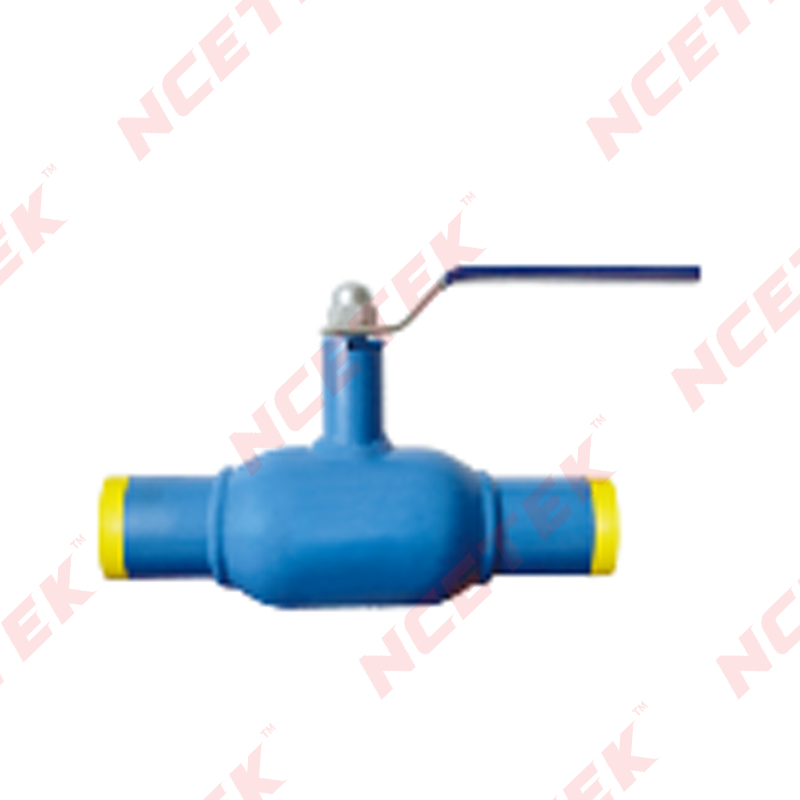
A Fully Welded Floating Ball Valve may be considered when a project requires a floating-ball configuration within a fully welded valve structure built for the job. The choice should get connected to the intended pipeline application, rather than made solely because of the product name on a catalog page.
Different sections of the same pipeline can have genuinely different installation conditions running along the route. One section may have generous working space, while another may sit located in a restricted area nearby. One valve may prove easy accessing from ground level, while another may require additional access planning worked out ahead.
This means the valve configuration should get reviewed against its actual location on site. Engineers can consider the surrounding pipe route, valve orientation, access space, actuator arrangement, support system, and maintenance approach before confirming the selection made.
| Pipeline Section | Selection Focus |
|---|---|
| Open installation area | Layout and operating access |
| Restricted space | Overall valve arrangement |
| Buried section | Connection and installation planning |
| Equipment connection area | Alignment with nearby components |
| Long pipeline route | Valve location and access strategy |
The floating-ball configuration is therefore one part of a genuinely wider selection decision made for the project. The surrounding pipeline conditions still determine whether the product fits the job at hand.
Installation space is genuinely easy overlooking during early pipeline planning stages. Drawings may show the valve clearly enough, but actual construction areas can contain supports, walls, equipment, cable routes, platforms, and other structures that reduce available working space around it.
A valve should have enough surrounding room for the intended installation process to happen safely. The team may also need considering access to the actuator and other service areas nearby. If a component proves genuinely difficult reaching after installation, routine inspection or future work may become genuinely less convenient down the line.
Space planning should therefore take place while the pipeline layout stays still flexible enough to adjust. Moving a valve location during an early design stage may prove genuinely easier than changing a completed section of pipeline already built.
This is also a genuinely important discussion point between an engineering team and a Fully Welded Ball Valve Supplier working the account. Sharing the intended installation environment can help the supplier understanding which product configuration stays appropriate for the project.
Pipeline supports help maintaining the planned position of the pipe and connected components running along the route. Valve placement should get considered alongside this arrangement, rather than treated as a separate decision made in isolation.
A large valve assembly or actuator may affect the surrounding support plan already in place. Engineers can review where supports are located and whether the valve position creates additional coordination requirements down the line.
The connection between the valve and pipeline should also get considered during construction itself. Alignment, welding preparation, temporary positioning, and installation access can all influence the practical sequence of work carried out on site.
Good coordination reduces the chance that a valve selection creates unexpected changes elsewhere in the pipeline running through the site. It also helps construction teams understanding how the valve should fit into the planned route already mapped out.
Procurement becomes genuinely easier when the supplier receives clear project information upfront. A short product name may not provide enough context for a project involving complicated pipeline layouts or restricted installation areas out there.
Buyers can communicate information such as the intended pipeline section, connection arrangement, installation environment, actuator requirements, documentation needs, and project schedule they're working against. The supplier can then respond based on the actual application, rather than making assumptions from a general product category listed somewhere.
A Fully Welded Ball Valve Supplier may also support communication between purchasing, engineering, and production teams spread across the project. This can help reducing misunderstandings when the valve needs fitting a particular pipeline arrangement.
Useful procurement questions may include whether the proposed valve configuration suits the planned pipeline location and whether the connection arrangement can match the project design. Whether the valve stays suitable for the intended installation environment matters next, along with what product documentation is available for review. How the product will get identified and inspected before delivery rounds out the middle, followed by whether the supplier can coordinate with the project schedule already set.
These questions keep procurement genuinely connected to actual engineering needs on the ground.
A Fully Welded Ball Valve Factory needs maintaining consistency between the approved product design and the manufactured valve leaving the floor. This involves genuinely more than producing the valve body alone. Connection areas, assembly, actuator arrangement, surface condition, identification, inspection, and packaging all affect how the finished product reaches the project site.
Production planning should reflect the intended application it's built for. If a valve is getting prepared for a pipeline project with specific installation conditions, manufacturing teams may need clear information about the required configuration expected.
Quality control can also get organized around the parts that matter during installation itself. Connection dimensions, assembly condition, actuator positioning, visible surface condition, and product identification can all get checked before shipment leaves the factory.
Clear communication between the factory and buyer can reduce the chance of configuration differences between orders placed over time. This becomes particularly useful when a project contains several valves that need following a consistent design approach throughout.
Pipeline construction usually gets carried out through a planned sequence of preparation, positioning, connection, inspection, and related site activities unfolding in order. Valve delivery needs fitting that sequence, rather than simply arriving whenever manufacturing happens to complete.
A valve that reaches the site too early may require suitable storage and protection while it waits. A valve that arrives after the relevant pipeline section has gotten prepared may delay construction work already underway.
Procurement teams can therefore coordinate valve delivery with the construction schedule set for the job. Packaging and product identification should also make it genuinely easy for site personnel recognizing the correct component when several similar valves get stored together nearby.
For welded valve installations, construction teams may also need enough time preparing the pipeline connection area and confirming alignment before completing the installation itself. These practical details can influence when the product should get ordered and delivered to site.
Pipeline projects involve multiple parties, including engineers, contractors, procurement teams, manufacturers, and site personnel all working toward the same goal. Problems can appear when each group works from slightly different information passed along.
A shared product description can help keeping the project organized throughout. Drawings, valve identification, connection information, installation orientation, and relevant documentation should remain consistent across project communication shared between teams.
The procurement team can also keep a clear record of approved configurations used previously. This proves useful when similar valves are getting purchased for different pipeline sections spread across a project.
Regular communication with the Fully Welded Ball Valve Factory can help clarifying production details before shipment leaves. At the same time, the supplier can provide a communication link between the buyer's project requirements and the factory's manufacturing process running behind the scenes.
The goal isn't adding unnecessary administrative work to everyone's plate. It's reducing avoidable confusion before the valve reaches the construction site.
Buried pipelines create genuinely different installation conditions from exposed pipework sitting above ground. Once construction wraps up, direct access to the valve area may stay genuinely limited, so the location and installation arrangement need careful planning worked out ahead.
Engineers can consider where valves get placed along the route and how future access will get provided where required later. The surrounding soil, protective structures, access points, and pipeline route may all influence the practical arrangement chosen.
A fully welded connection can be considered within this type of fixed pipeline design taking shape, but the valve still needs matching the project requirements and installation method chosen for the job.
Product selection should therefore involve the complete buried section, rather than focusing only on the valve itself in isolation. The pipeline route, construction process, access strategy, and maintenance planning all form part of the decision made.
A valve may remain in service for a genuinely long period once installed, so maintenance planning should get considered during project design from the start. A component that's easy installing but genuinely difficult reaching later can create practical challenges for the operating team down the road.
Access should get considered around the valve and its operating mechanism carefully. The surrounding pipeline should leave enough space for planned inspection and service activities where applicable to the design.
Valve location can also influence maintenance routes taken by staff. If a component gets placed behind other equipment or within a crowded installation area, future work may require additional preparation before it can happen.
These considerations can get discussed with a supplier before the purchase actually gets finalized. A supplier that understands the project environment can help buyers comparing configurations according to actual installation needs on the ground.
Supplier comparison doesn't need focusing only on product price alone. Pipeline projects often require consistent communication, suitable documentation, reliable production coordination, and clear understanding of the requested configuration throughout the relationship.
Buyers can examine how a supplier handles technical communication, order confirmation, product identification, inspection arrangements, packaging, and delivery coordination across a project. These factors can affect the purchasing experience throughout the entire process.
A Fully Welded Ball Valve Supplier that communicates clearly about project requirements can help reducing uncertainty during procurement. The buyer can also evaluate whether the supplier can coordinate with a manufacturing facility capable of producing the requested configuration consistently over time.
This approach keeps supplier selection genuinely connected to the actual needs of the pipeline project, rather than treating procurement as a separate commercial task handled apart from engineering.
A fully welded valve can fit modern pipeline projects when its configuration, connection arrangement, installation location, and procurement process get considered as parts of the same system working together. The valve should match the planned pipeline route, instead of forcing the route adapting unnecessarily to the product chosen.
Engineers can review layout, available space, support planning, installation sequence, maintenance access, and pipeline section requirements before confirming the selection made. Procurement teams can then communicate these conditions clearly to the Fully Welded Ball Valve Supplier and Fully Welded Ball Valve Factory involved in the project.
For projects considering a Fully Welded Floating Ball Valve, the floating-ball configuration should also get assessed alongside the actual pipeline application and installation environment it faces. This keeps product selection tied to practical engineering requirements and helps different project teams working from the same set of expectations shared across the job.
 nce@cnnsv.com
 +86-15727968392 / +86-15397375798
 +86-577-67091815
 +86-577-67091815
 Dongou Industrial Zone, Oubei Street, Yongjia County, Wenzhou City, Zhejiang Province, China


Contact Us