
 русский
 简体中文
简体中文

Valve leakage isn't always caused by what happens inside the pipeline, because the connection between the valve body and the surrounding environment can also influence system reliability and maintenance needs considerably.
A fully welded valve construction changes the way the valve gets connected to the pipeline by using welded joints, instead of relying on detachable external connections around the main body itself.
This approach can reduce the number of potential external leakage paths and create a continuous connection between the valve and the pipeline when the welding process, inspection, and installation get properly managed throughout.
For buyers, the decision involves genuinely more than selecting a valve with a welded body, because material compatibility, production control, weld quality, installation practices, and maintenance planning all influence the final result reaching the site.
External leakage occurs when the fluid inside a pipeline escapes through a connection or another opening toward the outside environment surrounding it.
The issue can affect the surrounding work area, create maintenance requirements, and make it genuinely more difficult for operators maintaining a clean and controlled installation on the floor.
A valve may operate correctly from an internal flow perspective while still requiring attention around external connections, which is why buyers often need considering both internal sealing and external construction together.
| Leakage Area | General Concern |
|---|---|
| Body connection | Fluid may escape through a body joint |
| Stem area | Sealing condition can affect external leakage |
| Pipeline connection | Installation quality can influence sealing |
| Welded area | Welding quality affects joint integrity |
| Access points | Poorly maintained connections may create problems |
External leakage risk is therefore genuinely connected with the complete valve structure, rather than one isolated component sitting alone.
A fully welded construction connects the valve to the pipeline through welded ends, creating a permanent joint after installation wraps up.
This differs from connection methods that allow the valve getting removed through detachable mechanical joints, because a welded connection doesn't depend on the same type of external sealing arrangement at the pipeline interface.
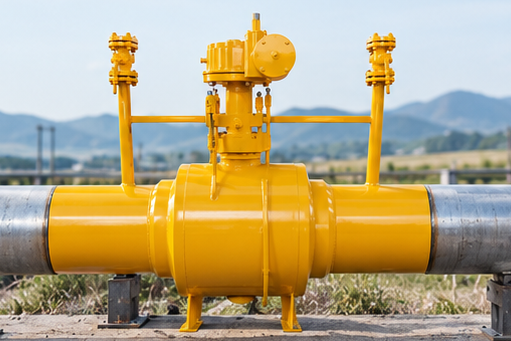
The reduction in detachable connection points can simplify the external structure around the valve and reduce the number of areas that require routine attention over time.
This doesn't mean every welded connection will perform the same way, because the quality of preparation, welding, inspection, and installation still matters considerably.
Every connection between a valve and a pipeline represents an area where sealing and joint integrity need considering carefully.
A fully welded arrangement can reduce the number of detachable external connections around the valve, which may reduce the number of potential paths through which fluid could escape.
The benefit becomes genuinely easier understanding when looking at the valve as part of a complete pipeline, rather than as an isolated product sitting on a shelf.
| Connection Approach | External Consideration |
|---|---|
| Detachable connection | Requires attention to the connection and sealing arrangement |
| Welded connection | Creates a permanent joint after welding |
| Mixed connection | Combines different connection methods |
| Fully welded arrangement | Reduces detachable external connection points |
The design can therefore support a genuinely simpler external connection structure, although proper welding and inspection remain necessary throughout.
A welded connection depends on the condition of the joint created during installation or production on the line.
Poor preparation, unsuitable welding practices, contamination, or inadequate inspection can affect the quality of the finished joint considerably.
The valve itself may be properly manufactured, but an improperly completed pipeline weld can still create a leakage concern after installation wraps up.
Manufacturers and installers therefore need treating welding as part of the complete valve installation process, rather than a separate afterthought.
Important areas can include surface preparation alongside joint alignment worth checking. Welding procedure matters next, along with material compatibility. Weld inspection rounds out the middle, followed by post-welding checks before the line goes back into service.
These steps help creating a genuinely more controlled connection between the valve and pipeline.
The valve body contains the internal flow path and provides the main structural enclosure around the working components inside.
A fully welded body design can reduce the number of detachable body joints, depending on the valve structure and manufacturing method used.
Fewer detachable body connections can mean fewer external sealing interfaces that need maintaining during service over the years ahead.
The effect depends on the actual valve design at hand, because the stem, actuator connection, and other components can still require separate sealing arrangements regardless.
Buyers should therefore examine the complete construction, rather than assuming a welded body alone removes every possible external leakage path on the unit.
The valve stem connects the internal operating mechanism with the external actuator or handle, so it remains a genuinely important area when considering external leakage.
Even when the main valve body is fully welded, the stem still needs an appropriate sealing arrangement preventing fluid from moving outward along the stem itself.
The condition of the stem sealing area can change during long-term operation as the valve gets opened and closed repeatedly over its service life.
Maintenance teams can therefore inspect the stem area as part of regular valve condition checks, rather than focusing only on the welded body alone.
This shows why fully welded construction should get viewed as one part of a genuinely broader leakage-control approach overall.
A fully welded ball valve can provide a permanent connection between the valve and pipeline after installation, which can prove useful in systems where the valve is expected remaining in position for an extended service period.
The welded connection can also reduce the amount of external hardware around the pipeline interface, allowing the installed valve forming a genuinely more continuous part of the line running through.
However, installation planning becomes genuinely important because a welded valve isn't intended getting removed the same way as a valve with a detachable connection.
Before installation, buyers and project teams can consider access, expected service conditions, inspection requirements, and future maintenance procedures worked out ahead of time.
A Fully Welded Ball Valve Supplier should provide clear information about the valve's construction, intended application, connection method, materials, inspection process, and installation considerations upfront.
Buyers need enough information understanding how the valve fits into the planned pipeline, rather than evaluating the product based only on its appearance in a photo.
Supplier communication can cover valve body construction alongside welded connection arrangement worth discussing. Material selection matters next, along with internal sealing design and stem sealing arrangement. Inspection procedures round out the middle, followed by installation guidance and maintenance considerations shared ahead of shipment.
Clear communication can reduce misunderstandings between procurement teams, engineers, installers, and maintenance personnel spread across a project.
It also helps buyers identifying whether the valve construction fits the actual pipeline environment awaiting it.
A Fully Welded Ball Valve Factory needs consistent control across manufacturing stages because the finished valve depends on the relationship between several components and joints working together.
Production can involve material preparation, machining, component assembly, welding, sealing installation, inspection, and final testing carried out in sequence.
Each stage can affect the condition of the finished product, so quality management shouldn't focus only on the appearance of the completed valve sitting on the bench.
Inspection can examine areas worth reviewing closely.
| Production Area | Quality Focus |
|---|---|
| Material preparation | Correct material and condition |
| Body construction | Proper component fit |
| Welding | Joint quality and consistency |
| Assembly | Correct component placement |
| Sealing areas | Suitable installation |
| Final inspection | Overall product condition |
A controlled production process gives buyers genuinely more confidence that the valve they receive corresponds with the agreed product description on file.
Inspection provides an opportunity identifying potential problems before the valve enters service on site.
Different inspection methods may get used according to the valve design, manufacturing process, and application requirements at hand.
The purpose is examining whether the valve and its connections meet the intended construction and operating requirements laid out.
Inspection can include visual checks, dimensional review, pressure-related testing, weld examination, and other procedures appropriate to the product involved.
The specific inspection process should get agreed between the supplier and buyer according to the intended application, rather than treated as a universal procedure for every valve out there.
A Fully Welded Floating Ball Valve uses a floating ball arrangement within a welded valve structure, creating a product that combines the characteristics of a floating ball mechanism with a permanent pipeline connection built in.
The floating ball design allows the ball moving within the body as pressure conditions act across the valve, while the seat arrangement provides the internal sealing function needed.
The external leakage question remains connected with the valve body, stem, welded ends, and other interfaces, rather than depending only on the floating ball itself alone.
Buyers should therefore distinguish between internal flow control and external connection integrity when evaluating this type of valve for their project.
Welding joins materials together, so the materials involved need staying suitable for the intended welding process and service environment surrounding it.
Differences between the valve material and pipeline material can require careful consideration during project planning stages.
Material compatibility can influence welding procedures, joint preparation, inspection, and long-term service behavior over the years ahead.
A buyer should therefore provide the supplier with relevant pipeline information during the purchasing stage so the valve can get considered as part of the complete system it's joining.
Clear material communication can also help installers preparing the correct welding approach before the valve reaches the site.
Even a carefully manufactured valve can experience problems if installation practices don't match the product requirements laid out.
The valve needs positioning correctly, aligning with the pipeline, and welding using an appropriate procedure suited to the job.
Excessive force, poor alignment, unsuitable welding conditions, or inadequate inspection can place unnecessary stress on the connection formed.
Installation teams should therefore follow the supplier's instructions and applicable project procedures throughout the process.
A practical installation process can start by reviewing the valve before installation and confirming the connection arrangement planned. Checking pipeline alignment comes next, along with preparing the welding area for the job. Completing the weld according to the approved procedure rounds out the middle, followed by inspecting the completed connection and checking the valve after installation wraps up.
These actions connect product quality with site workmanship directly.
A welded valve can change how maintenance teams approach the pipeline because removing the valve may require cutting the welded connection, rather than simply loosening a detachable joint by hand.
This can make initial installation planning genuinely more important, especially when the valve is placed in an area where future access may prove genuinely difficult later.
Maintenance teams can consider the valve location, surrounding space, inspection access, and expected service requirements before installation actually begins.
A permanent connection may reduce some routine attention around detachable joints, but other valve components still need inspection and maintenance according to the equipment's service requirements over time.
The maintenance plan should therefore account for both the advantages and limitations of a permanent welded connection built into the system.
Supplier evaluation should include manufacturing capability, product construction, inspection practices, documentation, communication, and experience with the intended application at hand.
Buyers can ask how the supplier manages welding, assembly, inspection, and product identification during production on the floor.
A supplier should also be able explaining how its valve construction relates to the customer's pipeline requirements without relying on unsupported performance claims made in a brochure.
A practical supplier comparison can consider several areas worth weighing.
| Evaluation Area | Buyer Question |
|---|---|
| Product construction | Does the valve structure fit the application? |
| Welding | How are welded joints controlled and inspected? |
| Assembly | How are internal components checked? |
| Inspection | What checks are performed before shipment? |
| Documentation | Is product information clearly provided? |
| Communication | Can technical requirements be discussed clearly? |
| After-sales support | Can maintenance questions be addressed? |
This gives buyers a genuinely broader basis for procurement decisions than product appearance alone in a catalog.
Purchasing teams should confirm the valve construction matches the pipeline requirements before placing an order with a supplier.
The discussion can cover valve type, connection arrangement, material, operating environment, installation method, inspection requirements, and future maintenance considerations worth raising upfront.
The supplier should also understand where the valve will get installed and how the pipeline will get operated once it's in service.
A clear order review can start by confirming the valve type and construction and reviewing connection requirements laid out. Checking material compatibility comes next, along with confirming inspection arrangements. Reviewing installation considerations rounds out the middle, followed by clarifying documentation and confirming packaging and delivery requirements before shipment.
This process helps ensuring the selected valve gets considered as part of the complete pipeline, rather than as a standalone component sitting apart from the system.
Fully welded construction can suit pipeline applications where a permanent connection stays appropriate and where reducing detachable external connection points proves useful for the overall system design.
The approach can prove relevant to different pipeline layouts, but the suitability depends on access, installation conditions, maintenance planning, materials, and operating requirements at hand.
A buyer working with a Fully Welded Ball Valve Supplier can discuss these factors before selecting a product, while a Fully Welded Ball Valve Factory can provide information about production and inspection practices used.
For applications using a Fully Welded Floating Ball Valve, buyers can also consider the relationship between the floating ball arrangement, internal sealing, stem area, welded body, and pipeline connection working together.
Understanding these parts together gives procurement teams a genuinely clearer way evaluating external leakage risk, without treating fully welded construction as a standalone solution on its own.
Fully welded construction can change the external connection structure of a valve by reducing detachable connection points between the valve and pipeline. This can support a more continuous installed arrangement, while the actual leakage performance still depends on valve construction, welding quality, inspection, installation practices, and maintenance planning working together.
Buyers can therefore review the complete valve structure instead of focusing only on the welded body. Stem sealing, material compatibility, connection preparation, production control, inspection procedures, installation conditions, and future maintenance access all remain relevant when evaluating a valve for a specific pipeline application.
For projects considering a Fully Welded Floating Ball Valve, the floating ball arrangement should also get assessed alongside the welded body, stem area, internal sealing system, and pipeline connection. Keeping these elements within the same procurement and engineering discussion can help project teams evaluate external leakage considerations according to the actual installation environment.
 nce@cnnsv.com
 +86-15727968392 / +86-15397375798
 +86-577-67091815
 +86-577-67091815
 Dongou Industrial Zone, Oubei Street, Yongjia County, Wenzhou City, Zhejiang Province, China


Contact Us