
 русский
 简体中文
简体中文

Pipeline systems often operate in places where valve access stays limited and maintenance can interrupt daily operations. Heating networks, municipal gas systems, and long-distance pipelines all need valves that fit their installation conditions while managing fluid flow safely. The valve structure plays an important role in meeting these needs.
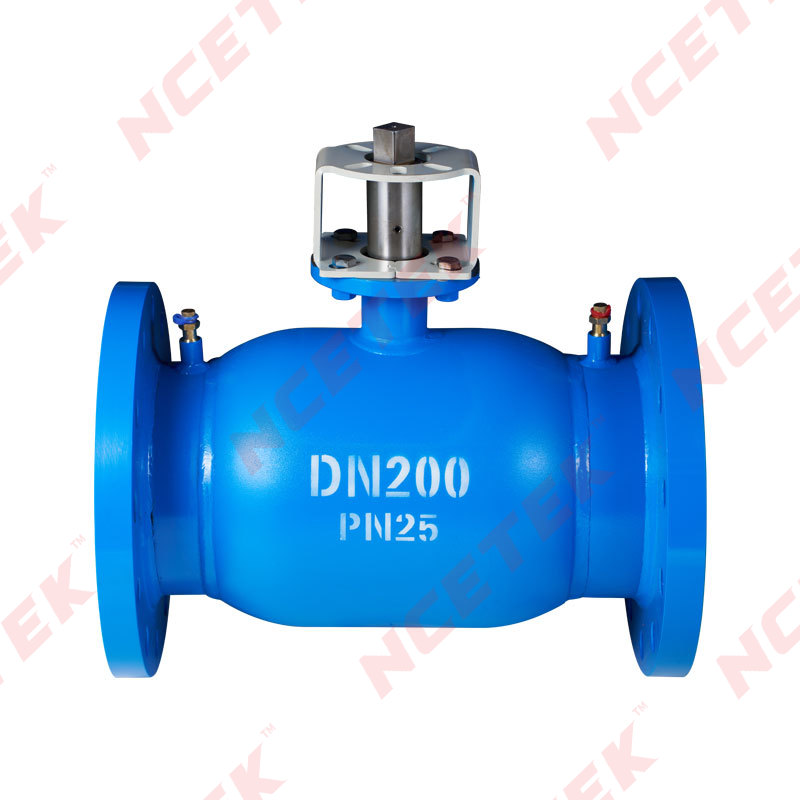
A Fully Welded Floating Ball Valve combines a welded body with a floating ball sealing arrangement. These features serve genuinely different purposes. The welded body reduces the number of body joints that could become external leakage paths, while the floating ball moves under fluid pressure helping create a seal against the downstream seat. The overall design can also incorporate an extended stem, safety features, and construction suited to buried pipeline applications.
For engineers and project buyers, understanding these structural choices helps clarify where this valve type may fit. Its suitability depends on the working medium, pressure conditions, installation layout, operating method, and maintenance plan.
The valve body forms the main pressure-containing structure. In a conventional design with a bolted or split body, the connection between body sections requires suitable sealing components and controlled assembly. These connections can become potential external leakage points if seals deteriorate, fasteners loosen, or installation conditions change.
A fully welded body joins the main body sections through permanent welds. This reduces the need for detachable body joints and their associated seals. For pipelines carrying natural gas or other fluids where external leakage requires careful control, reducing these potential paths can be a useful design consideration.
The welded construction also creates a genuinely more integrated body. Instead of relying on a removable joint between major sections, the body acts as a connected structure around the internal valve components. This can prove helpful in installations where access for inspection or repair stays restricted.
However, a welded body doesn't remove every possible leakage path. The stem sealing area, seat arrangement, end connections, and other interfaces still require suitable design and quality control. The quality of the welds also matters because poor welding can introduce defects into the pressure boundary.
| Structural Feature | Practical Relevance |
|---|---|
| Welded body sections | Reduce the number of detachable body joints |
| Integrated body structure | Supports installation in pipeline systems with limited access |
| Fewer body-joint seals | Reduces reliance on seals between removable body sections |
| Controlled weld quality | Helps protect pressure containment |
| Sealed stem area | Addresses leakage around the moving stem |
The value of the welded body therefore comes from how it changes the number and type of potential leakage paths, not from an assumption that leakage stays impossible.
The ball is the internal component that controls flow. When its opening aligns with the pipeline, fluid can pass through the valve. When the ball rotates to the closed position, its solid surface blocks the flow path.
In a floating ball design, the ball isn't fixed rigidly at both ends. It can move slightly within the valve body under the force created by the fluid. As pressure acts on the ball, it pushes the ball toward the downstream seat. This contact helps the seat form a seal around the ball surface.
The arrangement provides a relatively direct way controlling flow. It also allows the sealing force responding to operating pressure within the limits of the valve's design. The actual shut-off performance depends on the seat material, ball finish, alignment, operating conditions, and condition of the sealing surfaces.
A floating ball valve may suit pipeline duties where dependable shut-off becomes required and the operating conditions match its design. It shouldn't get selected based on the ball structure alone. Buyers also need considering how the valve behaves during opening and closing, how the seat handles the intended medium, and whether the design suits the system's operating requirements.
The welded body and floating ball contribute to genuinely different parts of the valve's performance. The body structure helps limit external leakage paths, while the ball and seats control the flow passing through the valve.
These functions should get evaluated separately. A valve may have a well-made welded body but still experience internal leakage if its ball or seats become damaged. In the same way, a floating ball may seal correctly while a problem at the stem area or a body connection allows fluid escaping externally.
This distinction matters in pipeline design because external leakage and internal leakage create genuinely different operating concerns. External leakage occurs when fluid escapes from the valve to the surrounding environment, internal leakage occurs when fluid continues passing through the closed valve, stem leakage can occur where the stem passes through the valve body, and seat wear can affect how effectively the ball blocks the flow path.
A suitable design needs addressing each area. Material compatibility, sealing geometry, machining quality, assembly control, and inspection all contribute to the valve's behavior in service.
Buried valves get installed below ground level, where the valve body may be difficult to reach after the pipeline gets covered. Operating and maintaining the valve therefore requires a way to connect the buried mechanism with an accessible point above ground.
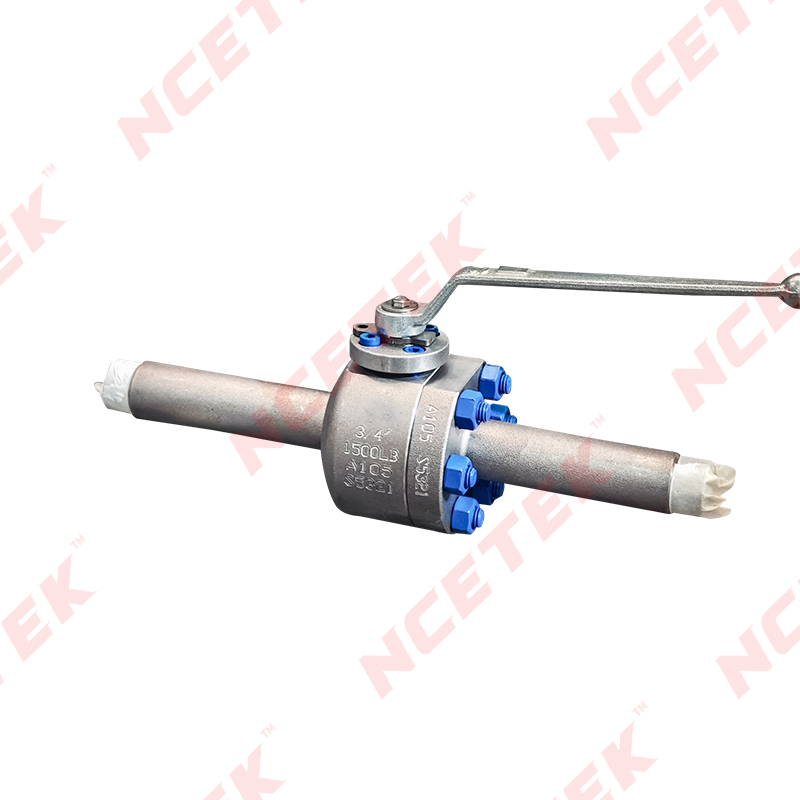
An extended stem can bridge this distance. It allows the operating point remaining accessible while the valve body stays within the buried pipeline arrangement. Depending on the installation, the extension may connect with a stem cap, operating key, gearbox, or another suitable control mechanism.
This arrangement can prove useful in municipal gas distribution, heating networks, and other pipeline projects where valves get placed in underground chambers or directly buried according to the approved installation design.
The extension must match the site layout. Its length, support, protection, and connection to the operating device need consideration during project planning. Poor alignment or unsuitable support can make operation genuinely difficult and may place unwanted loads on the stem assembly.
| Installation Consideration | Why It Matters |
|---|---|
| Operating-point location | Determines how the valve can be reached |
| Stem extension arrangement | Connects the buried valve with its control point |
| Protection from the environment | Helps limit damage to exposed components |
| Access for operation | Supports routine isolation and maintenance |
| Site-specific installation details | Helps the valve fit the pipeline layout |
An extended stem improves access, but it doesn't remove the need for suitable installation practices. The complete operating arrangement should get reviewed before the valve becomes buried.
Heating networks move hot water or other heat-transfer media through interconnected pipelines. Valves get needed isolating sections for maintenance, managing operating zones, and supporting changes to the network.
A fully welded design can get considered where reducing detachable body joints proves useful, particularly in locations where access stays limited after installation. The floating ball structure provides a way opening or closing the flow path, while the body construction addresses the external pressure boundary.
Heating applications also bring their own requirements. The valve materials must suit the operating medium and temperature conditions. The seat and stem seals need remaining compatible with the expected service environment. Thermal movement, installation stress, and operating frequency may also affect the selection.
The surrounding pipeline design matters as well. A valve should fit the connection method, available space, operating arrangement, and maintenance approach used across the heating system.
For project teams, it's useful assessing the valve as part of the network, rather than as an isolated component. This helps ensure its structural advantages match the actual installation conditions.
Natural gas pipelines require careful control of leakage because gas can escape through small openings and may create fire or explosion risks under unsuitable conditions. Valve selection therefore involves genuinely more than choosing a mechanism that opens and closes.
A fully welded body can reduce the number of detachable body joints, which stays relevant when managing potential external leakage paths. The stem sealing arrangement and end connections still need attention, since the complete valve must contain the medium during normal operation and isolation.
Anti-static features can help manage the buildup of static charge that may arise from movement or contact between internal components. A suitable design provides an electrical path for charge dissipation, rather than allowing a charge accumulating unchecked. The details of this feature should get verified against the applicable product requirements.
Fire-safe design addresses how the valve may behave when exposed to fire. Depending on the design and applicable testing requirements, secondary sealing features may help limit leakage if softer sealing materials become damaged by heat. Fire-safe capability should get supported by relevant test evidence, rather than inferred from the valve's welded construction.
These safety features have separate purposes. Anti-static design, fire-safe performance, and body welding should get evaluated individually, alongside material compatibility, operating conditions, and the requirements of the pipeline project.
Weld quality stays central to a fully welded valve because the welded sections form part of the pressure-containing body. A weld that looks acceptable on the surface may still contain defects that can't get confirmed through visual inspection alone.
Manufacturers generally need an inspection plan suited to the design, materials, welding process, and applicable standards. Visual examination can identify surface irregularities, while other approved inspection methods may get used assessing the weld area for defects that aren't visible from the outside.
The inspection approach should get established before production. Welding procedures, material traceability, welder qualifications where required, and records of inspection can help maintain consistency and support project acceptance.
| Quality-Control Area | Purpose |
|---|---|
| Material verification | Confirms that specified materials are used |
| Welding procedure control | Supports repeatable fabrication |
| Visual examination | Identifies visible surface concerns |
| Suitable non-destructive testing | Checks for defects within the weld area |
| Pressure and leakage testing | Evaluates performance against applicable acceptance criteria |
| Production records | Supports traceability and project review |
Inspection requirements vary by design, service conditions, and the standards specified for the project. Buyers should confirm which checks apply to the supplied valve and request relevant documentation as part of the procurement process.
Maintenance becomes genuinely more complicated when a valve gets installed underground or in a location that requires traffic control, excavation, or specialist access. Work that would stay straightforward in an accessible plant room may take genuinely more planning in a buried pipeline system.
A fully welded body can reduce the need inspecting or maintaining detachable body-joint seals. This may help simplify one part of the maintenance plan. It doesn't mean the valve stays maintenance-free, since the stem seals, operating mechanism, internal seats, and other components can still require inspection or service.
A practical maintenance plan should consider the valve's operating frequency, the medium being carried, the consequences of isolation, and the accessibility of the installation. The design should also allow operators using the valve as intended without applying excessive force or placing undue stress on the stem.
For project owners, the relevant question is how the valve's construction affects the full service cycle. Purchase cost is only one consideration. Installation effort, access arrangements, inspection requirements, and the possibility of future replacement also influence lifecycle planning.
A fully welded ball valve and a conventional body design may perform similar flow-control tasks, but their construction can create genuinely different requirements for installation and maintenance.
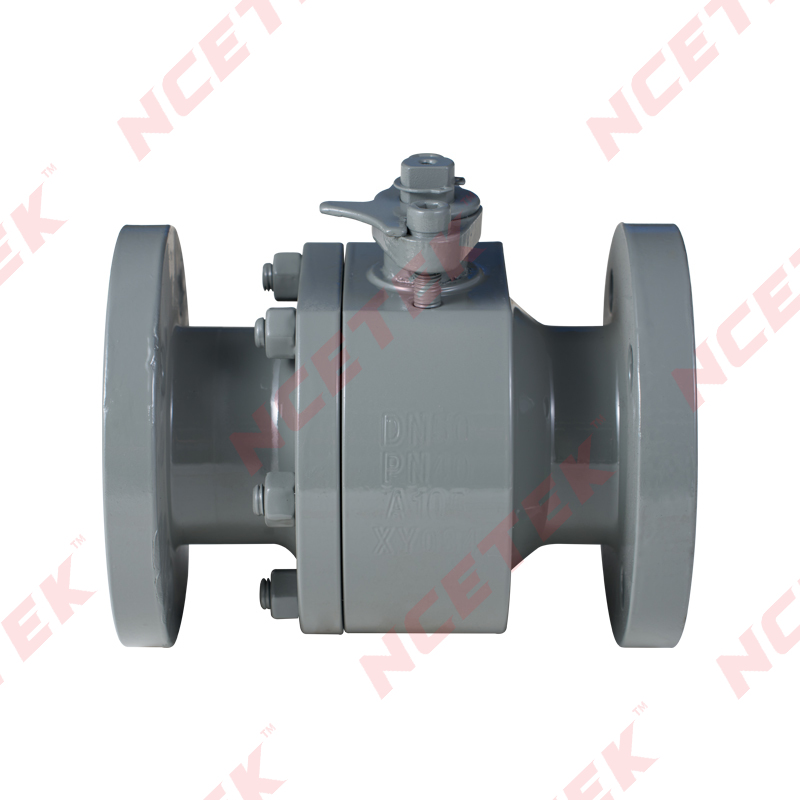
A conventional valve with a bolted body may offer easier access to internal components during service, depending on its design. A fully welded body reduces detachable body joints, but opening the body for internal repair may become genuinely more difficult or may require procedures that differ from those used for a bolted design.
The floating ball arrangement is another separate factor. Not every ball valve uses a floating ball; some designs support the ball through other structural arrangements. Buyers should confirm the valve's actual construction, instead of treating all ball valves as equivalent.
| Comparison Point | Fully Welded Floating Ball Valve | Conventional Ball Valve |
|---|---|---|
| Body construction | Main body sections are permanently welded | May use bolted or other detachable body connections |
| External leakage paths | Fewer detachable body joints | Depends on the number and design of body joints |
| Internal sealing | Depends on ball, seats, and sealing surfaces | Depends on the valve's internal design |
| Service access | Internal access may be more involved | May be easier with a removable body design |
| Buried installation | Can suit projects designed around a welded body and stem extension | Suitability depends on the specific model and installation arrangement |
The choice should follow the service requirements, installation conditions, maintenance strategy, and acceptance criteria. Neither construction should get selected solely because of one feature.
OEM and project-based purchases may involve requirements that differ from standard catalogue applications. A valve may need fitting a specific pipeline layout, operating device, connection arrangement, or buried installation depth.
Customization can involve the body configuration, stem extension, end connections, operating mechanism, material selection, protective coating, or identification requirements. Each change should get reviewed for its effect on the valve's pressure boundary, sealing performance, operating access, and compatibility with the intended medium.
Buyers should provide clear information about the application and installation environment. Drawings, connection details, operating requirements, applicable standards, and inspection expectations can help the supplier assess the proposed configuration.
The procurement review can also cover documentation, packaging, traceability, and acceptance checks. These details help the delivered product match the project's technical and site requirements.
A customized design still needs appropriate engineering review and testing. Changes to the stem, body, or internal arrangement shouldn't get treated as cosmetic adjustments when they may affect structural integrity or valve operation.
The structural advantages of a fully welded floating ball valve prove useful only when they match the conditions of the intended service. Engineering teams can review the design alongside the full pipeline arrangement before making a selection.
Key considerations include the medium being carried and its compatibility with valve materials, the required shut-off function and acceptable leakage criteria, the installation location and available access for operation, whether a stem extension or buried installation arrangement becomes needed, the role of anti-static and fire-safe features in the project specification, weld inspection, pressure testing, and documentation requirements, the expected maintenance approach and access to serviceable components, and the supplier's ability supporting OEM requirements and project acceptance procedures.
This assessment links valve construction with real operating conditions. It also gives procurement teams a practical basis for discussing design details with manufacturers, inspectors, and pipeline engineers.
 nce@cnnsv.com
 +86-15727968392 / +86-15397375798
 +86-577-67091815
 +86-577-67091815
 Dongou Industrial Zone, Oubei Street, Yongjia County, Wenzhou City, Zhejiang Province, China


Contact Us