
 русский
 简体中文
简体中文

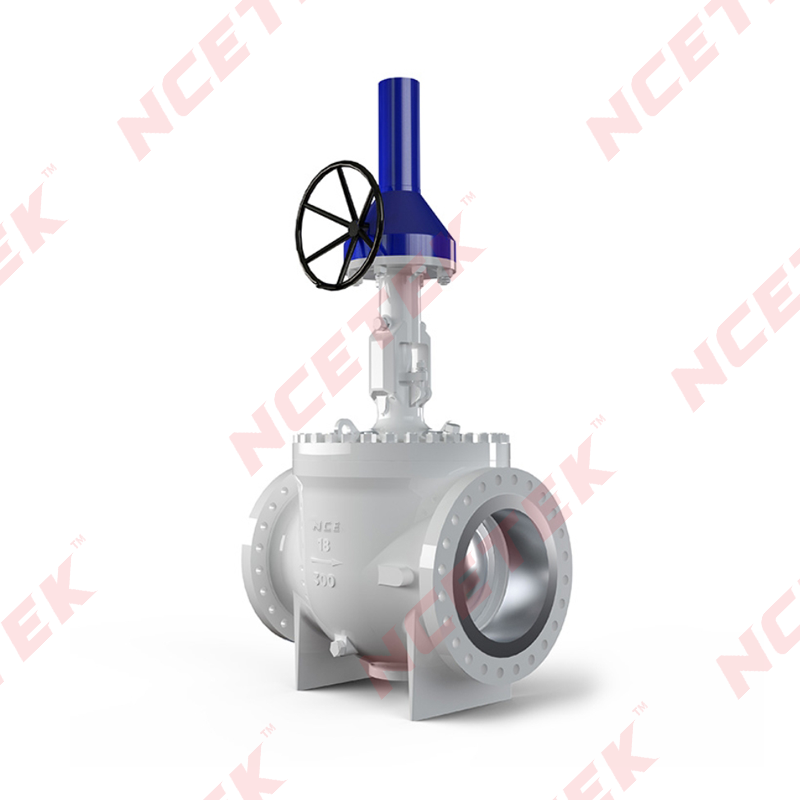
The valve body isn't just a housing. It holds the ball, stem, and sealing components in their working positions and provides the actual connection point to the pipeline. How that body is shaped affects how much room the ball has to rotate and whether the flow path stays consistent once the valve settles into position.
Connection design carries its own weight here. A flanged connection joins the valve to the pipeline using matching flange faces and bolts. Get that alignment slightly off during installation — a common issue on retrofit jobs where old pipework doesn't quite match new equipment — and mechanical stress builds up around the joint. That stress can affect sealing later and complicate maintenance down the road.
A Flanged Floating Ball Valve manages flow through the rotating ball, but the ball itself isn't locked rigidly in place. It floats slightly, which lets pipeline pressure push it against the sealing surface on the downstream side.
Open position gives the fluid a fairly direct path through the ball's passage. As someone turns the handle or actuator, that passage rotates away from alignment with the pipe. Fully closed, the solid part of the ball sits across the opening and stops flow.
The flange itself doesn't touch the ball or influence its rotation directly. Its job is holding the valve steady against the pipeline — think of it as the anchor point rather than a moving part. A connection that's properly fitted keeps the valve from shifting out of position over time, which matters especially in systems that experience vibration or thermal expansion, like piping runs near industrial equipment that cycles between hot and cold.
Everything downstream of installation depends on how the ball, stem, seals, and body interact. Deposits building up inside, wear on the seal surface, or stress transferred from a misaligned pipeline connection can all make the ball harder to turn or seal properly.
The floating design means the ball responds to whatever pressure the fluid is exerting. Under pressure, the ball nudges slightly toward the downstream seal, and that contact is what actually blocks fluid from passing through a closed valve.
A handful of conditions shape how well that sealing works:
A valve kept clean and properly aligned lets the ball turn without extra resistance fighting against it. Once deposits build up — common in systems handling fluids with suspended particles, like certain wastewater or slurry applications — the contact between ball and seal changes. Repeated open‑close cycles wear on these surfaces gradually too, the same way a door hinge loosens after years of use.
Sealing performance on a Flanged Floating Ball Valve ties back to both what's happening inside the valve and how it sits relative to the pipeline outside. A seal in good condition still won't compensate for a valve pulled out of alignment by an improperly torqued flange connection.
The same valve model can behave differently depending on pressure, temperature, what's flowing through it, and how well it's been maintained.
| Factor | Possible Influence on Flow Control |
|---|---|
| Valve position | Changes how much of the flow passage is open |
| Pressure difference | Affects forces on the ball and seals |
| Fluid condition | Can influence movement and internal surface wear |
| Seal condition | Affects how well the valve shuts off flow |
| Pipeline alignment | Can add mechanical stress to the valve |
| Internal cleanliness | Helps keep ball rotation smooth |
Valve position sets the baseline — how much of that internal passage lines up with the pipe determines flow volume at that moment. Pressure differences push against the ball and seals from either side, shaping how tightly they contact. Fluids carrying particles, whether that's a chemical process stream or something as ordinary as untreated water, can wear internal surfaces or catch in the passage and interfere with smooth rotation.
Pipeline alignment deserves attention that sometimes gets skipped during installation, especially on retrofit projects where a new valve gets bolted into an older system. Uneven forces from a poorly matched connection place ongoing stress on the valve body, and that stress doesn't always show up immediately — it can surface months later as leakage or stiff operation.
Flow control on a Flanged Floating Ball Valve comes down to more than the ball spinning inside. The body, seals, stem, flange connection, and the pipeline it's bolted to all play a part in how the valve responds every time someone opens or closes it.
A flanged connection joins the valve to the pipeline, but its job isn't to shape the flow path — that's the ball's role entirely. What flange quality does affect is how the valve behaves once everything's bolted together and pressurized.
Getting the two flange faces properly aligned during installation matters more than it might seem at first glance. Anyone who's tightened mismatched flanges on a plumbing job knows the feeling — bolt holes that don't quite line up, forcing the pipe slightly out of true. On a pipeline, that same misalignment transfers stress into the valve body. Under pressure, that stress can interfere with ball movement or throw off sealing contact right when the valve needs to shut off flow cleanly.
Gaskets sit between the flange faces and fill the small gaps that would otherwise let fluid seep out. Fasteners around the connection need tightening in sequence, working around the bolt pattern rather than cranking one side down first — a technique familiar to anyone who's changed a car wheel and knows uneven lug nut tightening warps the rotor. Skipping that balanced approach concentrates pressure unevenly around the joint.
One practical advantage of flanged designs shows up during maintenance. The valve can be unbolted and pulled from the line without cutting into the pipe itself, which saves time on repair jobs and avoids the mess of welding a replacement section back in. Leaving reasonable clearance around the flange when installing also makes future inspection less of a wrestling match with nearby equipment.
The materials chosen for a valve decide how it holds up against whatever's flowing through the pipe day after day. The body needs to keep its shape under pipeline pressure, while the ball and seals need to withstand contact and movement repeated thousands of times over the valve's working life.
Fluid type shifts these requirements considerably. A valve handling clean process water faces a fairly gentle environment. One handling slurry, corrosive chemicals, or fluid running at swinging temperatures — think of a valve in a chemical plant cycling between batch processes — needs materials that won't degrade or react with what's passing through.
Ball surface condition connects directly to how smoothly the valve operates. A ball that's picked up scratches, deposits, or pitting turns with more resistance, similar to a rusty door hinge that used to swing freely. Sealing material needs equal attention, since wear or degradation there changes how firmly the ball presses against the seal when closed.
For a floating ball valve manufacturer, body, ball, seal, and connection materials need evaluating together rather than picked off a list independently. A mismatch — say, a seal material that reacts poorly with a particular fluid even though the body material holds up fine — can undercut the whole valve's reliability.
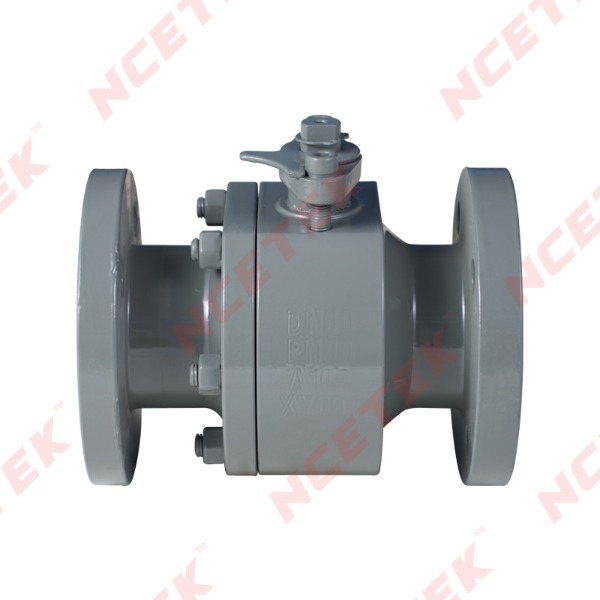
Designing a functional valve means treating flow passage, ball movement, sealing contact, and pipeline connection as pieces of one system rather than separate design tasks tackled in isolation.
The internal passage has to give fluid a workable route while still leaving the ball enough clearance to rotate freely. The stem carries movement from the actuator or handle down to the ball, and any unnecessary friction there makes operation stiffer over time. Sealing components need to stay properly seated through repeated open‑close cycles, not just when the valve is brand new off the assembly line.
Flange dimensions have to match the pipeline they're bolted to — a mismatch here, even a small one, creates installation headaches and can strain the valve body once fasteners go on. Leaving room around the stem and flange for future maintenance work pays off later, avoiding situations where a technician can barely reach the bolts.
Application conditions shape design choices further. A valve cycling open and closed frequently in an automated system wears differently than one that mostly stays in one position for months. Fluids carrying particles or corrosive elements push material compatibility and internal cleanliness higher on the priority list.
A valve that's suddenly harder to turn is telling you something — deposits building up inside, mechanical resistance developing, or stress transferred from a connection that's shifted slightly since installation.
Starting an inspection at the flange connection makes practical sense since it's the most visible and accessible point. Signs worth checking include leakage marks, fasteners that have loosened over time, gasket damage, or corrosion creeping in around the joint. The valve body and stem deserve a visual check too, watching for anything that looks different from normal operating condition.
Internal wear is harder to spot directly, but changes in how the valve behaves offer clues:
Designing the valve with inspection access in mind — reasonable clearance around connections and moving parts — makes these routine checks less of a chore during scheduled maintenance windows.
Maintenance approach should track the operating environment rather than follow a one‑size routine. Fluids prone to leaving deposits call for more frequent cleaning; connections in vibration‑prone settings need more frequent bolt checks. For a Flanged Floating Ball Valve, these ongoing observations are what keep ball movement, sealing, and pipeline flow working together the way they're supposed to.
 nce@cnnsv.com
 +86-15727968392 / +86-15397375798
 +86-577-67091815
 +86-577-67091815
 Dongou Industrial Zone, Oubei Street, Yongjia County, Wenzhou City, Zhejiang Province, China


Contact Us