
 русский
 简体中文
简体中文

An underground valve operates in an environment that is quite different from equipment installed in an accessible plant area. Once the pipeline and valve are covered by soil or other surrounding material, direct inspection becomes difficult. Routine checks may focus on the operating mechanism and visible pipe sections, while the valve body, connections, and sealing areas remain hidden.
Moisture is one of the main environmental concerns. Soil can retain water around metal surfaces, while changes in temperature can create different moisture conditions around the buried pipeline. Drainage, soil composition, and the condition of external protective surfaces can all influence how the valve ages.
Limited access also affects maintenance. A problem that could be identified quickly on an exposed valve may remain unnoticed when the equipment is underground. Signs of trouble may instead appear through changes in operation, pressure behavior, or leakage around accessible sections.
Several conditions can make inspection more difficult:
The operating condition of the pipeline also provides useful information. A valve that becomes difficult to turn, does not fully open, or shows signs of leakage may require attention even when the external structure appears intact.
Regular operation and inspection can help identify changes before they develop into larger maintenance problems. The inspection approach needs to account for the installation environment rather than relying only on visual checks.
An Underground Ball Valve may become difficult to open when its internal or external moving parts are affected by corrosion, deposits, lack of operation, or mechanical stress. Since the valve is installed below ground, identifying the exact cause can require several checks.
Long periods without operation can contribute to increased resistance. Moving components may lose their freedom of movement, while dirt or corrosion products can accumulate around exposed operating sections. When an operating mechanism is connected to the buried valve through an extension, problems can also occur at the connection between the two parts.
Internal conditions can create another source of resistance. Particles carried by the pipeline may reach the valve and settle around the internal surfaces. If the valve remains in one position for a long period, deposits may interfere with the movement of the ball.
Pipeline pressure can also influence operation. A difference in pressure across the valve may increase the force required to move the internal component. The operating condition needs to be considered before assuming that mechanical failure has occurred.
For an underground valve that does not open as expected, inspection can focus on:
Forcing the operating mechanism can create additional damage. Excessive force may affect the stem, connection points, or internal sealing components. A gradual inspection process is more appropriate when the reason for the increased resistance is unclear.
The problem can also be related to installation. Misalignment or external loading from the surrounding pipeline may place stress on the valve body or connected pipe. Such conditions can make normal operation more difficult even when the internal mechanism has not failed.
Sealing leakage can occur when the surfaces responsible for controlling fluid movement no longer maintain suitable contact. In an underground installation, identifying leakage may take longer because the sealing area cannot normally be observed directly.
Internal leakage occurs when fluid passes through the closed valve. External leakage involves fluid escaping around the valve body, stem area, or connected sections. The two conditions have different causes and require different inspection approaches.
| Problem Area | Possible Condition | Inspection Focus |
|---|---|---|
| Internal sealing area | Wear, deposits, surface damage | Valve closing condition and pressure behavior |
| Stem area | Seal deterioration or stem damage | Operating shaft and accessible connections |
| Pipe connection | Joint or installation issue | Connection area and surrounding ground |
| Valve body | Corrosion or structural damage | External condition and leakage signs |
The internal sealing surfaces can be affected by particles in the pipeline. Small contaminants may become trapped between the ball and sealing components, preventing full contact. Repeated operation under contaminated conditions can also affect the surface condition.
Corrosion presents another concern. If moisture reaches vulnerable metal surfaces, corrosion can gradually change the shape or condition of sealing‑related components. External corrosion may also affect connected areas and create paths for leakage.
Pipeline movement can contribute to sealing problems as well. Thermal movement, settlement, or mechanical loading may place stress on the valve and its connections. A valve that was originally installed in a suitable position can experience different forces after the surrounding pipeline or soil conditions change.
Leakage does not always indicate the same type of failure. The location, timing, and operating condition associated with the leakage can provide useful clues during inspection.
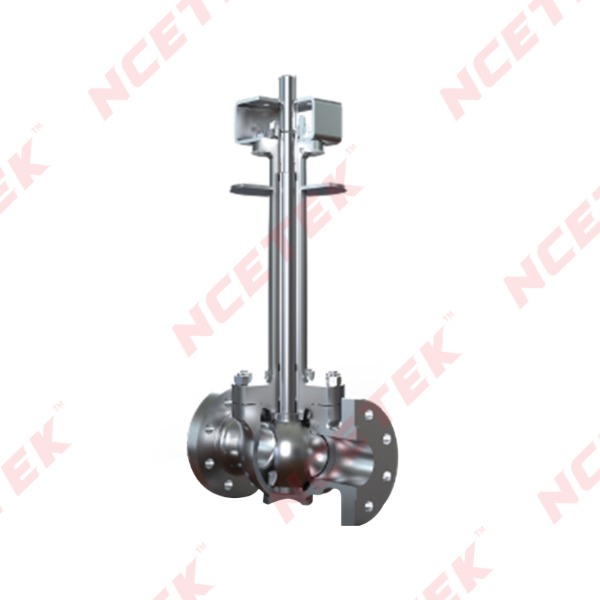
Operating resistance can develop gradually. A valve may work normally during one inspection and become harder to operate after a long period without movement. Corrosion, deposits, changes in lubrication, and mechanical wear can all contribute.
The operating mechanism deserves attention because the force applied at the surface needs to reach the buried valve through connected components. A damaged or corroded operating shaft can increase resistance even when the valve body itself remains functional.
Lubrication condition can also affect moving parts. Where lubrication is required by the valve design, deterioration or contamination can increase friction around the operating components.
Several signs can help distinguish different sources of difficulty:
A change in operating force should not automatically be treated as an internal valve problem. The surrounding pipeline, operating mechanism, and connection points can all contribute to the condition.
For an Underground Ball Valve, restricted access makes gradual changes particularly important. A small operating abnormality may provide an opportunity for inspection before a valve becomes completely immovable.
Corrosion is a common concern for buried metal equipment because the surrounding soil can remain damp for long periods. Moisture does not act alone. Soil composition, drainage conditions, oxygen exposure, and the condition of protective surfaces can all affect the rate and location of corrosion.
External corrosion may begin around exposed metal sections, connection areas, fasteners, or damaged protective surfaces. Once the surface protection is disturbed, moisture can reach the underlying metal. Continued exposure may gradually reduce the condition of the affected area.
The valve body is not the only part that requires attention. Other vulnerable areas can include:
Corrosion around the stem can increase operating resistance. Damage around a connection can create a path for external leakage. Corrosion near a welded section may also require closer inspection because the affected area can be difficult to observe after the pipeline has been buried.
Soil movement creates another concern. Changes around the buried pipeline can expose previously protected surfaces or place additional mechanical stress on connections. Water may also collect around low points when drainage is inadequate.
Protective treatment can reduce direct contact between metal surfaces and the surrounding environment, but the condition of the protection needs to be checked where access is possible. Scratches, cracks, damaged coating, and exposed metal can provide starting points for corrosion.
Corrosion assessment is therefore linked to both the valve and its installation environment. Looking only at the visible operating mechanism may not provide enough information about the condition of the buried structure.
The valve stem transfers movement from the operating mechanism to the internal ball. Its condition directly affects opening and closing. When the stem becomes damaged, corroded, bent, or restricted, the operating mechanism may become difficult to turn.
A stem problem can develop from several sources. Corrosion may affect the exposed section or the area around the stem seal. Mechanical loading from the pipeline can also place stress on the valve structure. Improper operation can create additional force at the stem or its connection.
A damaged stem may show different symptoms depending on the location and type of problem. For example, increased operating resistance can occur when corrosion affects the stem surface, while leakage around the stem can indicate deterioration in the sealing area.
Inspection can focus on:
The underground location makes stem replacement or repair more complicated. Excavation may be necessary before the valve body and stem area can be reached. Additional work may also be required when surrounding soil or pipeline supports limit access.
A stem problem can also be connected with another fault. For example, internal resistance may increase the force transferred through the stem, while a corroded connection can make a normally functioning valve appear difficult to operate.
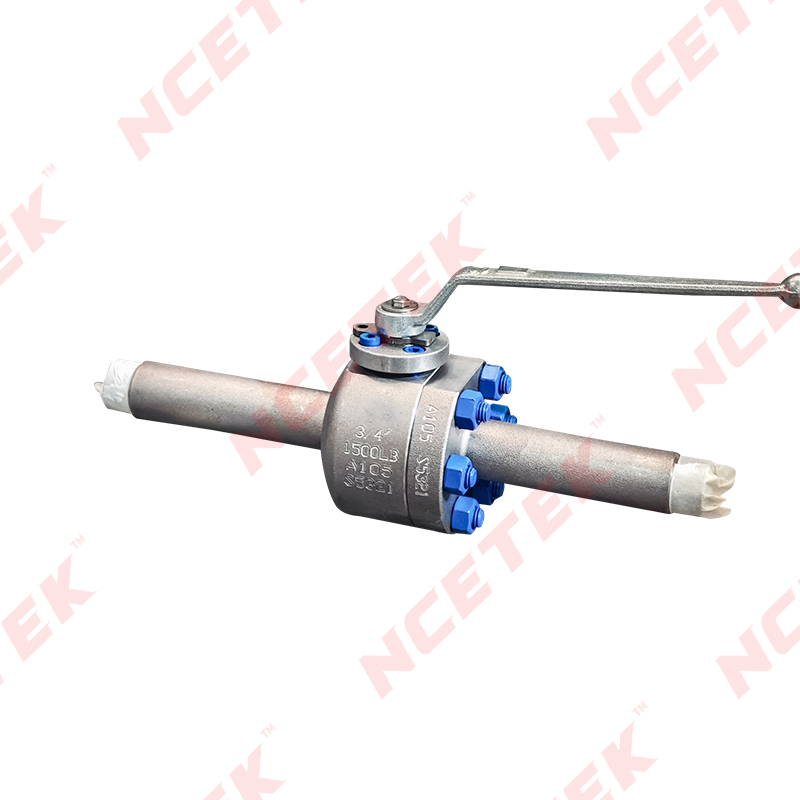
A Full Welded Ball Valve has a welded connection between the valve body and the pipeline rather than relying on removable flanged connections at the main body. This arrangement can reduce the number of external connection points, but it also changes how inspection and repair are approached.
The welded structure forms part of the continuous pipeline installation. Once buried, the valve and connected pipe become difficult to access without excavation. A problem inside the valve may consequently require a different maintenance process from a valve installed with easily removable connections.
The quality of the welding work is important to structural integrity. Uneven welding, surface damage, or unsuitable installation conditions can affect the connection area. Inspection needs to consider both the valve body and the surrounding pipe because the welded joint functions as part of the complete system.
Several maintenance considerations are relevant:
A welded structure can be practical for buried pipeline layouts, but repair planning needs to account for its permanent connection with the surrounding pipe. Internal problems may require inspection methods that do not depend on removing the valve from the pipeline.
The distinction between connection design and internal valve condition is important. A welded joint can remain intact while the internal sealing or operating components develop a problem. Conversely, an external issue around the joint can occur without a failure of the internal mechanism.
Inspection of buried valves usually combines accessible checks with information from pipeline operation. Since the valve body is hidden, operating changes and external signs can provide useful clues.
The operating mechanism can be checked for unusual resistance, irregular movement, or difficulty reaching the intended position. Any change from normal operation deserves attention, particularly when the valve has previously moved without difficulty.
Leakage checks should consider both the valve area and nearby pipeline sections. Moisture or unusual ground conditions around an underground installation can indicate a possible leak, although environmental water can produce similar signs. Additional inspection is needed before identifying the source.
External corrosion can be assessed around accessible components and exposed sections. Particular attention can be given to:
When an Underground Ball Valve becomes difficult to operate, inspection should not focus on the valve alone. The operating mechanism, pipeline condition, connection points, and surrounding environment can all contribute to the observed problem.
Maintenance work also needs suitable preparation because underground access may involve excavation and restricted working space. The valve may need to be isolated before inspection or repair, depending on the pipeline arrangement and operating conditions.
A consistent inspection approach makes it easier to compare the valve's current condition with earlier observations. Changes in operating resistance, leakage signs, corrosion, or stem movement can help identify areas that require closer examination.
 nce@cnnsv.com
 +86-15727968392 / +86-15397375798
 +86-577-67091815
 +86-577-67091815
 Dongou Industrial Zone, Oubei Street, Yongjia County, Wenzhou City, Zhejiang Province, China


Contact Us