
 русский
 简体中文
简体中文

Valves do a lot of quiet work in pipes, tanks, reactors, pumps, compressors, and entire process lines. They open and close to start or stop flow, adjust rates to match demand, prevent reverse movement, relieve pressure when things get too high, or isolate sections during maintenance.
For a great many installations — water treatment plants, steam lines, air compressors, fuel distribution, basic chemical blending — a valve ordered from a printed catalog or online listing meets every requirement without complaint. Delivery arrives in days or a couple of weeks, the price stays predictable, and the performance matches what the data sheet describes.
Yet plenty of projects carry one or several conditions that sit outside those familiar boundaries. When that occurs, continuing to force a standard model into service can lead to shortened life, frequent packing adjustments, seat leakage that grows over months, actuators that struggle, noise or vibration complaints, failed inspections, or unplanned downtime during startup. At that point, it usually makes sense to consider a valve built for the actual application rather than adapting the application around the valve.
Knowing When Standard Valve May Not Fit Project Needs
Standard valves exist because most applications share similar pressure classes, temperature bands, connection types, media characteristics, and installation arrangements. Manufacturers produce them in volume, test them against widely accepted codes, and keep them in stock or on short lead times. That system works smoothly until project details begin to differ from the average case.
The following circumstances often push engineers and buyers to look beyond catalog pages. If more than two or three apply at once, the chance of satisfactory long-term service from a ready-made valve decreases noticeably:
Short checklist for evaluation:
Answering yes to several items usually justifies exploring a custom quotation.
What to Know About the Custom Valve Process
Moving to a made-to-order valve involves a more detailed sequence than selecting a stock item. Each phase requires input from both customer and manufacturer. Smooth communication helps keep timelines and costs predictable.
Design Process as a Communication Step
The process starts with a detailed discussion of the application. You provide information about:
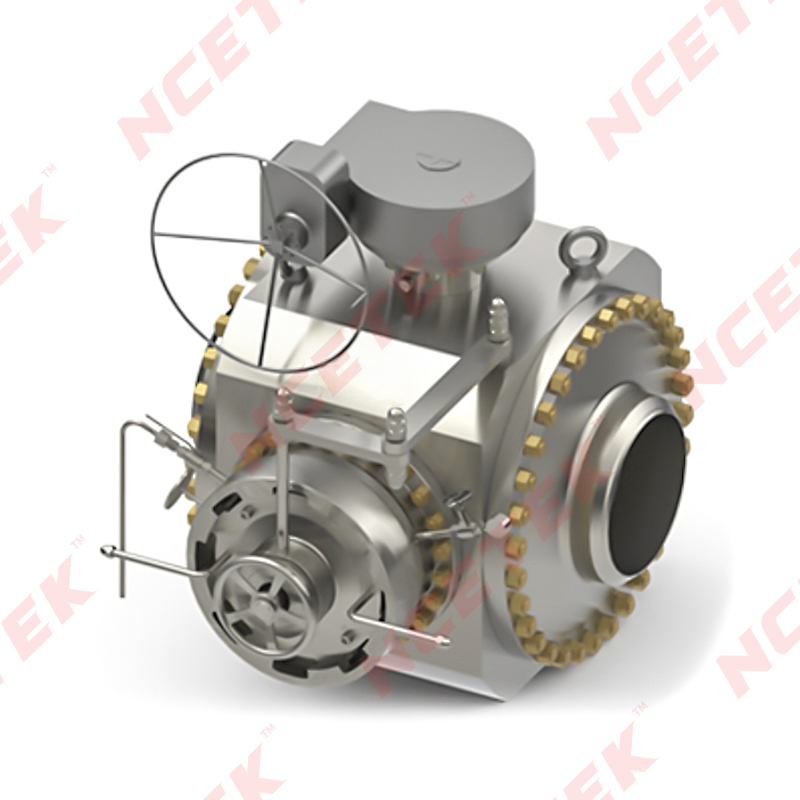
Engineers respond with one or more concept sketches — body configurations, port arrangements, trim styles, or actuator placements. Drawings or basic 3D views help you visualize the valve in the line and its clearance from nearby equipment. Comments such as shortening the end-to-end length, rotating the handwheel, adjusting bonnet height, or changing connections are part of normal iterative cycles.
Once the arrangement is finalized, a prototype drawing or part may be provided to confirm fit and accessibility. Final approval of the general arrangement drawing and materials list locks the design before production.
Material Selection as a Decision Discussion
Attention then shifts to choosing alloys, seat compounds, seals, packing, and coatings. Manufacturers offer options based on fluid, temperature, pressure, and cycle life. You provide past plant experience, corrosion observations, internal guidelines, or regulatory constraints.
Trade-offs may include:
Samples, corrosion-test data, or short-term exposure coupons help narrow selections. The aim is durability without unnecessary cost on exotic grades.
Production as a Coordinated Stage
With approvals complete, fabrication begins. Lead times vary depending on castings, forgings, machining complexity, and workload. Smaller all-machined valves move faster; large castings or specialized treatments take longer.
You usually receive updates on:
Photos or inspection reports confirm progress. Deviations, such as delayed delivery or minor drawing clarifications, are communicated with proposed solutions and schedule impact.
Quality Control as an Expectation
Inspection and testing occur throughout the build. Common steps include:
Deviations are documented and corrected before moving forward. Customer-witness hold points or third-party inspections can be included. Final documentation, including test records, material certificates, weld maps, and as-built drawings, accompanies the valve.
A well-managed custom valve project results in a component that fits the application closely, reduces early field problems, and avoids the indirect costs of living with a marginal fit. Providing thorough application details upfront, responding promptly during reviews, and maintaining realistic expectations about lead times and revisions makes the process far more straightforward.
In the Market for a Valve Custom Factory ?
Get in touch with us today and try to be a match.
 nce@cnnsv.com
 +86-15727968392 / +86-15397375798
 +86-577-67091815
 +86-577-67091815
 Dongou Industrial Zone, Oubei Street, Yongjia County, Wenzhou City, Zhejiang Province, China


Contact Us