
 русский
 简体中文
简体中文

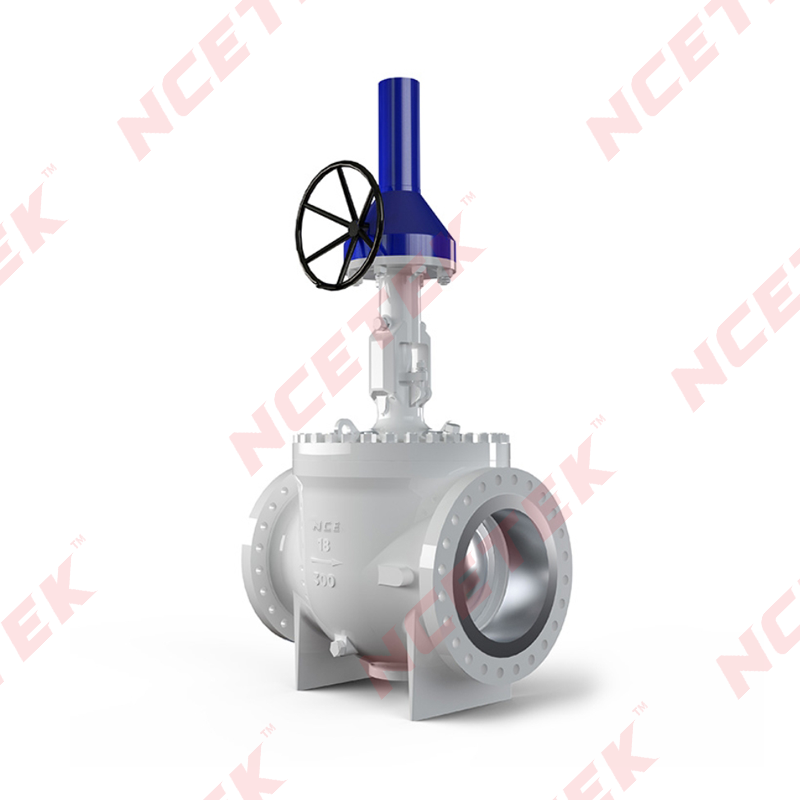
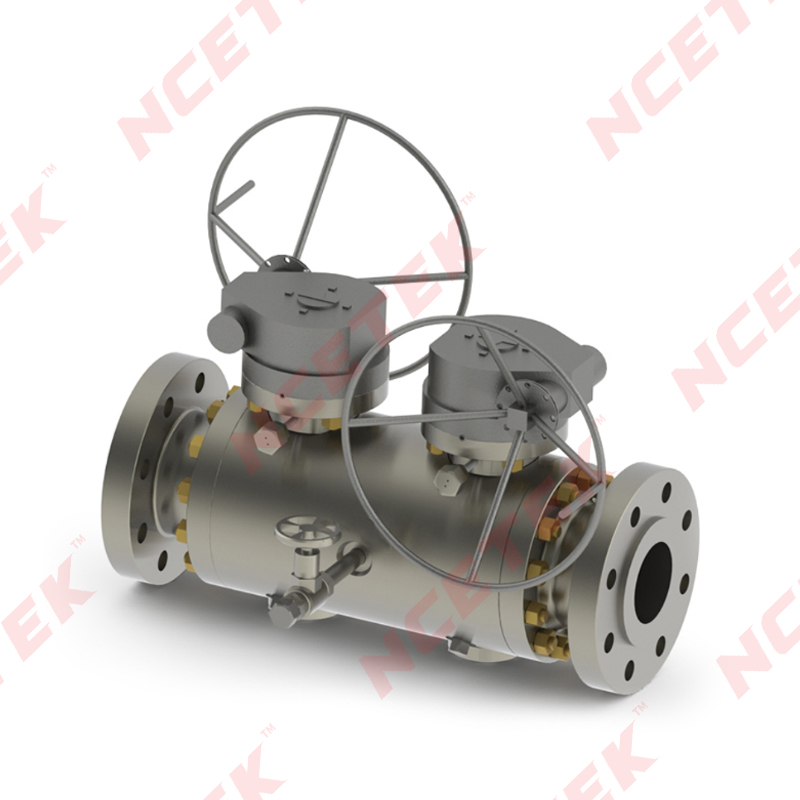
When you are dealing with pipelines or industrial systems that handle liquids and gases, trunnion mounted ball valves are something you can't just pick randomly. These valves have a specific way of working—the ball is supported at both ends—which makes them reliable under high pressure and large flows. But the point is, even if a valve is well designed, if the factory that manufactures it cuts corners or lacks experience, it can cause a lot of trouble.
So, choosing a factory doesn't just depend on the lowest price. It's a question of finding someone who understands the product, takes quality seriously, and who can help you if things don't work out as planned. It's easy to miss out on technical support or sourcing until it's too late, so it's worth it to be thorough.
Know What You Are Buying
Before contacting any vendor, you should know the difference between the trunnions. Unlike floating ball valves, where the ball moves and is pushed against the seat by fluid pressure, trunnion mounted designs hold the ball in place with bearings. This reduces the working torque and protects the seals from excessive wear. It's subtle, but it changes how the valve behaves in high pressure systems.
Knowing this helps when you're talking to suppliers. You'll be able to explain exactly what your system needs, and a good factory will listen and respond in kind. If they don't understand the difference, that's already a red flag.
Look Beyond the Price
It's tempting to choose the least expensive plant, but in this situation, you usually get what you want. Lower prices could conceal poor quality or delays. Instead, think about what you're getting: the reliability of production, the sourcing of materials, and the post-sales support. Some factories can handle large quantities quickly, but if each valve needs to be adjusted or repaired, the cost of time and effort will be greater than the cost of a slightly higher unit price.
Observe Production Practices
See the factory in action, if possible. You do not have to be an expert on each machine, but pay attention to how the workspace is organized, how the employees deal with the components, and if the process appears to be structured. Factories that pay attention to detail tend to make fewer mistakes.
Ask questions about machining, casting, and assembly. Even a casual conversation about how they test the valves can tell you a lot about their approach. Do they check every part? Do they document material batches? Small signs like this reveal a lot more than brochures ever will.
Material Matters
Don't underestimate the importance of materials. The metal used for the valve body should resist corrosion in your system. Seats and seals must suit the fluids you're handling, and bearings should be chosen for durability. If a factory sources cheap materials or doesn't pay attention to consistency, valves might work fine for a few months but fail when stress increases.
Ask where the materials come from and whether they have any verification process. Even just having a story about past materials or batches can indicate a factory that cares about quality.
Technical Support Counts
Even if the valve is perfect, installation and operation can be tricky. A good factory provides guidance: how to install, how to maintain, how to troubleshoot if something goes wrong. I've seen cases where a valve worked flawlessly but failed after installation because the installer didn't follow subtle details. A factory willing to guide you through the process can save a lot of frustration.
Compliance Isn't Optional
Trunnion mounted valves often operate under pressure or with hazardous substances. Ensure that the plant complies with safety and regulations. A certificate is one thing, but the fact that they adhere to rules and procedures tells a lot more about how serious they are. Suppliers that are lax are those you would like to avoid, as safety and performance go hand in hand.
Reputation and Experience
Sometimes the simplest way to judge a factory is to ask about experience. How long have they been making valves? Who else have they supplied? Past projects, even small ones, tell you whether they understand the nuances of your needs. A new factory might be cheaper or faster, but experienced factories have seen problems before and know how to prevent them.
Communication and Flexibility
Good communication is underrated. If it takes days to get an answer, or if answers are vague, you might face bigger delays later. On the other hand, a factory that responds clearly, can discuss materials, and explains their testing and production methods makes the entire process smoother.
Flexibility matters too. Not every project fits neatly into a standard valve size or design. A factory that can adjust or provide alternatives when conditions change is far more valuable than one that insists everything must be "standard."
Domestic vs International
The local plant usually has the advantage of quicker delivery times and easier communication. You can pay them a visit, speak to them personally, and get a close-up look at their production. Overseas factories might be able to offer lower prices, particularly for bulk orders, but shipping, customs, and time zones make the situation more complicated. In any case, it is essential to understand these trade-offs before making commitments.
Long-Term Support
Finally, consider long-term support. Valves need maintenance, sometimes parts wear out, and unexpected issues appear. A factory that can provide spare parts, instructions, or even training for your team is worth its weight in gold. It shows that they invest more in their products than they sell, and that results in fewer headaches for you.
Red Flags
Some warning signs to watch out for:
If you see one or more of these, it's usually better to walk away.
Making the Decision
Choosing a trunnion mounted ball valve factory is as much about judgment as it is about technical specs. Think of it as looking for a partner, not just a contractor. Consider the reliability of production, sourcing of materials, technical support, experience, and communication. Visit the plant if you can, ask questions, and watch how they deal with the details. Taking your time here will help you avoid expensive mistakes later.
The right factory doesn't just deliver valves; it delivers peace of mind. They are familiar with the product, understand the industry, and offer support when necessary. Choosing a plant like this means that your system is running smoothly, safely, and efficiently, with no unexpected disruptions.
 nce@cnnsv.com
 +86-15727968392 / +86-15397375798
 +86-577-67091815
 +86-577-67091815
 Dongou Industrial Zone, Oubei Street, Yongjia County, Wenzhou City, Zhejiang Province, China


Contact Us