
 русский
 简体中文
简体中文

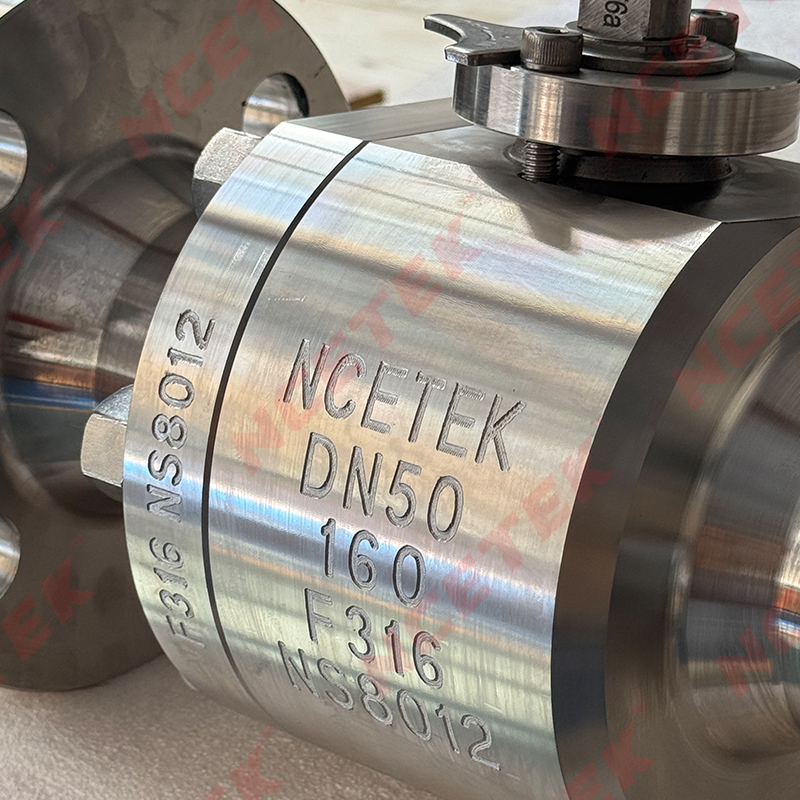
In many industrial workshops, valve production is not something that happens in a single straight line of action. It tends to be a mix of forming, machining, adjusting, and checking, all happening in a continuous flow that feels more like a working rhythm than separated steps.
In some discussions around industrial valve manufacturing, Zhejiang Naishi Valve Co., Ltd. is occasionally mentioned when people talk about how production environments are arranged in practice, especially where different valve types are handled within the same system.
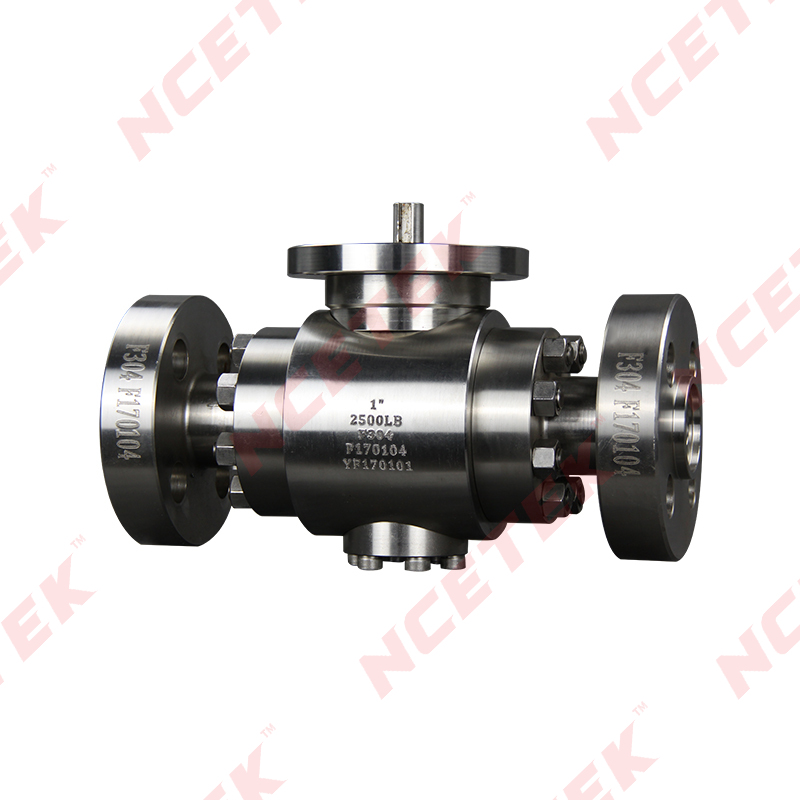
A Ball Valve Factory usually sits inside this kind of environment. It is not just a place where parts are made, but a space where materials slowly move through shaping, cutting, and assembly until they become usable flow control components.
Ball valves are often placed in systems where fluid movement needs to stay controlled without constant adjustment. They are used in pipelines where flow direction may change or where certain sections need to be isolated during operation.
What makes them common is not complexity in appearance, but the way they respond in simple mechanical movement. A small rotation is usually enough to change the state from open to closed, which fits well into environments where operators do not want complicated adjustments during use.
In practical settings, their function usually shows up in a few repeated patterns:
These actions may look simple, but they become important in systems that run continuously.
Inside a Ball Valve Factory, the work does not feel like isolated tasks happening one after another. Instead, materials and components move from one stage to another with only short pauses in between.
At the beginning, raw material is shaped into basic forms. After that, machining processes gradually define internal structure. Later, smaller components are brought together, and sealing parts are fitted into position. Each stage depends on the one before it, so the flow tends to stay connected.
A rough idea of how the process moves can be described like this:
Even though these stages are listed separately, in real environments they often overlap slightly, depending on workflow speed and material readiness.
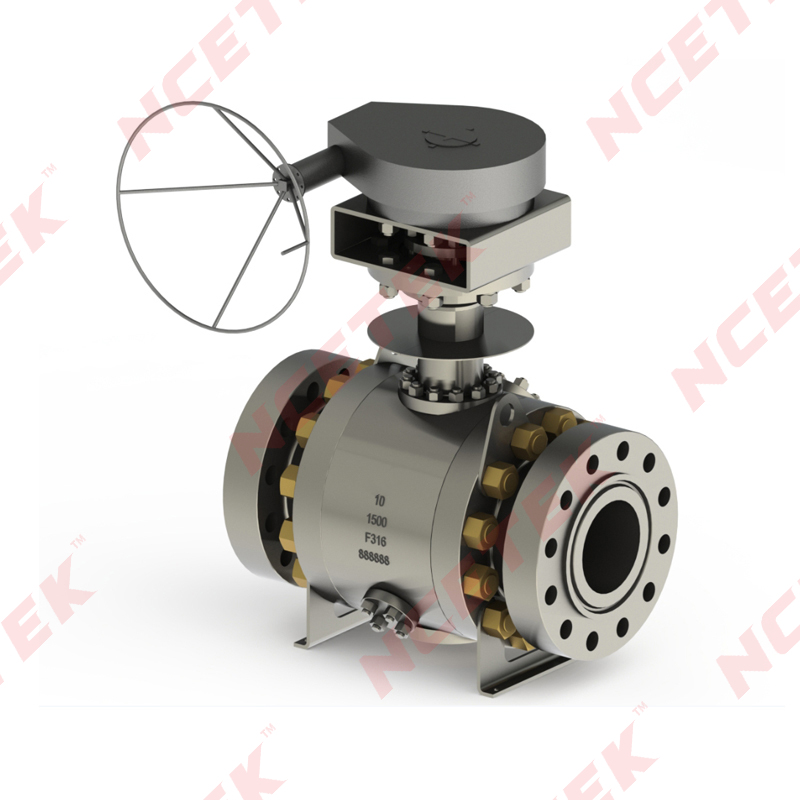
Among different valve designs, the rising stem structure has a noticeable movement pattern. When the valve is operated, the stem moves upward or downward, making the position easier to observe from outside.
In environments handled by a Rising Stem Ball Valve Manufacturer, attention is usually placed on how smoothly this movement happens over repeated cycles. The structure is not only about opening or closing flow, but also about maintaining predictable movement during operation.
The main parts involved often include:
What stands out in real use is the visible motion, which makes it easier to understand how the valve is positioned without opening the system.
Forged steel is used in many valve systems where material stability matters over long periods of use. The forming process changes the internal structure of the material, making it more consistent in density compared to simpler forming methods.
In a Forged Steel Ball Valve Supplier environment, the focus is usually on keeping material behavior steady during repeated processing. Once the material is shaped, it goes through machining and assembly stages where small differences in surface or alignment can still affect final performance.
In real production flow, forged steel components often show:
These characteristics make it suitable for systems that run continuously rather than occasionally.
| Valve type | Movement behavior | General feel during use | Typical condition |
|---|---|---|---|
| Standard ball valve | Simple rotational movement | Straightforward operation | General flow control |
| Rising stem type | Movement visible from outside | More observable position changes | Monitoring-focused systems |
| Forged steel type | Stable internal structure | Steady mechanical response | Continuous use environments |
Inside valve manufacturing environments, material does not sit still for long. Once it enters the system, it gradually moves through different shaping and adjustment stages.
The movement is usually continuous enough that the transition between stages feels natural rather than separated. Even when the process shifts from machining to assembly, there is often a small overlap where components are prepared before fully leaving the previous stage.
What becomes important here is not speed, but how smoothly each stage connects to the next without disrupting alignment or structure.
When looking at valve production systems as a whole, the focus is often not on individual components alone, but on how they behave together during continuous flow.
Movement, alignment, and sealing all interact during different stages of production and later during use. Over time, this interaction becomes part of how the system is understood in practical environments.
At this point, attention usually goes toward small but noticeable things such as:
These observations tend to come from repeated exposure rather than formal description.
When valve systems are actually installed into pipelines, their behavior becomes easier to notice than during production. The differences between structures are not only in design drawings, but in how they respond when fluid starts moving through them.
A Ball Valve Factory usually produces multiple structural variations, and each one tends to show slightly different movement characteristics once it is in use. The environment around the valve also influences how stable its motion feels over time.
In real situations, what operators often notice is not dramatic change, but small variations such as how smoothly the handle moves or how consistently the sealing contact holds during repeated operation.
The rising stem structure becomes more noticeable when it is installed in systems that require visual confirmation of valve position. Since the stem moves upward or downward during operation, it provides a physical indication of whether the valve is open or closed.
In environments associated with a Rising Stem Ball Valve Manufacturer, attention is often placed on how this movement behaves after long periods of repeated use. The structure is simple in principle, but in real operation it depends heavily on alignment and smooth internal contact.
Operators usually observe things like:
These observations are usually made during routine checks rather than formal inspection stages.
Forged steel components behave differently once they are exposed to continuous pressure conditions in pipelines. The internal structure formed during forging tends to respond in a steady way, especially under repeated movement and fluid contact.
A Forged Steel Ball Valve Supplier typically works with systems where durability is less about appearance and more about how the material reacts under long operating cycles.
In practice, forged steel parts often show a consistent feel during operation, especially when valves are used repeatedly in systems that do not stop frequently.
What tends to be observed over time includes:
These patterns are usually slow and only become noticeable after extended operation.
Inside a valve, movement is not just about rotation or stem shifting. It is a combination of small internal interactions happening at the same time. When a valve is opened or closed, multiple parts adjust slightly to allow or block flow.
This internal coordination is often what determines how smooth the operation feels from the outside.
In many cases, the movement can be described as:
Each part works together without being individually visible during operation.
Even though different valve types share the same general function, their behavior during operation can feel quite different depending on structure and material.
| Valve structure | Movement feel | Internal behavior | Usage condition |
|---|---|---|---|
| Standard ball valve | Simple rotation | Direct flow switching | General pipeline systems |
| Rising stem design | Visible stem movement | Combined linear and rotational action | Monitoring-sensitive systems |
| Forged steel type | Stable mechanical response | Dense structural behavior | Continuous operation environments |
Alignment inside valve systems is not only important during installation but also during long-term operation. Small shifts in alignment can affect how smoothly movement occurs, especially when the system runs repeatedly.
Inside production and application environments, alignment is often linked with:
Even minor deviations can gradually influence how the system feels over time.
Valve systems are usually maintained while still in place within pipelines, which means adjustments are often based on observation rather than full disassembly.
Maintenance is not always scheduled in strict cycles. Instead, it tends to follow usage patterns and operational conditions.
Common areas that receive attention include:
These parts tend to reflect usage conditions more clearly than others.
Once installed, valves become part of a larger flow system. Their behavior is influenced not only by their own structure but also by pressure, direction, and movement of the surrounding fluid.
In many industrial environments, what matters is not only whether the valve opens or closes, but how smoothly it responds during those actions.
System response is often observed in terms of:
These responses form part of the daily observation in operational environments.
From manufacturing to real-world use, valve systems pass through several transitions. What begins as shaped material inside a factory becomes a working component inside a flowing system.
Inside a Ball Valve Factory, attention is placed on forming and assembly behavior. Outside, attention shifts toward movement, sealing, and response under pressure.
The connection between these two environments is not immediate but gradual, and small differences in production can sometimes appear only after long-term use.
Across different types of valve structures, the overall pattern remains connected through movement, alignment, and flow control. Whether it is a standard ball valve, a rising stem structure, or forged steel design, each one participates in the same general cycle of controlling fluid movement inside industrial systems.
In broader supply networks, the Ball Valve Factory acts as a central point where different designs are shaped and prepared before entering application environments. Alongside specialized roles such as Rising Stem Ball Valve Manufacturer and Forged Steel Ball Valve Supplier, the system forms a layered structure that supports different industrial needs.
Over time, these components become part of continuous flow systems where movement is constant, and small mechanical interactions define how smoothly the entire network operates.
 nce@cnnsv.com
 +86-15727968392 / +86-15397375798
 +86-577-67091815
 +86-577-67091815
 Dongou Industrial Zone, Oubei Street, Yongjia County, Wenzhou City, Zhejiang Province, China


Contact Us