
 русский
 简体中文
简体中文

In many industrial pipelines, the job of a valve is simple in idea but important in practice. It must allow fluid to pass when needed and stop it when required. One common tool for this is the ball valve. Among different types, the metal seat ball valve is used when working conditions are not gentle on ordinary materials.
A ball valve controls flow by using a round ball with a hole through the center. When the hole is in line with the pipe, fluid can move through. When the ball turns and the hole is across the pipe, the flow is blocked. This turning motion is quick and easy, which is why ball valves are widely used.
The main difference in a metal seat ball valve is found where sealing happens. Instead of using soft materials like plastic or rubber, both the ball and the seat are made of metal. The seal is created when these two metal surfaces touch each other closely.
Basic Parts and Their Roles
A metal seat ball valve is made of several main parts.
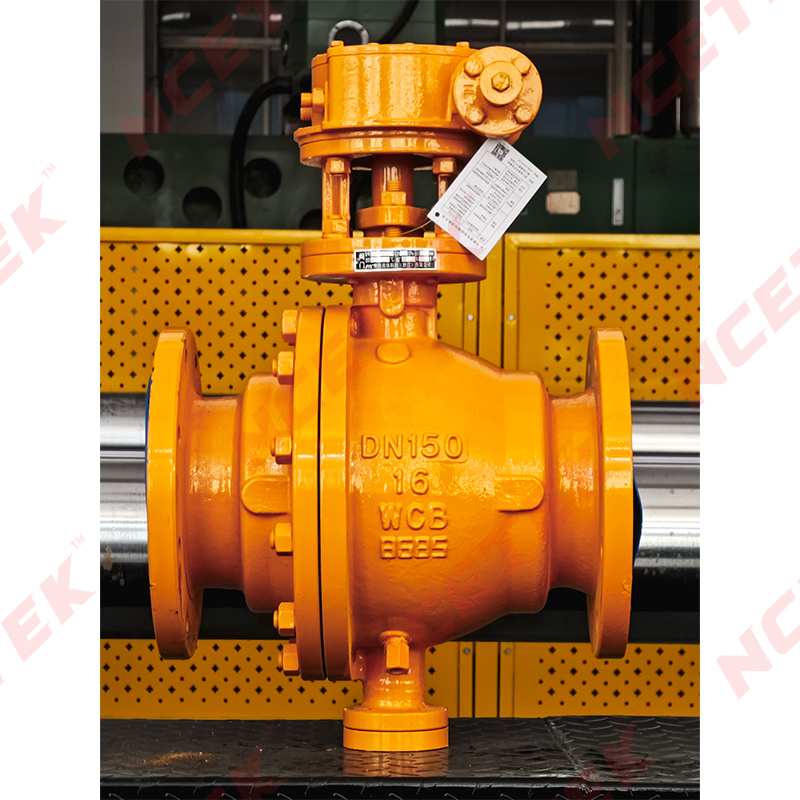
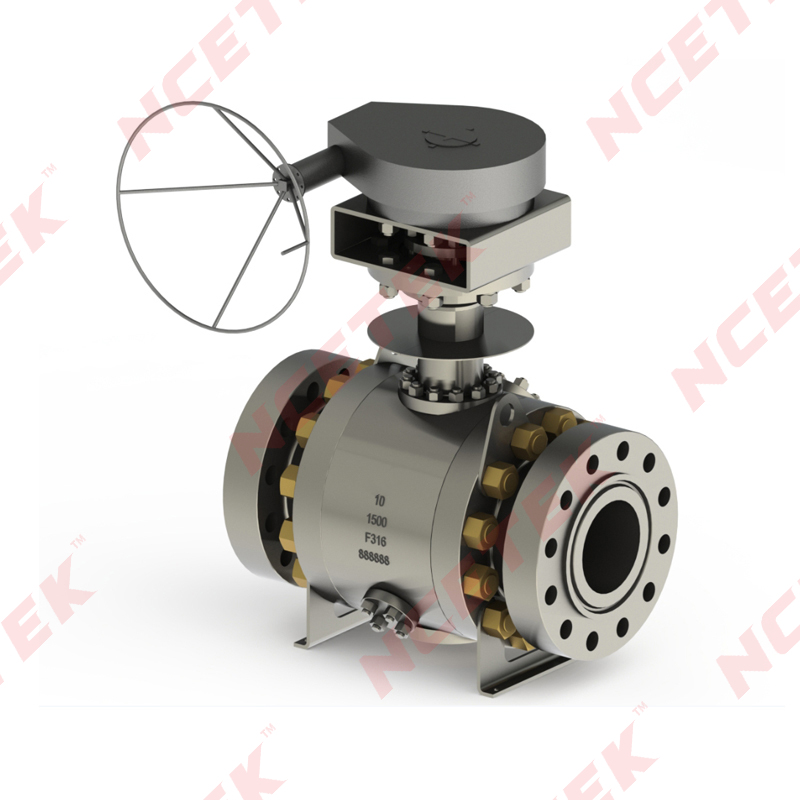
The body is the outer shell that connects to the pipeline. Inside it sits the ball, which is the part that actually opens or closes the flow path. Around the ball are the seats, which form the sealing surfaces. The stem links the ball to the handle or to an automatic control unit. Packing and rings are placed around the stem to stop leaks from escaping to the outside.
When the handle is turned, the stem rotates the ball. The ball moves smoothly between open and closed positions. The metal seat is shaped so that it touches the ball evenly. This careful fit is what keeps fluid from leaking when the valve is shut.
Because metal does not bend like rubber, the accuracy of shape and surface finish is very important.
By looking at its features and common uses, it becomes easier to see where it makes sense to use it and where other types may be more suitable.
Main Structural Characteristics
One clear feature of this valve is the metal to metal contact between the ball and the seat. Unlike soft sealing designs, there is no flexible layer to fill small gaps. The sealing depends on how well the metal surfaces are shaped and finished.
This brings several results:
Because of this, metal seat ball valves are usually produced with attention to machining accuracy and surface treatment.
Another characteristic is the way the seat is supported. Some designs use springs behind the seat, while others use pressure from the fluid to help sealing. In both cases, the idea is to keep steady contact between the ball and the seat even when temperature or pressure changes.
Key Functional Features
The working behavior of a metal seat ball valve is shaped by its design. Several functional traits can be seen in daily operation.
Resistance to heat
Metal does not lose its form easily when exposed to high temperature. This makes the valve suitable for lines carrying hot fluids or steam. While other materials may soften or change shape, metal keeps its structure more stable.
Tolerance to rough media
In some pipelines, the fluid is not clean. It may contain sand, ash, or small solid pieces. Soft materials can be scratched or cut by these particles. Metal surfaces, especially when treated or hardened, can handle this type of wear more steadily.
Stable sealing under change
In many systems, temperature and pressure do not stay the same all the time. They rise and fall as machines start and stop. Metal seat designs, especially those with spring or pressure assisted seats, can adjust to these changes and keep contact between sealing surfaces.
Longer service in hard conditions
When working in rough environments, metal seats often last longer than soft ones. This does not mean they never wear out, but the speed of wear is usually slower when facing heat or rough fluids.
Common Design Variations
Metal seat ball valves are made in several structural forms. Each form has its own use.
Floating ball type
In this design, the ball is held in place by the seats. It can move slightly when pressure builds. This movement pushes the ball toward one seat and improves sealing on that side.
Fixed ball type
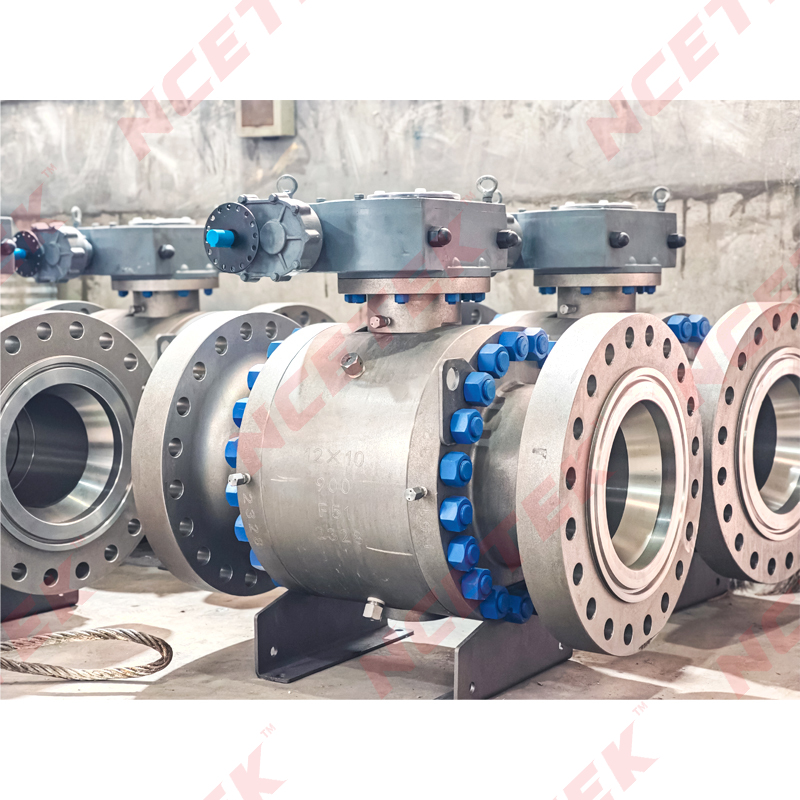
Also called trunnion type, this design holds the ball with shafts at the top and bottom. The ball does not move under pressure. Instead, the seats move slightly toward the ball. This reduces force on the sealing surfaces and makes operation easier in larger valves.
Top entry and side entry
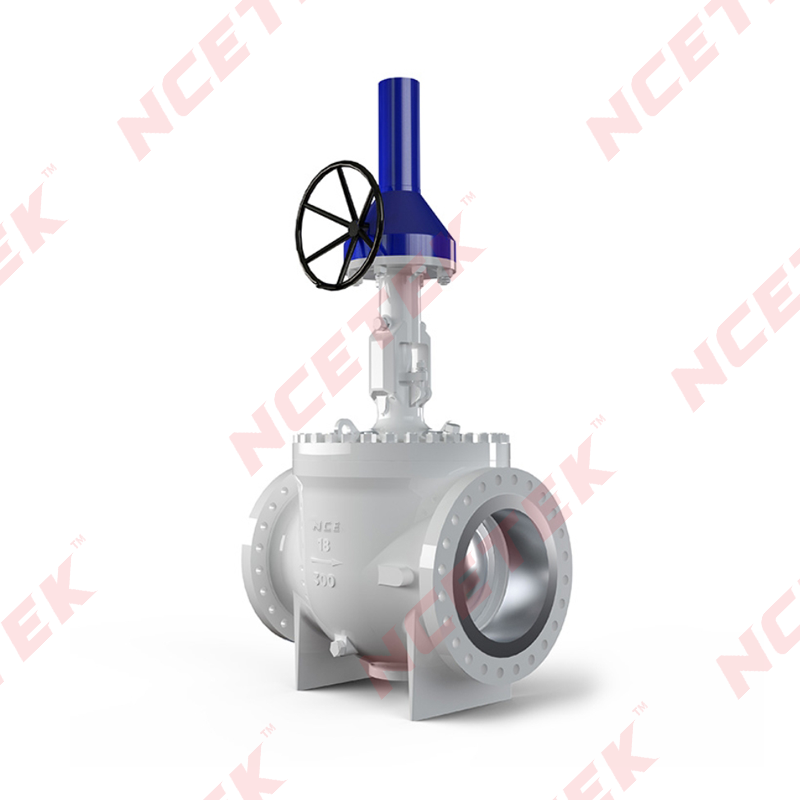
Some valves can be opened from the top for inspection or repair. This is helpful in systems where removing the whole valve from the pipe is difficult. Side entry designs are more common in standard pipelines and are easier to produce in large numbers.
Seat movement styles
Some seats are fixed. Others are movable with springs or pressure action. Movable seats help the valve adjust to changes in working conditions.
Surface Treatment and Wear Control
Metal to metal contact can cause wear if not handled well. For this reason, many metal seat ball valves use surface treatment on the ball and seat.
Common methods include:
These methods help reduce friction between parts and slow down wear. They also improve sealing by making surfaces smoother and more even.
The goal is not to make parts never wear out, but to make wear slow and predictable, so maintenance can be planned.
Operational Behavior in Daily Use
From the outside, a metal seat ball valve looks and works much like any other ball valve. It can be turned by hand, gear box, or actuator.
During use, it shows some typical behavior:
If a valve becomes hard to turn, it may mean dirt, damage, or lack of lubrication.
Basic Performance Features
The main performance features of a metal seat ball valve can be grouped as follows:
These features are not meant to replace all other valves. They are meant to solve problems found in specific working conditions.
Applications in Different Industries
Because of its characteristics, this valve type is used in many fields. Each field uses it for slightly different reasons.
Oil and gas industry
In oil and gas pipelines, fluids may be hot, thick, or mixed with particles. Some lines also carry gas with sand. Metal seat ball valves are used because they can handle heat and wear better than soft sealing designs.
Chemical processing
Many chemicals can slowly damage plastic or rubber. Metal alloys are often more stable in contact with such fluids. For this reason, metal seat ball valves are used in lines carrying chemical liquids or gases that are not friendly to soft materials.
Power generation
Power plants use steam, hot water, and other high temperature media. Valves in these lines must keep their shape and sealing ability under heat. Metal seat ball valves are often chosen for main steam lines, hot water loops, and similar systems.
Mining and slurry transport
In mining, fluids often carry sand, rock powder, or other solid pieces. These can cut into soft seats quickly. Metal seats resist this kind of wear more effectively.
Waste and recycling systems
Some waste fluids contain solid particles, chemicals, or both. Valves in such systems face rough service. Metal seat ball valves are used in places where soft materials would fail too fast.
Comparison of Use Scenarios
| Working condition | Reason for using metal seat design |
|---|---|
| High temperature | Metal keeps shape under heat |
| Abrasive fluid | Metal resists scratching |
| Chemical medium | Metal alloys handle corrosion better |
| Frequent operation | Stable structure over time |
| Pressure change | Seat design adjusts to change |
Situations Where It May Not Be Needed
Even though metal seat ball valves have many strong points, they are not needed in every system.
In clean, low temperature, low pressure lines, soft seat valves may be easier to seal and cheaper to maintain. Soft materials provide tight sealing with less need for precision machining.
For example:
In these cases, metal seat designs may not bring extra value.
Installation Environment and Use Planning
When planning to use a metal seat ball valve, engineers look at several factors.
They consider:
These points help decide whether a metal seat design is needed or not.
Using this valve in the right place can reduce repair frequency and improve system stability. Using it in the wrong place may increase cost without real benefit.
Maintenance Behavior in Applications
In applications where metal seat ball valves are used, maintenance usually follows a clear pattern.
Common maintenance actions include:
Because these valves are often used in hard conditions, planned inspection is important. Waiting until failure can cause long shutdowns in large systems.
Some designs allow seat or ball replacement without removing the whole valve from the line. This is helpful in large pipelines or continuous production systems.
Practical Value in Real Work
The real value of a metal seat ball valve is not in its name, but in how it performs in daily work.
It offers:
At the same time, it needs:
When used in the right place, it helps reduce leakage problems and unplanned stops. When used in simple systems, it may not bring extra benefit.
In simple words, the key characteristics of a metal seat ball valve match the needs of hard working environments. Its applications grow wherever heat, pressure change, rough media, or chemical action make soft materials hard to use. Understanding these points helps users place the valve where it truly fits, instead of using it just because it sounds strong.
A metal seat ball valve uses metal surfaces to form the seal. The ball and the seat touch each other directly. Sealing depends on accurate shape and surface quality.
A soft seat ball valve uses a flexible material such as plastic or rubber as the seat. When the ball presses against it, the soft material fills small gaps and forms a tight seal.
These two sealing ideas lead to very different behavior in use.
Sealing Method and Daily Performance
Soft seats seal by flexibility. When the ball touches the soft seat, the seat changes shape slightly and wraps around the ball surface. This makes sealing easy, even if surfaces are not perfectly smooth.
Metal seats seal by contact between two hard surfaces. They do not change shape easily. Sealing depends on how well the ball and seat match.
This means:
Behavior in Heat
Temperature is one of the main factors in valve selection.
Soft materials have limits. When heat rises, they may:
Metal keeps its shape better when temperature changes. It does not soften like plastic or rubber.
So in high temperature systems:
In low temperature systems:
Reaction to Rough or Dirty Fluids
Not all fluids are clean. Some carry sand, dust, ash, or other small solids.
Soft seats:
Metal seats:
This makes metal seat ball valves useful in mining, slurry, or waste systems. Soft seats are more common in clean water, air, or gas lines.
Resistance to Chemical Action
Some fluids can slowly damage plastic or rubber. This can cause swelling, cracking, or loss of strength.
Metal alloys can resist many chemical effects better than soft materials. For this reason:
The choice depends on the type of chemical and its effect on materials.
Ease of Sealing and Leakage Control
Soft seats have a natural advantage in sealing because they are flexible.
Benefits of soft seats:
Metal seats:
So in systems where zero leakage at low pressure is very important, soft seats are often chosen.
Operation and Turning Effort
The feeling when turning a valve also matters.
Soft seat valves:
Metal seat valves:
This does not mean metal seat valves are hard to use, but they are not as light in operation as soft seat ones.
Wear and Service Life
Service life depends on working conditions.
In clean, low temperature systems:
In rough or hot systems:
So it is not correct to say one always lasts longer than the other. It depends on the environment.
Maintenance Needs
Maintenance is different for each type.
Soft seat valves:
Metal seat valves:
Some metal seat designs allow seat replacement without removing the valve from the line. This helps in large systems.
Cost Consideration in Selection
Cost is not only about buying price. It also includes maintenance and downtime.
Soft seat valves:
Metal seat valves:
So the cheaper choice at purchase may not always be cheaper over time.
| Point | Metal Seat Ball Valve | Soft Seat Ball Valve |
|---|---|---|
| Seat material | Metal | Plastic or rubber |
| Heat handling | Suitable for high heat | Limited by material |
| Dirty fluid | Handles better | Wears faster |
| Chemical action | Resists many | Depends on material |
| Low pressure sealing | Needs good design | Seals easily |
| Turning effort | Often higher | Usually lighter |
| Clean systems | Can be used | Very common |
Which One Fits Your System
To choose between metal seat and soft seat ball valves, users should ask some simple questions:
Answering these questions points to the right type.
For example:
If the line carries clean water at normal temperature, a soft seat valve is often enough.
If the line carries hot steam or abrasive slurry, a metal seat valve is usually more suitable.
Industry Examples
In building systems, such as water supply or air lines, soft seat ball valves are common because they seal easily and cost less.
In power plants, chemical plants, and mining, metal seat ball valves are more common because working conditions are hard on soft materials.
In oil and gas, both types are used. The choice depends on whether the line is clean and cool or hot and rough.
Common Mistakes in Selection
Some users choose a valve based only on name or price. This can cause problems.
Choosing a metal seat valve for a clean water line may increase cost without adding real value.
Choosing a soft seat valve for hot or abrasive service may lead to quick failure.
The key is matching the valve type to the job.
Engineers choose equipment based on how it works in real situations, not on how it looks. When systems face heat, pressure changes, rough fluids, or chemical action, some materials wear out faster than others. In these cases, metal seat ball valves are often considered because they handle tough conditions more steadily.
What "Special Conditions" Usually Mean
Special conditions often include:
High temperature
Changing pressure
Fluids with sand or particles
Chemical liquids or gases
Long running time without stopping
In these environments, small problems can quickly become big ones, such as leakage or stuck valves.
Why Soft Materials Can Struggle
Soft seat valves work well in clean and mild systems. But under heat, soft materials can lose shape. With dirty fluids, they can be scratched. With chemicals, they may slowly change or weaken. These changes make sealing less reliable over time.
How Metal Seats Help
Metal keeps its shape better when temperature rises or falls. It also handles small solid particles with less damage. For fluids that react with plastic or rubber, metal materials can be chosen to match the fluid better.
Because of this, metal seat ball valves are often used in:
Stable Performance Over Time
In systems that run for long periods, parts must stay reliable. Metal seats wear more slowly in hard conditions. This makes maintenance easier to plan and reduces sudden failure.
Safety and Cost Thinking
In hot or high pressure systems, leaks can be risky. Metal seats are less likely to fail suddenly due to heat or chemical damage. Over time, fewer repairs and fewer shutdowns can lower total operating cost.
In choosing suppliers, engineers and buyers pay attention to stable quality, clear communication, and a product that meets the actual requirements of the job. Naishi Metal Seat Ball Valve Factory specializes in the production of valves suitable for harsh industrial conditions, such as heat, pressure, rough media, and chemical applications.
The factory pays attention to material choice, structure design, and production process, so each valve can work in environments where soft materials may not last long. They also offer practical support, helping customers choose suitable solutions based on how the valve will actually be used.
Through the combination of manufacturing experience and actual field conditions, Naishi Metal Seat Ball Valve Factory offers a stable and reliable metal seat ball valve to satisfy the needs of the industry every day.
 nce@cnnsv.com
 +86-15727968392 / +86-15397375798
 +86-577-67091815
 +86-577-67091815
 Dongou Industrial Zone, Oubei Street, Yongjia County, Wenzhou City, Zhejiang Province, China


Contact Us