
 русский
 简体中文
简体中文

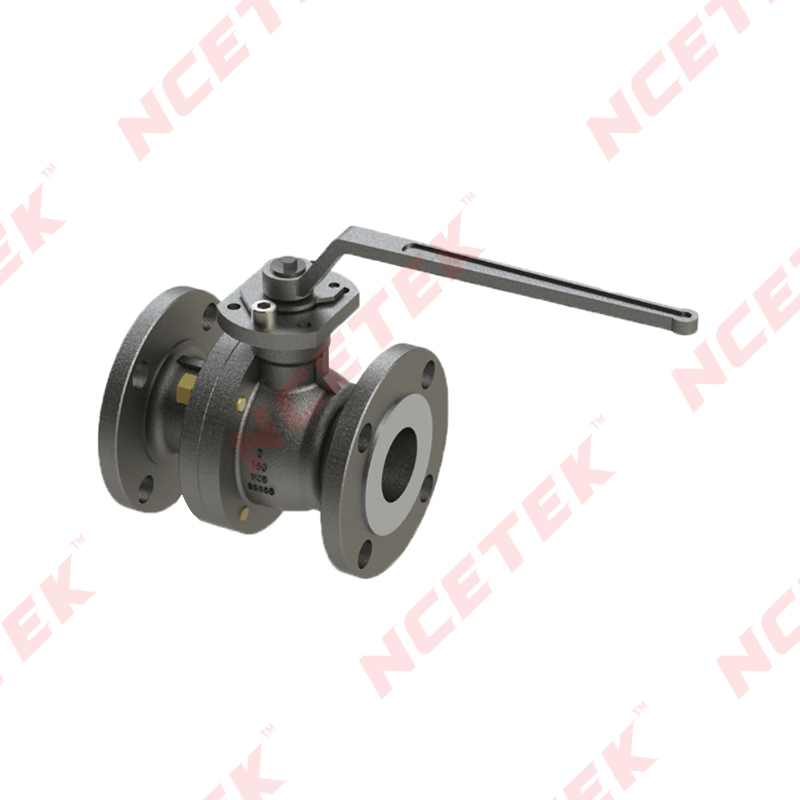
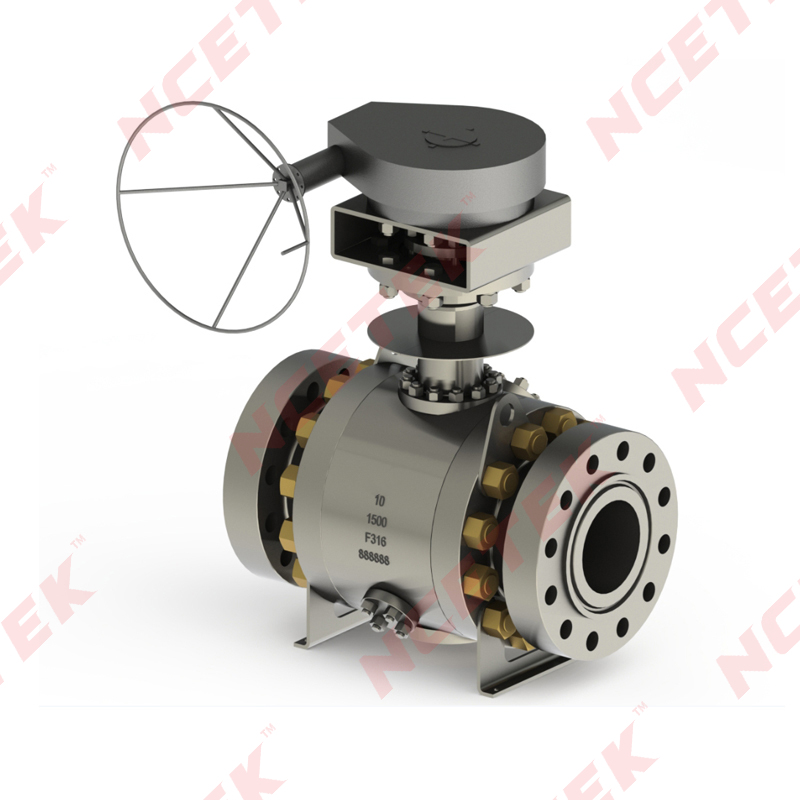
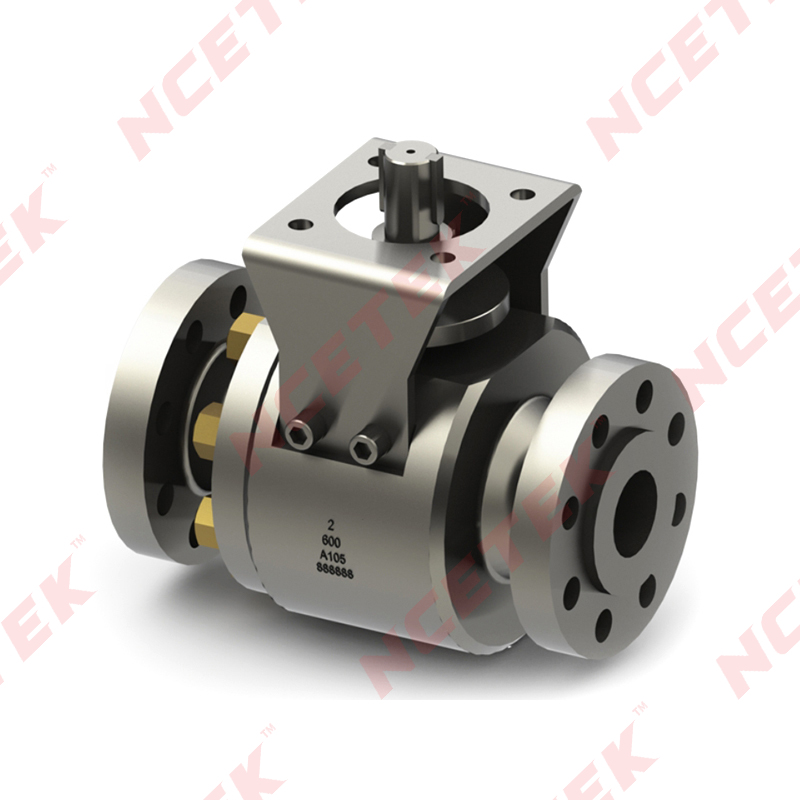
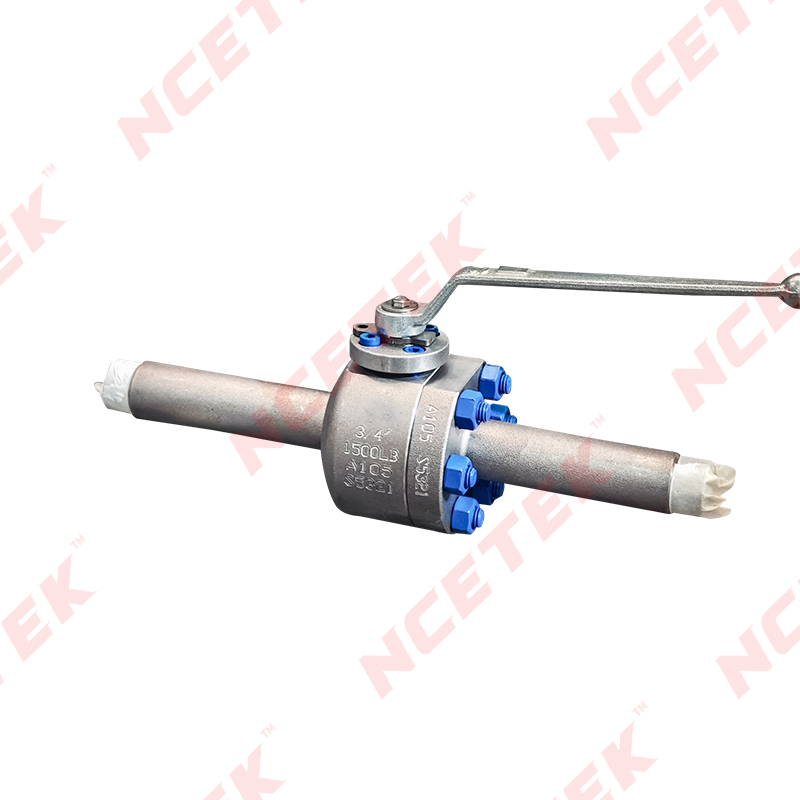
Fluid control systems depend on valves for efficient management of fluid and gas flow. Of the various types available, the spherical rotating mechanism, commonly known as the ball valve, has gained wide acceptance for its versatility and reliability.
The ball type rotary device is mainly used for starting, stopping, and controlling the flow of fluid through the system. Its construction consists of a spherical disc that rotates inside a housing to align or block the flow path. The simplicity of the design offers several operational advantages:
Controlling Flow
The basic function of the flow control mechanism is to provide an explicit on/off function. When the passage inside the sphere aligns with the inlet and outlet, the medium moves freely. When rotated 90 degrees, the solid part of the disc blocks the channel, effectively halting flow. This straightforward principle makes it suitable for applications that require rapid response.
Isolation and Maintenance
In industrial plants or commercial facilities, sections of a piping system may need temporary isolation. The rotating device allows the operator to turn off a specific segment without affecting the whole network. Their quick action simplifies the maintenance process and makes it possible to repair or modify them with minimal disruption.
Operational Efficiency and Fast Response
The rotating design ensures swift transition between open and closed states. In contrast to a gate or globe valve, which requires a number of turns, the 90-degree rotation provides almost instantaneous operation. This property is especially useful for processes that require rapid intervention, such as an emergency shutdown or an automatic control system.
Minimal Pressure Loss
When fully open, the spherical passage offers minimal resistance to the medium. Compared to a valve using a linear blocking method, the rotation mechanism maintains the efficiency of the system by minimizing energy loss and maintaining consistent pressure.
Versatility Across Media Applications
The equipment is capable of handling a wide variety of materials, from water and compressed air to gases and chemicals. Some designs accommodate steam, making the mechanism adaptable to diverse environments. Their versatility ensures compatibility with many stages of fluid transport and process control.
Safety and Leak Control
Sealing performance is a key factor in the device’s effectiveness. Well-engineered versions prevent leaks under moderate to high pressure, enhancing operational safety. In systems where containment is critical, such as chemical or gas pipelines, the reliable closure of this flow component is essential.
Flow Diversion Options
Certain designs, such as three-way rotary mechanisms, allow for the redirection or splitting of flow. This adds functionality to processes that require controlled mixing or branching of the medium, providing greater system flexibility.
The effect of the rotary flow device refers to the influence it exerts on system behavior and performance. It is not a technical specification but a way to describe the operational characteristics that arise from its design.
Impact on Flow Pattern
When open, the medium travels along a straight, largely unobstructed path. This ensures smooth flow, minimum turbulence, and lower power consumption. On the contrary, when closed, the mechanism provides a solid barrier, immediately stopping the fluid's motion.
Rapid Actuation Response
One defining effect is the ability to switch quickly between states. The rotary motion allows near-instantaneous control, which is important in systems where timing and responsiveness are crucial. Automated systems benefit from this characteristic, especially when integrated with actuators that respond to process signals.
Pressure and Efficiency Considerations
The design minimizes pressure drop across the device. Since the passage inside aligns directly with the pipe diameter, the medium encounters little restriction. This low head loss maintains system efficiency, even in high-volume applications.
Sealing and Containment
Another observed effect is the reliable shut-off capability. Properly engineered seals inside the device prevent leakage, which is critical for gas and liquid that needs to be contained. Maintaining a safe closure contributes to both operational safety and regulatory compliance.
Operational Stability and Longevity
The effect also encompasses durability. Repeated opening and closing cycles do not result in significant degradation, as long as the material and seat design are appropriate for the medium. This stability guarantees consistent performance over time and reduces the need for frequent replacement.
The rotary flow component finds application across numerous sectors. Their adaptability, quick operation, and reliable shutdown make them suitable for systems ranging from industrial plants to household plumbing. Below are common application areas:
Industrial Processes
In manufacturing and processing plants, these devices are installed in:
Their ability to manage multiple media types with minimal maintenance makes them a practical choice for continuous operations.
Commercial Buildings
In commercial plumbing setups, they serve to:
Fast operation allows facility managers to perform service without shutting down the entire supply.
Oil, Gas, and Energy
Refineries, pipelines, and energy generation facilities use these mechanisms to:
The reliability and quick response make them suitable for critical applications where safety and precision are essential.
HVAC Systems
Heating, ventilation, and air conditioning networks use these components for:
The ability to open and close quickly enables efficient system adjustments.
Food and Beverage Processing
Sanitary designs allow usage in:
Smooth internal surfaces help maintain hygiene standards.
Water Treatment Plants
They are applied in:
Their reliability ensures continuous plant operation.
Marine, Shipboard, and Automotive
Durability under vibration and movement is critical for mobile applications.
Comparison with Other Valve Types
| Feature | Rotary Flow Device | Gate Valve | Globe Valve | Butterfly Valve |
|---|---|---|---|---|
| Operation | Quick open/close | Slow | Adjustable control | Quick open/close |
| Flow Restriction | Low | Very low | Moderate | Low |
| Leakage Control | Strong | Strong | Moderate | Moderate |
| Throttling Capability | Limited | Not recommended | Good | Moderate |
| Size Range | Small to large | Large | Medium to large | Large |
| Complexity | Simple | Simple | More complex | Simple |
Selecting the Right Mechanism
Key factors for selection include:
Proper consideration ensures performance, safety, and longevity.
Spherical rotating devices, often called ball valves, play a key role in fluid management. They cover flow control, rapid isolation, and operational efficiency. Observed effects include minimum pressure loss, reliable sealing, quick actuation, and consistent stability.
Applications are widespread across industrial, commercial, energy, marine, and sanitation systems. Choosing the correct design depends on media, operating conditions, and installation restrictions. By understanding these factors, engineers and operators can implement the equipment efficiently while maintaining a secure and effective fluid control network.
 nce@cnnsv.com
 +86-15727968392 / +86-15397375798
 +86-577-67091815
 +86-577-67091815
 Dongou Industrial Zone, Oubei Street, Yongjia County, Wenzhou City, Zhejiang Province, China


Contact Us