
 русский
 简体中文
简体中文

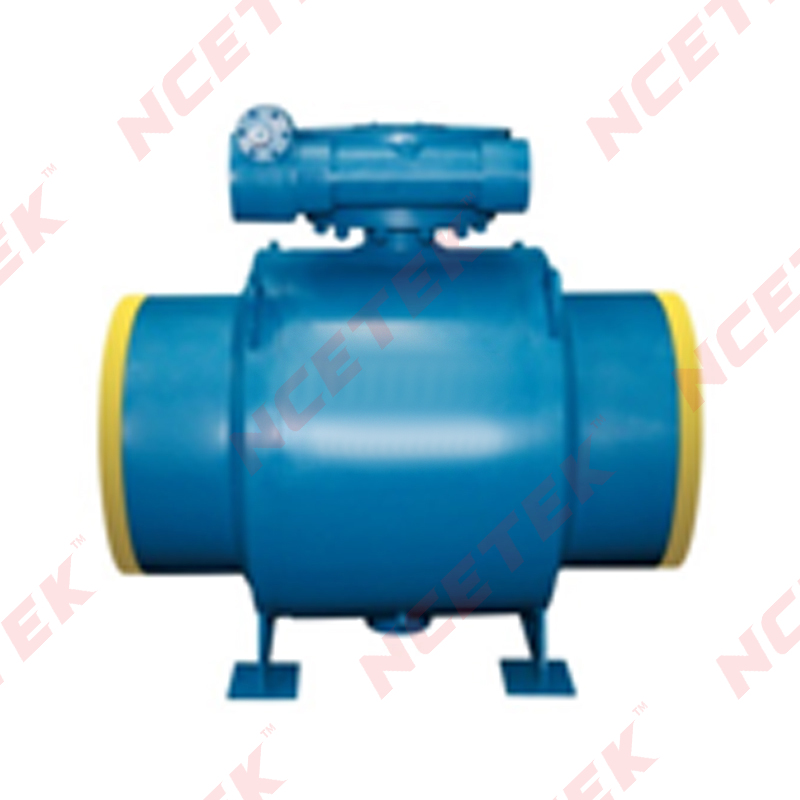
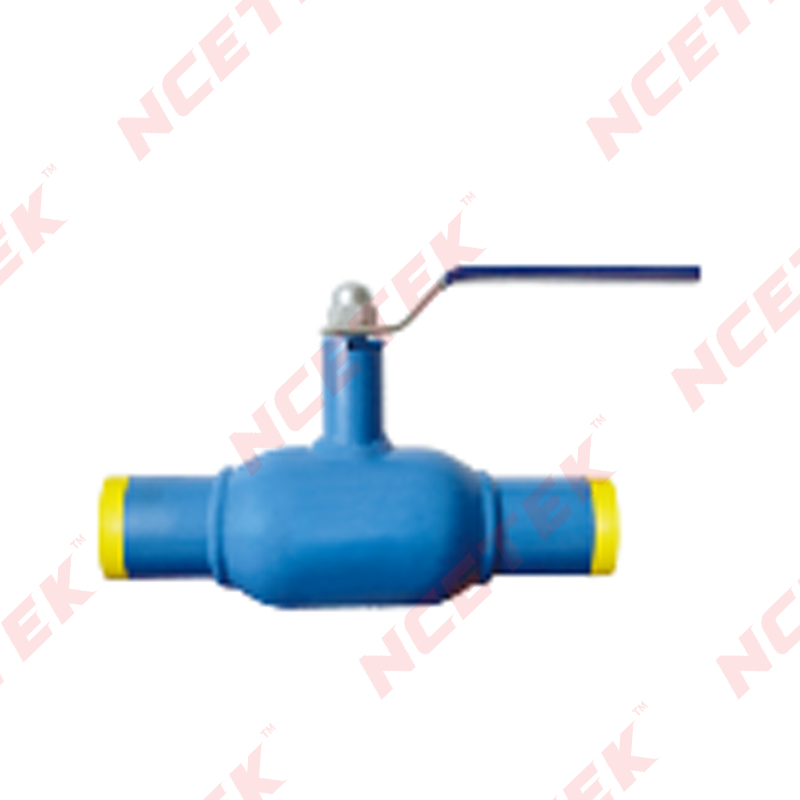
When a pipeline runs out of sight beneath soil, the demands on every part increase. An Underground Welded Ball Valve keep working quietly and reliably for long stretches of time without frequent checks. That is why many project planners choose a welded valve body for buried lines. A welded construction reduces joints, keeps sealing surfaces stable, and simplifies how the component is handled from installation to long term use.
What makes buried pipelines different
Buried lines face conditions that are not always obvious at the surface. Soil shifts, varying moisture and loads from above all add pressure to the pipeline system. Access is limited, so small flaws can go unnoticed for a long time. A valve that resists these hidden stresses and keeps the flow under control reduces overall risk for the whole network.
| Underground challenge | Impact on pipeline | How valve design can respond |
|---|---|---|
| Soil pressure | Can change alignment and stress points | Continuous body spreads forces more evenly |
| Moisture exposure | May affect surfaces over time | Uniform surface simplifies protective treatment |
| Ground movement | May introduce misalignment | Fewer joints lower the chance of local failure |
| Limited access | Makes repairs slow and costly | Stable design reduces the need for frequent intervention |
Structure matters more than you might think
A welded valve forms a single, integrated unit rather than an assembly of separate pieces. That simple fact changes how the component behaves in the ground. Instead of many small interfaces that can loosen or shift, the valve has a continuous shell that passes forces along the whole body. That helps keep alignment with adjoining pipe sections and reduces the number of places where a leak could start.
Practical benefits seen on site include fewer unexpected fittings to check, less chance of small movements causing a seal to fail, and a component that holds its shape under uneven loads.
Sealing performance and leakage prevention
A buried leak is often detected only when it has become a problem. Keeping sealing surfaces steady is therefore a key safety measure. A welded body limits the amount of assembly around the sealing area, which helps preserve contact surfaces and keeps the sealing interface from changing over time.
| Sealing feature | Function | Safety benefit |
|---|---|---|
| Continuous sealing area | Keeps surfaces in contact under load | Reduces the chance of unseen leakage |
| Fewer joint interfaces | Minimizes weak points | Improves long term sealing consistency |
| Stable internal structure | Keeps moving parts aligned | Helps avoid sudden pressure shifts |
| Balanced geometry | Distributes force evenly | Supports steady sealing performance |
Handling external loading and soil movement
Ground forces are not uniform. Heavy loads on the surface or localized shifts in the soil create stress that concentrates at joints and flanges. A continuous valve body reduces those concentration points. In practice this can mean fewer alignment issues when the line is buried and a lower chance that a small change in soil pressure leads to a local failure.
Easier installation with fewer surprises
Installation time is where many future problems are created. Each additional part or fastener increases the chance of a mistake. A valve with fewer loose pieces and no flange assembly for certain connections reduces the handling complexity at the job site. That makes it easier to position the valve, align it with existing piping, and leave the system in a condition that requires less follow up.
Installation advantages include simpler on site checks, less time spent managing spare parts, and more consistent sealing right from the start.
Lower maintenance burden underground
Excavation for maintenance is costly and disruptive. A design that can operate for long stretches without adjustment lowers the need for digging up a valve for routine checks. With fewer movable interfaces and less chance of assembly loosening, maintenance events tend to be fewer and more focused when they do occur.
| Maintenance aspect | Traditional concern | Welded structure advantage |
|---|---|---|
| Accessibility | Repairs may require digging | Reduced need for routine adjustment |
| Frequency | Regular checks can be disruptive | Longer intervals between interventions |
| Repair process | May involve part replacement | Integrated body simplifies work scope |
| Operational downtime | Service interruptions are costly | Fewer maintenance visits reduce disruption |
Flow control and emergency readiness
When an issue appears in a buried line, quick and predictable action matters. A valve that opens and closes smoothly after long idle periods helps operators isolate sections of the network without creating sudden transients. Consistent mechanical behavior supports safer shutdowns and restarts and reduces the risk that an emergency response causes further problems.
Surface protection and environmental fit
Keeping the external surface intact and protected is part of long term durability. A continuous outer surface allows protective coatings to be applied and to perform more uniformly. That reduces the number of small crevices where moisture or contaminants might start degrading the surface.
How the design fits the whole system
A valve is one element of a larger layout. Choosing a valve design that simplifies the piping configuration and cuts down on additional connectors reduces the number of potential failure points in the whole system. That makes planning, installation and later inspection simpler, and helps the network behave more predictably over time.
| Factor | Description | Influence on safety |
|---|---|---|
| Structure continuity | Integrated body design | Reduces weak points |
| Sealing performance | Stable sealing surfaces | Prevents unseen leakage |
| Installation quality | Accurate alignment | Improves initial reliability |
| Environmental resistance | Ability to adapt to soil conditions | Supports longer service life |
| Operational consistency | Smooth mechanism movement | Keeps flow stable |
Practical advice for project planners
When evaluating options for buried pipelines, look for solutions that make life easier across the whole project. Consider how a valve behaves during transport and handling, how it will be placed in the trench, and how it will behave after months or years out of sight. Reducing assembly complexity, protecting key surfaces, and choosing a body style that spreads stress all help lower the ongoing operational burden.
Buried systems ask more of every component. A valve that minimizes joints and preserves sealing surfaces helps keep the whole line reliable and easier to manage. That kind of practical approach pays off over the life of a pipeline through fewer interruptions, simpler installation, and more predictable behavior when the system is put into service. Choosing a valve that suits the underground environment is one of the simplest ways to reduce long term risk and keep the network running as intended.
 nce@cnnsv.com
 +86-15727968392 / +86-15397375798
 +86-577-67091815
 +86-577-67091815
 Dongou Industrial Zone, Oubei Street, Yongjia County, Wenzhou City, Zhejiang Province, China


Contact Us