
 русский
 简体中文
简体中文

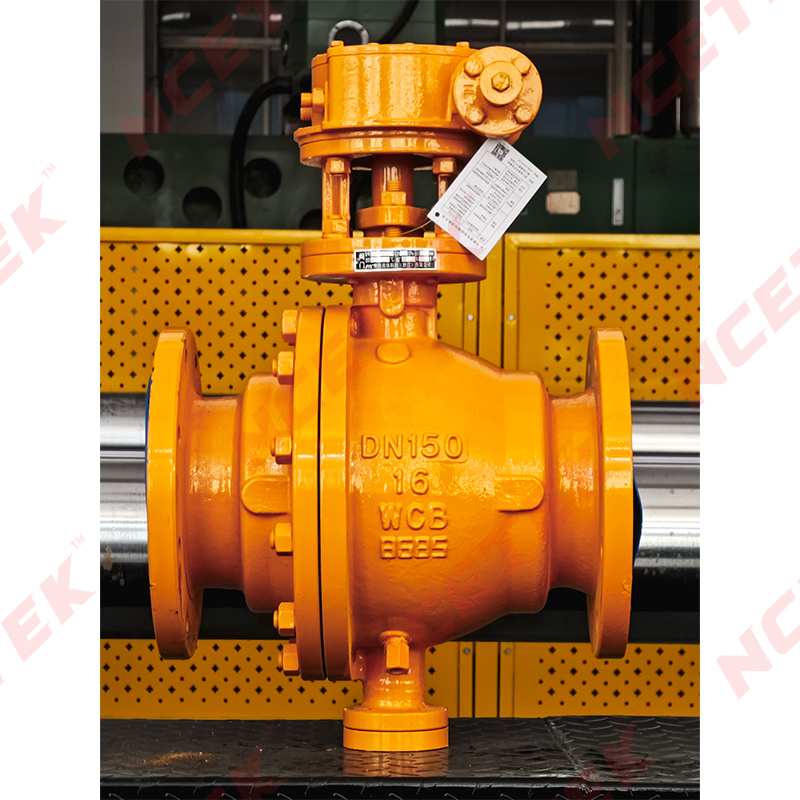
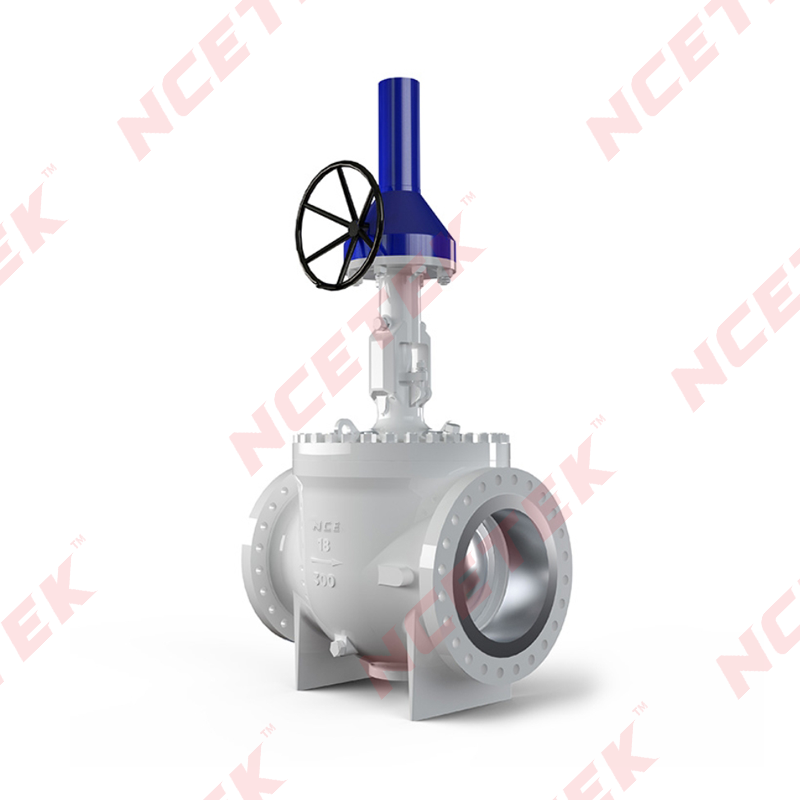
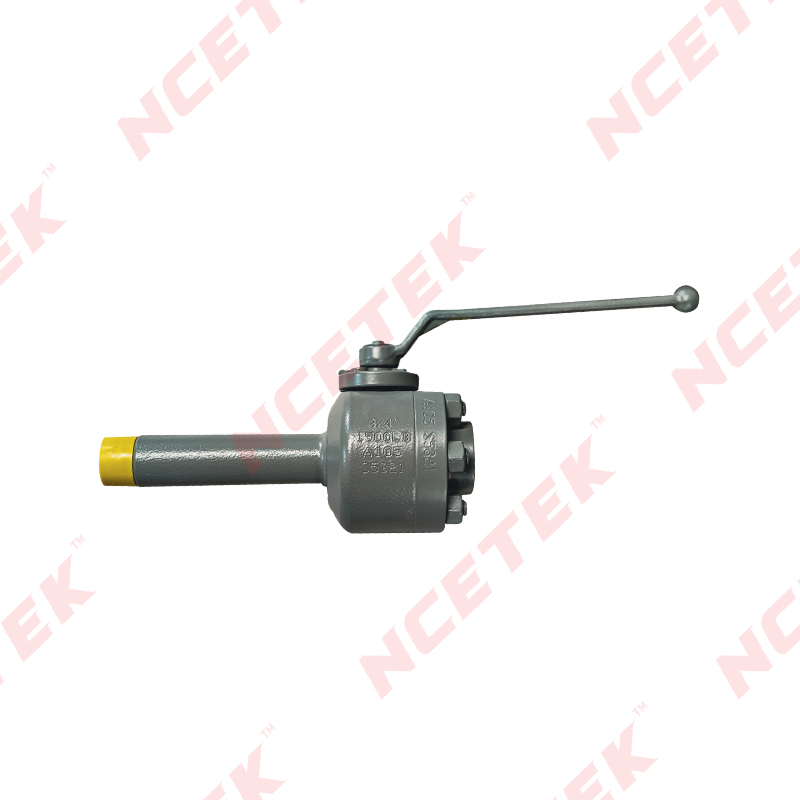
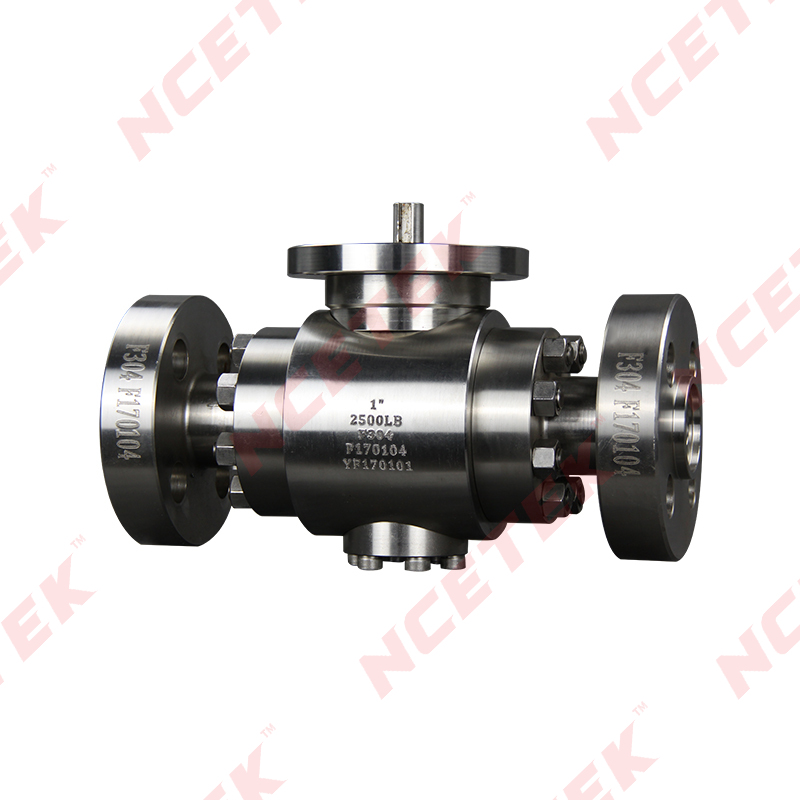
Forged Steel Trunnion Mounted Ball Valve is a common selection where steady performance and predictable service matter. When a valve has to sit in a line, open and close under pressure, and seal reliably for years, the choice of base material changes the whole maintenance picture.
How the material behaves under load
People often talk about strength in general terms, but in practice the useful property is how a metal responds to repeated loads. Forging changes the metal's internal structure so that it offers more consistent behavior when the system cycles pressure or experiences shocks. That consistency reduces the chance that a tiny internal flaw will grow into a crack after thousands of cycles.
What you notice in the field is not a metric but a behavior: a valve that opens with the same feel each week, and that seals without progressive leakage. For maintenance teams, that translates into fewer surprise repairs and a steady routine for part replacement rather than emergency fixes.
Corrosion and surface integrity
Many lines carry fluids that can be mildly or actively corrosive. Surface attacks, pitting, and localized erosion are what turn a serviceable valve into a leak path. Forged construction tends to deliver a denser, more uniform surface after machining. That density slows the start of surface flaws and keeps sealing surfaces in better condition for longer.
For operations, the practical benefits are clear: less time spent removing scale, fewer reseats, and a reduced need for temporary repairs that interrupt production. That also simplifies planning — spare parts needs are more predictable, and coatings or liners are easier to apply when the base material is stable.
Dimensional stability at temperature and pressure
Valves see more than steady operating conditions. Temperature swings, start-up transients, and occasional pressure surges are part of everyday life. A component that keeps its shape through these events preserves the clearances that make sealing reliable. Forged parts often exhibit that dimensional stability because the forming process produces a compact microstructure.
In real terms: the valve that used to stick after a heat cycle keeps moving freely, and seals that once required repeated adjustment hold longer. The result is fewer shutdowns for late-night repairs and a calmer operations log.
Fatigue life and repeated cycling
How often a valve moves matters. Control valves that modulate constantly, or isolation valves that cycle for automated processes, put repeated stress on stems, seats, and load-bearing surfaces. Materials and processes that resist fatigue reduce the rate at which micro-cracks form and propagate.
The consequence for a plant: predictable life for critical components. That allows lifecycle planning instead of reactive replacement. It also reduces the number of partial disassembly jobs that turn into full overhauls because a secondary part failed while the team was working.
Machining accuracy and fit
Forged components are often easier to machine to close tolerances. Close fit matters for bearing surfaces, seals, and rotary stability. When parts are made to consistent dimensions, actuation is smoother, friction is lower, and sealing faces come together in a repeatable way.
Operationally, that means valves that require less troubleshooting to achieve tight shutoff and that respond to actuation with consistent torque. For instrumentation and automated systems, consistent response improves the overall control loop behavior.
Serviceability and spare parts commonality
A practical advantage that is sometimes overlooked is spare parts predictability. When material and manufacturing are consistent, replacement bodies and internal kits match original performance within expected tolerances. That simplifies spare parts stocking and procurement: teams buy a set of parts and know they will fit and function as intended.
Procurement and maintenance both benefit. Fewer emergency orders. A smaller, more reliable spare parts inventory. Less downtime from waiting for custom parts.
Lifecycle cost versus upfront price
A valve's purchase price is only one part of the story. The full cost picture includes installation, maintenance, downtime, and replacement. Materials that reduce the frequency of repairs and the scale of in-service problems lower total lifecycle cost. Forged components often achieve this by extending the period between service events and by making those events smaller in scope.
The practical takeaway: spending more up front can free hours and budget later. That is a planning choice many operations managers prefer because it gives them control over maintenance windows and spare parts budgets.
Safety and predictable failure modes
Safety is not a single product feature; it is an outcome of predictable equipment behavior. A valve that corrodes unpredictably or that fails with little warning introduces hazards. Materials that resist rapid degradation and that fail in well-understood ways reduce operational risk.
In practice this means less unplanned release of media, fewer emergency interventions, and a safer environment for technicians and operators. Predictability also supports better emergency planning and clearer isolation procedures.
Environmental and resource considerations
Durable valves reduce the number of replacements needed over a plant's lifetime. Fewer parts produced, shipped, and disposed of contributes to lower material consumption and reduced logistics emissions. Choosing a durable base material for valves is one small lever within broader sustainability efforts, and it often aligns with long-term maintenance strategies.
Application flexibility and standardization
One practical benefit of a consistent valve family built from forged components is the ability to standardize across a site. When different lines use the same valve type with modest internal variations, spare parts and training become simpler. It is easier to train crews on maintenance and operation when components behave similarly across systems.
Standardization reduces complexity. It makes cross-coverage by teams possible. It lowers the chance of assembly errors when spares are swapped.
How to evaluate options
Installation and commissioning notes
Good performance begins at installation. Proper support, correct flange alignment, and correct torque practices are critical. When installing a forged-body trunnion design, take care with alignment during bolting and avoid over-tightening which can introduce distortions. Commissioning should include functional stroke checks and leak verification at working pressure.
These steps reduce the chance of early-life problems that can otherwise mask the benefits of better material choices.
Maintenance practices that extend service life
Routine tasks keep valves healthy. Regular inspections of sealing faces, bearing wear, and actuator performance catch issues early. When parts are accessible and replacement kits fit predictably, maintenance can be planned rather than improvised.
A good practice is to track valve behavior in normal operation: note changes in actuation torque, any tendency to chatter, and small increases in leakage. Those early signs let teams intervene before a simple repair grows into a major job.
Troubleshooting common issues
When problems appear, a methodical approach helps:
A consistent troubleshooting flow reduces time spent guessing and shortens repair windows.
Comparative snapshot
| Concern | Forged construction | Typical alternatives |
|---|---|---|
| Response to repeated load | Predictable | Variable |
| Surface integrity | Dense, uniform | Can be porous |
| Fit and machining | Tight tolerances | May vary |
| Spare parts consistency | High | Less predictable |
| Lifecycle predictability | Greater | Less certain |
Practical field vignettes
Choosing the right valve is both an engineering and a planning task. Evaluate the expected duty, err on the side of predictable behavior, and pair material choice with deliberate maintenance practices. A robust material is an enabler: it reduces surprises and helps teams schedule work during planned windows rather than fight leaks at inconvenient times.
When material properties, manufacturing consistency, and field practices come together, the result is a quieter operations log, more reliable isolation and control, and fewer late-night calls to deal with valves that failed unexpectedly.
 nce@cnnsv.com
 +86-15727968392 / +86-15397375798
 +86-577-67091815
 +86-577-67091815
 Dongou Industrial Zone, Oubei Street, Yongjia County, Wenzhou City, Zhejiang Province, China


Contact Us