
 русский
 简体中文
简体中文

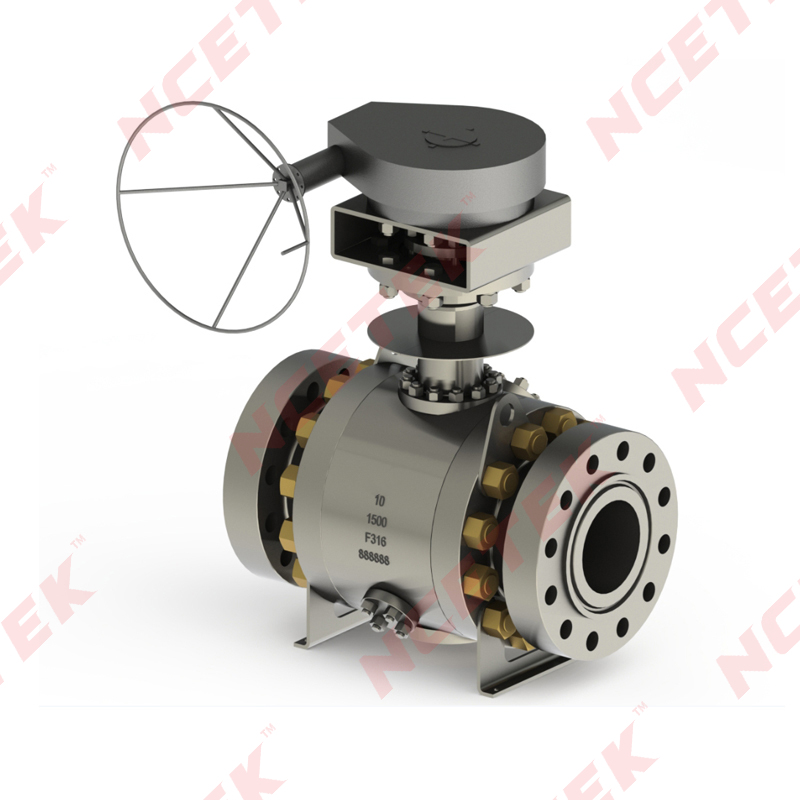
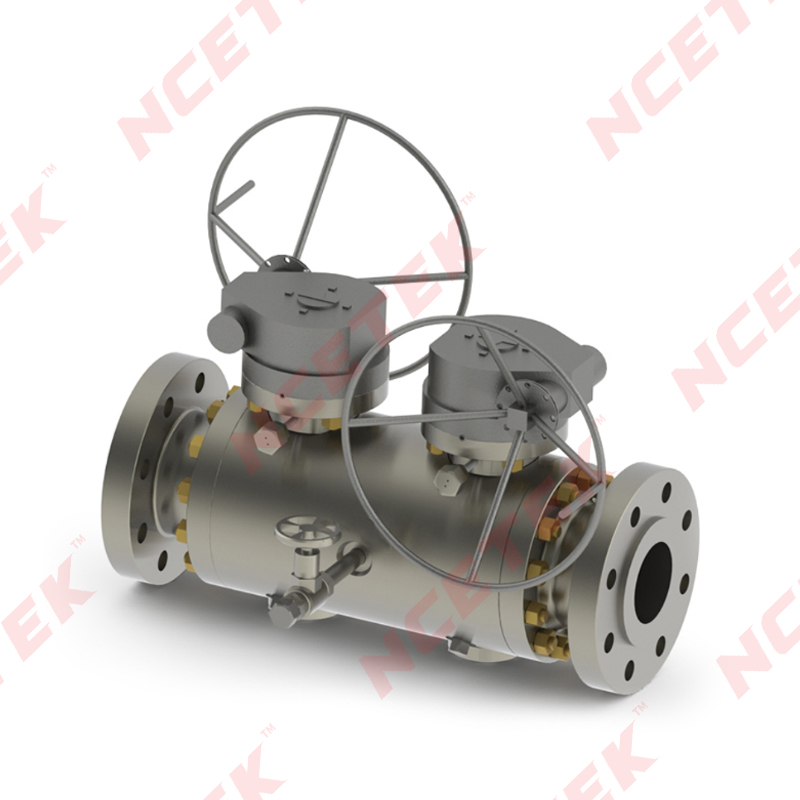
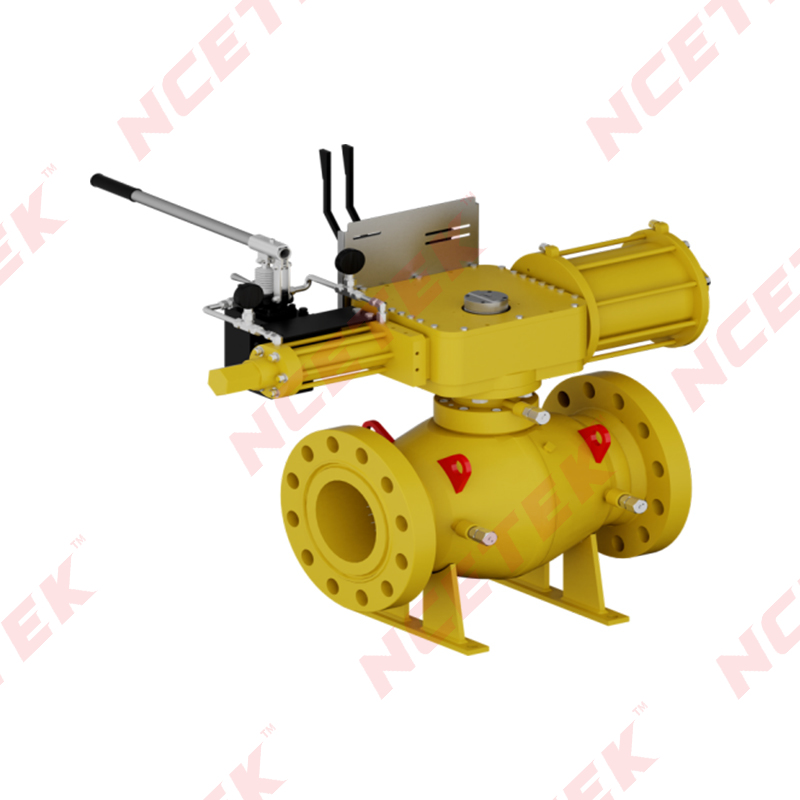
Trunnion mounted ball valve play a vital role in industrial piping systems. They regulate the flow of liquids and gases, all while handling significant pressure and temperature swings. Picking the appropriate material for these valves really matters—it directly impacts reliability, how often maintenance is needed, safety during operation, and how long the valve actually lasts. In practice, two of the most widely used options are forged steel and cast steel. Each brings its own set of strengths and trade-offs that affect performance depending on the service conditions. Getting a clear picture of these differences helps engineers, maintenance crews, and buyers make smarter, better-informed choices.
Trunnion Mounted Ball Valve: A Quick Overview
Unlike floating ball valves, trunnion mounted designs have the ball firmly anchored at both the top and bottom by trunnions. That setup takes a lot of load off the seats, giving the valve much better stability when pressures climb. The trunnion approach really shines in big-diameter lines and high-pressure applications where keeping torque under control and maintaining a tight seal are critical.
Main Features:
Forged Steel in Trunnion Mounted Valve
Forged steel comes from taking solid steel billets and shaping them under intense pressure while they're hot. That heavy deformation compacts the grain structure tightly and evenly, which boosts mechanical strength, toughness against impacts, and general dependability.
How It's Made
Combining forging with proper heat treatment gives the material excellent ability to handle high pressures and sudden mechanical loads.
Advantages of Forged Steel
Common Uses
Cast Steel in Trunnion Mounted Valve
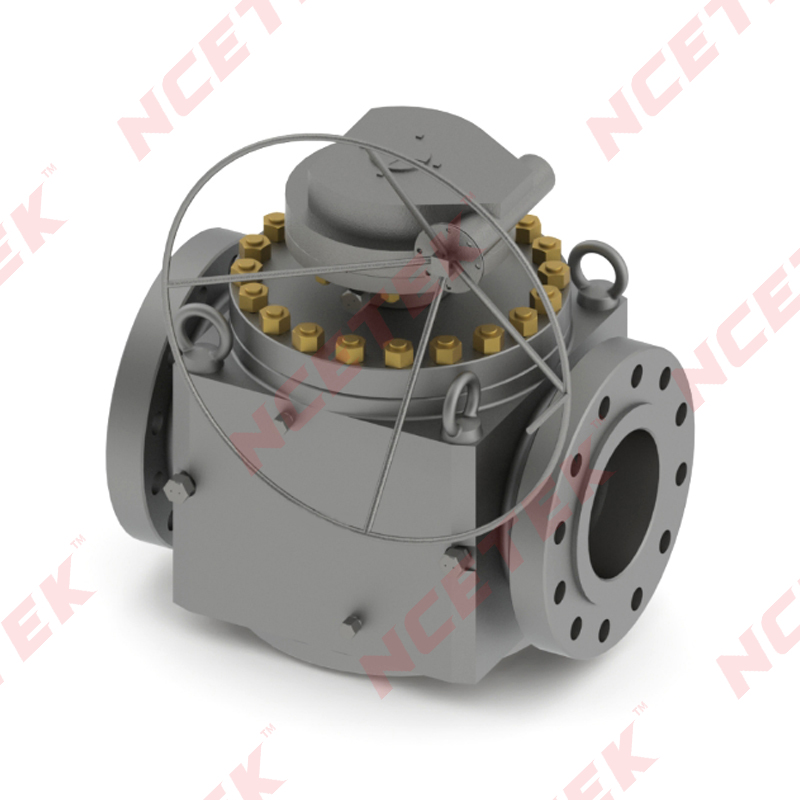
Cast steel starts as molten metal poured into molds, where it cools and hardens into the final shape. This method makes it possible to create intricate valve bodies or very large pieces that would be impractical or extremely expensive to forge.
How It's Made
Advantages of Cast Steel
Things to Keep in Mind
Common Uses
Quick Comparison
| Feature | Forged Steel | Cast Steel |
|---|---|---|
| Production Method | Shaping solid steel under high pressure | Pouring molten steel into molds |
| Grain Structure | Dense and highly uniform | Generally uniform but may contain some porosity |
| Strength | Very high – ideal for high-pressure use | Adequate for moderate-pressure service |
| Shock Resistance | Excellent – handles vibration well | Moderate – less ideal for high-impact conditions |
| Size Flexibility | Limited for extremely large sizes | Excellent for large and complex geometries |
| Cost | Higher upfront | Lower, especially for big or intricate designs |
| Maintenance | Lower – fewer unexpected issues | May require more regular checks |
| Typical Applications | High-pressure oil/gas, steam, critical | Large pipelines, municipal water, moderate duty |
Things to Weigh When Choosing
Pressure and Temperature Range:
Forged steel is the stronger pick for extreme conditions; cast steel usually does fine in moderate service.
Valve Size and Shape:
Very large or geometrically complex valves often end up being cast because forging them would be too difficult or costly.
Type of Fluid:
Abrasive, corrosive, or erosive media generally favor forged steel due to its denser, cleaner microstructure.
Maintenance Practicality:
Think about where the valve is installed and how easy it is to service—forged steel typically means fewer headaches long-term.
Upfront Cost vs Total Lifecycle Expense:
Forged steel costs more initially but often pays off with reduced repairs and downtime. Cast steel saves money at purchase but might need closer monitoring later.
Installation and Day-to-Day Operation Notes
Real-World Examples
Maintenance & Service Life
Regular inspections, proper lubrication, and suitable protective coatings help maximize life no matter which material you choose.
The Main Differences
The right choice comes down to the actual operating environment, valve dimensions, media properties, how maintenance will be handled, and the project budget.
Smart Selection Tips
Neither forged steel nor cast steel is universally "better" for trunnion mounted ball valves—both have clear strengths. Forged steel brings extra durability, impact toughness, and extended maintenance-free periods, which makes it a solid choice for demanding, high-pressure lines. Cast steel gives you more design freedom, easier large-scale production, and lower starting costs, suiting it well to big-diameter pipelines and less extreme conditions. By thinking through the specific demands of the application, teams can pick the material that delivers safe, dependable, and economically sound performance over the long haul.
 nce@cnnsv.com
 +86-15727968392 / +86-15397375798
 +86-577-67091815
 +86-577-67091815
 Dongou Industrial Zone, Oubei Street, Yongjia County, Wenzhou City, Zhejiang Province, China


Contact Us