
 русский
 简体中文
简体中文

In pipeline work, flow control is not just about turning something on or off. In real use, fluid moves under pressure, direction changes happen, and the system needs something that can stay steady while all of that is going on.
A trunnion mounted ball valve is designed with a ball that is held in place by support points on both sides. This setup keeps the ball from drifting too much during operation. It does not float freely, which helps the sealing area stay more predictable when the valve is used again and again.
In everyday pipeline systems, this structure is usually chosen when the flow needs to stay controlled without large fluctuations during switching. The movement inside the valve is kept more stable, which helps reduce irregular contact between parts.
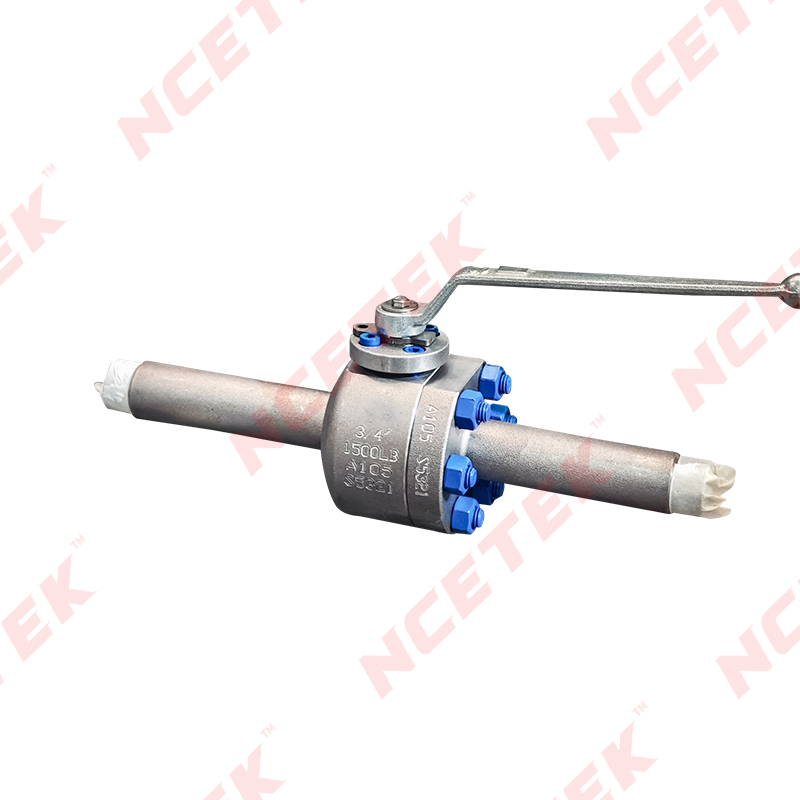
A Forged Steel Trunnion Mounted Ball Valve is made through a process where the material is pressed and shaped into a dense body. The internal structure becomes more compact compared to other forming methods.
This compact structure changes how the valve behaves during use. When pressure moves through the pipeline, the internal body tends to respond in a more even way. There are fewer loose internal variations, which helps the valve keep a steady mechanical feel over time.
In practical operation, this type of valve is often associated with:
It is not about being extreme in performance. It is more about behaving in a steady and predictable way during regular use.
A Cast Steel Trunnion Mounted Ball Valve is made by pouring material into a mold and allowing it to cool into shape. This method allows more freedom in forming complex shapes, especially for valve bodies that need different connection layouts.
The internal structure formed through casting may not be as tightly compressed as forged material. Instead, it follows the cooling process of the material inside the mold.
In real use, cast steel valves are often found in systems where:
The structure still performs well in many systems, but its internal behavior depends more on design and operating environment.
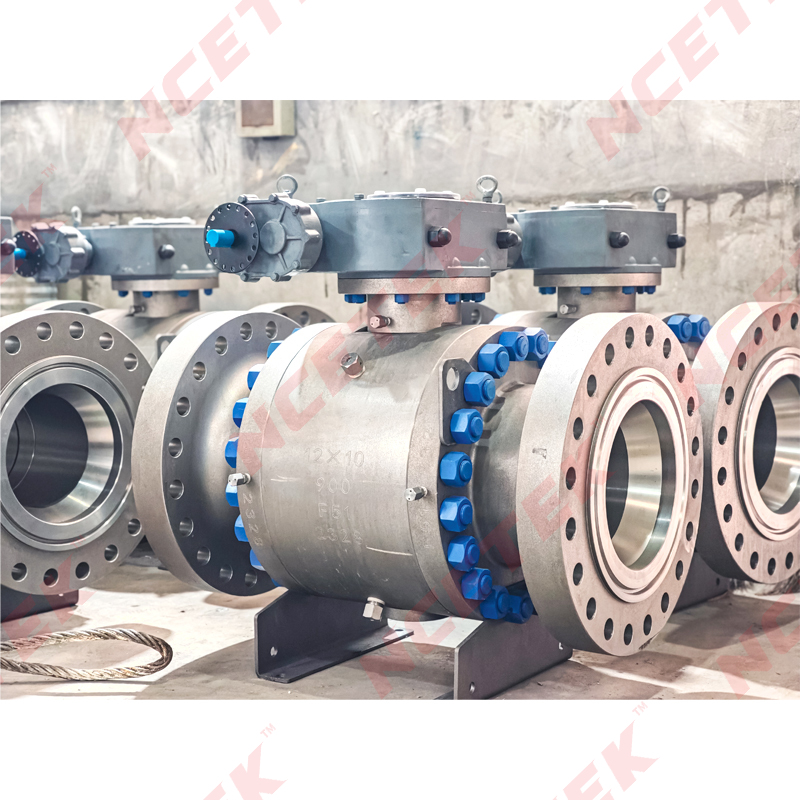
Although both types serve the same purpose in controlling flow, their internal structure is formed in different ways. This leads to differences in how they behave during long use.
| Aspect | Forged Steel Trunnion Mounted Ball Valve | Cast Steel Trunnion Mounted Ball Valve |
|---|---|---|
| Formation Method | Pressed and shaped material | Molded and cooled material |
| Internal Structure | More compact arrangement | Natural cooling structure |
| Response During Pressure Change | More even behavior | Depends more on design shape |
| Long Term Movement | Stable repetition behavior | Suitable for general use conditions |
| Structural Consistency | More uniform feel | Slight variation possible |
Inside a pipeline, flow is rarely completely steady. Pressure shifts, direction changes, and system demand all influence how fluid moves.
In forged steel trunnion mounted valves, the tighter internal structure helps the ball stay more stable during switching. This can support more consistent flow direction control when the valve is used repeatedly.
In cast steel valves, flow behavior is still controlled, but the response can feel slightly different depending on the body design and installation environment.
What matters in real use is not only the material, but how the valve interacts with the pipeline system as a whole.
Pressure is one of the most important conditions in any pipeline system. When pressure changes, the valve body and sealing area must stay aligned to maintain control.
Forged steel structures tend to respond in a more steady way because of their compact internal arrangement. The material behaves in a more uniform pattern when load changes occur.
Cast steel structures also handle pressure, but the response can vary slightly depending on wall design and internal distribution of material.
In daily operation, people often notice:
These observations usually matter more than theoretical descriptions.
Temperature changes are normal in pipeline environments. Flow systems may heat up or cool down depending on working conditions.
When temperature changes occur, metal expands or contracts slightly. This movement affects how internal parts align with each other.
Forged steel valves usually show more stable behavior during these changes because of their compact structure.
Cast steel valves may respond differently depending on shape and wall thickness distribution.
In both cases, the sealing area must stay in proper alignment to keep flow control stable during temperature variation.
Over time, repeated movement creates natural wear in any mechanical system. Ball valves are no exception.
In forged steel trunnion mounted valves, the internal compact structure helps maintain steady contact between moving parts during long cycles. This can support more consistent operation over extended use.
In cast steel valves, wear behavior is influenced more by system conditions and how frequently the valve is operated.
Common long term observations include:
These changes usually happen gradually and are part of normal mechanical use.
Installation plays a quiet but important role in valve performance. Even a well-formed valve can behave differently if it is not aligned correctly in the pipeline.
Forged steel valves are often heavier and more compact, which means support during installation needs to be considered carefully.
Cast steel valves may offer more flexibility in shape design, which can help when fitting into different pipeline layouts.
During installation, attention is usually given to:
Good installation helps both valve types perform in a more stable way during operation.
In everyday pipeline work, maintenance is usually not something dramatic. It is more like checking small changes over time and making sure everything still feels normal during operation.
For both valve types, attention is often placed on a few simple points. People look at whether the valve still opens and closes smoothly, whether sealing feels stable, and whether there are any small changes in movement resistance.
In forged steel trunnion mounted valves, maintenance checks often focus on whether the movement stays consistent over long cycles. Because the structure is more compact, any change in behavior is usually gradual and easier to observe during regular inspection.
In cast steel trunnion mounted valves, maintenance attention is often more connected to structural condition and surface changes. Since the internal formation is different, small variations may appear depending on working conditions.
Typical maintenance habits include:
These steps are usually simple, but they help keep long-term operation more predictable.
Choosing between forged and cast steel trunnion mounted ball valves is rarely based on a single factor. In real engineering work, decisions are often made by looking at how the system behaves as a whole.
One important factor is how steady the flow needs to be. If the system requires very consistent switching behavior during repeated operation, a more compact internal structure may be preferred.
Another factor is how flexible the pipeline layout is. Some systems require more adaptable body shapes, especially when installation space is not uniform.
Selection is often influenced by:
Instead of focusing only on the valve type, engineers usually think about how it fits into the entire flow system.
In practical engineering environments, valves are not viewed as isolated parts. They are treated as part of a moving system where pressure, direction, and flow behavior are always interacting.
A Forged Steel Trunnion Mounted Ball Valve is often considered when the system needs stable internal behavior during long-term use. The compact structure tends to support more consistent movement, especially when the valve is used repeatedly under changing conditions.
A Cast Steel Trunnion Mounted Ball Valve is often chosen when the system needs flexibility in design or when pipeline structure requires more adaptable installation shapes.
Engineering thinking usually focuses on simple questions:
These questions matter more than surface-level differences.
Different pipeline systems create different working conditions. Because of this, valve behavior can feel different even when the function is the same.
Forged steel trunnion mounted valves are often used in environments where flow needs to stay steady during continuous operation. The internal compact structure helps reduce variation during repeated switching.
Cast steel trunnion mounted valves are commonly found in systems where the layout is more flexible and operating conditions are not extremely uniform. The design allows easier adaptation to different pipeline shapes.
Typical application environments include:
environments where maintenance access is limited but regular checks are possible
In each case, the valve is selected based on how well it matches real working behavior rather than theoretical comparison.
Over time, all mechanical systems gradually change. This is part of normal use in pipeline operation. Valves are no exception, especially when they are used repeatedly under flow and pressure changes.
In forged steel trunnion mounted valves, long-term behavior is often described as steady in movement pattern. The internal structure tends to maintain consistent contact, which helps the valve keep similar switching behavior over extended periods.
In cast steel trunnion mounted valves, long-term behavior can depend more on usage conditions. If the system is stable, performance remains consistent. If conditions vary more often, small changes in movement or sealing behavior may appear earlier.
Long-term observations usually include:
These changes do not usually happen suddenly. They appear slowly and are often noticed during routine operation rather than isolated inspection.
Pipeline systems are not static. Flow conditions, pressure levels, and usage frequency can all change over time. Because of this, valve performance is always connected to system behavior.
If a system operates with steady flow conditions, both valve types tend to maintain stable behavior for longer periods.
If the system experiences frequent changes in flow direction or pressure variation, the internal structure of the valve becomes more important in maintaining consistent performance.
In practice, engineers often observe:
These observations help determine whether the valve still fits the system after long use.
The difference between forged and cast steel trunnion mounted ball valves is not only about material formation. It is more about how each structure behaves inside a working pipeline system.
One tends to focus on internal stability through compact structure. The other offers flexibility in design and broader application layout.
In real use, the choice is usually shaped by system behavior, not by a single technical point.
 nce@cnnsv.com
 +86-15727968392 / +86-15397375798
 +86-577-67091815
 +86-577-67091815
 Dongou Industrial Zone, Oubei Street, Yongjia County, Wenzhou City, Zhejiang Province, China


Contact Us