
 русский
 简体中文
简体中文

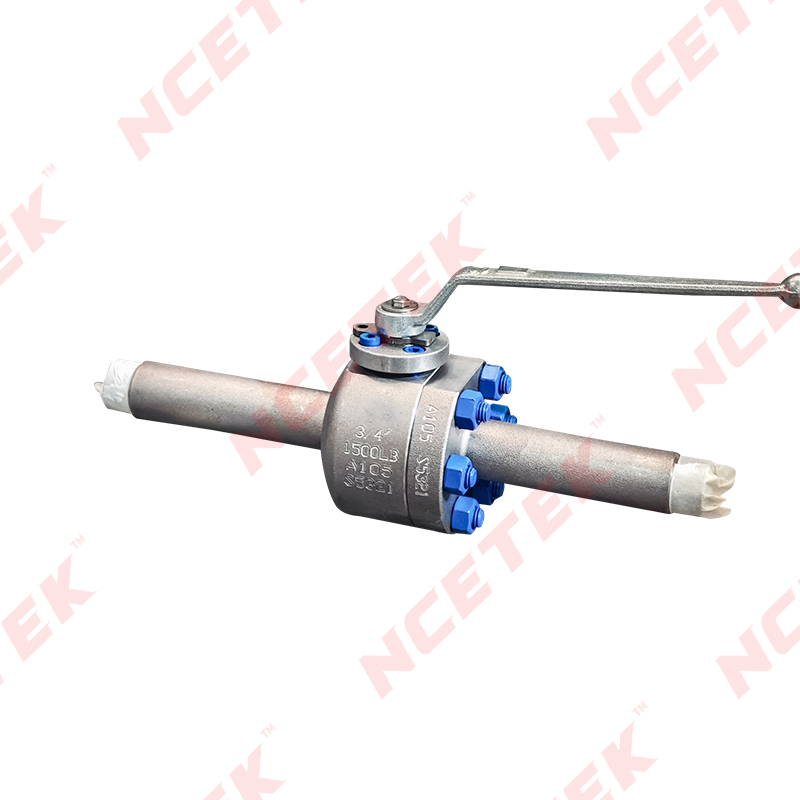
A Welded Regulating Ball Valve is a valve that uses a ball to manage flow. What sets it apart from regular ball valves is that it can adjust how much fluid goes through the pipe, not just turn the flow on or off.
The "welded" part means the valve is connected directly to the pipeline by welding instead of using flanges or threads. This creates one continuous piece between the pipe and the valve. Inside, the ball is often specially shaped so that turning it a little can gradually change the flow rate.You'll see these valves in many different process systems where both control and reliable shut-off are needed.
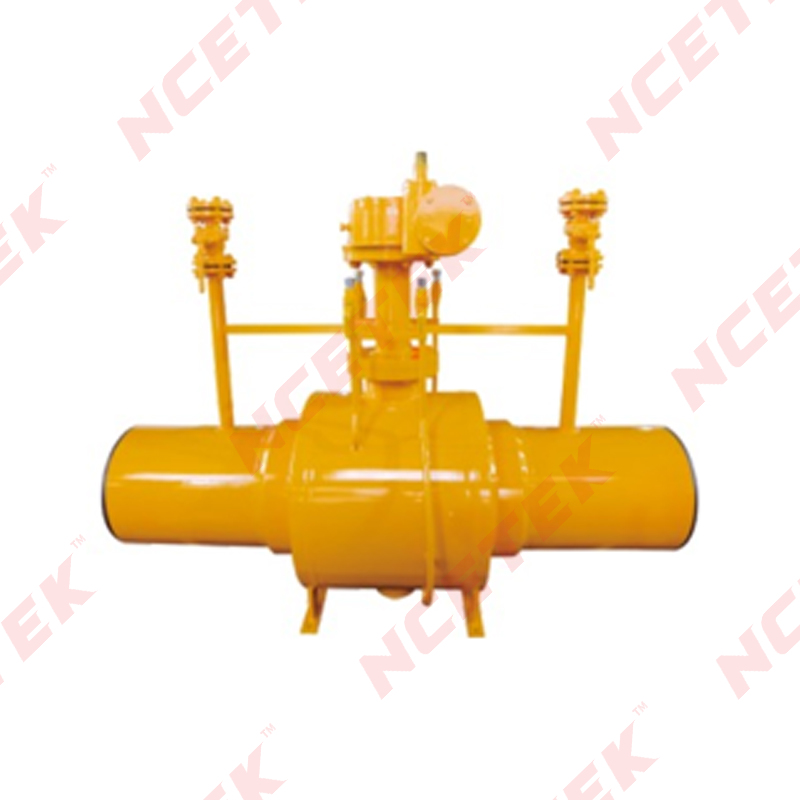
There are a few practical reasons why the welded body design is popular for regulating ball valves.
When the valve is welded straight into the pipe, there are fewer joints, which means fewer places where leaks can develop over time. In systems that run at high pressure or experience temperature changes, a welded connection usually holds up better and feels more stable.
It also saves space because there are no big flanges sticking out. Once it's welded in place, the valve basically becomes part of the pipeline, which many operators prefer for long-term reliability and reduced risk of external leakage.
Material selection depends on the type of fluid and the operating conditions the valve will face.
For general use, carbon steel is a frequent choice for the valve body because it gives good strength at a reasonable cost. When the fluid is corrosive or the temperature is higher, stainless steel is often used for the body and key internal components.
The ball is typically made from stainless steel or a harder alloy to resist wear from frequent movement. Seats can be soft polymer types for normal temperatures or metal seats when higher heat is involved.
The stem is usually stainless steel to provide both strength and decent corrosion resistance. The welding ends are normally matched to the material of the pipeline so the weld can be done properly.
| Component | Common Materials | Main Reason |
|---|---|---|
| Valve Body | Carbon Steel, Stainless Steel | Strength and corrosion resistance |
| Ball | Stainless Steel, Alloy Steel | Wear resistance |
| Seat | Polymer, Metal | Sealing at different temperatures |
| Stem | Stainless Steel | Strength and durability |
| Welding Ends | Same as pipeline material | Good weld compatibility |
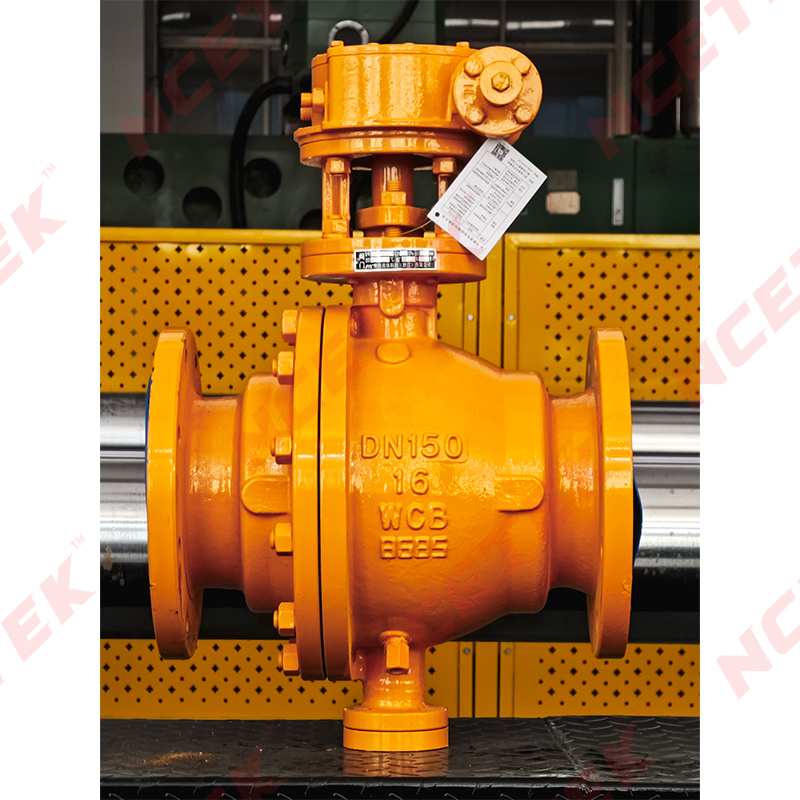
A Welded Regulating Ball Valve has several important parts that work together.
The valve body is the outer shell that holds everything and takes the pressure. The ball in the center controls the flow. In regulating valves, the ball is often cut or shaped in a special way so small turns can adjust the flow more smoothly.
The stem connects the ball to the handle or actuator outside. Seats sit on both sides of the ball and create the sealing surface. When the valve is closed, the seats press tightly against the ball to stop the flow.
Packing around the stem helps prevent leaks to the outside, and bearings make the operation smoother with less effort.
The design of the ball inside a Welded Regulating Ball Valve has a big influence on how well it can control flow.
In a standard ball valve, the ball has a round hole that either lines up with the pipe or blocks it completely. But in a regulating ball valve, the ball is often shaped differently. Many have a V-shaped notch or an eccentric opening. As you turn the valve, the opening changes gradually instead of all at once. This allows operators to adjust the flow rate more precisely, from very small amounts up to full flow.
The shape of the ball and the way it sits against the seats also affects how smoothly the flow changes. A well-designed regulating ball can reduce turbulence and give more stable control, especially when the valve is only partially open.
Because the valve body is welded directly to the pipe, there is less movement or vibration that might affect control accuracy over time. This helps the valve maintain consistent performance even after many cycles of operation.
Welded Regulating Ball Valves are used in quite a few different industrial fields.
They are often found in oil and gas pipelines where both flow adjustment and reliable shut-off are needed. In chemical processing plants, they help control the movement of various liquids and gases. Power plants also use them in cooling water systems and steam lines.
These valves are particularly useful in situations where the pipeline needs to stay permanently connected without frequent disassembly. Because they are welded in place, they are commonly chosen for long pipelines or systems that operate under steady pressure for long periods.
You will also see them in water treatment facilities and in some heating and cooling distribution systems where accurate flow balancing matters.
Operating a Welded Regulating Ball Valve requires attention to a few practical points.
Before installation, it is important to make sure the valve matches the pipeline material so the welding can be done properly. During installation, proper alignment is necessary to avoid putting stress on the valve body.
When operating the valve, it is better to make flow adjustments gradually rather than turning it too quickly. This helps protect the seats and gives more accurate control. In systems with actuators, the control settings should be tuned so the valve does not overshoot the desired flow rate.
Regular checks are useful to see if the valve still moves smoothly and whether there are any signs of external leakage around the stem or welds.
When choosing a Welded Regulating Ball Valve, several factors need to be taken into account.
First, consider the type of fluid and its temperature and pressure range. This will influence the material selection for the body, ball, and seats. The required level of flow control accuracy is also important — some applications need very fine adjustment while others only need rough control.
The size of the pipeline and available space around the valve should be considered, since welded valves are difficult to remove once installed. The type of actuator, whether manual, pneumatic, or electric, also affects the final choice.
It is wise to think about long-term maintenance as well. Valves that are easy to operate and have durable sealing materials usually require less attention over the years.
Zhejiang Naishi Valve Co., Ltd. has been involved in the design and production of this type of valve for many years, contributing practical solutions for industrial pipeline applications.
 nce@cnnsv.com
 +86-15727968392 / +86-15397375798
 +86-577-67091815
 +86-577-67091815
 Dongou Industrial Zone, Oubei Street, Yongjia County, Wenzhou City, Zhejiang Province, China


Contact Us