
 русский
 简体中文
简体中文

In real pipeline work, not every fluid behaves in a neutral way. Some fluids slowly interact with metal surfaces, seals, and internal channels. These are usually grouped under corrosive media. The effect is not always immediate. It often shows up after a period of continuous flow, where small surface changes start to appear.
When this kind of condition exists, valve selection becomes less about size or layout, and more about how the material and structure respond over time. A Welded Regulating Ball Valve Supplier is often consulted early because different fluids behave differently once they enter a closed control system.
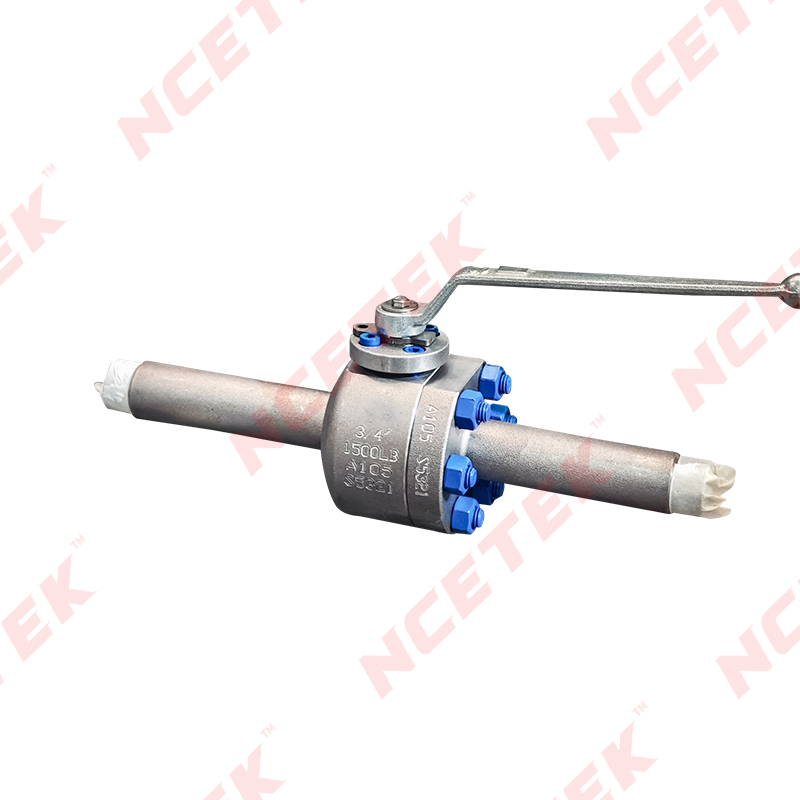
A welded regulating ball valve is used in places where flow needs to stay controlled while reducing possible leakage points. In corrosive conditions, the concern is not only flow regulation, but also how the internal surfaces react during long operation.
Inside a full system, the valve is not working alone. It sits between pumps, pipes, and control sections. If corrosion starts inside the valve, even slowly, the change can influence how the whole line behaves.
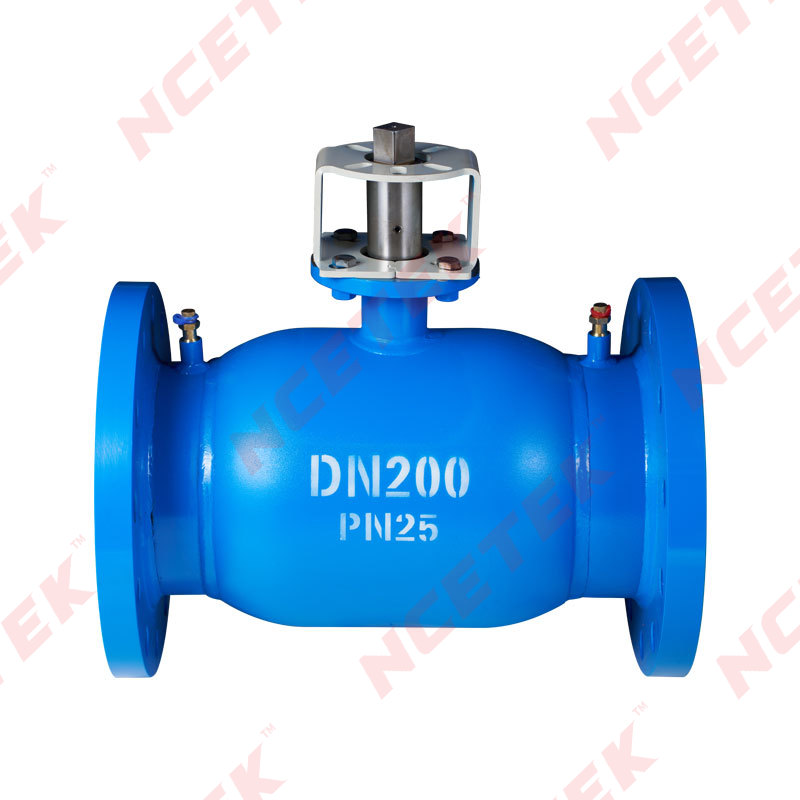
When corrosive fluid enters a valve, the first contact happens quietly on the inner walls. At the beginning, nothing unusual may be noticed. The system can still run smoothly. But over time, repeated contact begins to leave small marks.
Typical changes inside the valve may include:
These changes do not happen in one step. They appear gradually, often unnoticed during normal operation. Only after longer use do they become more visible in performance behavior.
This is why long-term compatibility is always considered before selecting a valve for corrosive environments.
A welded regulating ball valve is built with a body that is fully or mostly sealed through welding. This reduces the number of external connection points where fluid might influence weak areas.
In corrosive applications, this structure is used because it:
Inside the valve, the flow path is designed to stay as smooth as possible. This helps reduce places where corrosive fluid can settle or react unevenly.
A Welded Regulating Ball Valve Supplier usually considers not just the valve design, but also how it will behave under long exposure conditions before recommending a type.
Material choice is one of the first things that affects how a valve performs in corrosive media. Every part inside the valve interacts with the fluid in a different way.
The main components can be thought of like this:
| Valve Part | What It Does | What Matters In Corrosive Use |
|---|---|---|
| Body Structure | Holds overall shape | Stability during long exposure |
| Internal Ball | Controls flow direction | Smooth movement under contact |
| Sealing Parts | Prevent fluid leakage | Flexibility and resistance balance |
| Flow Channel | Guides fluid path | Smooth surface to reduce reaction points |
Each part has its own role, but they all work together. If one part reacts differently to corrosion, the balance inside the valve can slowly change.
Different welded body designs behave differently when exposed to corrosive fluids over time. The main difference is how many exposed joints exist and how continuous the structure is.
In general use, you may find:
Continuous welded structures are often used where reducing weak points is important. Section-based designs may be used where installation flexibility is needed.
The choice usually depends on the working environment rather than structure alone. A Welded Regulating Ball Valve Supplier typically matches the design with the actual flow condition instead of using a single fixed approach.
Inside the valve, flow is controlled by the movement of a ball and seat system. This movement is repeated every time regulation is needed.
In corrosive environments, this repeated motion creates ongoing contact:
These effects are usually small at first. However, when combined over long use, they can influence how smooth the regulation feels during operation.
Sealing is sensitive parts in a corrosive system. It sits between moving and fixed components, where both pressure and fluid contact are present.
Important behavior points include:
Even if the valve body remains unchanged, sealing performance can influence how stable the flow control feels in daily operation.
Welded construction helps reduce the number of external joints. In corrosive environments, fewer joints often mean fewer points where damage can start.
Key behavior advantages include:
This does not prevent corrosion, but it helps reduce where it can begin.
Corrosion does not depend only on fluid type. Temperature and pressure inside the system also affect how reactions take place.
In real operating conditions:
These conditions work together, and their combined effect often matters more than a single factor alone.
Internal surface condition plays a quiet but important role in corrosive environments. A smoother surface usually allows fluid to move with less disturbance.
Common effects of surface treatment include:
While it does not stop corrosion completely, it helps slow down uneven surface changes.
In actual pipeline projects, the valve is not installed in a clean or isolated condition. It sits inside a full working environment where space, pipe layout, and surrounding equipment all influence how it behaves.
A Welded Regulating Ball Valve Supplier often asks about installation surroundings before suggesting a valve type, because the same valve can behave differently depending on where it is placed.
In tighter pipeline layouts, small vibration from nearby equipment can slowly affect how the valve stays aligned. In more open layouts, the flow path may feel more stable, but external exposure like dust or moisture can still influence long-term condition.
Common installation-related factors include:
These conditions do not change the valve design itself, but they influence how smoothly it continues working over time.
When corrosive media is involved, selection is not based on a single feature. It is usually a combination of structure, material behavior, and expected flow condition.
In real engineering discussions, selection often follows practical questions:
Instead of focusing on one factor, engineers usually try to match several conditions together. This is where the role of a Welded Regulating Ball Valve Supplier becomes practical, since they often translate these conditions into valve structure choices.
Sometimes a more sealed structure is chosen. In other cases, easier maintenance access may be preferred, even if exposure risk is slightly higher.
Even when the valve type is correctly selected, daily operation habits still shape how it performs over time. These habits are often not noticed at first, but they slowly influence internal condition.
In many real systems:
These actions are normal in industrial use. However, repeated movement patterns can slowly affect how internal surfaces interact with corrosive media.
For example, frequent small adjustments may create more repeated contact between ball and seat areas, while steady flow may create more uniform wear patterns.
Maintenance in corrosive environments is not only about fixing issues. It is also about observing small changes before they become more visible in system behavior.
Typical maintenance activities include:
These actions are usually simple, but they help slow down uneven wear inside the valve.
In many cases, maintenance teams do not focus on a single part. They look at overall behavior, such as whether flow feels stable or whether regulation response has changed slightly over time.
With extended use, even a well-matched welded regulating ball valve can feel slightly different compared to its initial condition. This does not mean failure. It is often a gradual adjustment between material, flow, and environment.
Common long-term observations include:
These changes are usually slow. Operators often notice them only when comparing early and later performance during the same system operation.
The valve continues working, but the internal interaction between fluid and surface becomes more experienced, so to speak.
Not all corrosive fluids behave in the same way. Some interact gently with metal surfaces, while others create more active surface reactions.
In real applications:
Because of these differences, valve selection cannot rely on a single general rule. It needs to match the actual working condition as closely as possible.
A Welded Regulating Ball Valve Supplier often studies the type of media before recommending structure and material combinations.
Inside a pipeline, flow is not always perfectly stable. Even if the system is designed for steady movement, small changes in pressure or direction can occur.
These flow variations can include:
Inside the valve, these variations influence how the fluid interacts with surfaces. Over time, this can lead to uneven exposure in different internal areas.
Some parts may experience more contact, while others remain relatively stable. This unevenness contributes to long-term behavior differences.
In long-term corrosive environments, welded construction is often chosen because it reduces the number of exposed connection points. This does not remove corrosion risk, but it helps limit where it begins.
In practical use, welded structure helps in several ways:
Over time, this structure tends to behave in a more predictable way under consistent operating conditions.
In real engineering decisions, valve selection is rarely based on a single ideal condition. It is usually a balance between performance, maintenance expectations, and system layout.
Engineers often consider:
A Welded Regulating Ball Valve Supplier may be involved during this stage to help match structural options with actual working needs.
The final choice is usually a practical compromise rather than a theoretical selection.
In corrosive media systems, the behavior of a welded regulating ball valve is shaped by many small and continuous influences. Installation conditions, operator habits, flow behavior, and maintenance routines all interact over time.
The valve does not change in one step. It slowly adapts to its working environment. When these factors stay balanced, the system tends to remain more stable during long operation periods.
This is why selection, installation, and daily handling are often treated as connected parts of the same process rather than separate actions.
 nce@cnnsv.com
 +86-15727968392 / +86-15397375798
 +86-577-67091815
 +86-577-67091815
 Dongou Industrial Zone, Oubei Street, Yongjia County, Wenzhou City, Zhejiang Province, China


Contact Us