
 русский
 简体中文
简体中文

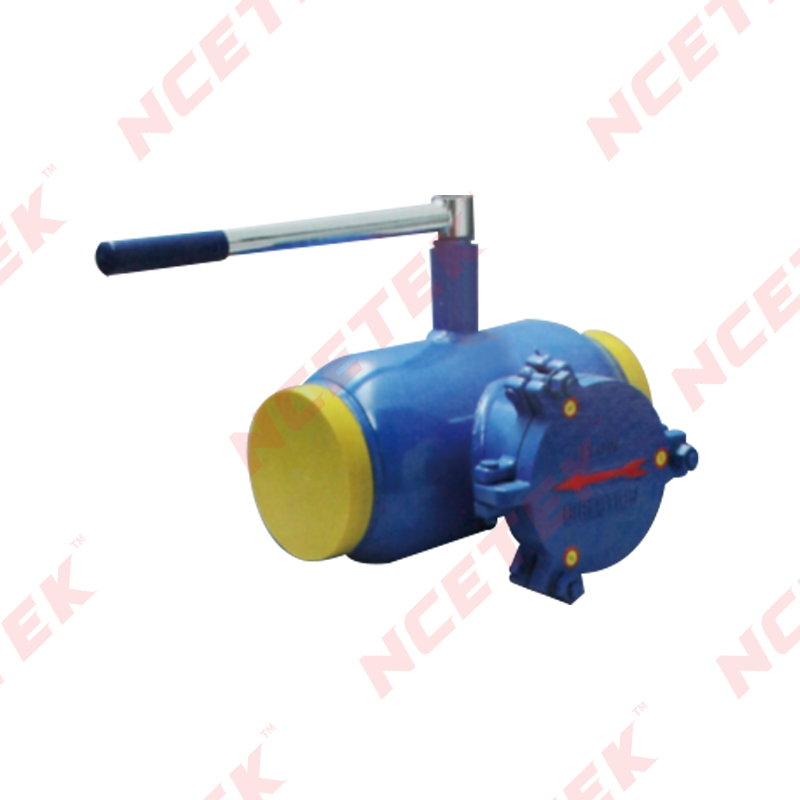
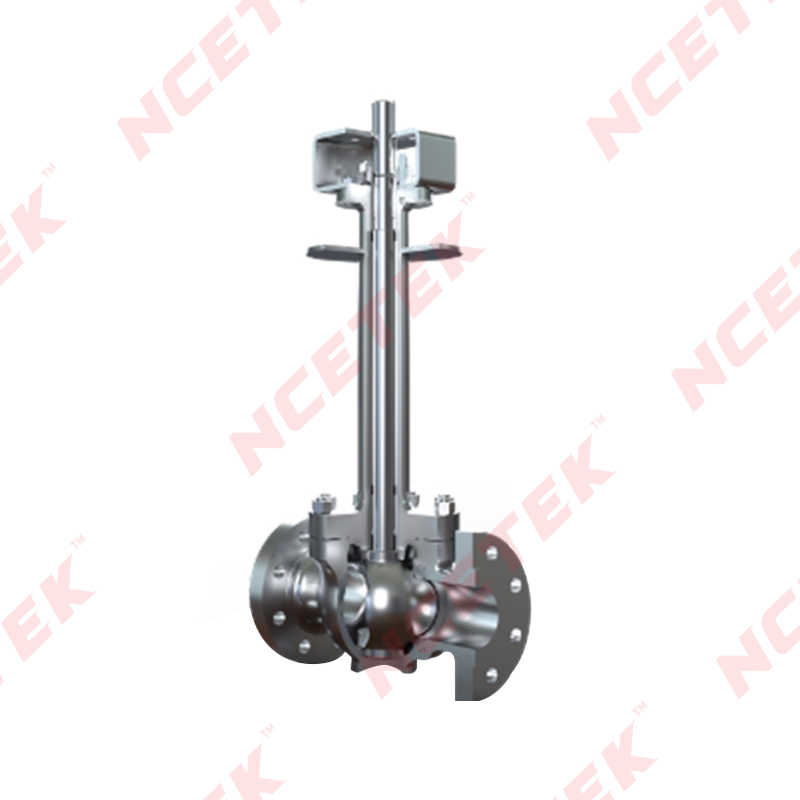
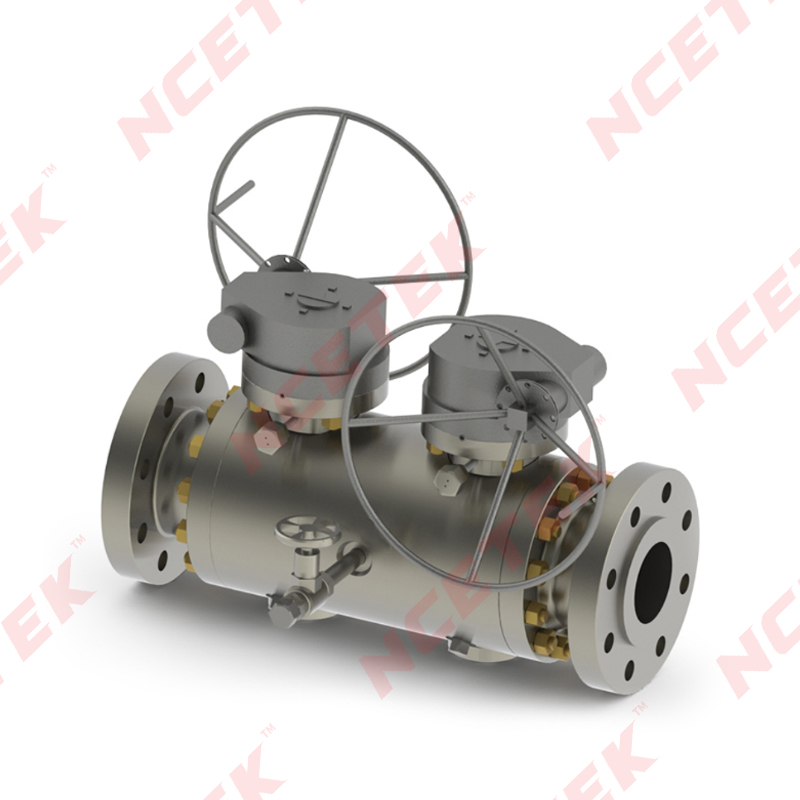
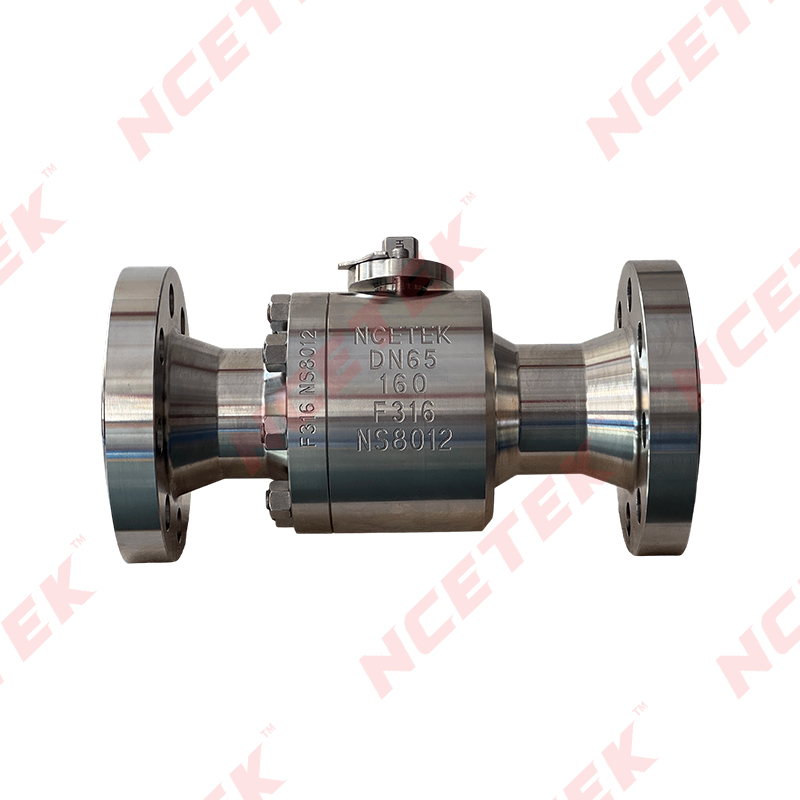
In many industrial environments, systems depend on a controlled flow of liquid or gas through a pipeline. In this context, Valve Custom refers to a process in which a valve is designed in accordance with a particular operating condition rather than depending solely on a standard model. With the increasing diversity of industrial environments, this approach is increasingly being applied to meet the actual requirements of the project.
A custom valve is created for a specific purpose. Engineers look at how and where the valve is to be used, and then make adjustments to its construction, materials, and connecting styles. This is not the same as choosing a finished product, where the design has been fixed before it reaches the user.
The importance of this approach becomes clear in daily operation. When a valve matches its operating conditions, it tends to operate in a more stable manner. If it doesn't, even a tiny discrepancy can cause a leak, wear, or break. These problems may not occur immediately, but they may have an impact on the long term.
Another reason customization matters is the difference between industries. A pipeline in a water facility operates under different conditions compared to one in a chemical plant. Even within the same industry, there is no such thing as identical projects. As a result, a flexible design approach becomes useful.
Instead of adjusting the system to fit a valve, customization allows the valve to fit the system. This shift in approach helps reduce unnecessary modifications and supports smoother installation.
Furthermore, project planning usually benefits from early customization. Considering valve design at the start of a project, it will be easier to coordinate with the layout of the pipeline, the layout of the equipment, and the control system. This reduces the need to adjust later and helps to make the project schedule more predictable.
Industrial valves are devices that control the movement of fluids within a pipeline system. They can open, close, or adjust the flow depending on what the process requires. Although they are often small compared to other equipment, their role is central to system control.
In practical use, valves help manage several key functions:
If these functions are not available, it will be difficult to maintain stable operation in the majority of industrial processes.
To make it easier to imagine, think of a pipeline network within a facility. It is possible that different flow conditions are required for different sections. Some need to move continuously, and some need to be controlled. Valves enable these variations to be managed without re-engineering the whole system.
Common Valve Types in Daily Use
Different designs are used depending on how the valve needs to function. Some widely used types include:
| Valve Type | Main Use | Typical Situation |
|---|---|---|
| Ball Valve | Fast shut-off | Quick control requirements |
| Gate Valve | Full open or close | Low resistance flow |
| Globe Valve | Flow adjustment | Controlled regulation |
| Butterfly Valve | Space-saving control | Limited installation area |
| Check Valve | Prevent reverse movement | Protection systems |
Each type has its own features. Choosing the correct one will depend on how it interacts with the system and the material being processed.
Practical Points to Consider
When valves are used in real projects, several factors can affect their performance:
These factors explain why a standard design may not always be suitable. A valve that works well in one system may not perform the same way in another.
Another point of concern is the interaction of the valve with other parts. The pump, the pipe, and the control system all work together. If one component is inconsistent with the other, it can affect the overall performance. Therefore, compatibility is frequently taken into account in the selection phase.
A standard valve is often used because it is easily available and can be used for a wide range of common applications. They are, however, designed on the basis of typical circumstances that might not be appropriate for each project.
Limitations of Standard Valve
Standard products follow fixed specifications. This can create challenges in certain situations:
When these issues appear, users may need to make adjustments elsewhere in the system.
Benefits of Custom Valve
Some practical benefits include:
For example, in systems dealing with corrosives, choosing appropriate materials at an early stage in the design process can help reduce wear. In another case, adjusting the connection type can simplify installation.
Considerations Over Time
Over longer periods of use, a valve that matches its environment may operate in a more consistent way. This does not remove the need for maintenance, but it can help make performance more predictable.
Another point is future flexibility. If system requirements change, a customized solution may be easier to adapt compared to a fixed design.
Also notable is the fact that customized valves can help to reduce unnecessary system adjustments. Rather than modifying the pipe or adding additional parts to fit the standard valve, the valve is designed to be compatible with the system. This makes it easier to install and lower the overall complexity.
Because of the difference in operation conditions in different industries, the demand of valve design is very broad. In many cases, customization is used to satisfy these particular needs.
Oil and Gas
This industry often involves challenging environments. The equipment may be subjected to high pressure and complicated media. Valves used here need to be designed carefully to handle these conditions.
Chemical Processing
Chemical facilities deal with substances that may affect materials over time. Selecting the right material is important. Customization allows valves to be designed for specific substances rather than general use.
Water Treatment
Water systems can vary in size and structure. Some focus on large-scale flow, while others involve detailed treatment processes. Customized valves can be adjusted to match these differences.
Power Generation
In a power plant, the equipment is usually in continuous operation. Changes in temperature and long operating periods are common. Valves in such systems are required to maintain steady performance in these conditions.
Food and Pharmaceutical
In these fields, cleanliness is an important factor. Valve design must consider ease of cleaning and material suitability. Custom solutions help meet these requirements while maintaining functionality.
In addition to these industries, other sectors such as marine engineering and mining also benefit from customized valve solutions. Each application brings its own challenges, making flexibility in design an important consideration.
In addition to industry requirements, there are other factors that influence the choice of valves.
Working Environment
External conditions like temperature, humidity, and exposure to chemicals can affect how a valve performs. Designing with this in mind helps support stable operation.
Frequency of Use
Some valves are used frequently, while others operate occasionally. Design methods may vary according to usage patterns.
Automation Needs
Many systems now include automated control. Valves may need to work with electric or pneumatic actuators. Customization allows better compatibility with these systems.
Maintenance Access
Ease of maintenance is another consideration. A design that allows simple inspection and servicing can help reduce downtime.
Another practical factor is transportation and installation. In some projects, space limitations or site conditions may affect how equipment is delivered and assembled. Customized valves can be designed to fit these constraints more effectively.
A Simple Comparison
| Aspect | Standard Valve | Custom Valve |
|---|---|---|
| Design Approach | General use | Application-based |
| Flexibility | Limited | Adjustable |
| Material Selection | Fixed options | Based on requirement |
| Installation Fit | May need adjustment | Designed to match |
| Long-Term Use | Depends on conditions | Aligned with environment |
Industrial systems continue to evolve, and their requirements are becoming more varied. Valves remain an essential part of these systems, helping control the movement of fluids and maintain stable operation.
Although standard valves are suitable for a wide variety of applications, they may not always satisfy more specific requirements. Customized valves offer an alternative by focusing on the actual operation and actual requirements.
By considering the environment, materials, and systems, customized solutions can help to create a better alignment between the device and the application. This approach makes it easier to operate and more flexible to handle a variety of business situations. In such cases, working with a Valve Custom Factory can provide additional support by offering solutions tailored to specific project needs, helping ensure components fit well within the overall system design.
 nce@cnnsv.com
 +86-15727968392 / +86-15397375798
 +86-577-67091815
 +86-577-67091815
 Dongou Industrial Zone, Oubei Street, Yongjia County, Wenzhou City, Zhejiang Province, China


Contact Us