
 русский
 简体中文
简体中文

Industrial systems depend on reliable fluid management, and valves are important for controlling flow, regulating pressure, and maintaining operational stability. Choosing a Valve Custom Factory is an important decision that affects installation, performance, and long-term maintenance. While standard valves are available in general applications, the unique technological requirements often require customized solutions for particular situations. Understanding the choice factors will help the project operate efficiently and maintain stable operation.
Custom valves are designed according to actual operating conditions, such as flow rate, fluid performance, temperature, pressure, and installation restrictions. The Valve Custom Factory provides guidance on design, material selection, and installation techniques to ensure that the valves operate effectively without any system modification.
Why Custom Valve Matter in Industrial Operations
Custom valves are useful when standard equipment cannot fully satisfy the requirements of the project. They are widely applied in many industries, including chemical, water, electricity, oil and gas, and food and drink manufacturing.
Adapting to Specific Operational Needs
Industrial systems operate under various conditions, including fluctuating temperatures, high pressures, corrosives, and viscous fluids. Standard valves may not always handle these conditions effectively. Custom valves enable engineers to choose materials, inner parts, and seals for consistent operation.
For example, in a water treatment facility, certain chemical dosing lines involve corrosive fluids that can quickly degrade standard components. Valves designed with corrosion-resistant materials and reinforced sealing maintain reliability and reduce maintenance frequency.
Integration and System Compatibility
Industrial systems usually involve complicated pipes, pumps, and control devices. Custom valves are designed to be compatible with existing configurations, without the need for adapters or other accessories. This makes it easier to install and reduces the risk of leakage or misalignment.
Operational Stability
Even a small difference in the capacity of the valve to meet the requirements of the system may result in a fluctuation of pressure or an uneven flow. Customized valves that are tailored to specific operating parameters help to maintain steady performance, minimize unplanned maintenance, and support predictable operation schedules.
Long-Term Flexibility
Industrial processes can evolve over time. The rate of production, temperature, and regulatory requirements may vary. Custom valves are flexible enough to accommodate such adjustments without major changes in the long run.
Compliance and Safety
Valves must comply with safety and operating standards in a controlled environment. Custom valves can be designed in accordance with the relevant rules, ensuring compliance without additional modifications.
Key Design Features in Custom Valve
When working with the Valve Custom Factory , you can customize different design elements to suit the specific needs of the project.
Material Selection
The choice of materials directly affects performance and lifespan. Considerations include:
The materials range from stainless steel and special alloys to polymer components. The selection of appropriate materials supports durability, security, and predictable performance.
Valve Type and Structure
Valve design impacts flow control and operational efficiency. Common types include:
| Valve Type | Function | Key Feature |
|---|---|---|
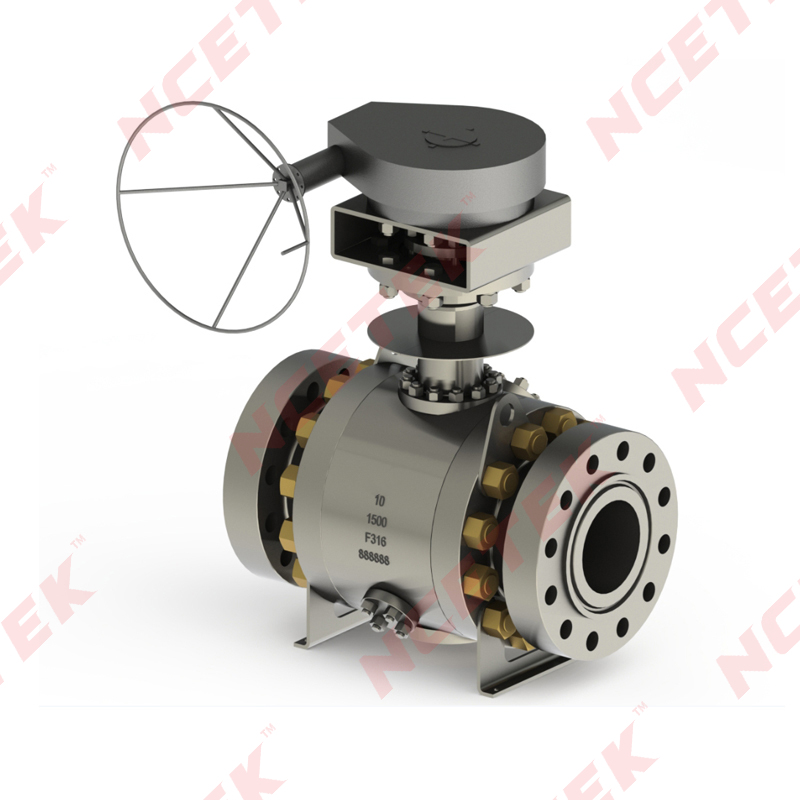
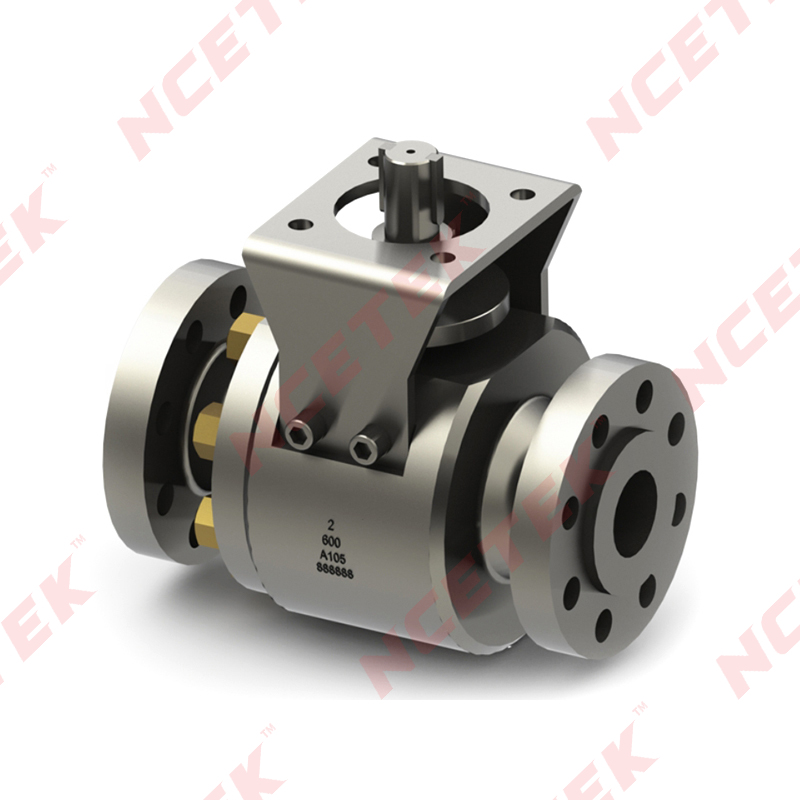
| Ball Valve | Quick shut-off | Simple mechanism, fast operation |
| Gate Valve | Fully open or closed | Minimal flow resistance |
| Globe Valve | Flow regulation | Precise flow control |
| Butterfly Valve | Space-limited installations | Compact design, easy operation |
| Check Valve | Prevent backflow | Protects upstream equipment |
Custom factories can adjust size, actuator type, and internal mechanisms to match specific project conditions.
Connection Methods
Pipeline connections must align with existing infrastructure. Custom valves can be built for:
Tailored connections reduce the need for additional fittings, saving time and improving reliability.
Actuation and Automation
Valves can be manual, pneumatic, electric, or hydraulic. A reliable factory ensures that actuation methods are compatible with automation and control systems.
Sealing and Safety
Seals prevent leakage, protect internal components, and maintain stability. Depending on system pressure and fluid properties, custom valves may include secondary safety features for added reliability.
Pressure and Flow Optimization
Custom valves can be engineered to optimize for specific flow rates or pressure ranges. This approach improves system efficiency while minimizing unnecessary adjustments.
Common Challenges in Custom Valve Projects
Custom valve provide clear benefits, but several challenges may arise:
Communication
Providing accurate operational details is important. Misunderstandings can result in valves that do not fit the intended system. Sharing schematics, fluid properties, and environmental conditions helps avoid mistakes.
Iterative Design
Custom valves often require multiple design rounds. Clear initial specifications reduce extra iterations, saving time and cost.
Material Selection
Choosing inappropriate materials can result in early wear or leakage. Materials must match operational conditions, including temperature, pressure, and fluid composition.
Installation Constraints
Some sites have restricted access, tight spaces, or specific handling needs. Custom valves should be designed to accommodate installation challenges to prevent delays.
Maintenance
Valves should allow inspection and maintenance without extensive disassembly. Custom designs can simplify servicing, reduce downtime, and extend operational life.
Cost Considerations
While custom valves may require a higher initial investment, they can reduce long-term costs by lowering maintenance needs and avoiding repeated modifications.
Key factors to consider include:
Practical Evaluation Checklist
| Evaluation Aspect | Key Questions |
|---|---|
| Experience | Have they completed similar projects? |
| Technical Support | Do they provide guidance on materials and design? |
| Quality Control | Are testing and documentation standards maintained? |
| Communication | How is project progress communicated? |
| Flexibility | Can adjustments be made if requirements change? |
| References | Are there case studies or client feedback? |
| Maintenance Guidance | Do they offer advice on inspection and servicing? |
Real-World Applications
Water Treatment
Chemical Industry
Power Generation
Oil and Gas
Food and Beverage
Custom valves are recommended when standard equipment may not fully meet the requirements of a particular project. Working with a qualified Valve Custom Factory ensures that the valve is suited to your system, integrates smoothly, and is adaptable for future changes. Proper design, material choice, and plant evaluation support stable operation, easier installation, and reduced long-term maintenance.
Customized valve solutions support system reliability, reduce unnecessary adjustments, and maintain operational consistency. Careful planning and proper selection of factories can make industrial systems more efficient, safe, and adaptable.
 nce@cnnsv.com
 +86-15727968392 / +86-15397375798
 +86-577-67091815
 +86-577-67091815
 Dongou Industrial Zone, Oubei Street, Yongjia County, Wenzhou City, Zhejiang Province, China


Contact Us