
 русский
 简体中文
简体中文

Valves are widely used in industrial systems to control flow, pressure, and the direction of fluids. They are found in pipelines across many sectors, including water treatment, chemical processing, energy systems, and manufacturing lines. In most setups, valves are selected based on general working conditions and standard specifications, which makes them a practical and widely adopted component in engineering design.
Standard valve products are designed to cover a broad range of applications. They provide a convenient option during project planning and are commonly used in early system construction because of their availability and ease of installation. For many stable and predictable operating environments, these products can perform their function without requiring special adjustments.
As industrial systems become more complex, operating conditions are not always consistent throughout the full lifecycle of equipment. Flow behavior, media characteristics, and installation environments may vary depending on real working situations. In such cases, engineers sometimes begin to evaluate whether standard configurations are still sufficient for long term use, or whether more application focused solutions should be considered.
Why does everything look fine at the start, then slowly change?
This is something many engineers recognize.
A system is installed. Everything runs smoothly for a while. Then small changes start showing up:
Nothing "breaks", but the system feels like it needs more attention.
This is usually the first hint that a standard valve is being used outside its comfort range.
Why does flow feel a bit "off " even when nothing is broken?
Have you ever seen a system where everything is technically working, but the result still feels slightly inconsistent?
This happens more often than people expect.
Standard valves are designed with general flow behavior. That works well for common use. But when a process needs a very steady or very specific flow pattern, small differences start to matter.
It can show up like this:
It is not a failure. It is more like a mismatch between design and real use.
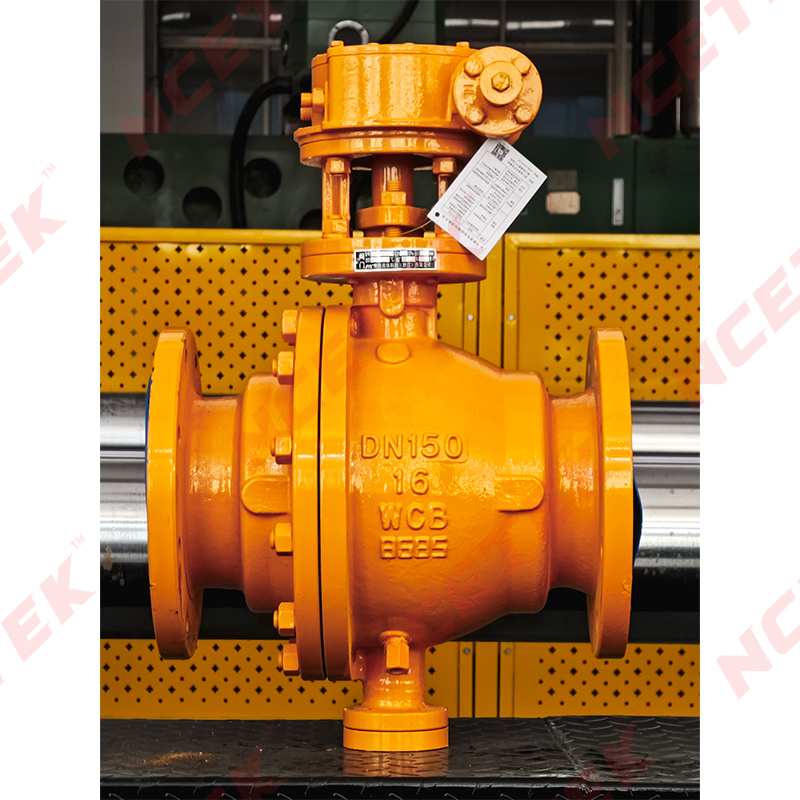
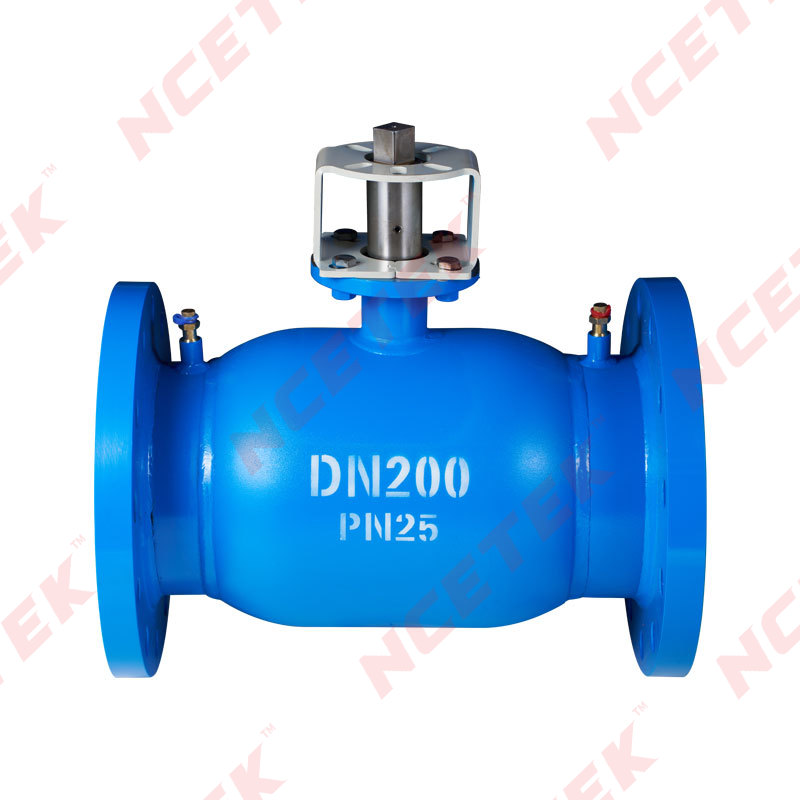
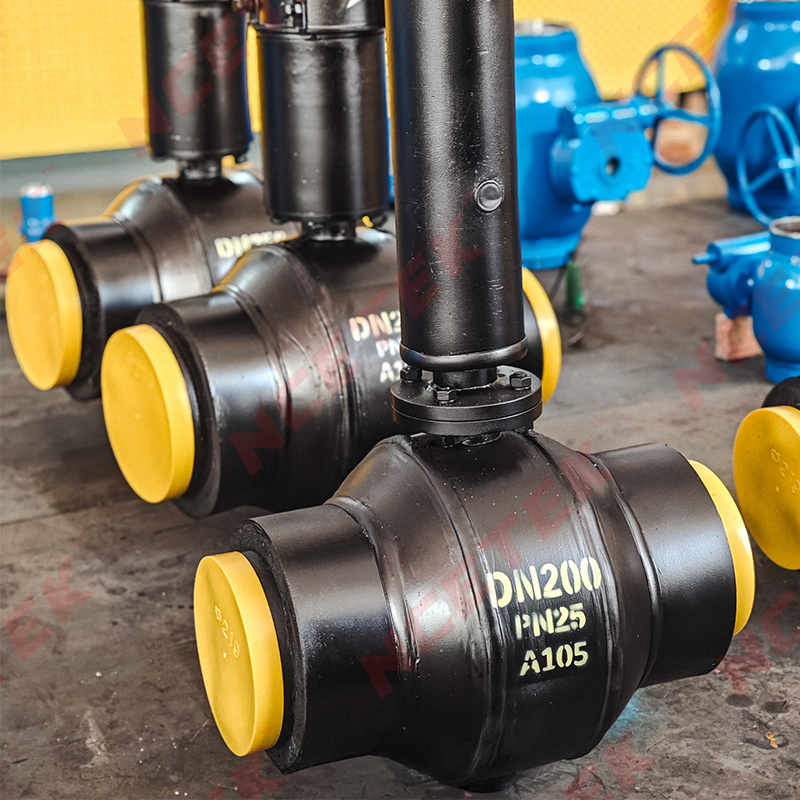
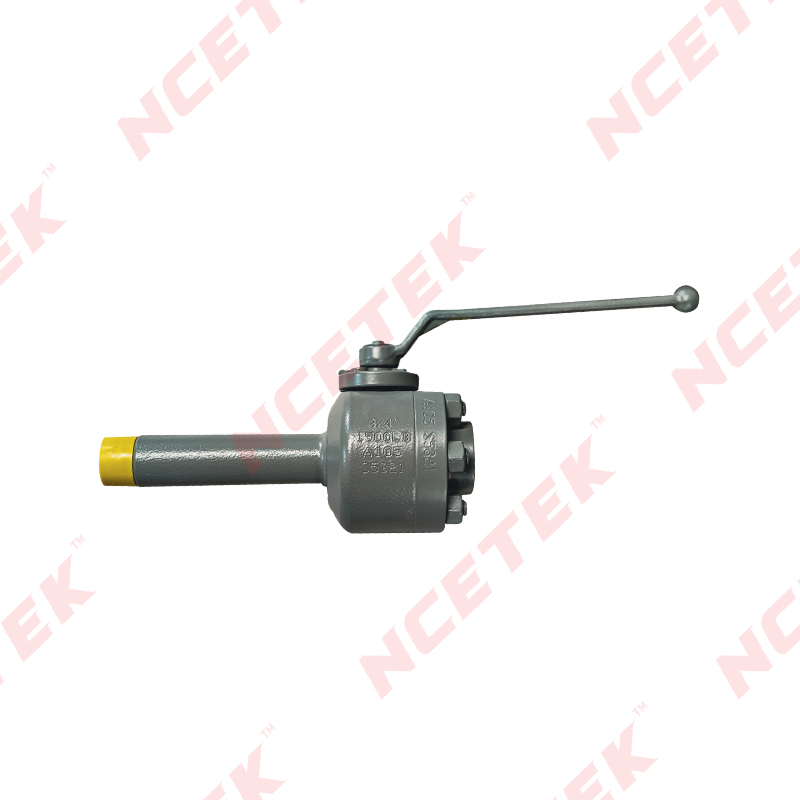
With Valve Custom, the internal flow path can be adjusted to better match the actual process instead of a general assumption.
Why do some valves wear faster in real conditions?
On paper, materials look fine. In real operation, things are different.
Fluids are not always clean or stable. Temperature can shift. Particles may exist in the medium. Over time, this creates small stress on the valve.
What users often notice:
This usually does not happen suddenly. It builds slowly.
A customized approach allows material choice to match the actual working medium. It does not stop wear completely, but it can make it more predictable and easier to plan around.
Why does installation sometimes become a headache?
On drawings, everything looks aligned. On site, space is tighter than expected. Pipes do not match exactly. Support positions are fixed.
Now adjustments begin:
Each step takes time.
Valve Custom can reduce this friction by matching real installation space and connection style. Sometimes even a small adjustment in shape or end connection makes a big difference on site.
Why does the system behave differently under changing conditions?
Some systems never stay in one condition.
Pressure goes up and down. Temperature changes. Load is not constant.
Standard valves are usually designed around a stable range. When real operation moves around more, behavior can feel less predictable.
You might see:
Custom design can take these changes into account earlier, so the valve is not only tuned for one situation.
Why does maintenance feel more frequent than expected?
Maintenance is normal. The question is how often it interrupts work.
Sometimes standard valves need:
In custom designs, maintenance access and structure can be considered from the beginning. That can make servicing feel less disruptive in daily work.
Why does noise or vibration show up in some systems?
This is often ignored until it becomes noticeable.
A valve might create small turbulence inside flow paths. Over time, that can lead to:
It does not always mean something is wrong. But it can be a sign that flow is not as smooth as it could be.
Adjusting internal design in a custom solution can sometimes help make the flow feel calmer in operation.
Where do people usually start thinking about customization?
Most often, it is not a big decision at first.
It starts in situations like:
At that point, engineers start asking a simple question:
Is this something the valve should adapt to?
Is custom always necessary?
If conditions are stable and requirements are simple, standard valves are still practical and widely used.
Customization usually becomes relevant when:
Standard valve is built for general operating conditions
Valve Custom is developed based on specific system requirements
Neither approach replaces the other. They simply serve different application needs in different environments.
In many real projects, valve-related issues are not sudden breakdowns. They usually appear gradually in day to day operation. Small adjustments become more frequent. Maintenance checks come earlier than expected. Performance differences are not obvious at first, but become more noticeable over time.
Standard products are suitable for a wide range of applications, but industrial environments are rarely identical in practice. Even small differences in process conditions or system layout can influence long term behavior.
At this stage, the discussion is often less about whether the valve works, and more about how stable and consistent the operation feels after extended use.
This is also where more application focused manufacturing, such as support from a Valve Custom Factory , becomes part of the consideration process. It is not about replacing standard solutions, but about providing another option when real operating conditions require a more specific approach.
 nce@cnnsv.com
 +86-15727968392 / +86-15397375798
 +86-577-67091815
 +86-577-67091815
 Dongou Industrial Zone, Oubei Street, Yongjia County, Wenzhou City, Zhejiang Province, China


Contact Us