
 русский
 简体中文
简体中文

Selecting a valve for a pipeline system may look simple at first, but in real engineering practice, it often requires careful consideration. Ball valves are widely used in water treatment, chemical processing, energy systems, and many industrial pipelines. They are valued for their stable flow control and relatively simple structure. However, when engineers need to choose from a ball valve factory , two questions usually come first: what size is suitable, and which type fits the working condition.
Why size and type are not just technical details
In many cases, people assume that selecting a valve is only about matching pipe dimensions. In reality, it is more connected to how the system behaves during operation.
A valve is not an isolated component. It interacts with:
Because of this, choosing the right specification is not only about fitting a pipeline, but also about ensuring stable operation over time.
What does "size" really mean in ball valve selection
Size usually refers to the connection dimension between the valve and the pipeline. But from a practical perspective, it also affects how the system behaves.
A mismatch in size can lead to:
In real projects, engineers often start by reviewing the pipeline layout and existing system design before making any decision.
Key points usually checked before selecting size
Even small differences in layout can influence the final choice.
How engineers think about valve type selection
Ball valves are not all the same. Different internal structures and configurations are designed for different working conditions. Instead of focusing on product names, engineers usually think in terms of behavior.
Common considerations include:
The type of valve selected often reflects these practical needs.
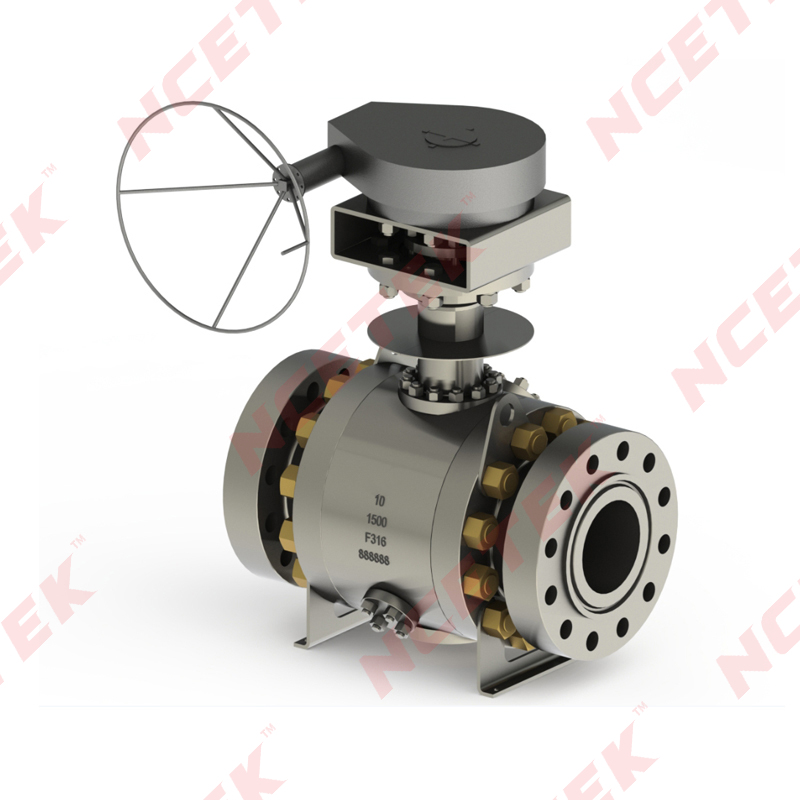
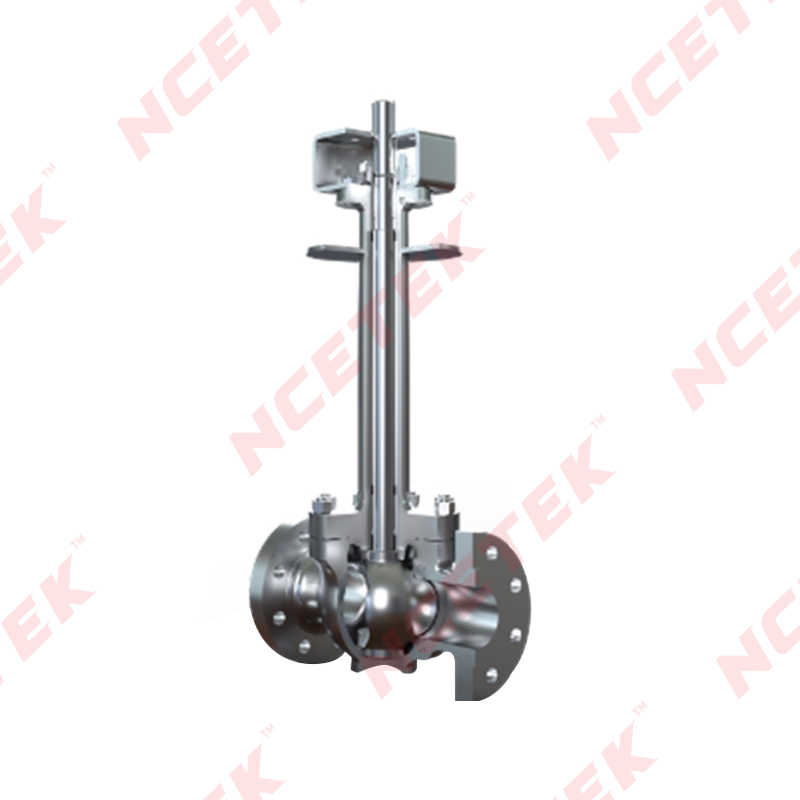
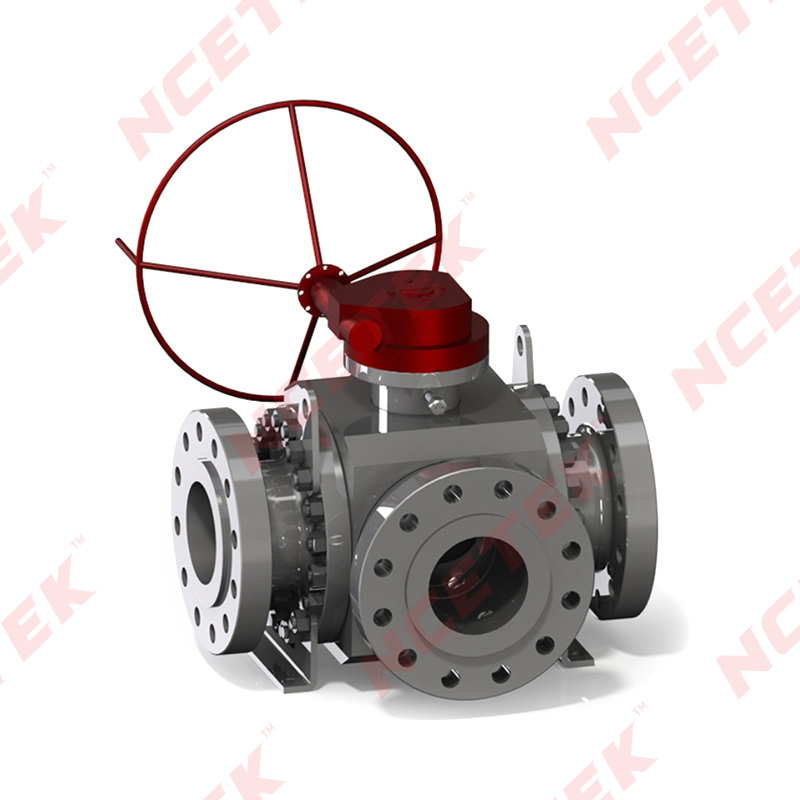
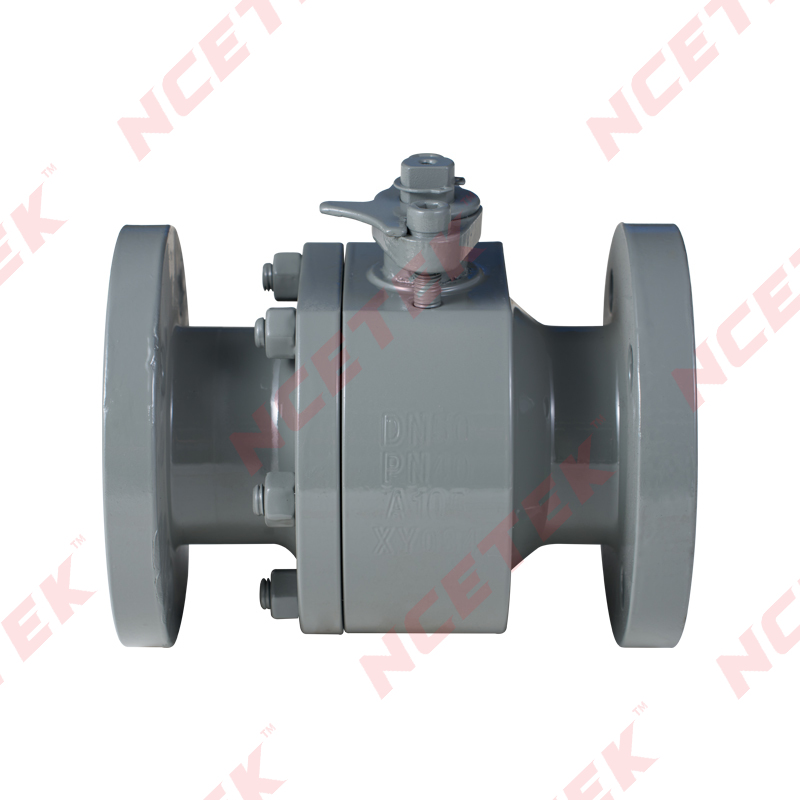
Common types of ball valves in industrial use
| Type | Typical usage focus | Practical behavior |
|---|---|---|
| Full bore design | Systems needing minimal flow restriction | Allows smoother passage of medium |
| Reduced bore design | General industrial pipelines | More compact structure |
| Floating structure | Medium pressure systems | Ball shifts slightly for sealing |
| Fixed structure | Higher stability systems | Ball supported at both ends |
| Manual operation type | Simple control systems | Hand controlled adjustment |
| Automated type | Controlled systems | Uses external actuation |
Step 1: Understand the working environment first
Before selecting anything from a ball valve factory, the most important step is understanding the system itself.
Engineers usually ask:
These questions help narrow down the selection range before looking at specific products.
Step 2: Match valve behavior with system needs
Once the working environment is clear, the next step is matching valve behavior.
For example:
If the system requires stable flow with minimal disturbance, internal flow path design becomes important
If the system changes frequently, ease of operation becomes more relevant
If maintenance access is limited, structure simplicity becomes a consideration
This stage is less about specifications and more about how the valve behaves in real use.
Step 3: Consider installation conditions
Installation is often underestimated during early planning.
In real projects, space limitations are common. Pipes may already be fixed, and new equipment must fit into existing layouts.
Things to review include:
A small oversight at this stage can lead to unnecessary modification work later.
Step 4: Think about long term operation
A valve is not only selected for installation day. It is expected to work for a long period under real conditions.
Over time, engineers usually pay attention to:
A suitable choice is often one that reduces operational uncertainty rather than just meeting initial requirements.
Step 5: Understand material considerations in practical use
Material selection plays an important role, but it is usually guided by application rather than preference.
Different fluids may interact differently with valve components. For example:
A ball valve factory typically provides several material options to support different working environments. The final selection depends on system conditions rather than general assumptions.
How flow behavior influences selection decisions
Flow is one of the most important aspects in valve selection. Even if the size is correct, flow behavior can still affect system performance.
Things that may be observed in real systems:
These are often not design failures but natural results of system interaction.
Choosing a valve type that aligns with expected flow behavior helps improve overall stability.
Common mistakes during selection
In practice, some selection errors appear repeatedly in different projects.
1. Focusing only on size
Size alone does not guarantee stable performance.
2. Ignoring system variation
Systems rarely operate under fixed conditions all the time.
3. Overlooking installation limits
Space and connection constraints can affect final usability.
4. Not considering maintenance access
Long term servicing should be part of early planning.
Instead of focusing on technical detail first, engineers often use a simple thinking process:
| Question | What it helps decide |
|---|---|
| What is flowing through the system | Material compatibility |
| How stable is the process | Valve structure type |
| How often does it change | Operation method |
| Where will it be installed | Size and connection |
| How long will it run | Durability focus |
Role of ball valve factory in selection support
A ball valve factory usually provides more than just products. In many cases, it also supports selection through application understanding.
This may include:
Why selection becomes more important in complex systems
In simple systems, minor differences may not be noticeable. But in more complex setups, small mismatches can affect overall performance.
As systems become more integrated, valves play a more active role in maintaining stability. This is why selection is often treated as part of system design rather than just component purchasing.
Choosing the right size and type from a ball valve factory is not a single step decision. It is a process that involves understanding the system, observing real operating conditions, and thinking about long term use.
Size ensures physical compatibility, while type influences how the system behaves during operation. Both aspects work together.
In practical engineering work, the most suitable choice is usually the one that fits naturally into the system without creating unnecessary adjustment or operational pressure.
 nce@cnnsv.com
 +86-15727968392 / +86-15397375798
 +86-577-67091815
 +86-577-67091815
 Dongou Industrial Zone, Oubei Street, Yongjia County, Wenzhou City, Zhejiang Province, China


Contact Us