
 русский
 简体中文
简体中文

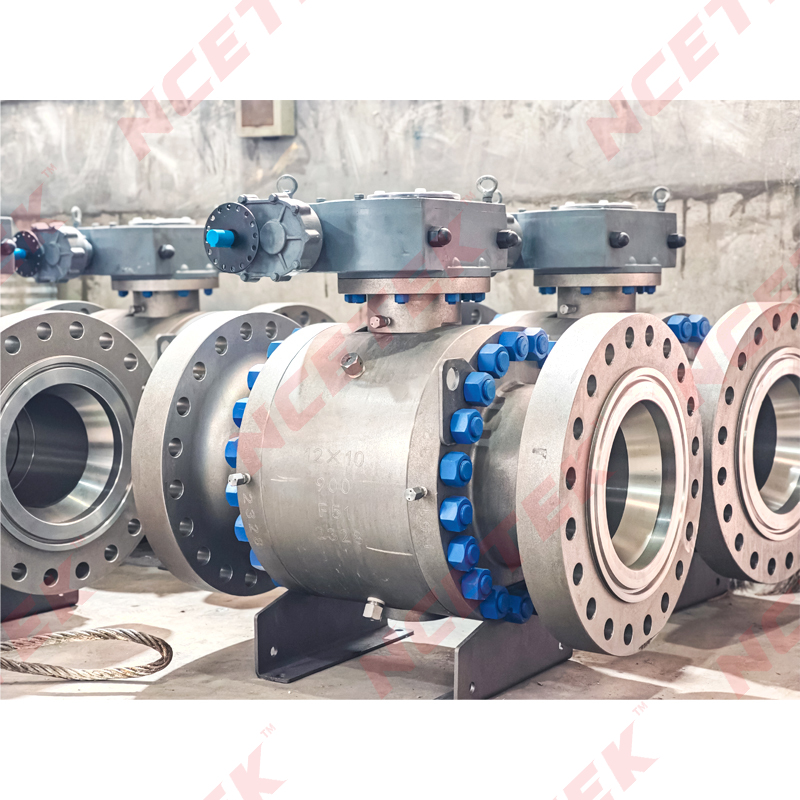
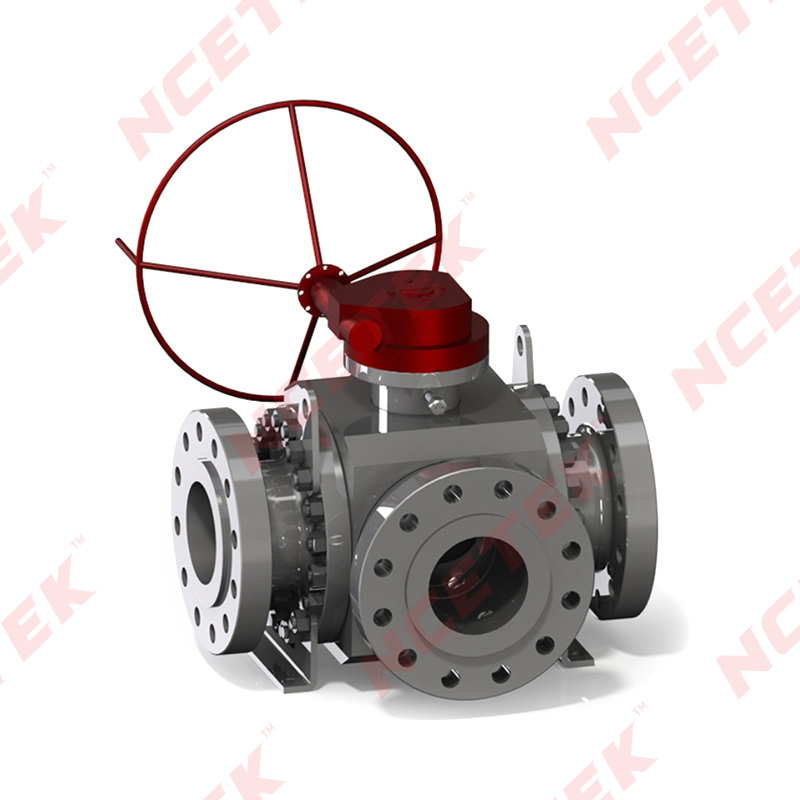
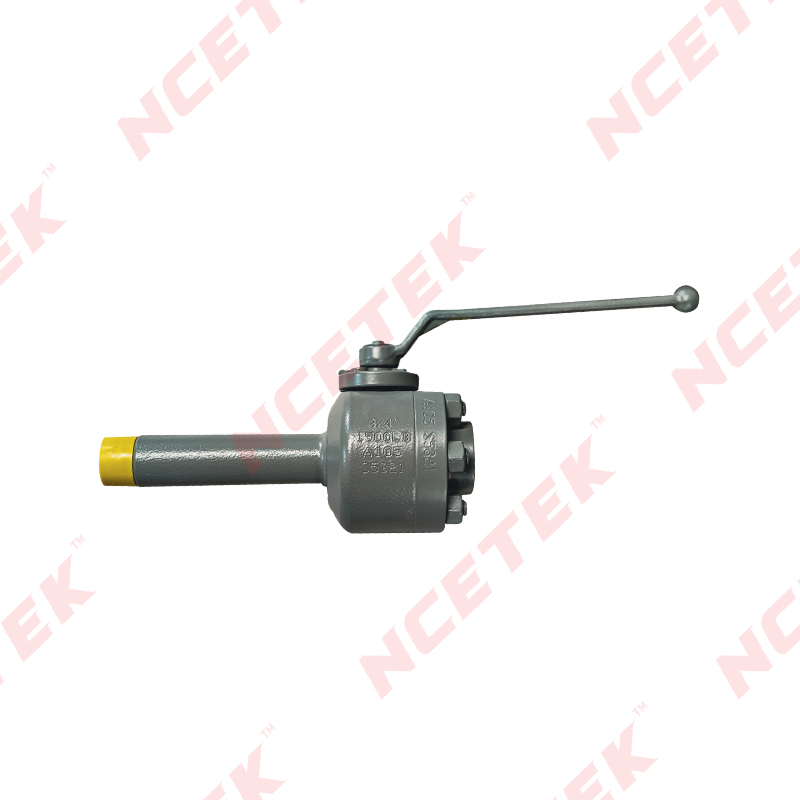
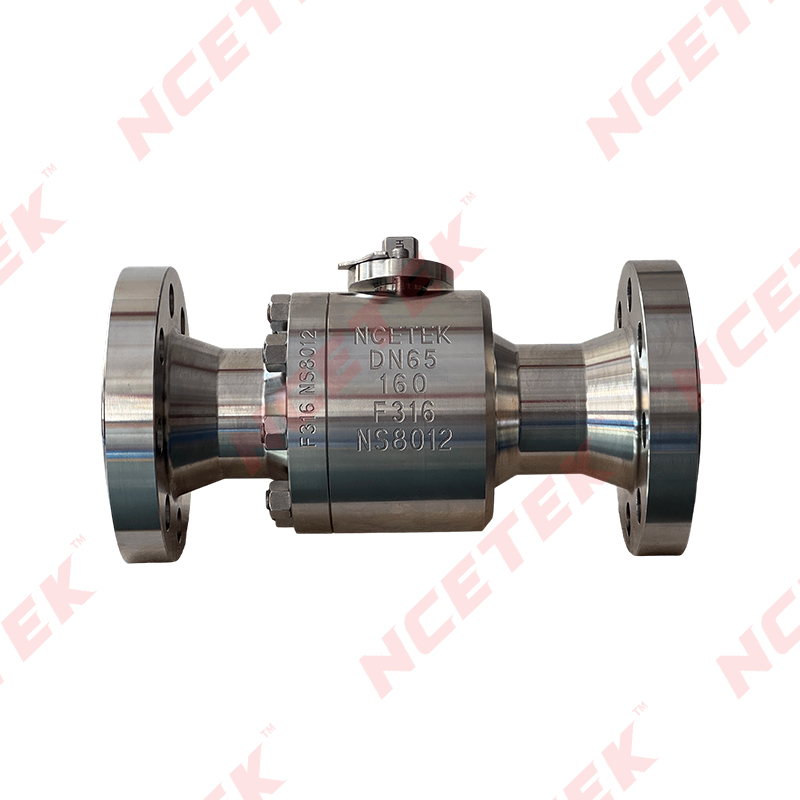
In gas processing systems operating under cryogenic conditions, pressure variation is closely linked with thermal behavior, fluid phase characteristics, and mechanical stress distribution. When pressure changes rapidly, the resulting expansion or compression of low-temperature media can induce immediate temperature shifts, alter material dimensions, and affect sealing contact within valve components. Cryogenic Ball Valve Design is developed to manage these coupled effects by maintaining structural stability, consistent sealing performance, and controlled flow behavior under transient conditions.
Walk through any gas processing facility and one thing becomes clear pretty fast. Nothing stays still for long. Pressure rises, drops, stabilizes, then shifts again. It is part of daily operation, not an exception. Now add cryogenic conditions into that mix, and things get a bit more sensitive.
Pressure Changes Are Not Always Gentle
In theory, systems are designed for smooth transitions. In reality, pressure shifts can be sudden.
A few typical moments where this happens:
At cryogenic temperatures, even a small pressure drop can trigger further cooling due to gas expansion. So now the valve is dealing with two changes at once: pressure and temperature.
What Actually Happens Inside the Valve
It is easy to imagine pressure change as just a number on a gauge. Inside the valve, it is more physical than that.
When pressure increases:
When pressure drops quickly:
That short moment is where design really matters. A well thought-out structure keeps everything stable even when conditions are not.
Why Standard Designs Struggle Here
A valve designed for normal temperature service might technically survive low temperature, but it will not behave the same way.
At cryogenic conditions:
Now add rapid pressure variation, and the margin for error becomes smaller.
The Role of the Extended Stem
One feature that often gets overlooked is the extended stem.
At first glance, it just looks longer. But it serves a practical purpose.
By extending the stem:
During rapid pressure changes, this stability helps prevent sudden sealing issues around the stem.
It is a simple idea, but it makes a noticeable difference over time.
Ball Support Makes a Difference
There are two common ways the ball is supported, and they behave differently when pressure changes fast.
Floating Ball
Trunnion Mounted Ball
In systems where pressure shifts frequently, reducing movement helps maintain alignment between the ball and seat.
Sealing Is Not Just About Contact
Sealing is often described as two surfaces touching. In reality, it is more dynamic than that.
During pressure changes, especially sudden drops:
To deal with this, designs often include:
So even if one factor changes, the system still holds together.
Materials Have to Keep Up
Material selection is where theory meets reality.
At low temperature, some materials become less forgiving. Under rapid pressure change, that matters even more.
Engineers look for materials that can:
For example:
| Part | Typical Approach | Why It Matters |
|---|---|---|
| Body | Austenitic stainless steel | Keeps strength at low temperature |
| Ball | Hardened surface | Handles high-speed flow contact |
| Seat | Polymer-based material | Keeps flexibility for sealing |
| Packing | Graphite or similar | Maintains seal under variation |
Flow Behavior Changes Quickly
When pressure shifts, flow does not just increase or decrease. It can become unstable for a short time.
You might see:
A well-designed valve reduces these effects by keeping the flow path smooth and consistent.
When fully open, the flow path inside a ball valve is relatively straight. That helps limit disturbance even when pressure differences are large.
Repeated Cycles Are the Real Test
One pressure change is not the issue. It is the repetition.
Over time:
This is where long-term design thinking shows up.
Instead of focusing only on initial performance, cryogenic valves are built to handle ongoing variation without rapid degradation.
Installation Still Matters More Than People Think
Even a well-designed valve can run into trouble if installation is not handled carefully.
A few practical points:
Pressure changes will expose any weak point in installation pretty quickly.
Maintenance Is Not About Constant Intervention
These valves are not meant to be adjusted every week. But they do benefit from observation.
Things worth checking:
These small signals often show how the valve is responding internally.
Where This Matters Most
Rapid pressure change is not rare in gas processing. It shows up in many places:
In all these cases, the valve is part of a larger system. Its behavior affects overall stability.
Choosing the Right Valve Is About Context
Selection depends on:
Understanding the actual working condition matters more than simply matching specifications on paper.
Manufacturing Consistency Plays a Quiet Role
Even with a solid design, results depend on how well the valve is made.
Precision in machining, proper assembly, and inspection all contribute to how the valve performs under pressure variation.
Manufacturers like Ncevalve focus on producing valves suited for these environments, where consistency across units is just as important as the design itself.
Rapid pressure changes are part of real-world gas processing. They are not edge cases, they are everyday conditions.
Cryogenic Ball Valve Design works not by resisting change, but by adapting to it. Through structural choices, material behavior, and sealing strategies, these valves remain stable even when the system is not.
Understanding how they respond under these conditions helps engineers and buyers make better decisions. And in environments where pressure and temperature never fully settle, that understanding goes a long way.
 nce@cnnsv.com
 +86-15727968392 / +86-15397375798
 +86-577-67091815
 +86-577-67091815
 Dongou Industrial Zone, Oubei Street, Yongjia County, Wenzhou City, Zhejiang Province, China


Contact Us