
 русский
 简体中文
简体中文

Sealing problems in pipeline work rarely come from one single reason. In most cases, it is a mix of pressure movement, temperature change, and how long the system keeps running without pause.
Inside a running line, pressure never stays still. It moves up and down slightly, even when the system looks stable from outside. That movement slowly reaches the sealing area of the valve. Over time, the contact between ball and seat starts reacting to those changes.
Temperature adds another layer. Metal expands a bit when things get hot and contracts when conditions drop. The change is small, yet enough to shift how tight two surfaces touch each other.
What usually shows up in practice is not sudden failure, more like gradual change:
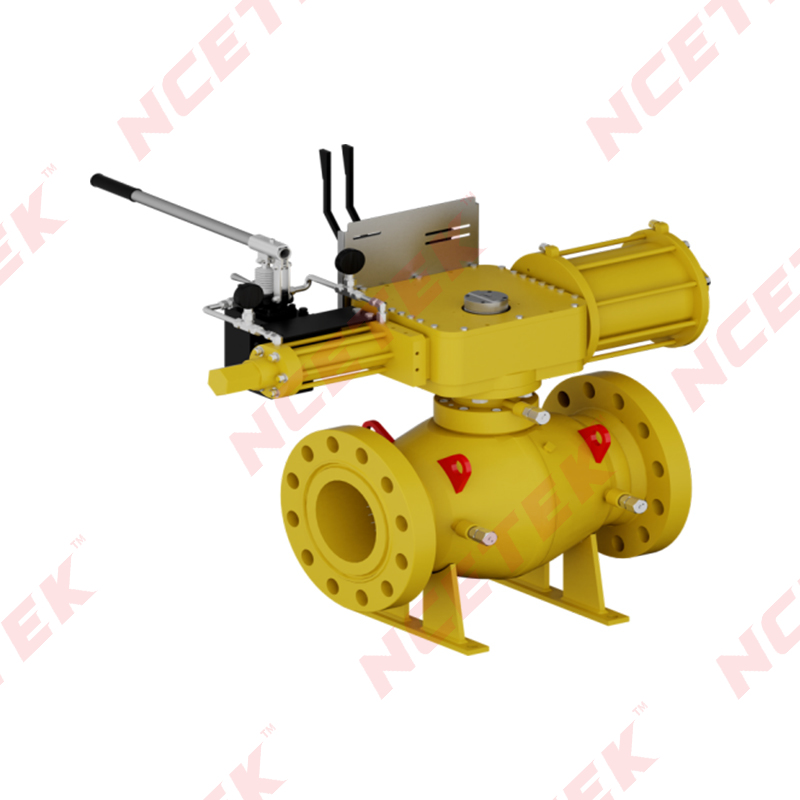
In harsh working environments, Full Welded Ball Valve is often used because the body structure removes many weak transition points that normally exist in assembled designs.
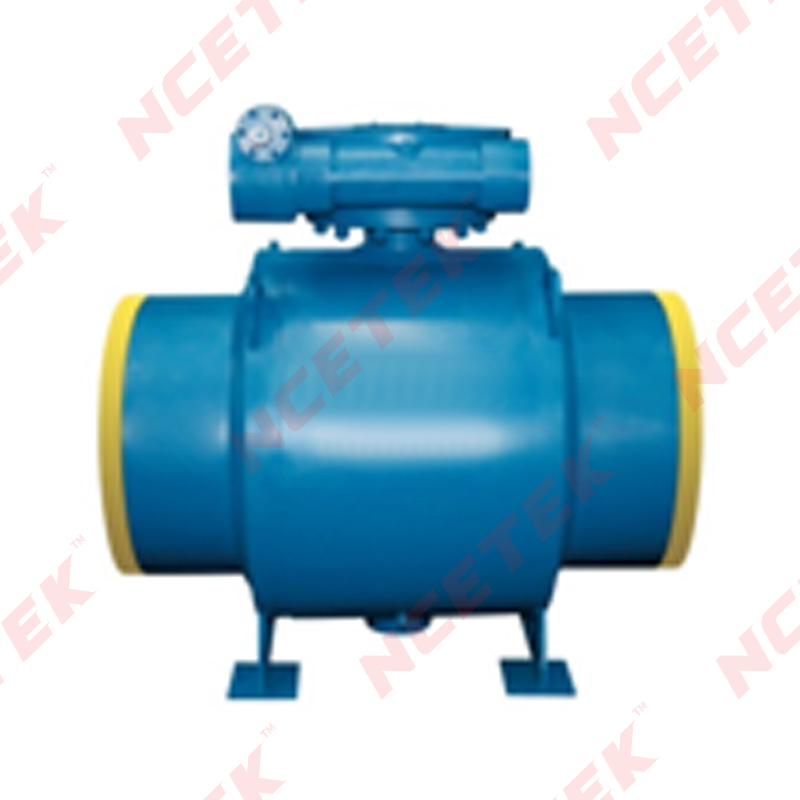
Structure decides how force travels inside the valve. If the body has more joints or connection points, stress does not move evenly. It breaks into small sections, and each section reacts in its own way.
A welded body behaves differently. It feels more like one continuous piece rather than separate parts joined together. When pressure moves through it, the force spreads more evenly.
In real operation, structural difference can be felt in small ways:
Floating Ball Valve Manufacturer decisions during design and assembly also affect how these structural behaviors appear in real systems. Small differences in machining or alignment can later show up as sealing variation.
In a Full Welded Ball Valve, the body is formed as a continuous structure. There are fewer visible joints, which means fewer places where stress can build up unevenly.
Inside the valve, sealing depends on how well the ball stays pressed against the seat. When the body does not flex at connection points, that contact stays more stable.
During operation, a few patterns are usually noticed:
It is not about making sealing stronger in one direction. It is more about keeping the contact condition from changing too often.
Even when design looks similar, manufacturing quality changes how sealing behaves in real use. A Floating Ball Valve Manufacturer controls how parts are shaped, matched, and assembled before the valve ever enters a pipeline.
Sealing stability depends heavily on small details that are not always visible:
If these small details shift even slightly, sealing response changes under pressure. It may not show immediately, but it becomes clearer during long operation.
In systems where pressure does not stay constant, a fixed sealing position is not always enough. An API Floating Ball Valve uses a floating structure where the ball can shift slightly under pressure.
That movement is not large. It is more like a small adjustment that keeps the ball and seat in contact even when flow conditions change.
In real pipeline behavior, it often looks like:
This kind of structure allows the valve to react instead of staying rigid under changing conditions.
Sealing is never only about structure. Material and surface condition quietly decide how contact behaves over time.
When two metal surfaces stay in repeated contact, they slowly adjust to each other. The surface becomes smoother in some areas and slightly worn in others. That change influences how evenly pressure spreads.
In real operation, a few material-related behaviors often appear:
| Valve Type | Structural Feel | Sealing Response | Field Behavior |
|---|---|---|---|
| Full Welded Ball Valve | Continuous body, fewer joints | Stable contact under change | Less internal movement |
| Floating Ball Valve | Adjustable internal motion | Pressure-assisted sealing | Flexible response |
| API Floating Ball Valve | Controlled floating behavior | Balanced sealing adjustment | Stable under variation |
Welding changes how the valve body behaves under stress. Instead of multiple connection points, force moves through one continuous structure.
That continuity reduces places where movement can concentrate. Over time, that means less shifting inside the body when pressure changes repeatedly.
In long operation cycles, welded structure usually behaves like this:
Full Welded Ball Valve uses this structure to keep sealing behavior steady even when conditions keep changing.
In real pipeline environments, conditions rarely stay steady for long periods. Pressure changes, temperature swings, and flow variation all act on the valve body in different ways. Sealing contact becomes the point where all these influences meet.
When temperature rises or drops, metal parts react slowly through expansion or contraction. The movement is not large, though enough to change how tightly surfaces stay pressed together. Over time, that shift can be noticed in sealing behavior.
Pressure variation also plays a quiet role. When flow becomes stronger, the sealing surface receives more force. When flow weakens, that force drops, and the contact condition relaxes slightly. Repeating this cycle many times creates gradual change in surface interaction.
What often appears in operation is like this:
In such working environments, Full Welded Ball Valve is often selected because structural continuity helps reduce internal movement caused by external variation.
An API Floating Ball Valve works with a structure that allows slight movement of the ball inside the valve body. This movement is not free or loose. It follows pressure direction and stays controlled by seat contact.
When pressure increases on one side, the ball shifts slightly toward the seat, improving contact. When pressure drops, the ball returns closer to a neutral position. That small adjustment helps maintain sealing contact under changing flow conditions.
In practice, behavior often feels like:
This kind of movement helps the valve adapt rather than resist change directly.
Full Welded Ball Valve and Floating Ball Valve do not behave in the same way under stress. The difference comes mainly from structure and internal movement style.
A welded structure limits internal shifting. Everything stays fixed as one continuous body, so pressure moves through without breaking into separate sections. Floating structure, on the other hand, allows internal adjustment through ball movement.
In real operation, differences often appear like this:
Neither structure behaves better in all cases. Each one reacts differently depending on system conditions.
Sealing stability is not only about design concept. Floating Ball Valve Manufacturer process plays a strong role in how final behavior appears in real use.
Even small differences during machining or assembly can influence sealing contact. If ball surface finishing is uneven, pressure may not distribute smoothly. If seat alignment shifts slightly, sealing contact changes under load.
In practical production control, attention usually stays on:
These factors slowly define how sealing behaves once the valve is placed in a working system.
Sealing stability is not created by a single element. It comes from several design details working together inside the valve.
Ball-to-seat contact remains one of the key points. If contact stays evenly distributed, sealing behaves more predictably under pressure change. If contact becomes uneven, small leakage paths may appear during long operation.
Other design factors also play a role:
When these elements stay aligned, sealing behavior remains more stable during long cycles.
In long running systems, valves experience repeated cycles of pressure and temperature change. Each cycle is small, though over time the effect becomes visible in sealing performance.
Full Welded Ball Valve reduces internal weak points by using a continuous body structure. That structure limits small movements that usually appear at connection areas.
During long operation, behavior often appears as:
Instead of reacting to every change inside the system, the welded structure helps keep movement contained.
How Does Sealing Balance Stay Between Strength and Flexibility?
Sealing performance depends on a balance between two opposite needs. One side requires strong contact pressure to prevent leakage. The other side needs enough flexibility to adjust under changing conditions.
Full Welded Ball Valve leans more toward structural strength. Its continuous body keeps internal movement limited, which helps maintain stable contact under pressure variation.
Floating Ball Valve and API Floating Ball Valve, on the other hand, introduce controlled movement to adapt sealing contact when pressure changes.
In real operation, balance usually appears as:
This balance is what keeps sealing performance functional under different working conditions.
 nce@cnnsv.com
 +86-15727968392 / +86-15397375798
 +86-577-67091815
 +86-577-67091815
 Dongou Industrial Zone, Oubei Street, Yongjia County, Wenzhou City, Zhejiang Province, China


Contact Us