
 русский
 简体中文
简体中文

In many industrial flow systems, valve selection is closely related to pipeline size, pressure condition, and installation space. Large transport lines usually need structures built for heavy mechanical load, while smaller utility systems often require something more compact and easier to integrate into existing layouts.
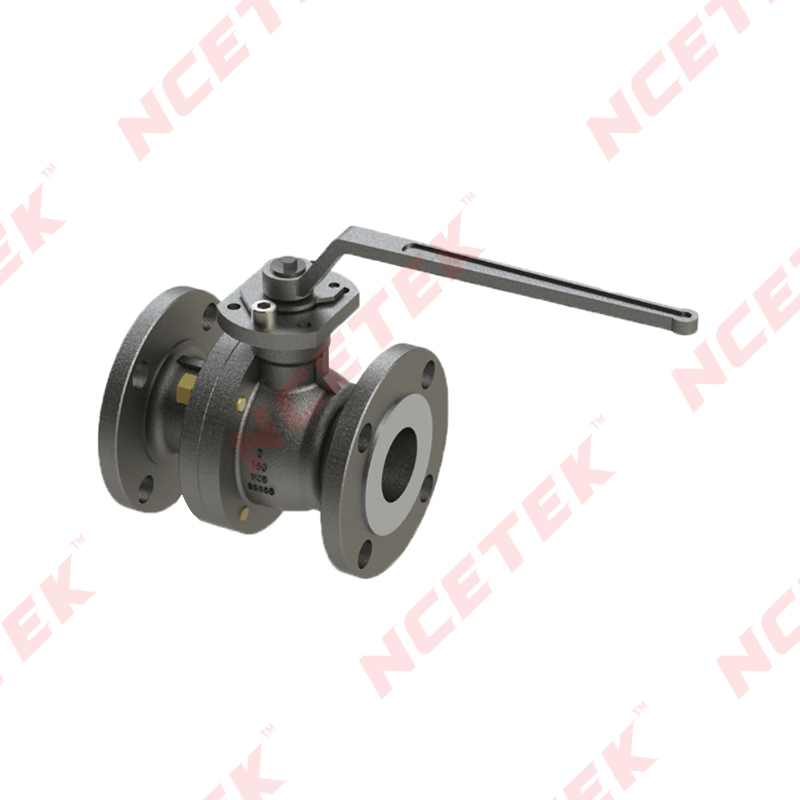
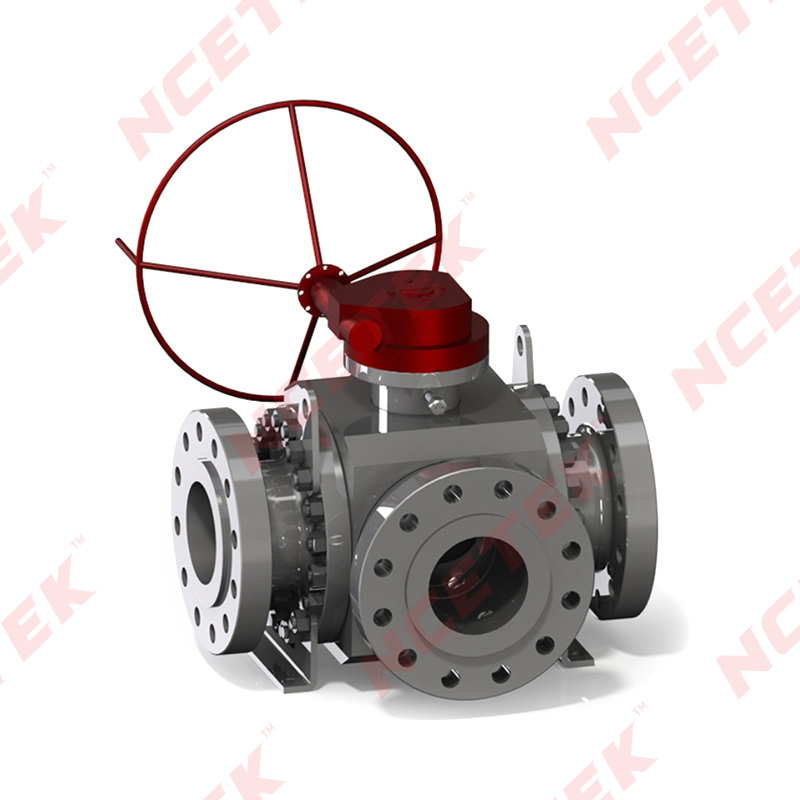
An API Floating Ball Valve is widely used in moderate-pressure service lines where sealing stability and installation flexibility matter more than oversized structural support. In smaller pipelines, the floating structure allows the ball to move slightly under pressure, helping sealing surfaces stay in contact during operation.
Inside utility systems, flow conditions rarely remain completely unchanged. Pressure shifts during opening and closing cycles, and flow direction may vary depending on operating demand. A floating structure reacts to those changes without requiring complicated movement inside the valve body.
In practical operation, the design is often chosen for situations such as:
The compact body also helps reduce installation complexity in crowded pipe arrangements where larger valve structures may not fit easily.
Different valve structures respond differently once pressure enters the system. Floating designs are generally associated with moderate operating conditions where pipeline diameter remains relatively small and flow movement stays controlled.
In such environments, the sealing mechanism benefits from internal pressure assistance. As pressure increases, the floating ball moves slightly toward the seat, improving contact around the sealing area.
Typical working conditions often include:
The structure is not usually intended for extremely large-diameter transport systems where internal force becomes much heavier. In those situations, different support mechanisms are normally required to reduce mechanical load on the sealing area.
API Floating Ball Valve is more commonly associated with balance between compact structure, sealing response, and manageable operating stress.
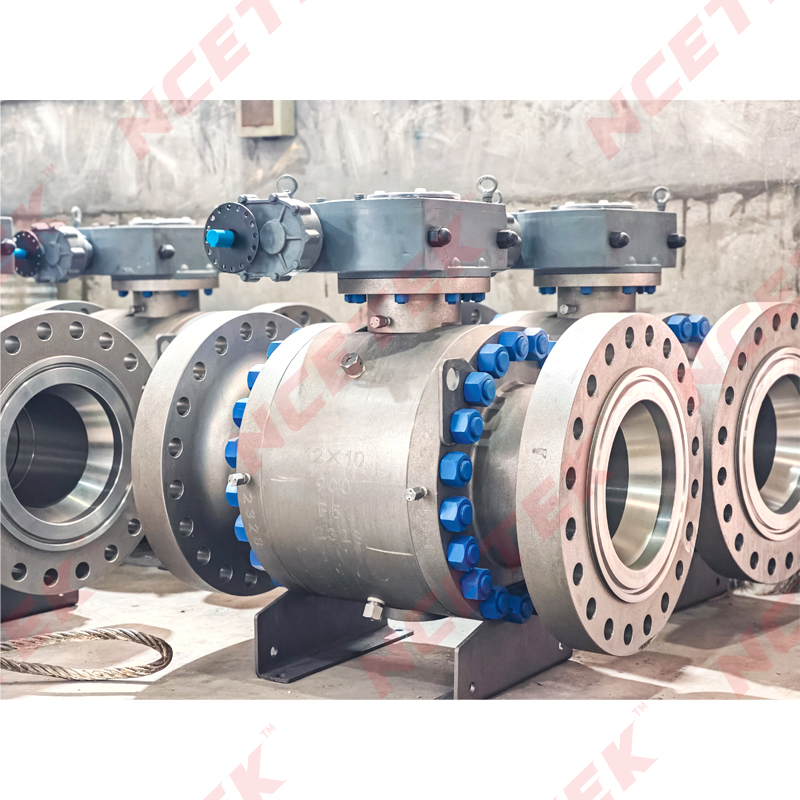
The floating structure changes how sealing contact behaves during operation. Instead of locking the ball into one fixed position, the design allows slight movement inside the valve body.
When pressure enters from one side, the ball shifts gently toward the downstream seat. That movement increases contact pressure around the sealing surface. The process happens naturally through internal force rather than external adjustment.
During operation, several small interactions happen continuously:
The movement itself is limited and controlled. The ball does not move freely inside the cavity. It shifts only enough to maintain sealing balance during operation.
In energy transport systems where flow conditions change throughout the day, this type of sealing adjustment helps maintain stable shut off behavior without complicated structural movement.
Utility systems inside industrial facilities often carry process air, cooling water, gas support flow, or auxiliary transport media. Such lines usually operate under moderate pressure and do not require oversized valve structures.
Space inside utility sections is often limited. Pipe routing becomes crowded around pumps, heating equipment, filtration systems, and process units. A compact valve body becomes easier to install and maintain under these conditions.
Practical reasons for using floating designs in utility lines include:
A Flanged Floating Ball Valve is frequently selected in these environments because flange connections allow easier removal and maintenance during servicing work.
At wellhead and extraction locations, smaller service lines are often connected to control equipment, pressure balancing sections, and support flow systems. Many of these pipelines operate continuously while requiring reliable shut off during maintenance or operational adjustment.
An API Floating Ball Valve fits well in smaller bore service lines because the structure remains compact while still providing stable sealing response under changing pressure conditions.
Inside extraction environments, several factors influence valve behavior:
The floating structure helps absorb some pressure variation through controlled movement between the ball and seat surfaces.
For maintenance teams, compact body layout also reduces difficulty during installation or replacement work in crowded pipe arrangements.
Gas transport systems require steady shut off behavior because pressure balance changes continuously as flow demand rises and falls.
In smaller downstream distribution networks, compact floating designs are commonly used where pipeline size remains moderate and installation flexibility matters.
The sealing mechanism reacts naturally to gas pressure movement. As internal pressure changes, sealing contact adjusts automatically through ball movement toward the seat.
Operational behavior in gas systems often includes:
A Flanged Floating Ball Valve also supports easier maintenance access in distribution systems where periodic inspection and servicing are part of normal operation.
Connection structure affects more than installation convenience. It also changes how force travels between pipeline and valve body during operation.
A flanged connection creates stable alignment between valve and pipe sections while allowing removal without cutting the pipeline apart. In utility and distribution systems, that accessibility becomes useful during maintenance cycles.
In practical operation, flange structures help with:
Long pipeline systems often experience small movement caused by pressure fluctuation or thermal expansion. A properly aligned flange connection helps reduce uneven stress around the valve body during those conditions.
| Application Environment | Operating Characteristic | Valve Behavior |
|---|---|---|
| Utility Pipelines | Repeated daily cycling | Stable compact operation |
| Gas Distribution | Pressure fluctuation | Adaptive sealing response |
| Cooling Systems | Continuous circulation | Steady flow isolation |
| Chemical Dosing Lines | Reactive media exposure | Controlled sealing contact |
| Modular Skid Systems | Limited installation space | Compact integration |
Valve behavior in the field often starts long before installation. Small details during machining, assembly, and surface finishing gradually affect how sealing contact behaves once pressure enters the system.
A Floating Ball Valve Manufacturer controls how accurately the ball matches the seat, how evenly internal surfaces are finished, and how stable alignment remains during assembly. None of these details look dramatic from outside, though they become noticeable after long operating cycles.
When machining consistency changes slightly, sealing contact may not distribute pressure evenly. One side of the seat may carry more load than another side, especially during repeated opening and closing movement.
In practical production environments, attention usually stays on areas such as:
Over time, these small manufacturing differences influence how the valve responds to pressure variation, vibration, and temperature movement inside the pipeline.
Seat material changes how sealing contact reacts under different media conditions. Some surfaces remain stable under gas transport, while others respond better in chemical service environments where fluid composition affects sealing behavior.
Soft sealing materials are often selected for moderate-pressure utility systems because they adapt more easily to the floating movement of the ball. During operation, the seat slightly conforms to the sealing surface, helping maintain contact as pressure changes.
In chemical dosing lines or corrosive transport systems, seat compatibility becomes more important because aggressive media can gradually change surface condition over time.
Operational influence usually appears through:
The seat does not work independently. It reacts together with ball movement, pressure direction, and flow condition inside the valve cavity.
Pipeline conditions shape valve behavior every day. Even in stable systems, pressure and temperature continue shifting in small ways throughout operation.
When pressure cycles repeatedly, the floating ball adjusts position over and over again. The movement is controlled, though long operation gradually changes how surfaces interact with each other.
Temperature also affects internal contact. Metal expands slightly under heat and contracts during lower operating conditions. That movement changes sealing pressure between the ball and seat.
In practical systems, several operating conditions commonly influence performance:
None of these changes happen suddenly. Most develop slowly during long operation cycles.
Floating structures work well in smaller and moderate-size pipelines because internal pressure force remains manageable inside the valve cavity.
As pipeline diameter increases, pressure pushes against a much larger ball surface area. Internal force becomes heavier, and sealing contact begins carrying more mechanical load.
At that point, floating movement alone becomes less practical for maintaining stable operation. Additional support structures are usually introduced to reduce load concentration around the sealing area.
In large transport systems, several conditions become more difficult for floating structures:
For that reason, floating designs are commonly associated with smaller utility and moderate-pressure transport systems rather than very large pipeline networks.
Many utility and energy systems do not operate under continuous high-cycle conditions. Instead, valves open and close periodically throughout daily operation.
An API Floating Ball Valve fits moderate-cycle service because the floating structure maintains sealing contact without requiring complicated movement inside the body.
During repeated operation, the sealing surface gradually adapts to working conditions. Pressure continues assisting contact between ball and seat during each cycle.
In practical operation, moderate-cycle behavior often includes:
The compact structure also helps reduce installation difficulty in systems where pipe layout space remains limited.
Floating valve systems appear across many industrial utility environments where compact structure and stable sealing behavior are more important than large-scale heavy-duty isolation.
Gas distribution networks commonly use floating designs in branch systems and smaller transport sections. Utility lines inside processing plants also rely on compact shut off valves for process air, nitrogen, cooling circulation, and auxiliary flow systems.
Common application environments include:
A Flanged Floating Ball Valve is often selected in these sectors because installation and removal remain simpler during maintenance work.
Inside the valve body, several small interactions happen continuously while the system operates. Pressure enters the cavity, the ball shifts slightly toward the sealing seat, and contact pressure adjusts around the sealing surface.
Operational stability depends on how evenly these forces remain balanced.
Important design influences include:
When balance remains stable, the valve responds more smoothly during pressure fluctuation and repeated operation cycles.
Energy transport systems often remain active for long periods without interruption. Small instability inside sealing surfaces may not appear immediately, though repeated cycles gradually reveal operational differences.
Pressure movement, temperature change, and continuous flow slowly influence how surfaces interact inside the valve body.
During long-term operation, practical observations often include:
Stable operation becomes important because utility systems rely on continuous flow balance rather than isolated short-term movement.
The floating structure works by balancing two needs at the same time. One side requires movement flexibility so sealing can adjust under pressure change. The other side requires enough stability to maintain controlled shut off behavior.
An API Floating Ball Valve keeps that balance through limited internal movement rather than rigid positioning.
In real operating environments, the balance often appears as:
The design remains closely connected with smaller and moderate-pressure utility systems where installation flexibility and stable sealing behavior are both important during long operation periods.
 nce@cnnsv.com
 +86-15727968392 / +86-15397375798
 +86-577-67091815
 +86-577-67091815
 Dongou Industrial Zone, Oubei Street, Yongjia County, Wenzhou City, Zhejiang Province, China


Contact Us