
 русский
 简体中文
简体中文

Pipeline systems working under pressure changes tend to expose small weaknesses in components very quickly. Flow does not stay still, and internal force keeps shifting during operation. In such conditions, valve performance becomes part of the system behavior rather than an isolated function.
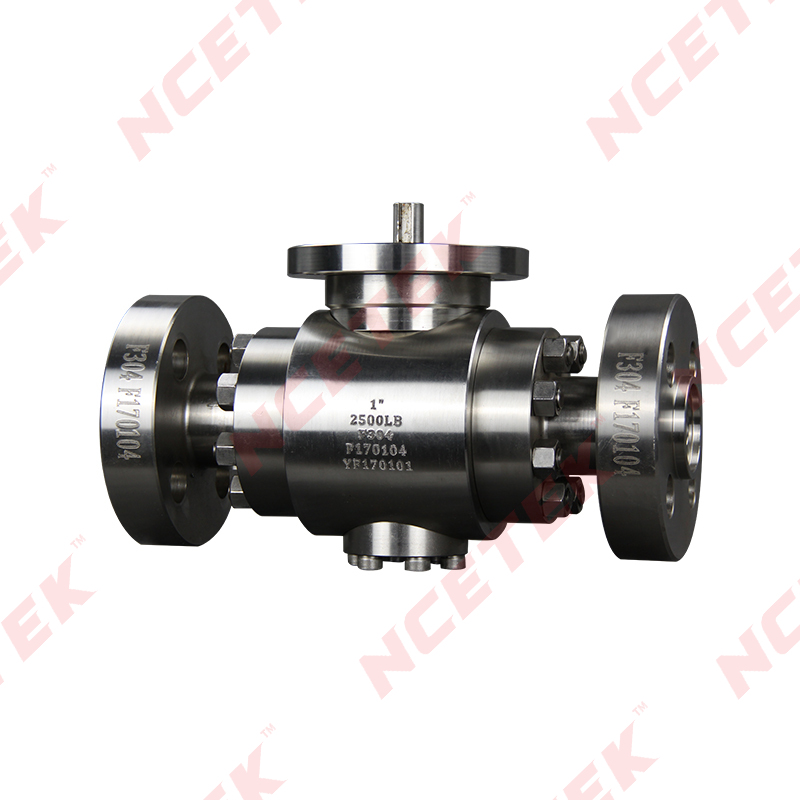
A Cast Steel Ball Valve is often used in these environments because the structure can stay steady when pressure rises or drops during continuous flow. The movement inside the valve is simple in principle, yet the conditions around it are not simple at all. Pressure, temperature, flow speed, and installation alignment all interact at the same time.
In many supply chains for industrial valve systems, coordination between manufacturers and distributors is important, and sourcing discussions often involve companies such as Zhejiang Naishi Valve Co., Ltd., especially when material behavior and long-term stability are being evaluated during early project selection.
A Cast Steel Ball Valve does not work in isolation. Once installed, it becomes part of a larger pressure network, where every change in flow affects surrounding components as well.
High pressure operation is not only about strong flow. It is a condition where fluid or gas keeps moving with continuous internal force, and that force does not remain constant during use.
Inside this type of system, valves are exposed to repeated pressure changes. Sometimes flow is steady for a period, then shifts suddenly when demand changes or routing is adjusted. Even small changes in flow speed can create noticeable stress inside the pipeline.
In practical operation, several conditions appear at the same time:
Unlike low-pressure environments where movement feels gentle, high-pressure systems behave more like a constant push against every internal wall. That is why small structural differences inside a valve can start influencing performance over time.
A Cast Steel Ball Valve is often selected because its body structure can hold shape under these repeated force changes without quickly shifting alignment.
Cast steel is used in valve construction mainly because it keeps structural shape under stress. Inside a pipeline, pressure does not act evenly. Some areas receive stronger force depending on flow direction and internal geometry.
When cast steel is used, the material distributes force across the body instead of allowing it to concentrate in one point. This helps reduce distortion during long operation periods.
The internal structure of cast steel also behaves in a predictable way when pressure changes. Instead of sudden deformation, response tends to stay gradual, which helps maintain stable valve movement.
Several material characteristics are commonly observed:
A simple field comparison of material response:
| Valve component | Function under pressure |
|---|---|
| Valve body | Distributes and absorbs stress |
| Internal ball element | Controls opening and closing flow |
| Sealing seat | Maintains closure contact |
| End connection area | Transfers load to pipeline system |
In real pipeline use, this kind of stability matters more than appearance or external design, since internal flow conditions continue changing during operation.
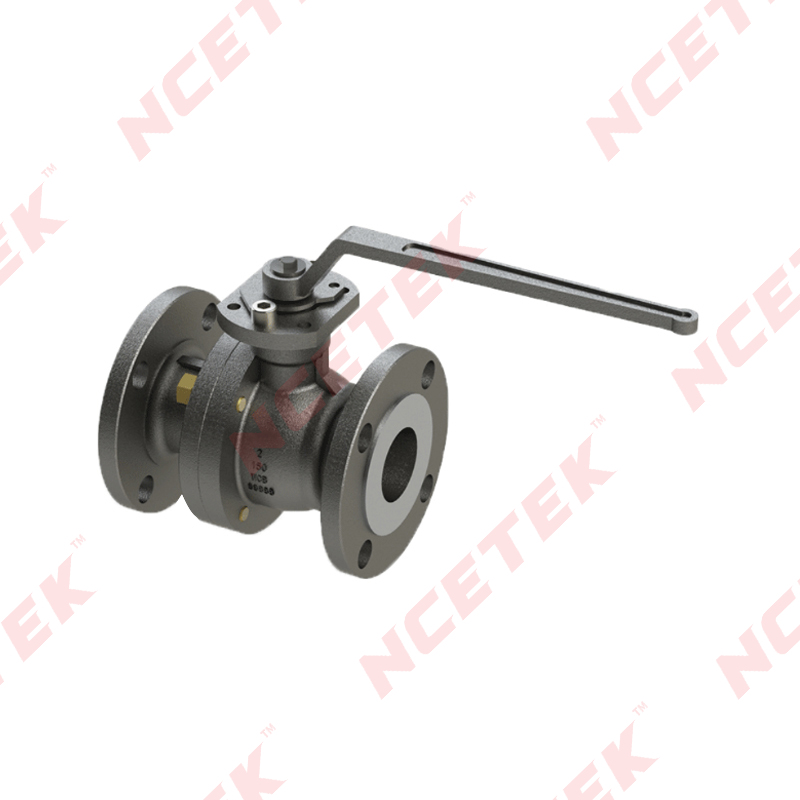
Inside a pipeline, flow stability depends on how smoothly internal passage responds when pressure changes. A Cast Steel Ball Valve uses a rotating internal element that controls flow direction through simple movement, yet the surrounding conditions make this movement sensitive to pressure variation.
When the valve is open, fluid passes through a smooth internal channel. When closed, the sealing surfaces connect and block flow. Under high pressure, that sealing contact must stay balanced so that force does not cause uneven closure.
In practical operation, several behaviors are important:
The internal structure is arranged so that pressure is absorbed by the valve body instead of directly affecting the moving part. This helps the valve maintain steady operation even when pipeline conditions change during use.
Material strength alone does not determine performance. Internal design structure controls how pressure moves through the valve body and how force is distributed across different sections.
Wall thickness distribution is one of the key factors. Areas exposed to stronger pressure are reinforced, while other sections are shaped to guide stress smoothly through the body instead of allowing sharp concentration.
Sealing design also plays a direct role in operation stability. Contact surfaces between internal parts must remain aligned during repeated movement. When alignment shifts, sealing behavior can change under pressure conditions.
| Valve component | Function under pressure |
|---|---|
| Valve body | Distributes and absorbs stress |
| Internal ball element | Controls opening and closing flow |
| Sealing seat | Maintains closure contact |
| End connection area | Transfers load to pipeline system |
Each part supports the others during operation. When pressure changes, the entire structure reacts as a single system rather than independent sections.
In real pipeline systems, valve performance depends not only on design, but also on how consistently the product is manufactured. A Cast Steel Ball Valve Supplier plays a role in maintaining stability across material selection, machining precision, and assembly control.
Even small variation during production can affect how the valve behaves under pressure. Differences in sealing surface finishing or internal alignment may not appear immediately, yet they can influence long-term stability during repeated operation.
Key supply-related factors include:
When these factors remain stable, valve behavior becomes more predictable inside the pipeline system. When variation appears, performance differences may become noticeable during high-pressure operation cycles.
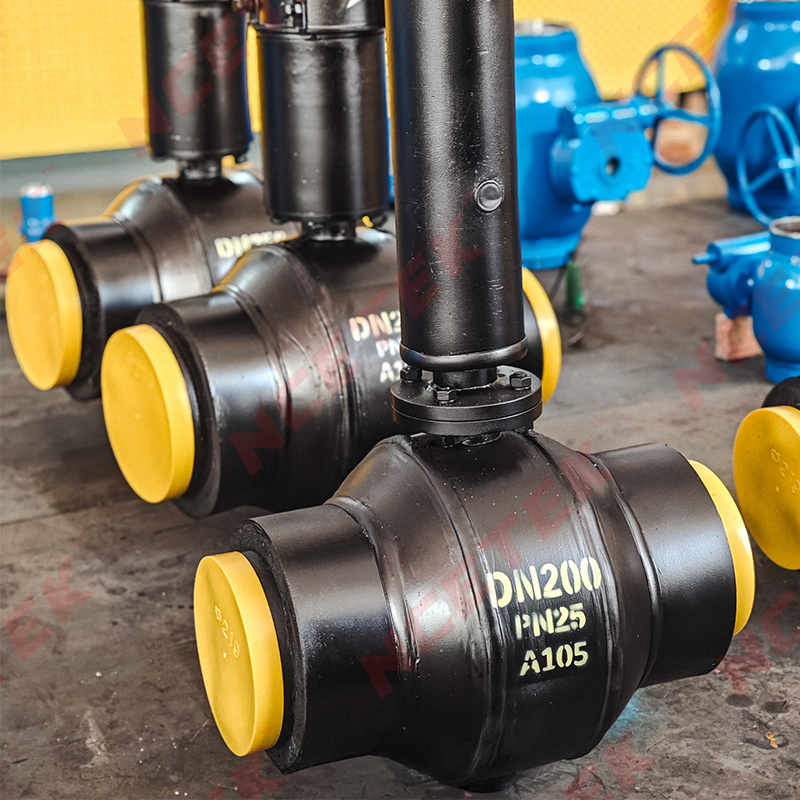
In long-distance pipelines where pressure keeps running without much pause, structure integrity starts to matter more than anything else. A Full Welded Ball Valve is often chosen in these situations because the valve body is formed as one continuous piece after welding, leaving fewer weak transition points across the structure.
In practical operation, fewer connection seams usually means fewer places where stress can concentrate. When pressure travels through a pipeline, it always looks for changes in structure. A welded body reduces those interruptions, so force moves in a more even way through the valve housing.
Another point shows up during long service periods. Since the body is sealed in a continuous form, internal alignment tends to stay fixed. Movement happens inside the valve, while the outer shell keeps its shape under repeated load.
Common behaviors seen in field use:
In underground lines or places where access becomes difficult later, this structure is often preferred because adjustment after installation is limited. Stability during long operation becomes more important than frequent access.
Even a well-made valve can behave differently depending on how it is installed. A Cast Steel Ball Valve relies on alignment with the pipeline to keep internal stress balanced once flow begins.
If the valve sits slightly off center during installation, pressure does not spread evenly inside the body. Instead, one side may carry more force than the other during operation. Over time, that imbalance can affect sealing contact and movement smoothness.
Welding quality also plays a quiet but important role. When connection joints are not uniform, pressure transfer between pipeline and valve becomes uneven. That uneven transfer slowly reflects back into internal parts.
Environmental conditions during installation sometimes leave a longer impact than expected. Dust, handling stress, or temperature differences during assembly can all influence final alignment.
In field practice, installation-related influences often appear as:
Once the valve becomes part of the system, it does not behave as a separate unit anymore. It follows whatever balance was set during installation.
After commissioning, the valve enters a completely different stage. It no longer sits in setup mode. Instead, it responds to daily changes inside the pipeline.
Pressure changes are part of normal operation. Flow demand rarely stays constant, so internal pressure rises and drops during working cycles. Each change pushes and releases force inside the valve body.
The flow medium also plays a role. Different fluids or gases move differently inside the passage. Some carry particles, some stay clean, and each type leaves a slightly different wear pattern inside the valve over time.
Temperature variation adds another slow influence. Metal expands and contracts depending on surrounding conditions. Even small shifts can change how sealing surfaces meet during repeated operation.
Common long-term influences include:
None of these act alone. They overlap, and their combined effect becomes more visible after long operation periods rather than immediately.
Maintenance in high-pressure systems is less about fixing visible problems and more about keeping small changes from growing into structural imbalance.
Sealing surfaces are usually checked first. Even minor wear on contact areas can change how pressure is held inside the valve. Early attention often prevents uneven sealing from developing further.
Inside the flow passage, small deposits can appear depending on what moves through the system. If left for long periods, these deposits slowly change internal resistance and flow behavior.
Pipeline movement around the valve is also worth watching. When surrounding pipes shift slightly due to pressure cycles or vibration, that movement can transfer stress back into the valve body.
In real working environments, maintenance tasks often include:
These steps do not change how the valve is designed, but they help keep operation closer to original balance over time.
In high-pressure pipeline systems, valve behavior is never independent. It is shaped by material strength, structural design, installation quality, and long-term operating conditions working together.
A Cast Steel Ball Valve handles pressure changes by distributing force through its body structure, while system stability also depends on how well it is produced by a Cast Steel Ball Valve Supplier and how carefully it is installed into the pipeline network. In welded configurations, fewer external joints help reduce structural weak points, especially in long-distance or fixed layouts.
Over time, pressure cycles, temperature changes, and flow conditions slowly interact with the valve structure. Stability is not a single moment outcome, but something that forms through continuous balance inside the system.
 nce@cnnsv.com
 +86-15727968392 / +86-15397375798
 +86-577-67091815
 +86-577-67091815
 Dongou Industrial Zone, Oubei Street, Yongjia County, Wenzhou City, Zhejiang Province, China


Contact Us