
 русский
 简体中文
简体中文

In many pipeline systems, valves work continuously for long periods without drawing much attention. As long as media keeps moving smoothly, people often focus more on pumps, pressure equipment, or pipe connections. Over time, however, the condition of the valve begins to affect the entire operation more directly.
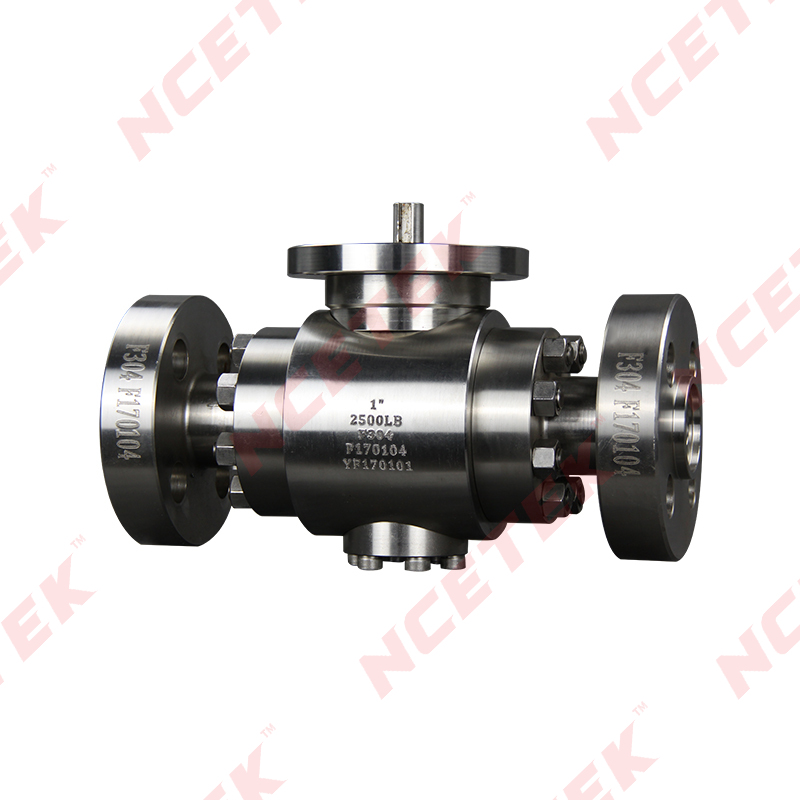
A Cast Steel Trunnion Mounted Ball Valve may operate under repeated pressure changes, constant media movement, and frequent opening or closing cycles. These daily working conditions slowly influence internal movement and surface condition.
In real industrial environments, long term operational problems usually do not appear suddenly. Small changes often come earlier.
Workers may begin noticing:
These details may seem minor at the beginning, but they often reflect gradual wear developing inside the valve.
Every time a valve changes position, internal parts move against each other. In systems where adjustment happens regularly, this movement repeats many times during normal operation.
Inside a Cast Steel Trunnion Mounted Ball Valve, the ball section rotates while supported by internal mounting points. During long term cycling, friction slowly affects these moving areas.
In practical work situations, operators sometimes notice that the valve no longer feels the same as it did earlier in service life. Movement may become heavier or less uniform during adjustment.
This change usually develops slowly rather than appearing all at once.
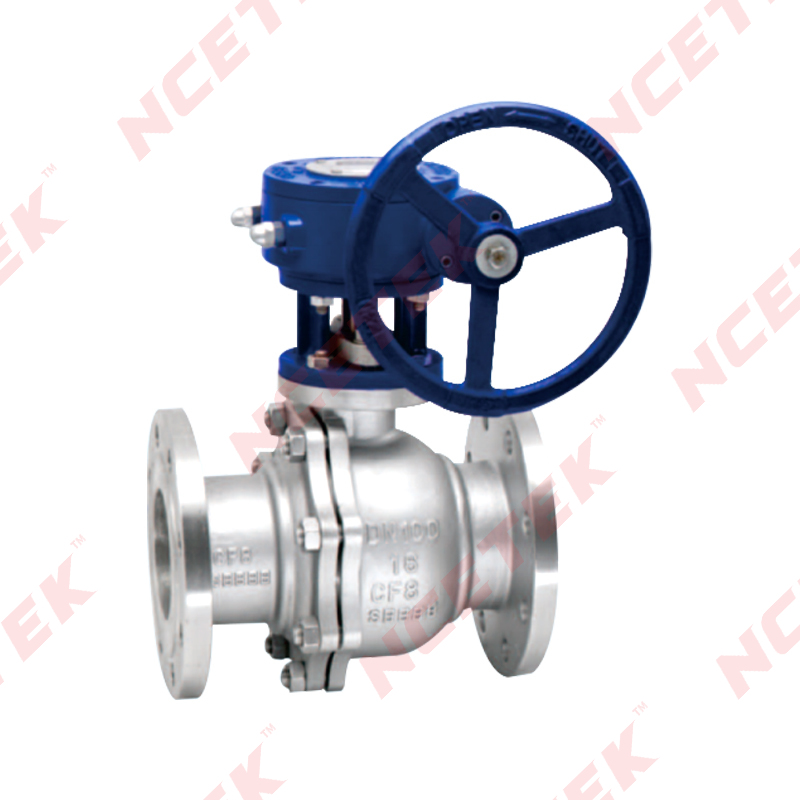
Sealing surfaces remain under pressure while the valve operates. During repeated opening and closing cycles, these contact areas experience constant friction and media exposure.
Over long periods, sealing surfaces may gradually change because of:
In actual pipeline systems, early sealing wear may not immediately create visible leakage. Sometimes the valve continues operating normally while internal sealing consistency slowly decreases.
Maintenance workers often pay attention to smaller warning signs such as:
A practical comparison can be seen below:
| Operational Condition | Possible Long Term Effect |
|---|---|
| Frequent cycling | Increased surface friction |
| Unstable pressure | Uneven sealing stress |
| Particle carrying media | Surface wear development |
| Temperature change | Expansion related contact change |
These conditions usually affect the valve gradually through daily use.
Pipeline pressure rarely stays completely stable. During operation, pressure may rise, fall, or shift depending on equipment activity and media demand inside the system.
When these pressure changes happen repeatedly, internal valve parts experience continuous stress variation.
In practical environments, this may influence:
Workers sometimes notice vibration becoming more visible during pressure transitions rather than during steady flow periods.
If pressure fluctuation continues for long periods, stress concentration may slowly affect internal contact areas.
This does not always create immediate operational failure, but it may increase wear speed inside moving sections.
The valve body itself also experiences continuous operational force during daily use. Pressure, temperature changes, and vibration all influence structural condition over time.
Cast steel structure helps maintain body stability during repeated working cycles, but long term exposure still affects surface condition gradually.
Common long term influences include:
In real maintenance environments, workers often inspect the outer body carefully because external condition sometimes reflects what is happening internally.
Areas around pipe connections, support sections, and sealing zones usually receive closer attention during inspection routines.
The trunnion support area plays an important role in maintaining stable internal movement. Because the ball section stays supported during operation, these areas continuously handle rotational force and pressure distribution.
Over time, repeated movement may create wear around:
In practical operation, early support wear may appear as:
Workers performing routine maintenance sometimes detect these changes through operational feel before visual wear becomes obvious.
This is why repeated inspection remains important in long service environments.
The type of media moving through the system strongly affects long term valve condition.
Some media carry small particles, moisture, or corrosive substances that gradually influence internal surfaces. Even when flow appears smooth from the outside, internal wear may continue developing slowly.
In daily operation, media related wear may include:
Workers handling maintenance often observe that valves operating in cleaner environments usually show different wear patterns compared with systems carrying heavier or more abrasive media.
Over time, media condition becomes one of the major factors influencing long term operational stability of a Cast Steel Trunnion Mounted Ball Valve.
After a valve has been running for a long time, one of the first things operators tend to notice is a simple change in "feel." The handle or actuator does not move quite the same way anymore. It may need a bit more force, or it may feel slightly uneven in certain positions.
This usually does not happen suddenly. It builds up quietly through everyday use.
In a Cast Steel Trunnion Mounted Ball Valve, the movement inside is guided by supported contact points. Even so, repeated turning over long periods slowly leaves marks on those contact areas.
In real workshop conditions, a few common reasons are usually behind this change:
What operators feel on the outside is really the result of what is happening inside.
The change is small. Maybe the valve feels slightly heavier only at one position. Later, it becomes more noticeable across the whole movement range. People who use the system every day often notice it before any inspection tool does.
If nothing is done for a long time, the operator may start forcing the movement without thinking, and that can speed up wear in return.
Temperature inside a pipeline is not steady. It rises, drops, and shifts depending on what the system is doing. A valve sitting in that environment has to adjust constantly, even if no one is paying attention.
Over time, this back and forth starts to leave its mark.
Metal expands when it is warm and tightens again when it cools. Inside a Cast Steel Trunnion Mounted Ball Valve, that means:
None of these changes are dramatic on their own. They are small and gradual.
Workers sometimes notice it in a simple way: the valve feels easier to turn at certain times of day and slightly stiffer at others. That difference usually comes from temperature influence.
When this cycle repeats over a long period, it slowly contributes to wear patterns inside the valve body, especially around sealing and rotating areas.
Long service time usually brings small problems first, not big failures. The challenge is that these early signs are easy to ignore because the system still works.
In many real pipeline setups, what happens is a slow build-up of minor issues:
Each one is small. Together, they start changing how the Cast Steel Trunnion Mounted Ball Valve behaves during operation.
A simple way to picture it is like this:
| Situation over time | What operators notice |
|---|---|
| Clean internal condition | Smooth and steady movement |
| Light buildup inside | Slight resistance in turning |
| Dry contact areas | Uneven or stiff motion |
| Multiple small wear points | Less predictable operation feel |
Most maintenance teams only become fully aware of the change when comparing current operation with earlier memory of how the valve used to feel.
That "difference over time" is usually the key signal.
Valves in pipeline systems always make some sound. That is normal. What matters more is how that sound changes.
When a Cast Steel Trunnion Mounted Ball Valve starts to wear internally, the sound is often the first thing to shift, even before movement problems appear.
Some early signs include:
These are not loud or dramatic changes. They are subtle enough that only people familiar with the system tend to notice them early.
Inside the valve, wear around support or sealing areas changes how force is distributed. That small change affects how vibration travels through the body and into the connected pipe.
Over time, the system may feel less "steady," even though it still functions normally.
Even a well-built valve can behave differently depending on how it is installed. The surrounding pipe layout plays a quiet but constant role in long term condition.
If the pipe is not aligned well, or if support points are uneven, extra force is placed on the valve body without anyone noticing at first.
This leads to slow changes such as:
In real working environments, this kind of stress does not show up immediately. It builds up slowly through repeated operation cycles.
Workers often find that valves in well-supported systems stay smoother for longer, while those under uneven load begin to feel "tired" earlier in their service life.
It is not about one big mistake. It is about small imbalance repeated many times.
How people use the valve every day also matters more than it seems at first.
A Cast Steel Trunnion Mounted Ball Valve is designed to move under control, not under force. But in real workplaces, conditions are not always ideal.
Some habits that slowly affect long term condition include:
Over time, these actions create uneven stress inside the valve.
The result is not immediate damage, but gradual change in movement behavior. The valve may start feeling less consistent, especially during partial opening or closing.
Experienced operators usually adjust their handling based on "feel," because that is often the earliest warning sign.
Before a valve reaches serious wear, it usually gives small hints during routine checks. These signs are not always obvious unless someone is paying attention.
Common ones include:
None of these mean immediate failure. They are more like early warnings.
In many real systems, operators only notice them when comparing present behavior with how the valve used to perform months earlier.
That comparison is often more useful than any single inspection result.
Long term stability is usually not about one-time repair. It comes from regular attention over time.
Simple actions help slow down wear inside a Cast Steel Trunnion Mounted Ball Valve:
These steps are not complicated, but they help keep small issues from growing quietly.
In many pipeline systems, the difference between stable long term operation and frequent maintenance problems often comes down to whether these small checks are done regularly or only after problems appear.
 nce@cnnsv.com
 +86-15727968392 / +86-15397375798
 +86-577-67091815
 +86-577-67091815
 Dongou Industrial Zone, Oubei Street, Yongjia County, Wenzhou City, Zhejiang Province, China


Contact Us