
 русский
 简体中文
简体中文

In many industrial pipeline discussions, attention is often placed on pumps, pipe size, or pressure control equipment, while the role of the valve body itself is sometimes treated as a secondary detail. In practical operation, however, stable media movement is closely connected to valve structure.
Inside a working pipeline system, flow stability affects much more than transport speed. When media movement becomes uneven, nearby equipment may begin to react in different ways. Vibration can increase, pressure changes may become more frequent, and operational noise may gradually appear.
In real factory environments, unstable flow often creates small operational issues before larger problems become visible. Workers may notice:
These situations do not always stop production immediately, but over time they can affect daily maintenance workload.
A stable pipeline usually depends on several connected factors working together:
When these areas remain balanced, media movement tends to stay smoother during operation.
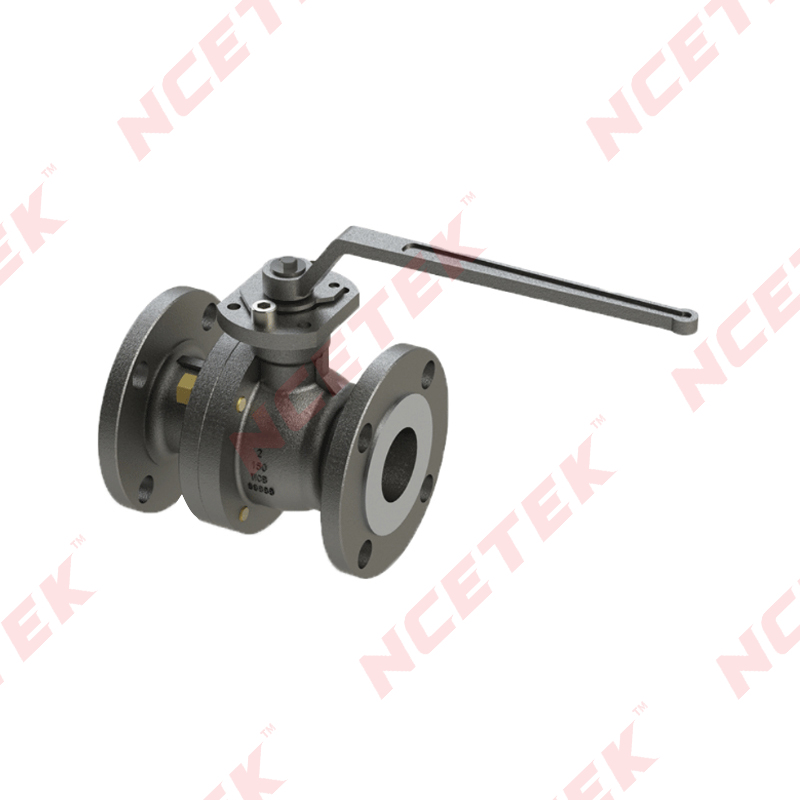
Inside many pipeline layouts, the internal structure of the valve directly affects how media moves through the system. Even when the outer appearance looks simple, the internal support method changes operational behavior significantly.
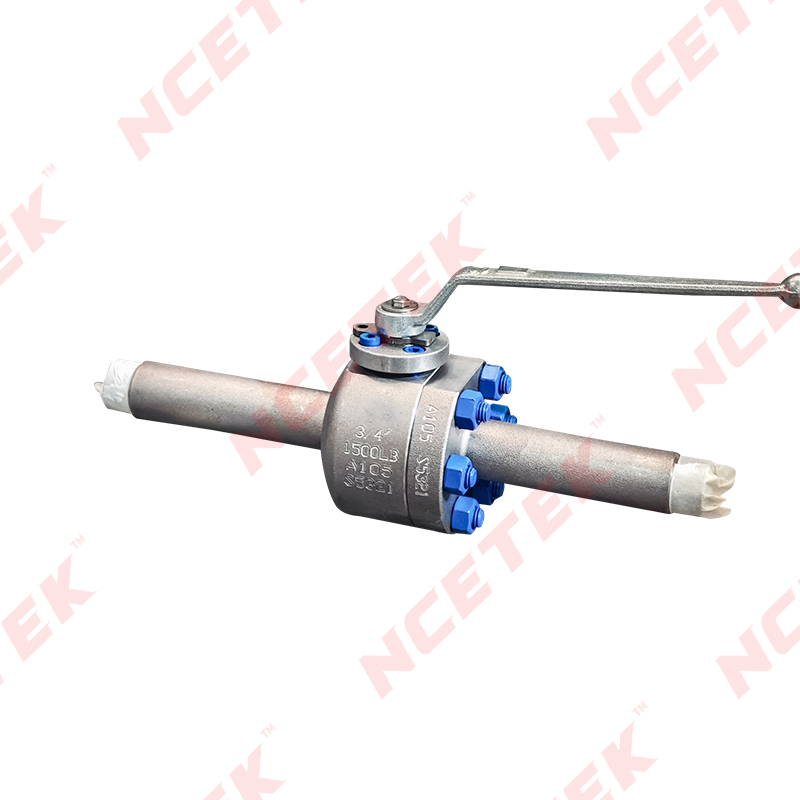
In a Cast Steel Trunnion Mounted Ball Valve, the ball section remains supported during opening and closing movement. This support helps reduce unnecessary shifting inside the valve body.
In practical use, this creates several operational effects:
Workers who handle pipeline systems daily often notice that stable internal movement reduces sudden reactions during operation.
For example, when a valve changes position slowly under pressure, supported internal structure helps the movement stay balanced instead of creating abrupt flow changes.
Flow stability is closely connected to how smoothly the internal opening changes during operation. If movement inside the valve becomes uneven, turbulence may increase in nearby pipe sections.
A Cast Steel Trunnion Mounted Ball Valve supports controlled movement because the ball remains fixed in position while rotating. Instead of shifting under media pressure, the supported structure guides movement more steadily.
In real working conditions, this affects:
Workers sometimes describe this type of operation as "more predictable" because the valve reacts consistently during repeated use.
This becomes useful in systems where operational continuity matters throughout the day.
Inside a pipeline, media does not always move evenly. Pressure conditions may change depending on operational demand, surrounding equipment, or pipeline length.
When internal valve parts move excessively under pressure, flow behavior can become unstable. A fixed support design helps reduce this effect by limiting unnecessary internal displacement.
In practical situations, this helps reduce:
A worker inspecting pipeline behavior may notice that supported internal structure creates smoother operational response during repeated cycling.
The difference becomes more visible in larger systems where media movement carries stronger force through the pipeline.
Material stability also affects flow behavior over time. In continuous operation environments, repeated pressure exposure can gradually influence structural condition.
Cast steel structure helps maintain body rigidity during daily operation. When the valve body remains stable, internal alignment is less likely to shift during repeated opening and closing cycles.
This influences several practical areas:
In real maintenance environments, workers often pay attention to whether valve operation changes gradually after long periods of service. Stable body structure helps reduce those visible operational changes.
Inside any valve, the shape and alignment of the internal passage influence how media continues through the pipeline.
If the path changes direction too abruptly, turbulence may increase. If the transition remains smoother, media movement tends to stay more controlled.
In a Cast Steel Trunnion Mounted Ball Valve, internal alignment supports more stable directional movement during operation.
Practical operational effects include:
Workers handling long pipeline routes often observe that smoother internal passage behavior helps reduce vibration spreading through connected equipment.
Unstable flow does not always appear immediately as major failure. In many systems, it develops gradually through repeated operational stress.
Common signs include:
In practical work, maintenance teams often spend more time monitoring systems where flow behavior changes frequently.
Over time, stable flow management helps reduce unnecessary operational disturbance across the full pipeline layout.
Pressure inside a pipe system changes more often than many people think. It may rise when equipment starts running, then drop again when another section slows down. In some factories, workers can even hear slight sound changes in the pipeline when flow conditions shift during the day.
Under these situations, valve stability becomes important.
A Cast Steel Trunnion Mounted Ball Valve is designed so the internal ball section stays supported while turning. In actual use, this helps the movement remain steady instead of reacting too sharply to pressure from the media inside the pipe.
When operators slowly open or close the valve, the response usually feels more even. There is less sudden movement inside the passage area, and nearby pipes are less likely to shake unexpectedly.
In long pipeline systems, this matters because pressure movement does not stay in one place. Once vibration starts, it can travel through connected sections.
Workers doing daily inspection often prefer equipment that behaves in a predictable way because unusual sounds and shaking are easier to notice when the rest of the system stays calm.
Many people think sealing only matters when preventing leakage, but sealing condition also changes how media moves through the valve.
If the sealing area becomes unstable, flow inside the passage may become uneven. Small disturbances can appear around the internal contact surfaces, especially after repeated opening and closing over long periods.
In real operation, unstable sealing sometimes shows up as:
A supported internal structure helps reduce unnecessary contact movement around the sealing area. Because the ball section stays fixed in position, the sealing surfaces experience more balanced pressure during operation.
Maintenance workers often notice these details during repeated inspection work. A valve that continues moving smoothly after long use usually creates fewer interruptions during normal maintenance routines.
Large pipeline systems behave differently from shorter installations. The longer the transport route becomes, the more important flow consistency starts to feel.
Inside long transport lines, pressure and vibration can spread through multiple connected sections. If one area becomes unstable, nearby equipment may also begin reacting.
A Cast Steel Trunnion Mounted Ball Valve helps support steadier operation because the internal structure stays more controlled while media passes through.
In practical working environments, this may help reduce:
Workers in large facilities often pay attention to how the system "feels" during operation. Smooth movement, lower shaking, and stable sound patterns usually indicate more balanced flow behavior.
Maintenance becomes easier when equipment behaves consistently.
In real workshops and pipeline areas, workers spend a lot of time checking for changes. They listen for unusual sounds, watch for vibration, and inspect whether pipe connections remain stable.
When flow movement stays balanced, inspection work tends to become more routine.
Some practical effects include:
| Operating Condition | Daily Maintenance Experience |
|---|---|
| Lower vibration | Fewer repeated support checks |
| Stable pressure movement | Easier operational observation |
| Smoother valve response | More consistent adjustment |
| Reduced turbulence | Calmer pipe behavior |
These are not dramatic differences in a single day. The effect becomes clearer after long periods of operation.
Workers usually notice systems that constantly require attention. In contrast, stable systems often blend quietly into normal workflow.
Temperature affects both media movement and metal structure. In outdoor installations or heated working environments, valves experience repeated expansion and contraction during operation cycles.This is part of normal industrial use.
If internal structure shifts too much under temperature change, operational consistency may gradually decrease. Small alignment differences can affect sealing condition and flow behavior over time.
Cast steel structure helps maintain body rigidity during these changing conditions. The valve body remains more stable while handling repeated pressure and temperature variation.
In practical environments, workers may notice differences during:
Stable structure helps the valve continue operating smoothly even when surrounding conditions change throughout the day.
Flow stability does not depend on the valve alone. Pipe arrangement also changes how media behaves inside the system.
Sharp turns, crowded layouts, and uneven support positioning can all affect pressure movement.
Even a stable valve may experience turbulence if surrounding pipe sections create irregular flow conditions.
In practical installations, smoother layouts usually help support:
Workers involved in installation often know that good pipeline behavior comes from the system working together as a whole rather than from one single component.
After long periods of use, operators often judge equipment by consistency rather than appearance.
A valve that continues opening smoothly, maintains stable internal movement, and avoids unnecessary vibration usually fits more naturally into daily operation.
A Cast Steel Trunnion Mounted Ball Valve supports this kind of long term workflow because the internal support structure helps the valve behave more steadily during repeated cycling.
In real pipeline environments, smoother operation often means:
These practical details may seem small during short term use, but over time they shape how comfortably the entire pipeline system operates day after day.
 nce@cnnsv.com
 +86-15727968392 / +86-15397375798
 +86-577-67091815
 +86-577-67091815
 Dongou Industrial Zone, Oubei Street, Yongjia County, Wenzhou City, Zhejiang Province, China


Contact Us