русский
 简体中文



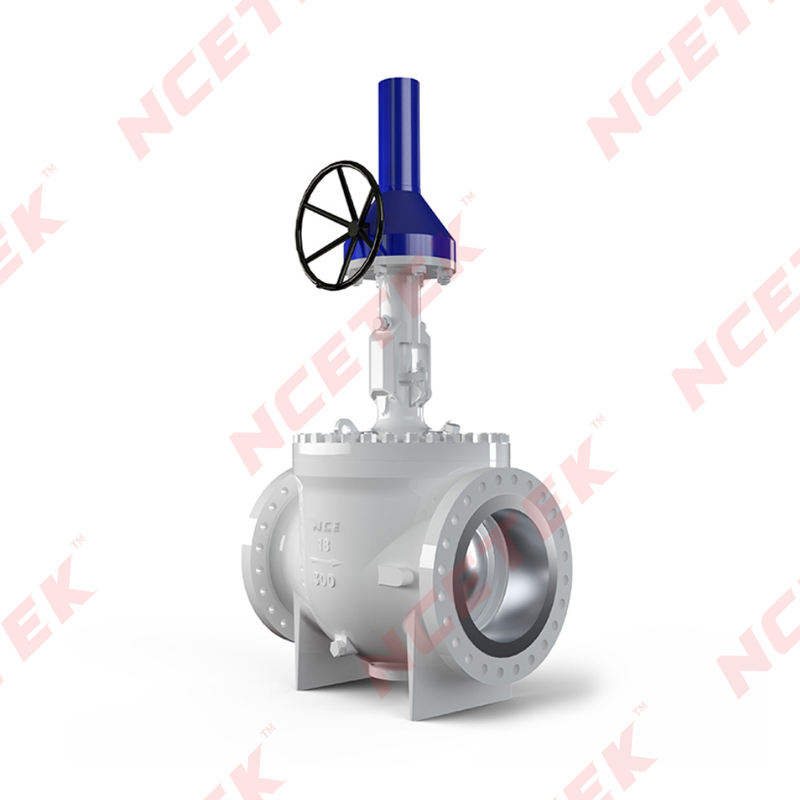
Technical Specifications
◎ Material: Carbon Steel, Stainless Steel, Alloy Steel
◎ Nominal Size: NPS 2" ~24", DN 50~600
◎ Pressure Rate: Class 150~1500, PN 10~250
◎ Temperature Range: -196°C~+600°C
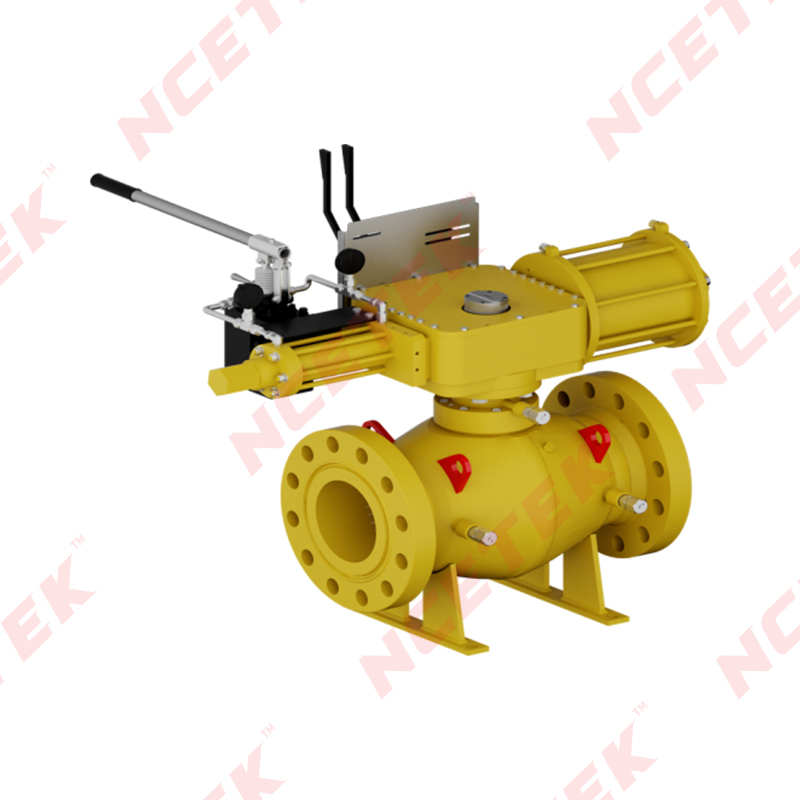
◎ Operator: Manual, Pneumatic, Electric, etc...
◎ Application range: Suitable for petroleum, chemical industry, metallurgy, light industry, power station, urban construction water supply, low temperature working conditions, and long and distance pipelines such as oil, gas, and natural gas.
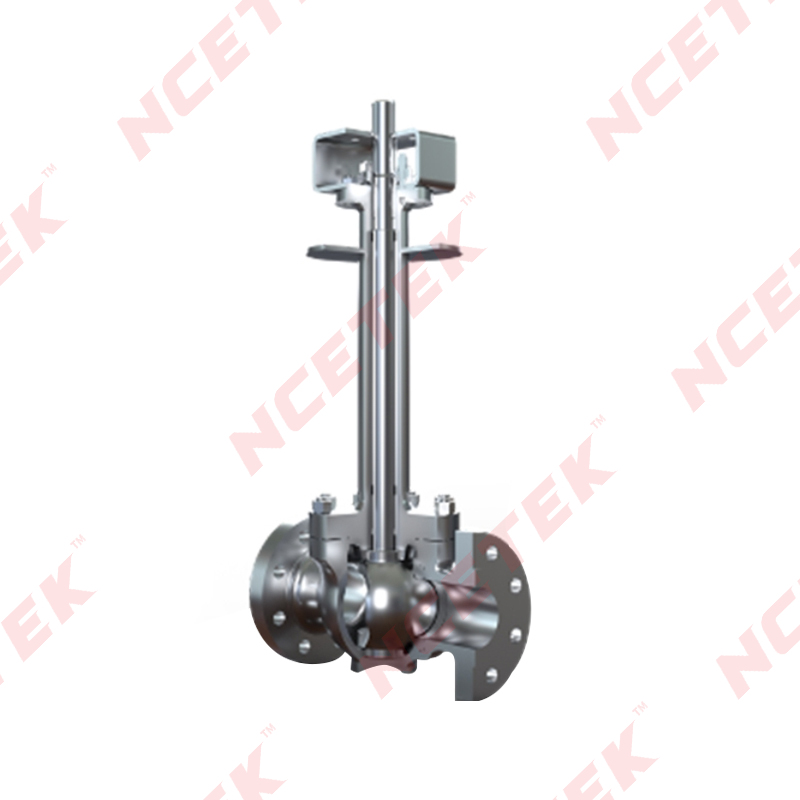
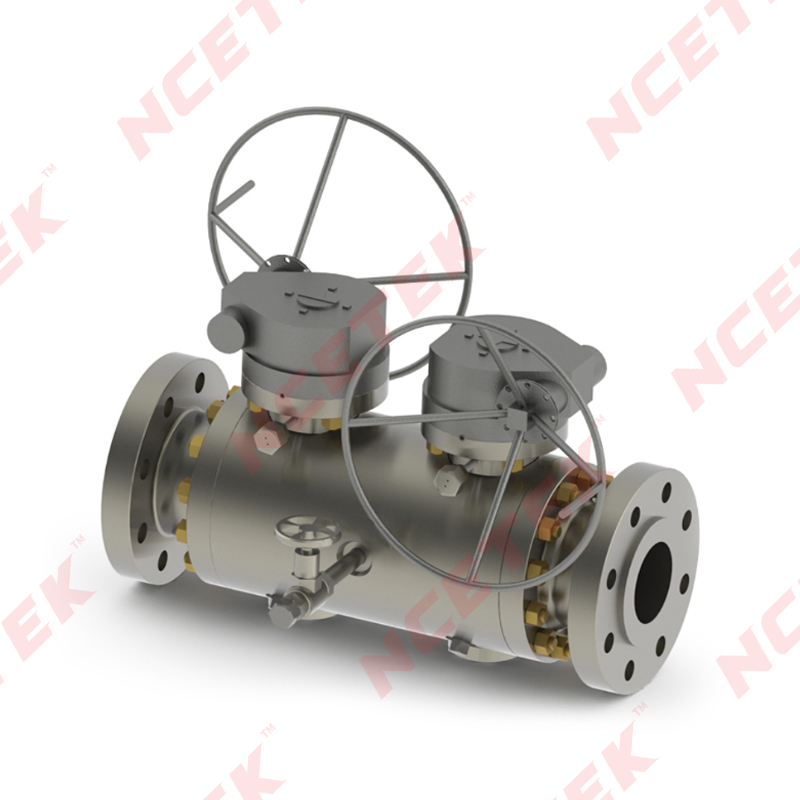
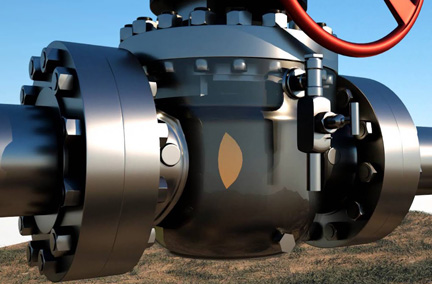
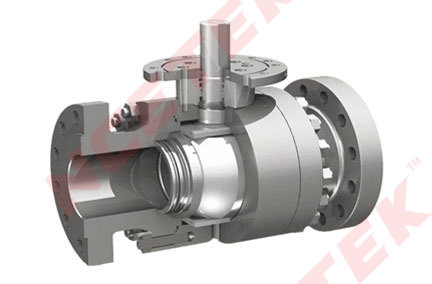
If you are tired of standard ball valves wearing out from constant friction or leaking when things get hot, Naishi's rising stem ball valve (American Standard) is the fix. The concept is simple but brilliant: the ball pulls back away from the seat before it even begins to rotate. No friction, no rubbing, and zero leakage when shut.
This is an all-metal beast. It laughs at temperature extremes, handling anything from a freezing -196°C (-320.8°F) up to a scorching 538°C (1000.4°F). The valve easily tolerates abrasive media containing sand, grit, or short fibers. It meets NACE standards to fight off sulfide stress cracking in sour environments, and it literally cleans itself. The moment the ball tilts away from the seat, the process fluid rushes 360 degrees around the sealing face, blasting away any trapped debris before it can scratch the metal. It's the ultimate choice for high-cycle, high-temperature isolation, bypass, and emergency shutdown jobs.
Why this valve outlasts the competition:
- Zero-Rub Operation: Because the ball lifts before turning, you don't get the grinding wear that destroys gate, plug, and standard ball valves.
- On-the-Fly Packing Injection: If you ever need to top up the stem packing, you don't have to shut down the line. Just inject fresh packing through the port and keep running.
- Single-Seat Safety: Double-seated valves are notorious for trapping pressure in the body cavity. Naishi uses a single static seat—no pressure build-up, just a reliable, tight seal downstream.
- Top-Entry Maintenance: When it's time for an inspection, you don't have to rip the valve off the pipeline. Just depressurize, pop the top cap, and do your maintenance right there.
- Easy to Turn (No Gearbox Needed): Since you aren't fighting friction to turn the ball, the operating torque is incredibly low. You can easily spin it with a standard handwheel on most sizes without needing a bulky gearbox.
- The Mechanical Wedge: At the bottom of the stem, a clever angled surface acts as a mechanical wedge. When you close the valve, it physically forces the ball tight against the seat. It doesn't rely on line pressure to seal; it relies on pure mechanical force.