
 русский
 简体中文
简体中文

In real pipeline environments, pressure is not something that stays still. It moves up and down depending on how the system is running. Sometimes flow is steady for a long time, sometimes it changes quickly when demand shifts.
Inside this kind of environment, every component in the pipeline is under constant force. Flow is not just passing through a channel quietly. It is pushing, pulling, and changing direction depending on conditions.
That is why valves in these systems are not only expected to open and close. They also need to stay stable while pressure is acting on them continuously. If movement inside the valve becomes unstable, the whole flow behavior can be affected.
In practical work, engineers usually pay attention to simple signs:
These are everyday observations in high pressure pipeline work, not theoretical ideas.
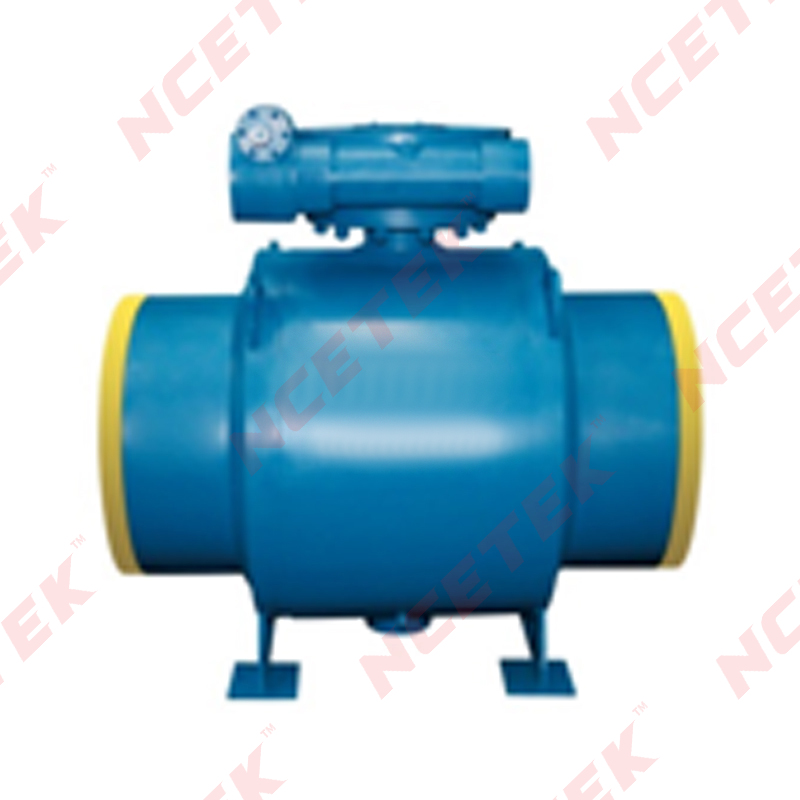
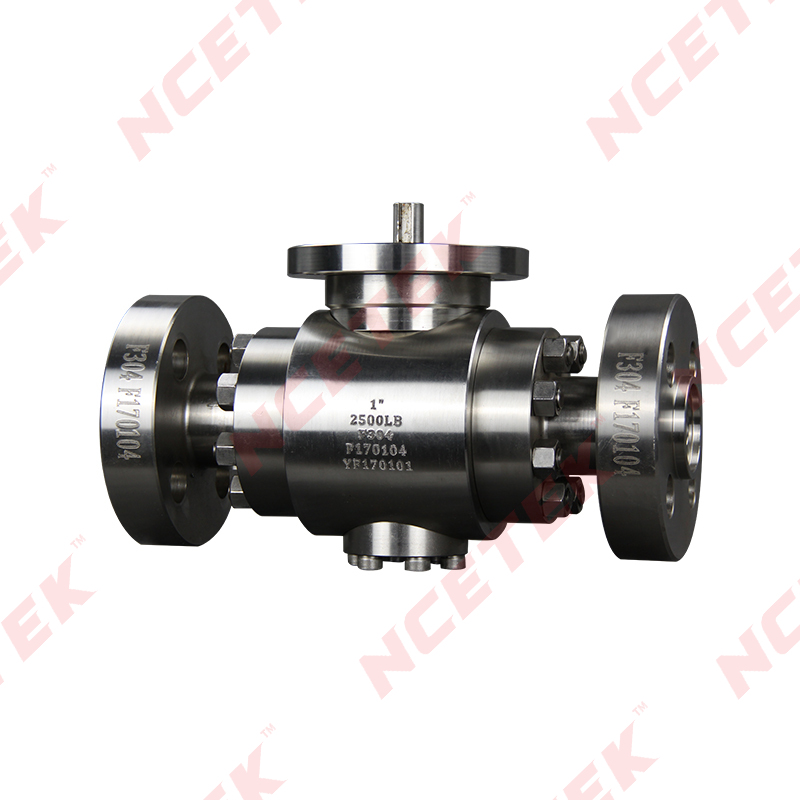
A Forged Steel Floating Ball Valve is built with a ball that is not fixed in position. It is allowed to move slightly inside the valve body depending on flow direction and pressure.
This small movement is important. When pressure increases, the ball is pushed toward the sealing area. This creates stronger contact without needing extra mechanical force.
The forged steel body itself is formed through a shaping process that makes the internal structure more compact. This affects how the valve behaves when pressure changes happen repeatedly.
In simple terms, this type of valve works with the system instead of resisting it. It uses pressure to improve sealing instead of relying only on fixed positioning.
The movement inside a floating ball valve is not large. It is a small shift, but it plays an important role in sealing behavior.
When flow starts, the ball sits in a neutral position. As pressure builds, the ball moves slightly toward the sealing seat. This movement increases contact pressure between the ball and sealing surface.
During operation, the pattern usually follows this flow behavior:
This natural adjustment helps reduce the need for external control during pressure changes.
The material structure of a valve affects how it behaves over time. Forged steel is created through compression shaping, which makes the internal structure more compact and uniform compared to less controlled forming methods.
In practical pipeline use, this has a few visible effects:
This does not mean the valve behaves the same in every situation. It means the internal structure reacts in a more controlled way when conditions change.
Simple Comparison Of Behavior In Practice
To make the difference easier to understand, here is a practical comparison based on working behavior rather than theory:
| Aspect | Forged Steel Floating Ball Valve | General Floating Ball Structure |
|---|---|---|
| Pressure Reaction | More stable response | Depends on structure design |
| Ball Movement | Controlled shifting | Slightly variable movement |
| Sealing Contact | Pressure-assisted tightening | Varies with internal alignment |
| Long Use Behavior | Gradual and steady change | More dependent on conditions |
| Flow Adjustment | Smooth response to pressure change | May vary in consistency |
Inside a pipeline, flow does not move in a perfectly straight and constant way. It reacts to system demand, valve position, and pressure changes.
When fluid enters a forged steel floating ball valve, it passes through a chamber where the ball sits between two sealing points. As flow increases, pressure pushes the ball slightly toward one side.
This creates a controlled path for fluid movement. The sealing area adjusts automatically based on pressure force, which helps maintain balance inside the system.
In daily operation, this process is repeated many times:
This cycle is simple but important for stable pipeline behavior.
High pressure systems are sensitive to small changes. Even slight movement inside a valve can affect flow stability if not controlled properly.
In these systems, the valve is constantly exposed to:
Because of this, internal consistency becomes more important than appearance or size.
Forged steel floating ball valves are often used in these conditions because their internal structure helps reduce irregular movement during operation.
In real engineering work, valve selection is not based on a single factor. It is based on how the system behaves as a whole.
Instead of focusing only on structure type, engineers usually think about:
This kind of thinking is practical. It is based on how systems behave in real conditions, not only on technical descriptions.
Before moving into deeper system design, operators often observe how flow behaves during early operation stages.
They may notice small details such as:
These early observations help determine whether the valve matches the system conditions.
In actual pipeline work, maintenance is usually not something that happens only when something goes wrong. It is more like a routine check on how the valve is behaving during normal operation.
For a Forged Steel Floating Ball Valve, most maintenance attention is centered on how the movement feels over time. Operators often notice small changes before anything becomes serious. These changes are usually gradual, not sudden.
These checks do not require complex tools in many cases. They are based more on experience and repeated observation of system behavior.
Wear in high pressure systems does not appear in a single moment. It develops slowly as the valve goes through repeated cycles of movement and pressure changes.
Inside a Forged Steel Floating Ball Valve, the ball keeps adjusting slightly every time flow changes. This repeated contact between ball and sealing surface creates very small changes over time.
In long-term use, some typical behaviors may appear:
These are not sudden faults. They are part of how mechanical systems behave when used continuously under pressure.
The same valve can behave differently depending on where it is used. In high pressure systems, environment plays a large role in how stable the operation feels.
In more stable systems where pressure changes slowly, the valve usually keeps a consistent behavior pattern. The floating ball adjusts gently and sealing remains predictable.
In systems where pressure changes more often, the valve responds more actively. The ball movement becomes more noticeable because it reacts to each shift in flow conditions.
Common application environments include:
Each environment places a different kind of demand on the valve, even if the structure is the same.
When engineers design a pipeline system, they rarely look at valves in isolation. Instead, they consider how the valve fits into the entire flow structure.
A Forged Steel Floating Ball Valve is often selected when the system needs stable response under pressure changes and repeated operation. The internal compact structure helps keep movement more controlled.
But the decision is not only about material. It also depends on:
In many real projects, valve choice is part of a larger system design conversation, not a single component decision.
In field practice, engineers tend to focus less on theoretical comparison and more on how the valve behaves in real conditions over time.
Instead of asking which valve is "better," they often ask questions like:
These questions reflect real working concerns in pipeline systems.
A valve that behaves consistently is often preferred over one that only performs well in a single condition.
Long term stability is not something that can be judged quickly. It is usually observed over time through regular system operation.
In Forged Steel Floating Ball Valve applications, stability is often evaluated by watching how the valve behaves after repeated use cycles.
Operators may focus on:
These observations help determine whether the valve continues to fit the system as operating conditions evolve.
High pressure flow systems are always dynamic. Even when the system appears stable, small internal changes are happening constantly.
The valve sits in the middle of this movement. It does not only control flow but also reacts to it. The floating ball design allows the valve to adjust naturally to pressure changes instead of resisting them.
This interaction between structure and flow is what makes the valve suitable for high pressure environments. It is not a fixed behavior, but a continuous adjustment process during operation.
In the end, using a Forged Steel Floating Ball Valve in high pressure systems is less about a single feature and more about how the valve behaves over time inside a working pipeline.
Its role is to stay consistent while conditions change. It adjusts naturally with pressure, supports stable sealing, and follows the movement of the system without requiring frequent correction.
In real engineering environments, this kind of predictable behavior is often what matters most.
 nce@cnnsv.com
 +86-15727968392 / +86-15397375798
 +86-577-67091815
 +86-577-67091815
 Dongou Industrial Zone, Oubei Street, Yongjia County, Wenzhou City, Zhejiang Province, China


Contact Us