
 русский
 简体中文
简体中文

The energy industry is in a critical transformation phase. Key facilities like hydrogen pipelines, deepwater platforms, and oil and gas isolation networks face unprecedented operational challenges—from extreme cold in high-latitude fields to high temperatures in Middle Eastern gas fields, and from deep-sea ultra-high pressure to hydrogen embrittlement risks.
Traditional flow control solutions struggle to meet the triple demands of "safety redundancy space adaptation long-term stability". Double Block and Bleed (DBB) ball valves, with their unique single body dual isolation structure, reduce leakage paths and simplify installation. Through continuous material and structural innovation, they've become core components in high pressure, high risk scenarios.
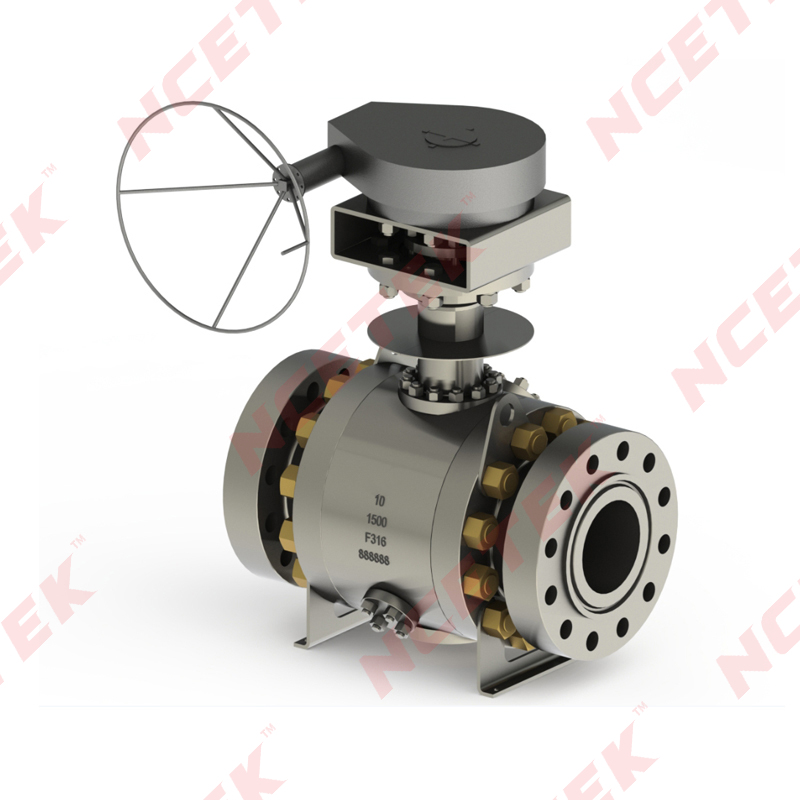
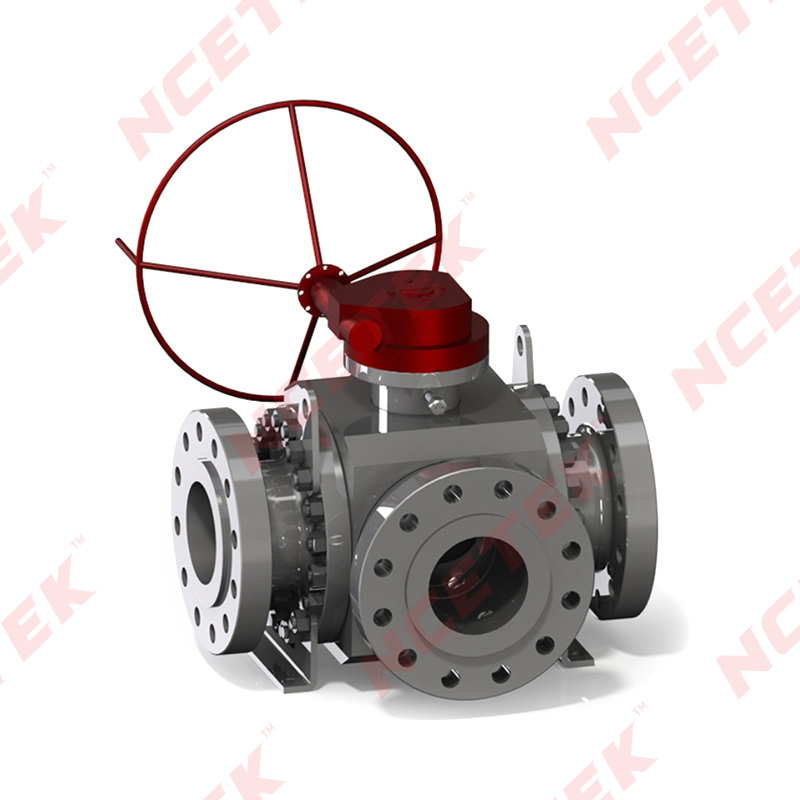
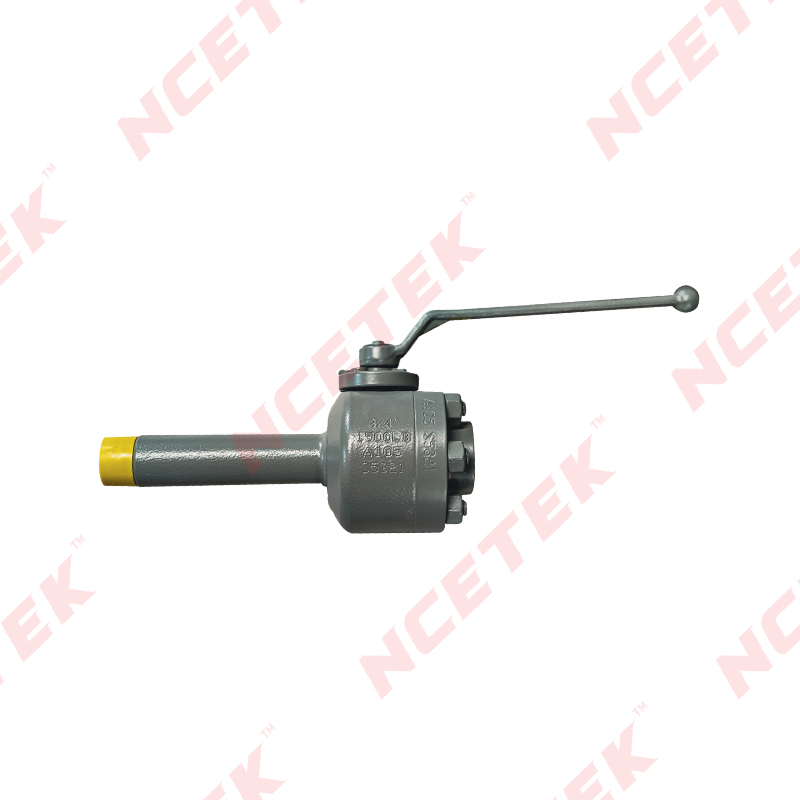
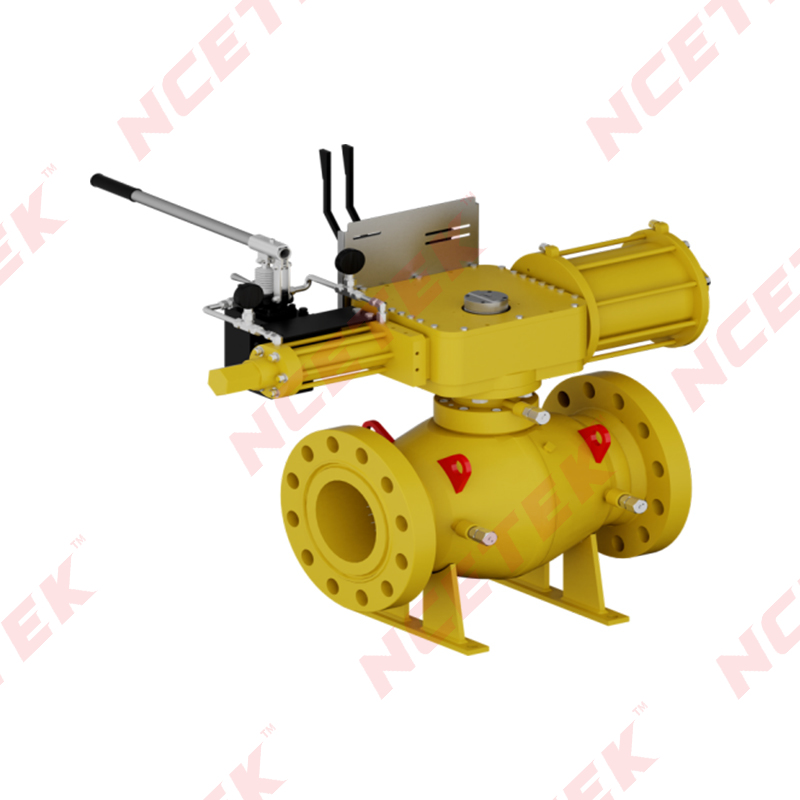
For projects with distinct customization needs, Double Block and Bleed Ball Valves OEM/ODM services deliver tailored packages that combine materials, seals, and actuators, perfectly suited for specialized projects such as Arctic LNG hubs and coastal hydrogen facilities.
The expanding boundaries of energy development drive upgrades in DBB valve technology. In hydrogen applications, traditional valves often suffer from seal aging due to hydrogen molecule penetration. This highlights the need for hydrogen permeation resistant materials hydrogen's small molecules easily penetrate conventional metals, causing embrittlement and cracking.
Thus, DBB valve bodies and seats must use hydrogen-resistant alloys treated with special heat processes.
Offshore challenges are equally severe. Platforms have strict weight and space limits, and traditional multi-valve setups are too bulky and heavy. Custom compact DBB valves, with integral forged bodies and optimized flow channels, cut weight and space significantly, fitting platform constraints perfectly.
This integrated over decentralized trend is clear in modular LNG plants and FPSOs. DBB's single body design slashes connecting flanges by over half, reducing potential leaks from multiple points to just a few.
Hydrogen-induced embrittlement is the top challenge for hydrogen valves. Manufacturers have developed special alloys by adding trace elements to stainless steel and using composite heat treatments.
These materials lower hydrogen permeation while maintaining high mechanical strength, withstanding repeated pressure cycles in high-pressure hydrogen without seal degradation. For higher pressures, nickel-based alloys for valve bodies maintain excellent hydrogen embrittlement resistance across wide temperatures by controlling grain boundary precipitates.
Corrosive ions like H₂S, CO₂, and Cl⁻ in oil and gas cause frequent valve failures. In high-sulfur gas fields, traditional stainless steel valves develop seat pitting, but super duplex steel extends service life significantly.
Its high chromium, nickel, and molybdenum content forms a dense oxide film and resists Cl⁻ pitting. For sand-containing wells, composite surface treatments—such as tungsten carbide spraying and laser cladding—boost valve ball hardness, greatly reducing erosion wear.
In low-temperature LNG scenarios, ordinary carbon steel becomes brittle and fractures. So DBB valve bodies use nickel steel, which maintains high impact energy at ultra-low temperatures via precise nickel control and heat treatment.
Seals use perfluoroether rubber (FFKM) with a low glass transition temperature, retaining elasticity in cryogenic conditions. For ultra-high temperature oil fields, Hastelloy valve bodies offer excellent intergranular corrosion resistance at high temperatures. Paired with graphite-metal wound gaskets, they solve high-temperature, high-pressure sealing issues.
| Operating Condition | Risks | Material Solutions | Typical Application Scenarios |
|---|---|---|---|
| High-pressure hydrogen | Hydrogen embrittlement, permeation | Trace element-reinforced stainless steel + surface nitriding | Hydrogen energy transmission pipelines |
| H₂S-containing high-sulfur gas fields | Pitting, intergranular corrosion | Super duplex steel | High-sulfur gas field development |
| Low-temperature LNG | Brittle fracture, seal failure | Nickel steel + FFKM seal | LNG receiving stations |
| Sand-containing oil and gas wells | Erosion and wear | Tungsten carbide laser cladding valve balls | Sand-containing oil and gas field exploitation |
Traditional DBB valve seals are sensitive to temperature fluctuations. Valve companies use an innovative spring preloading bellows compensation dual seal structure. Wave springs at the valve seat bottom automatically compensate for seal gaps caused by thermal deformation between the body and seat.
Metal bellows seals at the stem replace traditional packing, keeping leakage extremely low. In high-temperature steam pipelines, this design ensures long-term, leak-free operation under repeated temperature cycles.
Additionally, the "V-notch spherical fitting" seat design distributes contact pressure more evenly than flat seals, boosting seal pressure and ensuring reliability even at low pressures.
Valve cavity pressure build up is a major safety risk, especially for flammable media like hydrogen and natural gas. Manufacturers install a pilot relief valve pressure sensor system on the cavity top.
When pressure exceeds the set value, the sensor triggers the pilot valve for graded relief, avoiding turbulence from sudden pressure drops. In LNG receiving stations, this system solves BOG-induced cavity pressure issues with fast response times.
CFD simulation also optimizes cavity flow channels, reducing dead volume and medium retention to lower pressure risks.
To fit narrow offshore platforms, DBB valves use integral forging eccentric flow channel designs, shortening body length significantly. Compact offshore DBB valves are much shorter and lighter than traditional models.
Side-mounted actuators reduce installation height, fitting perfectly into dense platform pipelines. The "integrated valve group" design combines DBB valves with filters and check valves into one module, cutting external connections.
In FPSO projects, this module drastically reduces space and shortens installation time.
| Comparison Items | Traditional Multi-Valve Combination | Compact DBB Valve | Optimization Magnitude |
|---|---|---|---|
| Valve length | Longer | Much shorter | Significantly reduced |
| Valve weight | Heavier | Lighter | Greatly reduced |
| Potential leakage points | Multiple | Few | Substantially decreased |
| Installation period | Longer | Shorter | Significantly shortened |
Traditional valve maintenance leans on manual inspections that fail to track real time status. Domestic firms have developed intelligent DBB valves fitted with vibration, temperature and torque sensors. These send data to cloud platforms through IIoT.
In refining projects, torque analysis during valve operation alerts to seat wear, stopping unplanned shutdowns. Vibration monitoring spots loosening from pipeline resonance, fixed by remote actuator adjustments.
Digital twin technology creates 3D valve models, merging real time data to simulate performance and guide preventive maintenance.
High pressure natural gas pipeline maintenance with traditional multi valve setups needs sequential valve operations that are cumbersome and error prone. DBB valves feature one key isolation relief function that automates operations through integrated controls.
Operators send commands from remote rooms to finish isolation and relief quickly. A visual position indicator pressure interlock makes sure the relief valve cannot open if the DBB valve is not fully closed, preventing misoperations.
This design cuts maintenance risks greatly in long distance gas pipeline projects.
DBB valve development down the line will zero in on three main areas. First, super performance materials—think graphene reinforced composite hydrogen resistant options—will get better at fighting permeation and embrittlement.
Second, unmanned operation and maintenance will lean on AI equipped smart systems to diagnose and fix faults on their own, letting them manage the full life cycle in places like deep sea or polar regions where no one's around to monitor.
Third, scenario based customization will roll out end to end services covering materials, structure and controls for specific energy needs. This is where Double Block and Bleed Ball Valves OEM/ODM expertise stands out, with examples like ceramic matrix composite valves for nuclear fusion and fast response valves for hydrogen truck refueling stations.
As the energy industry shifts toward cleaner, more advanced models, DBB valves as key control parts will push safety and efficiency improvements forward. With ongoing material breakthroughs, structural tweaks and smart upgrades, these valves will take center stage in more extreme conditions and new energy scenarios, giving steady support to the global energy transition.
 nce@cnnsv.com
 +86-15727968392 / +86-15397375798
 +86-577-67091815
 +86-577-67091815
 Dongou Industrial Zone, Oubei Street, Yongjia County, Wenzhou City, Zhejiang Province, China


Contact Us