
 русский
 简体中文
简体中文

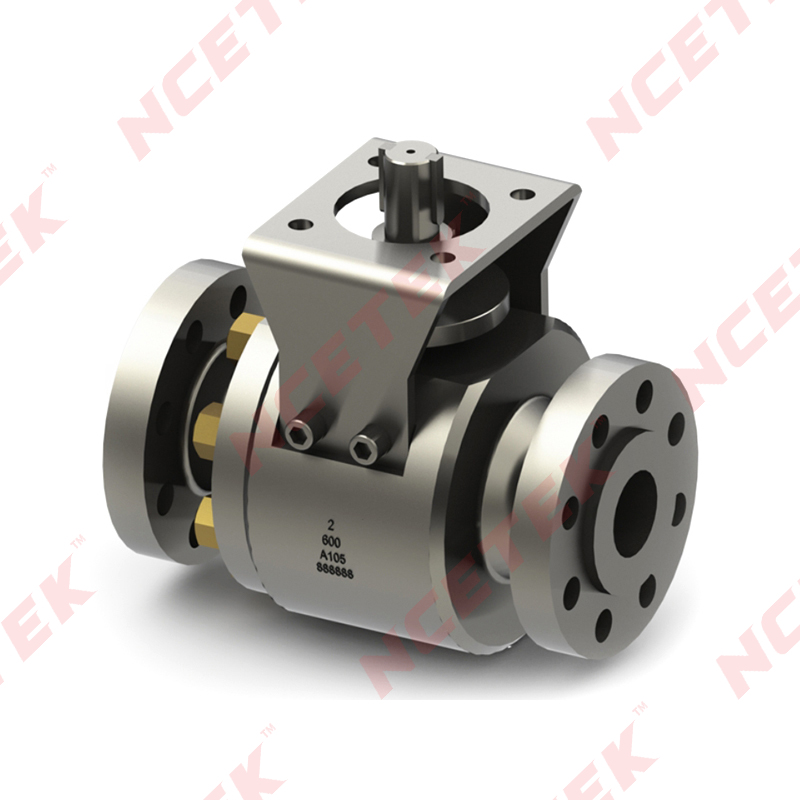
Top-mounted trunnion ball valves are workhorses in modern industrial piping systems. Their one-of-a-kind structure keeps them running steady under high pressure while boosting service life. These valves use trunnion supports to hold the ball, which cuts down seat friction and wear big time—even in tough conditions, they stay sealed tight and operate smoothly. Valve performance isn't just about structure, though; material picks and maintenance matter too. High-pressure stability, corrosion resistance, and regular upkeep are the keys to long-term reliability and fewer operational headaches.
The top-mounted trunnion design puts the stem and support structure right above the valve body. When the ball spins, it carries load evenly across its surface. This eases stress on the seat, lowers operating torque, and keeps ball and seat pressed together tight—leak risks drop way down. The stem-trunnion connection has thrust bearings and guide sleeves, so there's barely any friction when turning. That means smooth operation and longer life. Even with frequent use or pressure swings, the ball stays put and the seat stays in consistent contact—sealing performance holds up over time.Choosing a reputable Top Mounted Trunnion Mounted Ball Valve Manufacturer ensures these design advantages are fully realized through precision engineering.
The top-mounted trunnion supports the ball from both axial and radial directions, spreading out forces when it rotates. This cuts seat stress, reduces operating torque, and keeps things running smoothly. Even load also slows wear on both seat and ball, extending how long the valve lasts. This design really shines under high pressure or high flow, and works with all kinds of industrial media—steam, acidic/alkaline solutions, hydrocarbons, you name it.
The valve stem sits on thrust bearings and guide sleeves, so it spins smoothly with minimal friction—both stem and ball last longer. Precision machining makes sure there's just the right clearance between stem and trunnion, so thermal expansion or wear won't make it stick. A good bearing design lets the stem handle both axial and lateral forces, keeping operation smooth for the valve's whole lifespan.
The trunnion keeps the ball steady, so seat and ball stay in consistent contact. High pressure or fluctuating conditions barely affect sealing. Sealing surfaces use high-hardness materials, often polished or treated to further cut leaks. This design is perfect for apps needing long-term sealing reliability—like chemical processing, petrochemicals, and high-pressure steam pipelines.
Trunnion materials need high strength and wear resistance to stand up to high-pressure forces and repeated cycling. Precision machining ensures the right clearances between stem, ball, and seat—no sticking or leaking from thermal expansion or wear. Tweaking stem diameter, trunnion length, and load distribution boosts safety and stability even in extreme operating conditions.
| Feature | Floating Ball Valve | Top-Mounted Trunnion Ball Valve |
|---|---|---|
| Load Distribution | Standard | Optimized |
| Seat Wear | High | Low |
| Operating Torque | High | Moderate |
| Applicable Pressure | Medium | High |
Valve bodies usually use stainless steel or nickel-based alloys—they mix strength and chemical stability to resist long-term erosion and high-pressure impact. Ball materials match the body, often polished or coated to cut friction and extend sealing surface life. Smart material choices let valves handle corrosive media like acids, alkalis, and seawater.
Seats and seals are typically PTFE, PEEK, or reinforced composites. These materials are flexible, chemical-resistant, and handle high temps/pressures—sealing stays stable even after long use. The seat design can take axial load during operation, keeping the seal tight no matter how temps or pressures fluctuate.
Surface treatments like electroless nickel plating or hard chrome coating boost wear and corrosion resistance—valves stay reliable even in harsh environments. These treatments also make them more impact-resistant, reducing micro-cracks or corrosion spots that could shorten the valve's life.
Body, ball, stem, and seals need to be picked with thermal expansion, chemical compatibility, and mechanical performance in mind. Optimized material combinations keep the valve running steady through changes in temp, pressure, and fluid makeup.
| Component | Common Materials | Key Properties | Advantages |
|---|---|---|---|
| Body | Stainless Steel, Nickel Alloy | Corrosion resistance, strength | Long service life |
| Ball | Stainless Steel, Coated Alloy | Hardness, smooth operation | Reduced wear, reliable sealing |
| Seat/Seal | PTFE, PEEK, Composite | Chemical resistance, flexibility | Low leakage, wide temperature range |
Checking stem clearance, seat integrity, and seal condition on a regular basis helps catch small issues before they turn into big failures. How often you inspect depends on operating conditions, media type, and how frequently the valve cycles.
Proper lubrication cuts friction and wear, keeping stem and ball moving smoothly. Lubricants need to work with valve materials and media—this keeps the seal tight and avoids contamination.
Seats, seals, and bearings should be replaced when they show wear. When putting the valve back together, controlling tolerances and clearances precisely ensures smooth operation and consistent sealing—fewer failures down the line.
Controlling torque, adjusting opening/closing speed, and managing pressure ramp-up/ramp-down can really cut wear on seats and seals. Proper operation avoids sudden shocks and stress on valve parts, making the valve last longer.
Sensors and monitoring devices track the valve's real-time status. Analyzing pressure, temperature, and wear trends lets you do predictive maintenance—less downtime and more reliable overall system performance.
Top-mounted trunnion ball valves' long-term reliability comes from three things working together: optimized design, smart material picks, and systematic maintenance. Good structural design ensures high-pressure stability, quality materials resist corrosion and wear, and thorough maintenance keeps performance top-notch for the valve's whole life. When engineers pick valves, they need to think about structural sense, material fit, and how easy it is to maintain. That way, the valve runs steady, seals reliably, and lasts long—even in high-pressure, corrosive, or complex media environments.
| Feature | Floating Ball Valve | Top-Mounted Trunnion Ball Valve |
|---|---|---|
| Load Distribution | Standard | Optimized |
| Seat Wear | High | Low |
| Operating Torque | High | Moderate |
| Applicable Pressure | Medium | High |
By combining structural design, material science, and maintenance practices, top-mounted trunnion ball valves deliver reliable, efficient, durable flow control for industrial piping systems. They can run steady long-term under high pressure, corrosive, and complex media conditions—offering safety, efficiency, and durability for critical industrial processes. Going with an experienced top-mounted trunnion ball valve manufacturer makes sure the design, material use, and technical support meet high industrial standards for reliability, efficiency, and service life.
 nce@cnnsv.com
 +86-15727968392 / +86-15397375798
 +86-577-67091815
 +86-577-67091815
 Dongou Industrial Zone, Oubei Street, Yongjia County, Wenzhou City, Zhejiang Province, China


Contact Us