
 русский
 简体中文
简体中文

Pipeline systems rely on valves to control the movement of different fluids during daily operation. A valve is not only responsible for opening and closing flow passages; its structure also influences how well the pipeline remains protected from unwanted fluid escape. When a valve contains more connection areas, each connection may require additional sealing work and regular inspection.
External leakage usually refers to fluid escaping from areas outside the main flow path. Possible locations include body joints, connection sections, and sealing areas around moving parts. Even a small leakage point can create additional maintenance requirements and may affect surrounding equipment.
Valve structure plays an important role in reducing possible leakage paths. Different designs use different connection methods, sealing arrangements, and body structures, which means the number of areas requiring protection can vary.
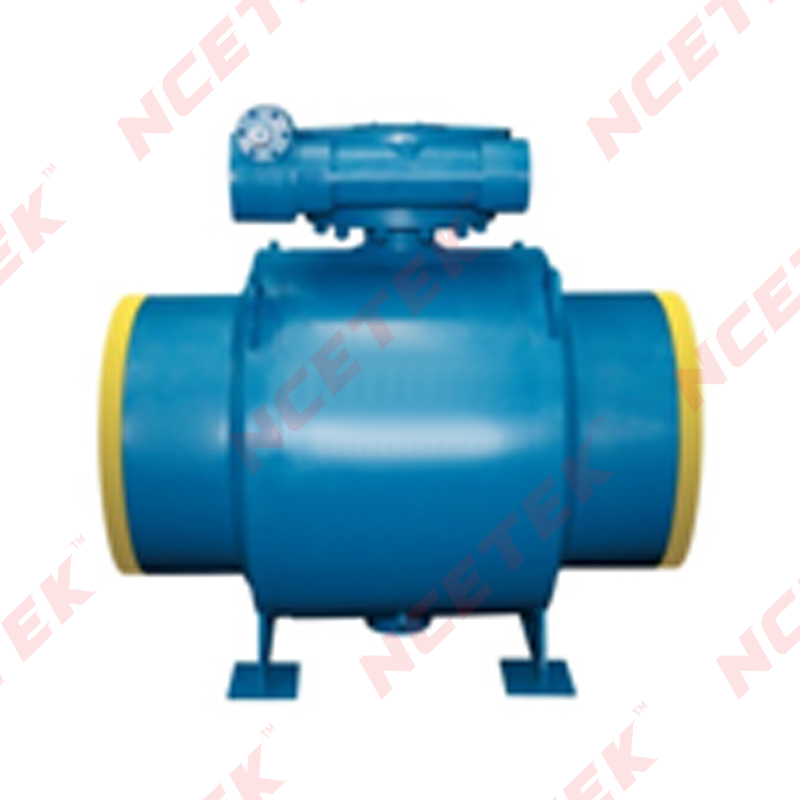
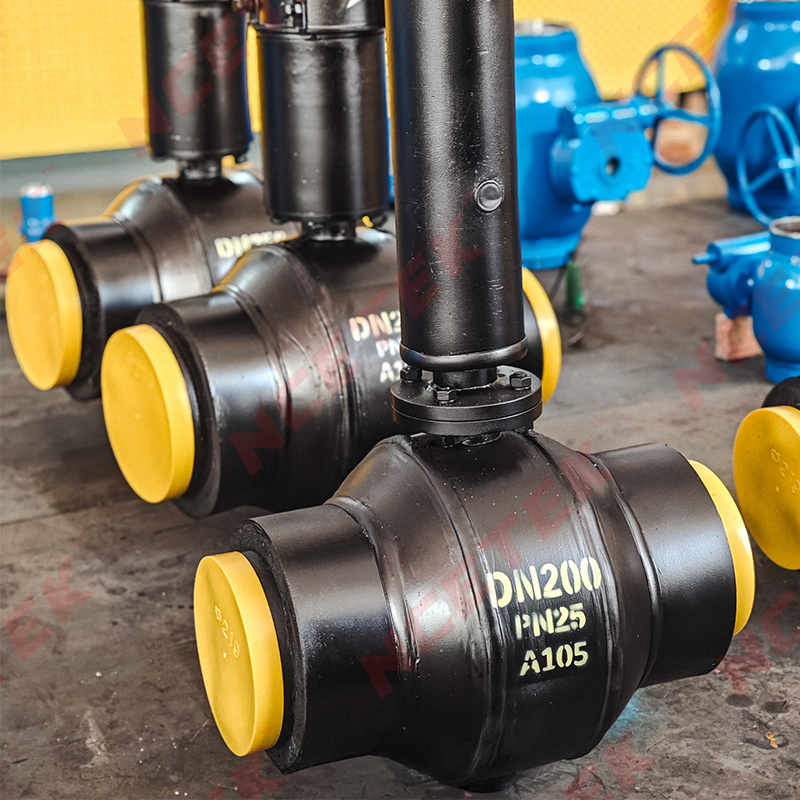
A Full Welded Ball Valve uses a welded body structure that connects valve sections into a single sealed assembly. Compared with designs that rely on multiple detachable connections, fewer external joint areas are available where leakage may develop.
Several factors influence external leakage control in pipeline applications:
Pipeline operators often consider these factors when selecting valve structures because a valve remains part of the system for a long period. A design that reduces unnecessary connection areas can simplify inspection work and support more organized pipeline management.
Leakage prevention is not only related to the valve itself. Installation quality, operating conditions, and regular checking also affect the final condition of a pipeline system. Valve design provides the foundation, while proper use supports long-term operation.
Valve body design directly affects the number of possible external leakage locations. Traditional assembled structures may include several connection sections where sealing elements are required. Each additional connection creates another area that needs attention during production and operation.
A Full Welded Ball Valve reduces external leakage paths by using a welded body structure. Instead of connecting different sections through multiple removable joints, the main body is joined through welding, creating a more continuous external surface.
The reduced number of connection areas brings several practical changes:
A welded body does not remove the need for proper manufacturing or maintenance. The welding process itself requires careful control because the connection area becomes part of the valve structure.
| Valve Structure Aspect | Influence On External Leakage Paths | Practical Effect |
|---|---|---|
| Body Connection Method | Changes the number of external joints | Affects inspection requirements |
| Sealing Arrangement | Determines protection around moving areas | Influences maintenance work |
| External Surface Design | Changes possible leakage locations | Supports easier checking |
| Manufacturing Process | Affects connection quality | Requires careful control |
A continuous body structure also changes how the valve interacts with the surrounding pipeline environment. External pressure changes, temperature movement, and installation conditions may influence valve components over time, making structural design an important consideration.
For pipeline applications where maintenance access is limited, reducing unnecessary external connection areas can provide practical advantages. Operators can focus inspection work on specific areas rather than checking multiple body joints.
Understanding possible leakage locations helps explain why valve structure matters. Different valve designs create different sealing requirements, and each connection area needs suitable protection.
Common external leakage paths may include:
Body Connection Areas
Valve bodies with separate sections often require connection points between different parts. These areas depend on sealing elements and connection accuracy to maintain proper operation.
Over time, changes in temperature, pressure conditions, or material movement may influence these connection areas. Regular inspection helps identify changes before they become larger maintenance concerns.
Flange Connection Sections
Some valves connect with pipelines through flange structures. These areas require suitable sealing between surfaces. Installation alignment and fastening conditions can influence the condition of the connection.
Stem Sealing Areas
The valve stem moves during operation, which means the surrounding sealing section needs to allow movement while preventing fluid escape. Proper design of this area is important for external leakage control.
Additional Joint Locations
Every additional connection creates another area that requires attention. More joints may increase inspection points and maintenance requirements.
A valve design with fewer external connection areas can simplify the overall structure. The purpose is not to remove all maintenance needs, but to create a design that is easier to inspect and manage.
A welded valve body connects structural sections through a permanent joining method. The design changes how the valve responds to external conditions and how maintenance teams approach inspection.
A Welded Ball Valve Supplier needs to consider several production factors because the welded area becomes an important part of the valve structure. Material preparation, welding quality, and inspection procedures all influence the final condition of the product.
Long-term operation involves many changing conditions:
A well-planned valve structure considers these conditions during design and manufacturing. The welded connection needs to maintain its role as part of the valve body while supporting normal pipeline operation.
Compared with structures containing many detachable sections, a welded body may provide a simpler external appearance. A simpler surface can make visual inspection more straightforward because fewer connection areas need to be checked.
Manufacturing consistency also affects the reliability of welded structures. Suppliers need to control each production step because the welding process directly influences the connection between valve sections.
The selection of a supplier involves more than checking the product appearance. Buyers often consider manufacturing experience, communication during the selection process, and whether the supplier can provide information related to different application conditions.
Valve maintenance often tends to depend on how easily operators can inspect, adjust, and identify possible issues during daily operation. A structure with many external connection areas may require attention in several different locations, while a simpler external design tends to make checking work a bit more organized.
A welded body structure tends to reduce the number of separate connection points around the valve. Fewer external joints tend to mean inspection work can focus on specific areas rather than multiple detachable sections.
For pipeline operators, practical maintenance considerations often include:
A reduction in connection points probably doesn't replace regular maintenance entirely. Valves still tend to need inspection based on operating conditions, pipeline environment, and usage requirements.
Maintenance planning also tends to connect with installation location. Valves installed in underground systems, industrial areas, or locations with limited access may benefit from designs that simplify future inspection work.
A valve with fewer external joints can help reduce unnecessary maintenance steps. Operators may spend less time checking multiple connection areas and focus more attention on the sections that directly influence operation.
The relationship between structure and maintenance tends to matter quite a bit for pipeline systems that operate over fairly long periods. A practical design probably considers not only how a valve works during installation, but also how it can be managed throughout daily use.
Pipeline environments tend to vary according to the type of fluid, installation conditions, and surrounding space. A valve used in one application may face quite different requirements from a valve installed in another location.
A Full Welded Ball Valve is often considered for pipeline systems where reducing external connection areas is a fairly important structural consideration. The welded body design tends to let the valve connect with the pipeline while maintaining a continuous external structure.
Different application areas may include:
Each environment tends to create somewhat different operating conditions. Outdoor installations may face changing weather conditions, while indoor industrial systems may involve different temperature or working conditions.
Valve selection usually tends to involve considering:
For underground pipeline systems, access tends to be more limited compared with above-ground installations. A structure with fewer external connection areas may make inspection planning a bit easier since fewer locations require attention.
Industrial applications also tend to need consideration of surrounding equipment. Nearby machinery, vibration sources, or changing operating conditions may influence how valves get maintained.
The valve structure is probably just one part of the complete pipeline system. Proper installation, suitable operation methods, and regular inspection tend to work together to support more stable use overall.
External leakage control tends to depend on several parts working together. The valve body provides the main structure, while sealing areas and connection sections tend to influence how fluid remains contained during operation.
| Structural Part | Function In Leakage Control | Practical Consideration |
|---|---|---|
| Valve Body | Provides the main pressure structure | Requires suitable design and processing |
| Welding Area | Connects valve sections together | Needs careful manufacturing control |
| Stem Area | Allows valve movement | Requires proper sealing arrangement |
| Seat Section | Supports flow shutoff | Needs correct matching with valve structure |
| External Connections | Links valve with pipeline | Influences inspection points |
The valve body tends to be the foundation of the structure. A well-designed body tends to reduce unnecessary connection areas and provides a fairly stable base for other components.
The welding section probably requires some attention because it tends to become part of the permanent structure. Processing conditions, material preparation, and inspection methods tend to influence the condition of the welded area.
The stem section is another area that tends to require careful design. Since the stem moves during operation, sealing around this area needs to balance movement requirements with leakage prevention fairly carefully.
The seat section also tends to affect internal fluid control. Although it probably isn't an external connection point, its condition can still influence the overall performance of the valve.
Each part tends to play a somewhat different role. External leakage control probably isn't created by one single component alone; it tends to come from the relationship between structure, manufacturing, installation, and maintenance together.
Choosing a suitable supplier tends to require attention to product structure, manufacturing process, and communication during the purchasing process. A valve is essentially part of a larger pipeline system, so understanding how it matches the application environment tends to matter quite a bit.
A Welded Ball Valve Supplier may provide different valve structures according to pipeline requirements. Buyers can consider a few practical factors before making a decision.
Manufacturing Process Information
Understanding how valve bodies get produced tends to help buyers evaluate whether the structure matches their application needs. Information about welding methods, inspection procedures, and material handling can support purchasing decisions.
Application Experience
Different industries may have quite different pipeline conditions. Suppliers familiar with various applications tend to provide useful information related to installation and operation requirements.
Product Structure Details
Clear product information tends to help reduce misunderstandings during selection.
Communication During Selection
Pipeline projects often tend to involve different requirements. Communication between buyers and suppliers tends to help ensure that valve specifications match the planned system reasonably well.
Supplier selection probably isn't only about purchasing a product. It also tends to involve understanding how the valve fits into the complete pipeline arrangement.
Valve structure probably affects more than just installation. It also tends to influence inspection routines, maintenance planning, and the way pipeline systems get managed over time.
A design with fewer external leakage paths can make inspection work a bit easier to organize. Operators can focus on important areas while reducing some unnecessary checking procedures.
Pipeline management usually tends to involve several activities:
Valve selection tends to connect with each activity, since the structure tends to determine how the equipment interacts with the pipeline environment.
A Full Welded Ball Valve represents one approach to reducing external connection areas through welded body construction. The design focuses on creating a more continuous valve structure while still maintaining the functions required for fluid control.
For manufacturers and buyers, understanding the relationship between valve structure and application needs tends to help create more practical decisions. Different pipeline systems tend to have different conditions, so valve design probably should match the actual working environment rather than follow just one single approach.
The connection between structure, maintenance, and operation continues to influence valve development over time. As pipeline systems become more varied, attention to practical design details tends to remain a fairly important part of equipment selection and management.
 nce@cnnsv.com
 +86-15727968392 / +86-15397375798
 +86-577-67091815
 +86-577-67091815
 Dongou Industrial Zone, Oubei Street, Yongjia County, Wenzhou City, Zhejiang Province, China


Contact Us