
 русский
 简体中文
简体中文

Installing a valve below ground changes the way maintenance needs to be planned. Above‑ground equipment can usually be reached by walking up to it, while a buried installation may require surface access, excavation, or a dedicated opening before anyone can inspect or operate the valve.
For an Underground Ball Valve, installation location therefore deserves attention before digging begins. A position that looks convenient during construction may become difficult to reach once soil, pavement, landscaping, or other structures are placed around it.
Space is another concern. The valve body needs room for connection and inspection, while the operating section may need a clear path for movement. Future repair work can become difficult when a valve is placed too close to another pipe, wall, foundation, or permanent surface structure.
Planning also needs to consider how the valve will be reached after installation. An operating chamber may be suitable for some layouts, while another installation may allow access through a simpler arrangement. Local ground conditions, pipeline depth, operating frequency, and maintenance requirements all have a role in that decision.
Location selection should start with future access rather than only the shortest pipe route. A valve may fit neatly into a pipeline layout while remaining awkward to reach once the surrounding area has been completed.
Maintenance personnel need enough room to approach the operating section, inspect connections, and carry out necessary work. Permanent structures placed directly above or beside the valve can create problems later, especially when removal of the surface is difficult.
Nearby pipelines also need consideration. Crossing pipes, drainage lines, electrical infrastructure, foundations, and other buried structures can limit working space. A layout that appears open before excavation may become crowded once all underground services are taken into account.
Several practical questions can help during planning:
Operating frequency matters too. A valve that may need regular operation deserves easier access than equipment expected to remain untouched for long periods.
Surface conditions should also be considered. Installing below a road, paved area, landscaped space, or permanent structure may increase the amount of work required for future access. Selecting a suitable position early can reduce such difficulties later.
Available underground space should be viewed as a working area rather than simply a hole large enough to contain the valve. Installation may require room for positioning, connecting, checking, and supporting the pipeline. Future maintenance can require even more practical access.
A compact excavation may seem efficient during construction, although limited space can make tools difficult to use around connection points. Workers may also have trouble seeing or reaching parts of the assembly.
Pipe alignment needs room as well. An Underground Ball Valve should connect naturally with the pipeline rather than being forced into place to compensate for poor alignment. Unwanted stress can remain around the connections when pipe sections are pulled into position.
Ground movement can affect available space after installation. Soil may settle or shift, while nearby construction can change the condition around a buried pipeline. Planning should therefore allow for the actual environment rather than assuming that the original excavation shape will remain unchanged.
| Planning Stage | Space to Consider |
|---|---|
| Installation | Room for positioning and connection |
| Inspection | Access to visible and operating areas |
| Repair | Working room for tools and component removal |
Future repair deserves special attention. A valve may eventually require inspection of its body, connections, operating mechanism, or surrounding pipeline. Access that works for a visual check may not be sufficient for repair work.
For installations with limited underground space, the position of nearby structures should be reviewed before finalizing the layout. Moving a valve slightly during the planning stage is generally easier than changing its location after the surface has been completed.
An operating chamber can provide a defined access point to a buried valve. Whether such an arrangement is appropriate depends on how the valve will be operated, how deep it is installed, and what exists above the pipeline.
Regularly operated valves may benefit from an accessible chamber because personnel can reach the operating mechanism without excavating the surrounding ground each time. A chamber can also create a recognizable maintenance location above the buried pipeline.
Space inside the chamber needs careful planning. It should not merely contain the valve; access for inspection and operation also needs consideration. Nearby pipe connections, operating components, drainage arrangements, and entry space can all influence the required layout.
Water management is another concern. An underground chamber can collect rainwater or groundwater, so drainage needs to be considered during planning. Standing water may make inspection and maintenance more difficult and can create an unsuitable working environment.
A chamber may be less practical where access is rarely required and the installation environment allows another approved access arrangement. Selection should therefore follow the actual pipeline layout and maintenance needs rather than using one arrangement for every project.
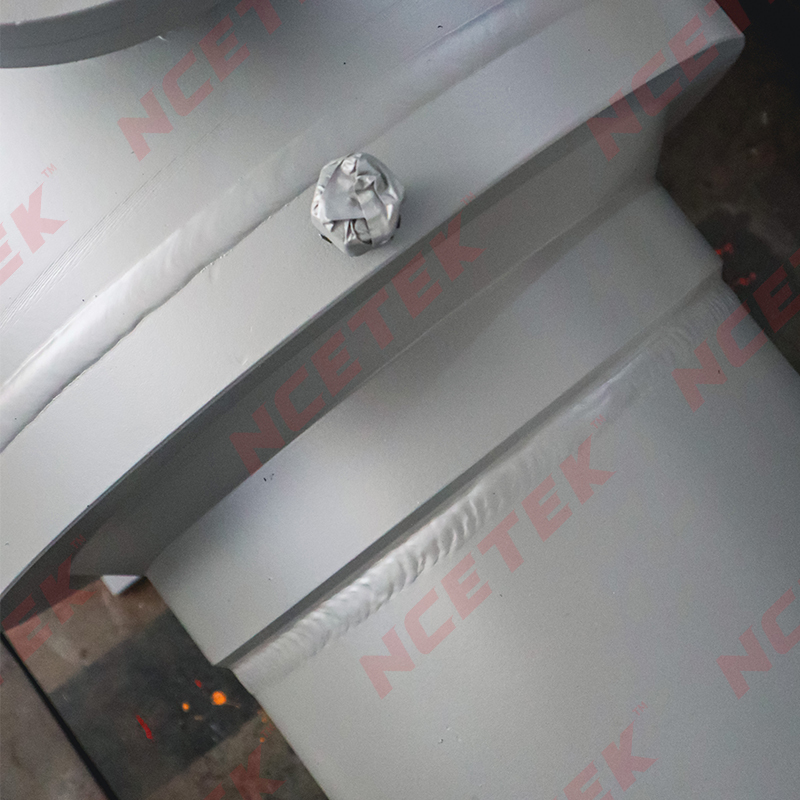
Connection planning should take place before the valve is lowered into its final underground position. Once the valve is buried, access to connection areas becomes much harder, so alignment and condition should be checked while the work area remains open.
For welded connections, pipe ends need to line up correctly with the valve. Forcing the pipe into alignment can transfer stress to the assembly. Supporting the pipeline during connection work can help maintain its intended position.
Connection areas should remain clean during installation. Dirt, moisture, or construction debris can interfere with inspection and may make later assessment more difficult.
Before covering the installation, personnel should have an opportunity to inspect accessible connection areas and confirm that the valve sits in its planned position. Once soil or pavement has been restored, correcting a positioning problem can require additional excavation.
A Welded Ball Valve Supplier can also provide installation information related to the valve configuration and connection arrangement. Such information should be reviewed alongside the actual pipeline design and site conditions, since underground layouts can vary considerably.
Maintenance problems often begin before an underground valve is covered. Once soil, concrete, pavement, or landscaping is restored, reaching the equipment may take considerably more work than during installation.
A practical plan should consider how a technician would approach the valve during a future inspection or repair. Asking that question during construction can reveal obstacles that are easy to miss when attention is focused on getting the pipeline into service.
Several simple measures can make later work easier:
Location records are particularly useful after the ground has been restored. A buried valve may become difficult to identify from the surface when there is no visible indication of its position. Clear installation records can reduce unnecessary excavation during later maintenance.
Surface restoration also deserves some thought. A valve located beneath a paved area may require cutting and replacement work before access is possible. Such conditions do not necessarily prevent underground installation, although they should form part of the maintenance plan.
Future repair should be considered from a practical angle. Workers may need to inspect a connection, operate the valve, replace a component, or examine nearby pipework. Each task can require a different amount of space.
Once installation work is complete, a final inspection provides an opportunity to catch positioning or access problems while the surrounding area is still open.
Valve orientation should be checked against the planned pipeline arrangement. Operating parts should also be inspected and tested according to the applicable installation instructions. A valve that cannot be reached easily after covering may be difficult to correct later.
Connection areas deserve another look before backfilling. Any visible damage, poor alignment, or unfinished work should be addressed while access remains available.
Drainage and protection arrangements should also be checked. Water movement around an underground installation can change after the surface is restored, especially where the surrounding ground has different drainage characteristics.
| Check Area | Question to Ask |
|---|---|
| Position | Is the valve located where planned? |
| Orientation | Can operating parts be reached correctly? |
| Connections | Are accessible joints ready for covering? |
| Drainage | Can water move away from the access area? |
| Protection | Is the assembly protected from surrounding conditions? |
| Records | Can the valve be located later? |
| Access | Is future inspection or repair practical? |
Construction debris should not remain around the valve or inside an access area. Loose material can interfere with operation or make later inspection unpleasant and difficult.
A final check also provides a chance to confirm that nearby underground services have not reduced access. Changes made during construction can sometimes place another pipe or structure closer to the valve than originally planned.
Valve selection and installation planning are closely connected. A Welded Ball Valve Supplier can provide information about connection arrangements, operating requirements, installation orientation, and maintenance access for a particular valve configuration.
Sharing the actual site conditions during the selection stage can make communication more useful. Pipeline layout, available underground space, expected operating conditions, access arrangements, and surface conditions can all influence how a valve should be installed.
Valve dimensions also need to be considered together with the pipeline. Space required for the valve body may differ from the space needed for operation or maintenance. A drawing that shows only the pipe centerline may therefore not provide enough information for planning an accessible installation.
Questions worth discussing before installation include:
Communication becomes particularly useful when a project has limited space. A small change in valve position, operating arrangement, or access design may affect excavation work and future maintenance.
Repair planning does not mean expecting a failure. It means considering ordinary maintenance before the surrounding area becomes difficult to open.
An underground valve may remain in service for a long period without requiring attention, yet the pipeline around it can still need inspection. Ground movement, nearby construction, surface changes, or connection issues may eventually require access.
A practical repair plan should answer a few basic questions:
Having clear answers can prevent unnecessary excavation. It also helps maintenance personnel estimate the work involved before opening the ground.
For an Underground Ball Valve, accessibility should therefore be treated as part of the installation rather than an issue left for later. A valve placed in a convenient location, with suitable underground space and a sensible access arrangement, can be easier to inspect when maintenance becomes necessary.
Good planning also reduces the chance of placing permanent obstacles around important access points. Roads, walls, foundations, landscaping, and other underground services can all change how easily a valve can be reached.
An underground installation works best when present needs and future work are considered together. Position, space, operating access, drainage, connection quality, surface conditions, and maintenance records all contribute to a workable arrangement.
 nce@cnnsv.com
 +86-15727968392 / +86-15397375798
 +86-577-67091815
 +86-577-67091815
 Dongou Industrial Zone, Oubei Street, Yongjia County, Wenzhou City, Zhejiang Province, China


Contact Us