
 русский
 简体中文
简体中文

Industrial piping often carries liquids or gases through different stages of production, storage, and transportation. A valve placed along the line may need to stop flow, separate one section from another, or allow maintenance work around connected equipment. For facilities with large or closely arranged pipework, access to internal valve parts can also influence equipment planning.
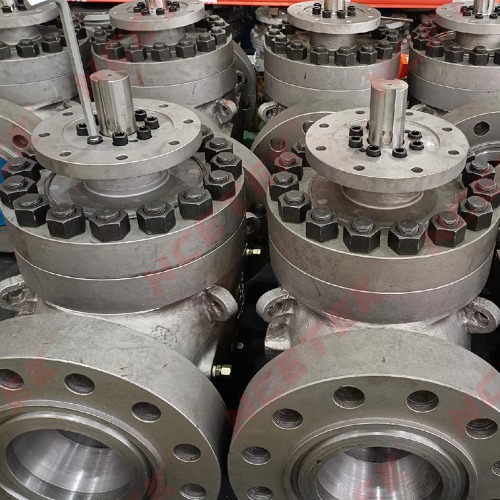
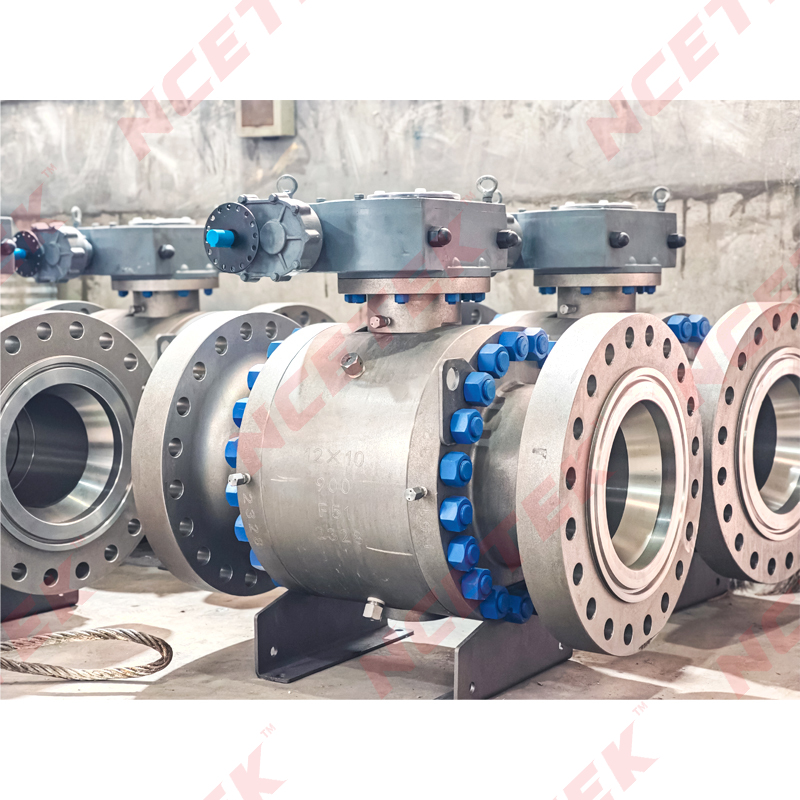
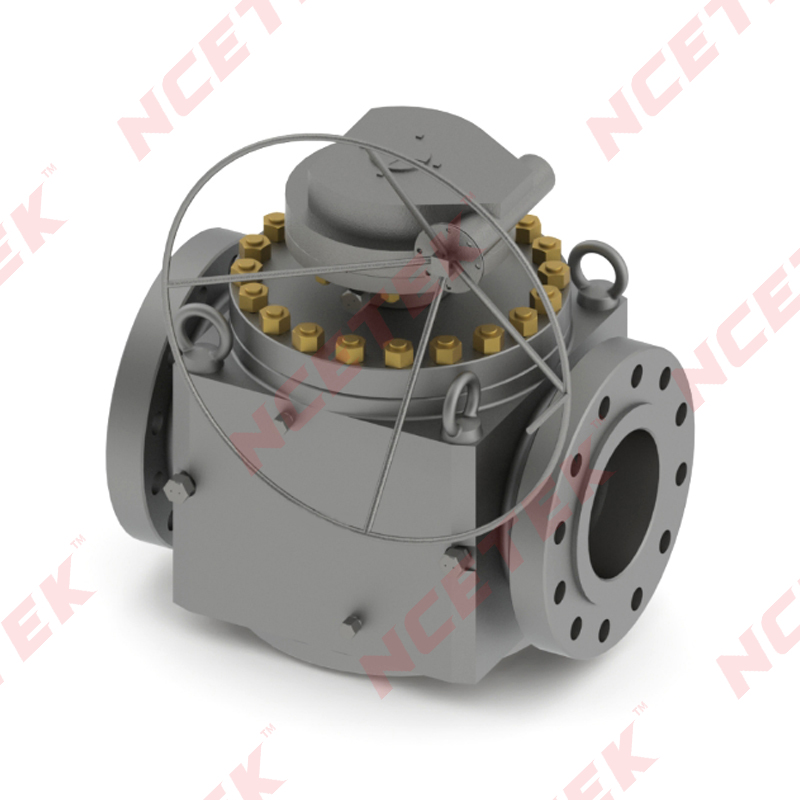
A top entry design allows internal parts to be reached from above rather than requiring the whole valve to be separated from the connected pipe. Trunnion support keeps the ball in a fixed position while it turns during operation, giving the assembly a stable movement path. Such a structure is commonly associated with pipeline and process applications where isolation and maintenance both matter.
Use varies from one industrial setting to another. Oil and gas facilities may place valves along transportation lines, while chemical plants may need them around process equipment. Power facilities, water treatment plants, and marine systems have different operating conditions, so valve selection still needs to follow the actual service rather than the industry name alone.
Access from above changes how maintenance space is planned around a valve. In a crowded pipe area, removing a valve from its line can involve work on connected sections as well as the valve itself. A design that permits access through the upper part can make inspection or internal service easier to arrange.
Trunnion support also affects how the ball moves. Rather than relying only on the surrounding seats to hold the ball, supporting parts carry much of its load. Rotation can therefore remain controlled during opening and closing, which is useful when a valve is installed in a larger process line.
Installation still requires attention. Enough room needs to remain above the valve for inspection and service work, while nearby pipes, structures, and equipment should not interfere with access. A maintenance‑friendly structure has limited value when surrounding equipment leaves no practical working space.
Oil and gas facilities contain many connected pipelines, processing units, storage areas, and transfer lines. Flow may need to be isolated at different points during normal operation or maintenance. Valves used in such systems therefore need to suit both the carried medium and the conditions around the pipeline.
A Top Entry Trunnion Ball Valve is often considered for pipeline isolation because its upper access arrangement can support internal inspection without treating valve removal as the starting point for every service task. Pipeline layouts can extend across open areas, processing facilities, and restricted equipment zones, creating different installation requirements.
Oil and gas applications also vary within one facility. A transfer line does not necessarily face the same conditions as a processing line. Temperature, pressure, fluid condition, pipe size, and available maintenance space all need consideration during selection.
Looking only at the general industry can therefore give an incomplete picture. A suitable valve configuration comes from matching the equipment with its actual place in the system.
Refining and petrochemical production involves many stages connected through process piping. Different fluids move between processing equipment, storage areas, and transfer lines, creating a need for controlled isolation at various points.
Valve placement can influence maintenance work. A unit surrounded by equipment may have limited space around its pipe connections, while a valve installed along a more open line may be easier to reach. With a top entry arrangement, access from above becomes part of the installation plan rather than an afterthought.
Fluid conditions also vary throughout a plant. A valve handling a relatively clean liquid may face different demands from one exposed to a hot process stream or a chemically active medium. Material selection, sealing arrangement, and operating conditions therefore need to be considered together.
Petrochemical and refining systems commonly use trunnion‑supported ball valve arrangements where controlled shutoff and service access are relevant to the piping layout.
Chemical plants can contain liquids and gases with very different physical and chemical characteristics. Some may react with unsuitable materials, while others may operate at temperatures that place greater demands on sealing parts. Valve selection consequently starts with the medium rather than the valve shape alone.
Material compatibility is one area that deserves careful attention. Valve body materials, internal surfaces, and sealing parts all come into contact with the operating environment in different ways. A material that works well in one process may not suit another.
Installation conditions matter as well. A valve positioned close to reactors, storage vessels, or other equipment may have limited room for inspection. A top entry arrangement can be useful in such layouts when sufficient vertical access has been provided.
Chemical processing also shows why a general industry label is not enough for selection. Two plants within the same sector may use different fluids, temperatures, pressures, and piping arrangements. Matching the valve with the actual working conditions helps avoid treating every application as though it has identical requirements.
Power generation facilities contain water, steam, fuel, gas, and other process or utility lines. Each system has its own operating conditions, so valve requirements can change according to where the equipment is installed.
Cooling water lines may place different demands on a valve from lines carrying hot fluids. Fuel‑related piping also requires consideration of the medium, surrounding equipment, and isolation needs. A valve intended for one service should not automatically be transferred to another simply because both belong to the same facility.
Maintenance access has practical importance in power facilities as well. Pipe networks can pass through equipment rooms with limited working space, making the position of serviceable components part of equipment planning. Top entry construction may offer a useful arrangement where access from above is easier to provide than removal space around the pipeline.
Power applications commonly include process and utility piping where ball valves are selected according to fluid conditions, pressure requirements, temperature, and maintenance arrangements.
Water treatment facilities contain many different pipe sections, from incoming water lines to treated water and supporting utility systems. Flow isolation is needed around pumps, storage equipment, treatment units, and maintenance areas, so valve selection often depends on where a line is located and what passes through it.
Clean water and process water do not always create the same working conditions. Water quality, temperature, pressure, and the surrounding environment can affect valve materials and sealing parts. A valve used in an industrial utility line may also face a different service pattern from one installed in a treatment process.
Space around equipment is another practical concern. Pipes may run close to walls, tanks, pumps, or other machinery, leaving limited room for removal work. A top entry arrangement can be considered where access from above fits the available layout.
Maintenance planning should start during installation. Operators need enough room to inspect the upper part of the valve and reach relevant components without moving unrelated equipment. Keeping nearby areas reasonably clear can make later service work easier.
Marine and offshore facilities place equipment in surroundings where moisture, limited space, and difficult access can affect routine maintenance. Pipe systems may be arranged across decks, enclosed areas, or equipment rooms, making installation space an important part of valve selection.
Corrosion protection deserves attention in such environments. External surfaces remain exposed to moisture and salt‑laden air, while internal parts need to match the fluid being carried. Material choices therefore depend on both the pipe contents and the surrounding conditions.
Maintenance access can become more difficult when equipment is installed in a confined area. A valve that can be serviced from above may fit a layout where removing the entire unit would create additional work around nearby piping.
Marine applications also require attention to movement and vibration around equipment. Connections, supports, and operating parts should remain secure during regular use. Valve selection should therefore consider the complete installation rather than treating the valve as an isolated component.
Choosing a suitable valve starts with the working conditions rather than a general product description. Information about the fluid, operating temperature, pressure, pipe arrangement, and installation location gives the supplier a clearer basis for discussing a suitable configuration.
Several points can be checked during communication:
A Top Entry Ball Valve Supplier may also need information about the carton? No—about the pipeline layout, operating conditions, and intended service before discussing valve configuration. Clear information at the beginning can reduce unnecessary changes later.
Maintenance should remain part of the discussion. A valve may fit the pipe physically while creating difficulties during inspection because nearby equipment blocks access. Installation drawings and service requirements can help reveal such problems before equipment reaches the site.
Different industries may use similar valve structures, although their working conditions can vary considerably. Oil and gas piping may focus on isolation along transportation lines, while water treatment systems may place greater attention on water compatibility and maintenance surroundings.
A practical comparison can be made through several common application areas:
| Industry | Common Application | Main Selection Consideration |
|---|---|---|
| Oil and Gas | Pipeline Isolation | Pressure and Maintenance Access |
| Petrochemical | Process Piping | Fluid and Temperature |
| Chemical | Fluid Handling | Material Compatibility |
| Power Generation | Utility Piping | Operating Conditions |
| Water Treatment | Water Flow Isolation | Fluid and Maintenance |
| Marine | Offshore Piping | Environment and Installation Space |
Such comparisons are useful as a starting point rather than a fixed selection rule. A chemical plant may contain several piping systems with very different media, while a water treatment facility can also include utility lines with separate requirements.
Pipe location matters alongside fluid conditions. A valve installed beside a tank may have different access requirements from one positioned along an open pipeline. Installation space, maintenance approach, material compatibility, and operating conditions need to be considered together.
Regular maintenance helps operators notice changes before a valve becomes difficult to operate. Inspection can include external surfaces, sealing areas, operating parts, and connections around the valve.
A change in operating feel may deserve attention, especially when opening or closing becomes less smooth than usual. Leakage around a sealing area, visible corrosion, loose connections, or unusual movement can also indicate that inspection is needed.
Clean working surroundings can make maintenance easier. Adhesive residue is not relevant here; instead, dust, moisture, dirt, or other material around accessible parts should be removed where appropriate. Keeping the upper service area clear also matters for a top entry design.
Maintenance work should follow the equipment instructions and actual service conditions. Unnecessary adjustment can introduce new problems, especially when the original setting was already suitable.
A simple record of inspections can help operators notice gradual changes. Rather than waiting for a clear operating problem, checking equipment during planned maintenance gives staff an opportunity to compare current conditions with normal operation.
An industry label gives only a broad description of valve use. Oil and gas, chemical processing, power generation, water treatment, and marine facilities can all contain very different pipe systems, so choosing a valve based only on the industry category leaves important information unanswered.
For a Top Entry Trunnion Ball Valve, actual service conditions should guide the selection process. Fluid type, temperature, pressure, pipe arrangement, available maintenance space, and surrounding environment all influence whether a particular configuration fits the application.
Consider two valves installed within the same facility. One may sit on an outdoor transfer line with open access around it, while another may be placed between several pieces of processing equipment. Both belong to the same plant, yet installation and maintenance requirements can be quite different.
The same idea applies when working with a Top Entry Ball Valve Supplier. Clear details about the intended service allow equipment discussions to focus on actual operating needs rather than broad industry assumptions.
For industrial piping, suitable valve selection is closely connected with how equipment will be installed, operated, inspected, and maintained. Looking at the complete working environment provides a practical basis for choosing a configuration that fits the pipeline and its surrounding conditions.
 nce@cnnsv.com
 +86-15727968392 / +86-15397375798
 +86-577-67091815
 +86-577-67091815
 Dongou Industrial Zone, Oubei Street, Yongjia County, Wenzhou City, Zhejiang Province, China


Contact Us