In industrial piping systems, ball valves are total workhorses—they're what keep fluid flow in check, maintain system pressure, and keep operations safe across oil and gas, chemical processing, water treatment, and power generation. As industrial projects get more complex with longer transmission routes, tougher working conditions, and stricter reliability demands, how ball valves are made has gone from an afterthought to a make-or-break decision in system design, procurement, and long-term lifecycle management.
High quality welded ball valves from reputable High Quality Welded Ball Valve Factory (with solid welding expertise) and assembled ball valves both do the basic job of opening, closing, or regulating fluid flow—but they're worlds apart when it comes to design thinking, manufacturing steps, sealing setups, how they handle extreme conditions, maintenance needs, and how you judge their performance.
1. Structural Integration
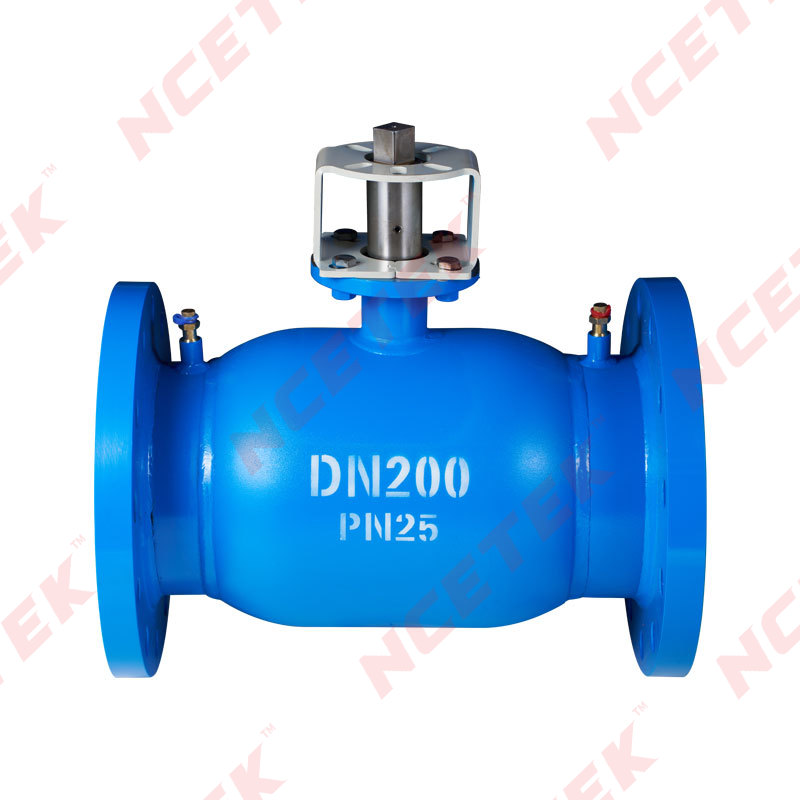
This one-piece design cuts out the need for flanges or bolts, so pressure gets spread evenly across the whole valve body. But this flexibility has a catch: how well the valve works depends entirely on how precisely it's assembled. A flange that's even a little out of alignment or a bolt that's not tightened enough can lead to leaks over time, especially in systems where pressure goes up and down.
- Welded valve advantages: The one-piece design makes sure load is spread evenly, even when dealing with extreme pressure (up to 10,000 psi in some industrial setups) and temperatures ranging from -40°F to 1,200°F for carbon steel models. The sealing stays consistent for decades, which is why they're the top pick for critical infrastructure where a failure would be catastrophic
- Assembled valve advantages: The modular setup lets you swap out individual parts without ditching the whole valve—super handy if you need a new seat seal for corrosive fluids or a specialized stem packing for high-temperature steam. This flexibility is a lifesaver for systems that need regular checks
2. Manufacturing Focus
The assembly process itself is step-by-step: parts are cleaned to get rid of debris that could damage seals, put together in a specific order (like stem first, then ball, then seats), and tightened to precise torque values with calibrated tools.
- Welded valves: The manufacturing process zeroes in on perfect welds, consistent post-weld treatment, and thorough non-destructive testing. This attention to detail makes the valves incredibly durable—many welded valves installed back in the 1980s are still working today in oil and gas pipelines. The stem seal is usually a packing gland with graphite or PTFE packing, designed to stop fluid from leaking along the stem as it rotates. The ball-seat interface uses precision-machined seats (often made of PEEK or metal for high-temperature use) that form a tight seal with the ball core. Since there are no external joints or flanges, welded valves have predictable sealing performance that stays consistent for decades. That's why they're used in applications like liquid oxygen pipelines, where even a small leak could be dangerous.
- Assembled ball valves: have multiple external connections holding parts together—every flange, bolted joint, and gasket is a potential leak point. These connections aren't as sturdy as one-piece welded designs and are really susceptible to outside factors. Repeated system heating and cooling can shift flanges slightly, breaking the tight seal. Vibration from nearby pumps loosens bolts over time, creating fluid-seeping gaps. Pressure cycling squeezes and releases gaskets, wearing them out faster than steady conditions. These valves can hold up, but you have to stay on top of checking external connections—they'll let you down if neglected.
3. Structural Strength and Operational Adaptability
The one-piece design makes sure stress is spread across the entire valve body, preventing cracks or leaks at weak points.
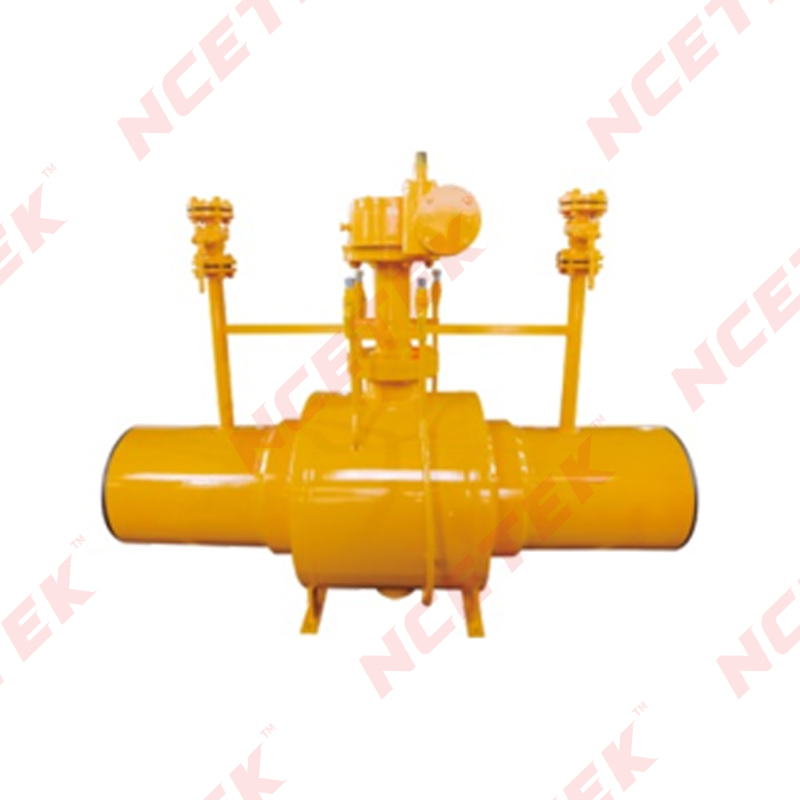
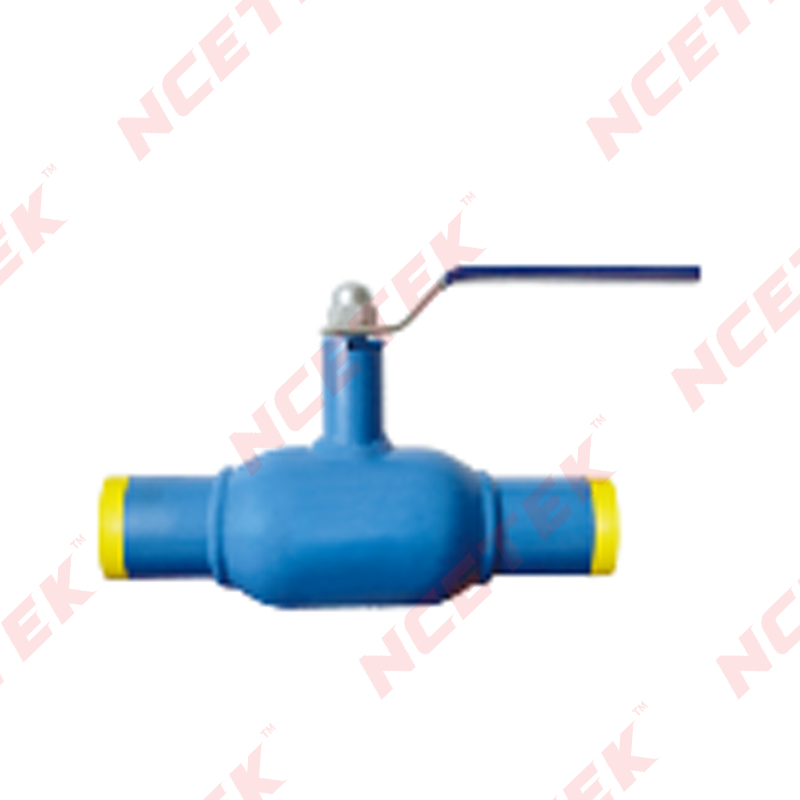
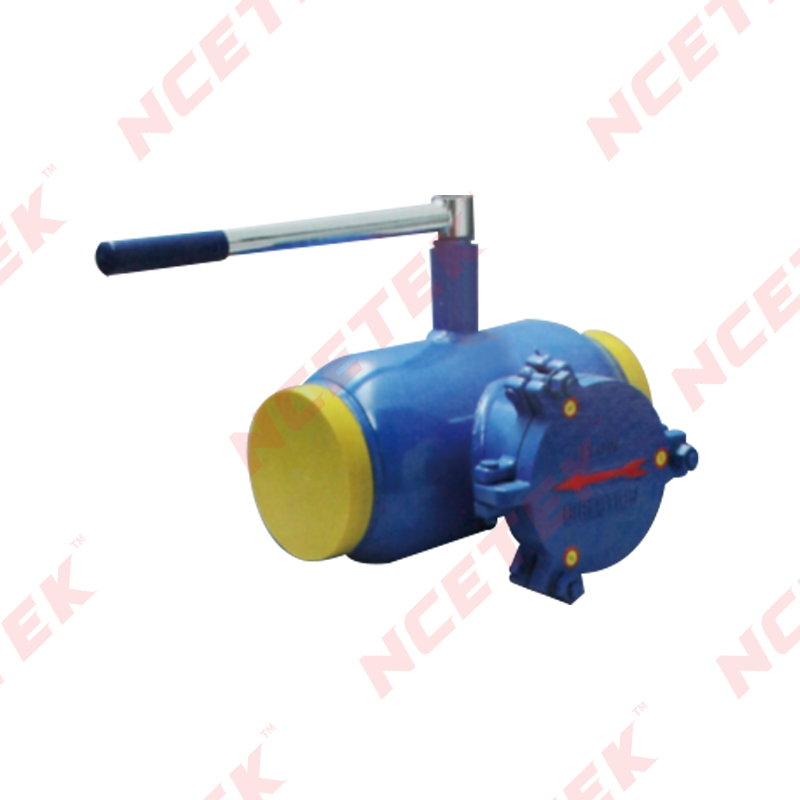
- Welded ball valves: come with a one-piece, fully welded design that spreads stress evenly all over the valve body. This design really helps ward off cracks or leaks at weak spots—even when the pressure or temperature is all over the place. The continuous structure boosts durability and keeps things stable for years on end, which is why these valves work so well for buried pipelines, long-distance transmission systems, and critical process setups. Unlike those modular designs, welded valves hardly ever need extra reinforcement to stay strong.
- Assembled ball valves: are put together from multiple separate components, and that can lead to uneven stress points. Over time, stress tends to build up at flange connections or bolt holes—especially in systems where pressure or temperature changes happen often. Take a power plant's boiler feedwater system, for example: the bolts holding the valve halves together can wear out from all the repeated stress cycles. Designers usually add reinforcement ribs or use high-strength bolts to make them more resilient, but even then, their overall stability still can't measure up to welded valves.
4. Maintenance Philosophy and Lifecycle
When it comes to long-term operation, welded ball valves are designed with simplicity and reliability in mind. They are built to last with very little attention once they're in place. After installation, you typically don't have to go back to retighten bolts, swap out gaskets, or check flanges, because the valve is made as a solid, one-piece welded unit. The materials are carefully chosen, and the construction is sturdy enough to hold up under changing pressures and temperatures, so the seal remains reliable.
- Welded ball valves: are built to last with very little attention once they're in place. After installation, you typically don't have to go back to retighten bolts, swap out gaskets, or check flanges, because the valve is made as a solid, one-piece welded unit. The materials are carefully chosen, and the construction is sturdy enough to hold up under changing pressures and temperatures, so the seal remains reliable. In practice, this means maintenance crews spend less time on routine checks and more time focusing on other parts of the system, while the valve quietly does its job day after day, year after year.
- Assembled ball valves: are designed to be easy to access and service proactively. Their modular build lets maintenance teams take the valve apart, inspect parts, replace worn components, and put it back together quickly—often without even removing the valve from the pipeline. For example, in a chemical plant where a valve's seat seal gets worn out from corrosive fluid, maintenance can take off the valve's bonnet, replace the seat, and have the valve back in service within a few hours.
5. Procurement Considerations
If you're buying valves for a natural gas pipeline, for example, look for a manufacturer that's supplied valves to other pipeline operators. You want to be sure they can deliver valves that will hold up in your specific conditions.
- Assembled valves: Focus on component quality, assembly standards, and after-sales support when procuring. Ask the manufacturer about their component suppliers, their quality control processes, and how quickly they can provide spare parts. It's also a good idea to request a sample valve for testing—this lets you check sealing performance, assembly quality, and compatibility with your system before buying in bulk.
- Selection guidance: For applications where high reliability, low maintenance, and long service life are critical—like buried pipelines, subsea installations, and critical process systems—welded valves are the best choice. For systems where flexibility, easy servicing, and customization are important—like industrial plants, water treatment facilities, and commercial buildings—assembled valves are more suitable. The goal is to pick the valve that aligns with your system's unique needs.
Comparison Table
| Feature |
Welded Ball Valve |
Assembled Ball Valve |
| Structural integration |
One-piece, seamless |
Modular, multiple joints |
| Manufacturing focus |
Welding precision, post-weld treatment |
Component accuracy, assembly management |
| Sealing system |
Internal, centralized |
Multiple flanges and gaskets |
| Load & strength |
Even stress distribution |
Stress concentration at joints |
| Maintenance |
Minimal intervention |
Requires regular inspections |
| Suitable applications |
Buried pipelines, critical systems |
Industrial plants, flexible systems |
| Procurement focus |
Welding expertise, quality control |
Component quality, assembly, after-sales support |

 русский
 简体中文
简体中文

 nce@cnnsv.com
 +86-15727968392 / +86-15397375798
 +86-577-67091815
 +86-577-67091815
 Dongou Industrial Zone, Oubei Street, Yongjia County, Wenzhou City, Zhejiang Province, China


Contact Us