
 русский
 简体中文
简体中文

Orbital ball valve have earned a solid place in industrial piping because they handle repeated opening and closing without quickly wearing out the sealing surfaces. The core idea is straightforward: instead of dragging the ball across the seat during the entire motion like a standard floating or trunnion ball valve, an orbital valve first tilts the ball slightly away from the seat to create clearance, then rotates it to the open position. When closing, the ball rotates back and only wedges tightly against the seat at the very end. This two-step action cuts down on friction and surface damage, so the valve can go through thousands of cycles while still sealing tightly when needed.
Many models include a rising stem that moves visibly with the operation—up when opening, down when closing—which gives anyone nearby an immediate sense of the valve's state without needing gauges or indicators.
1. Common Types and Configurations
These valves come in forms that match different plant layouts and control preferences.
Seating Approaches
Actuation Choices
Factory Configurations
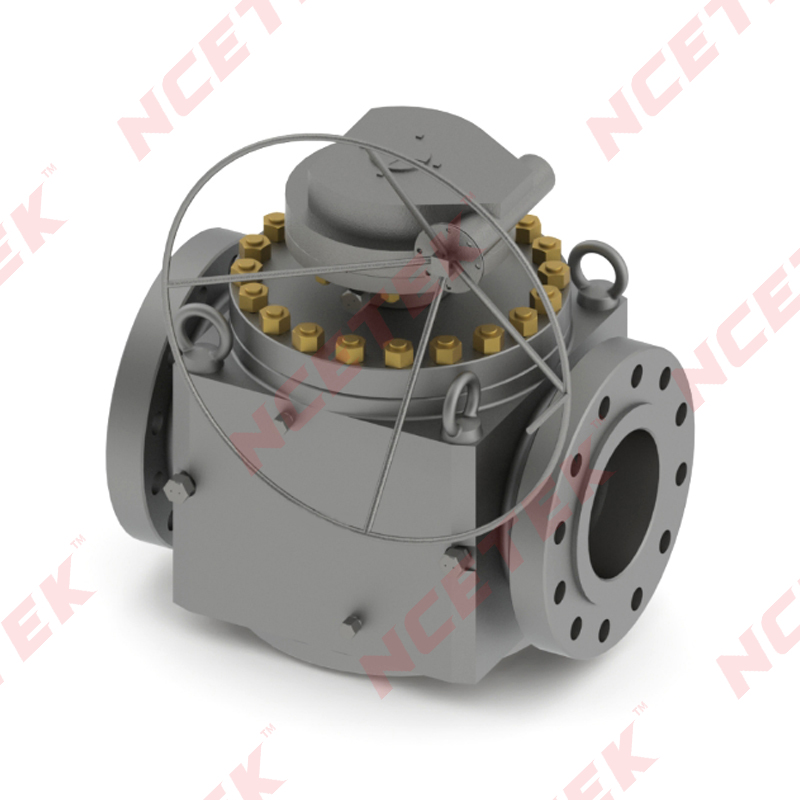
Typical factory configurations include raised-face or RTJ flanges to match existing piping, full-bore passages for unrestricted flow in critical lines, or reduced-bore where a small pressure drop is tolerable. Top-entry bodies are especially common because they let maintenance crews replace seats, seals, or the ball itself without cutting the valve out of the line—a real time-saver during planned outages.
Other practical adaptations cover extended bonnets to keep actuators away from hot or cold process lines, stem extensions for underground or insulated installations, and anti-tamper locks for safety-critical points.
2. Materials That Matter
The right material combination keeps the valve functioning reliably through years of service under specific fluids and conditions.
Body, Ball, and Stem Materials
Seating and Sealing Components
Stem Seals
Stem seals often use layered graphite composites or live-loaded designs to keep fugitive emissions in check and maintain tightness despite thermal cycling.
| Component | Typical Material Groups | Key Service Benefits |
|---|---|---|
| Body | Carbon steel, Stainless, Duplex alloys | Strength, corrosion handling, economic fit |
| Ball | Stainless, Hard-faced alloys | Wear resistance, smooth surface |
| Stem | Stainless or nickel alloys | Torque capacity, galling prevention |
| Seat | PTFE-based, Metal, Compatible elastomers | Leak control, low torque, temperature tolerance |
| Stem Packing | Graphite blends, Composite packs | Emission management, adjustability |
Getting the materials right for the actual fluid, pressure cycles, and temperature swings helps avoid early leaks or mechanical issues.
3. Adaptations for Tough Conditions
Several design tweaks let these valves tackle more demanding roles.
These modifications open the door to a wider variety of processes without forcing a switch to entirely different valve families.
4. Real-World Uses and Standout Performance Traits
Orbital ball valves appear across industries because they combine low wear with consistent shutoff.
Oil and Gas
Chemical Facilities
Power and Industrial Heating Systems
Newer Sectors
Performance Traits
These characteristics often translate to fewer interruptions for valve servicing, especially in high-cycle or dirty-fluid applications.
Orbital ball valve bring together a thoughtful operating mechanism, varied seating and actuation styles, and material options that cover a broad range of industrial needs.
Single-seat remains the workhorse for most uses, with pneumatic, electric, or manual drive as required.
Materials—from basic carbon steel to advanced alloys and soft or metal seats—address everything from routine service to corrosive or temperature-challenging duties.
Specialized builds handle higher pressures, aggressive chemistries, and wide thermal ranges.
The key is matching the valve type, materials, and features to the specific fluid, cycle demands, site conditions, and maintenance approach. When that alignment is done carefully, the valve becomes a reliable contributor to safe, steady plant performance.
 nce@cnnsv.com
 +86-15727968392 / +86-15397375798
 +86-577-67091815
 +86-577-67091815
 Dongou Industrial Zone, Oubei Street, Yongjia County, Wenzhou City, Zhejiang Province, China


Contact Us