
 русский
 简体中文
简体中文

Control of the flow of liquid or gas in many industrial processes is a fundamental but crucial task. That's where the orbital ball valve come into play. On the surface, they might look like ordinary ball valves, but they are designed to minimize wear and increase reliability. The basic idea behind the orbital ball valve is simple: it allows flow when it is open, when it is closed, and when it is closed, it will reduce the friction on the seal surface with a small orbital movement.
Think of a simple water pipe. In some parts, you may need to temporarily stop the stream without closing the entire system. This can be handled by a standard valve, but over time, repeated use can wear down the sealing surface, resulting in leakage. The orbital ball valve addresses this problem by slightly moving the ball in a small orbital path as it opens or closes. This additional motion is more evenly distributed over the seat and reduces the amount of friction that normally causes the valve to wear out.
Flow Regulation: Orbital ball valves are used to start, stop, or control the flow smoothly. Their design helps prevent sudden surges that might damage pipes or other equipment.
Leak Prevention: A reliable seal is one of the main advantages. By allowing a controlled orbital movement, the valve reduces the risk of small leaks that could occur with standard ball valves.
Reduced Maintenance: Because the orbital motion spreads the wear over a larger area, these valves require less frequent service, which helps reduce downtime in busy industrial operations.
Versatile Use: They are suitable for different types of fluids, including water, oil, chemicals, and gases. The valve design can adapt to various pressures and temperatures without compromising safety.
Where Orbital Ball Valves Are Used
Orbital ball valves are found in a variety of settings. Some common examples include:
Even though orbital ball valves are not required in every system, they provide a reliable option where smooth operation and long-term sealing are priorities.
The Components That Make It Operational
An orbital ball valve has several key parts that work together to provide reliable control:
By understanding these components, operators will be able to see how even minor changes in the design can increase the durability of the valve and reduce maintenance requirements.
Operator Practical Notes
Even before installation, there are a few practical considerations for orbital ball valves:
When you look at the inside of an orbital sphere, it might look simple, but the way it works is carefully designed. Unlike a standard ball valve, which only rotates around one axis, the orbital ball valve can cause a slight "wobble" as it rotates. This extra motion may seem small, but it has a big effect on performance. By moving slightly in an orbital path, the ball distributes pressure more evenly on the sealing surfaces. Over time, this reduces the wear and maintains the valve seal properly.
Think of it as a rolling ball in a cup. If you just turn the ball around, it will rub hard on the cup in one place. But if the ball moves slightly in a circle during rotation, the contact spreads out, resulting in less friction. This principle helps to prevent leakage in industrial pipes and allows the valve to last longer.
How the Valve Opens and Closes
The hollow portion of the ball is aligned with the tube when the valve is opened, allowing the fluid to flow. Closing the valve causes the ball to rotate backward and also to move it slightly into the seat. The motion of the orbit makes sure the ball is in contact with the seat. The pressure is distributed across the surface rather than concentrated at a single point. This is why the valve can maintain a tight seal at varying pressures without constant adjustment.
Components in Action
Although there are several major parts in the orbit ball valve, every one of them plays a part in the smooth operation.
In practice, the interaction between the components is gentle rather than harsh. This is one of the reasons why the orbital ball valves can operate for a longer time with less maintenance than some conventional valves.
Why the Orbital Motion Matters
The subtle movement offers several practical benefits:
In a busy plant, these advantages translate into fewer interruptions for repairs, less fluid loss, and a smoother workflow.
Observing in a Real System
Imagine a plant technician inspecting a piping system. They notice that a standard ball valve tends to stick after many cycles. With an orbital ball valve, the motion is smoother. The operator can turn the handle or actuator without sudden resistance, and the valve seals reliably each time. This simple motion difference helps to explain the preference for an orbital ball valve in a system where it needs to be operated frequently or tightly controlled.
Practical Tips
Even with a good design, correct installation and handling matter:
Choosing a proper orbital ball valve for an industrial system is not just about knowing how it works. The valve must be designed in accordance with the type of fluid, pressure, temperature, and maintenance requirements of the system. Properly designed to ensure reliable operation, minimize wear, and minimize the risk of leakage.
Matching Valve Design to System Conditions
Industrial pipelines vary greatly in the liquids they carry. Some pipelines carry water or steam, while others process chemicals, gases, or oils. The material of the body and the seat must be chosen according to these conditions, so as to prevent corrosion or damage. Failure of the type of fluid and the material of the valve can lead to early failure or leak, even if the orbit mechanism is functioning correctly.
Pressure and temperature are also crucial. Valves designed for moderate conditions are unlikely to work at higher or higher temperatures. These variables are considered in the selection process to make sure that the valve remains sealed and operational throughout its life.
Body Types and Material Selection
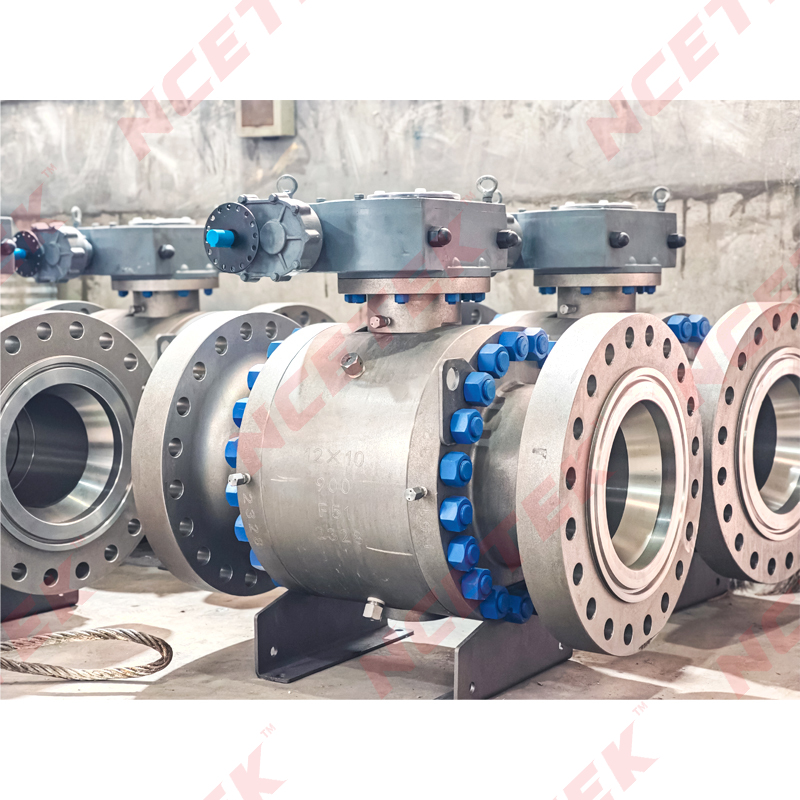
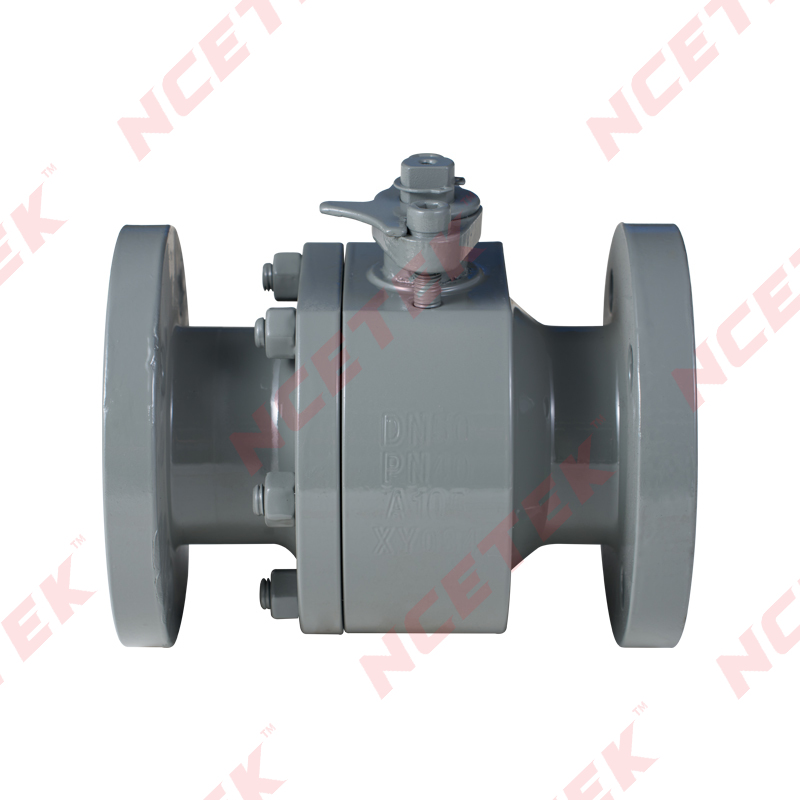
Orbital ball valves are available in single-piece, two-piece, and three-piece designs. Each type has practical advantages depending on installation space, maintenance access, and pipeline configuration.
Common body materials include stainless steel, carbon steel, and corrosion resistant alloys. The selection of materials is dependent on the particular fluid, pressure, and environment. An appropriate body material helps to maintain long term durability and reduces the risk of leakage or component damage.
Seat and Seal Considerations
Seat and seal are indispensable for reliable valve performance. In orbital ball valves, the seat must accommodate the orbit motion of the ball without deforming or cracking. The design of the seat is designed to balance the flexibility and durability of the seat, allowing it to remain closed for the duration of the cycle.
Seals prevent fluid from going around the seat and protect the internal parts from being damaged. Even though the orbital movement reduces friction, appropriate material selection and periodic inspection are still essential for the maintenance of sealing properties and the extension of service intervals.
Actuation and Stem Design
Actuation can be manual or automated, depending on the application. The stem connects the actuator or handle to the ball, transmitting motion while allowing the orbital movement to occur naturally. Proper stem alignment and design ensure smooth operation and prevent uneven wear on the ball and seat.
In automated systems, actuators must match the valve’s torque requirements. Pneumatic or electric actuators provide controlled movement, and their integration must account for the unique orbital motion to avoid stress on components and ensure reliable performance.
Practical Implementation
For effective operation, the following considerations are important:
Attention to these design elements helps to keep running smoothly, consistently sealing, and reliably operating in an industrial environment.
Orbital ball valve combine innovative motion design with carefully selected materials to provide reliable flow control for a wide range of industrial systems. Their unique orbital mechanism reduces friction, extends service life, and guarantees uniform sealing over a wide range of working conditions.
As industry develops, these valves are adapting alongside new materials, automation technologies, and predictive maintenance tools. By understanding their operating principles, influencing factors, and new developments in this area, engineers and operators can make informed decisions about how to select and maintain an orbital ball valve.
An orbital ball valve is integrated into the pipeline and automation system to improve the efficiency, reduce down time, and improve the reliability of the whole process. Such valves are likely to remain a viable option for industries that require accuracy, durability, and low maintenance.
 nce@cnnsv.com
 +86-15727968392 / +86-15397375798
 +86-577-67091815
 +86-577-67091815
 Dongou Industrial Zone, Oubei Street, Yongjia County, Wenzhou City, Zhejiang Province, China


Contact Us