
 русский
 简体中文
简体中文

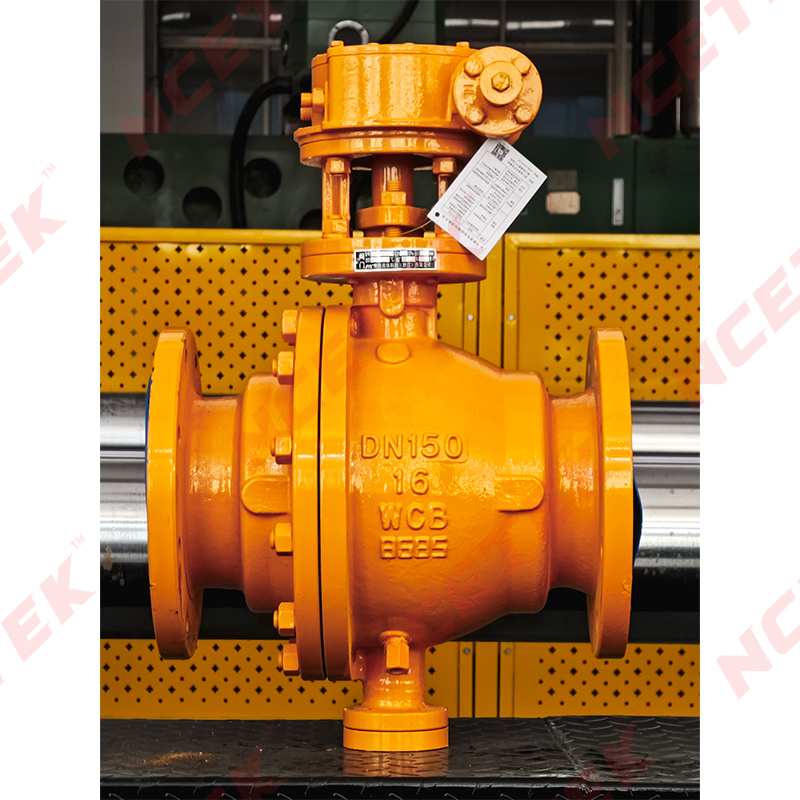
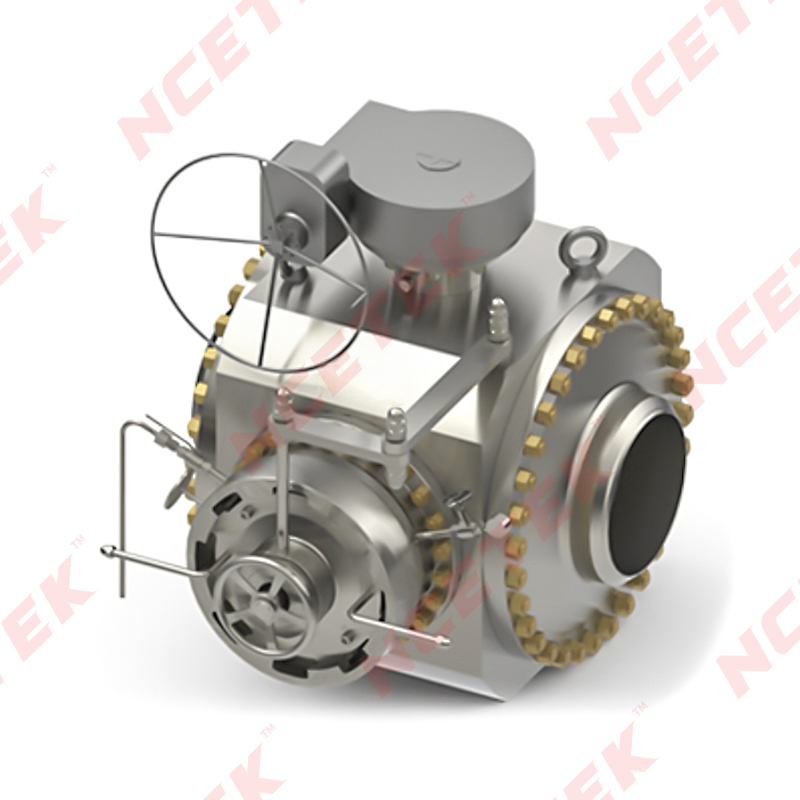
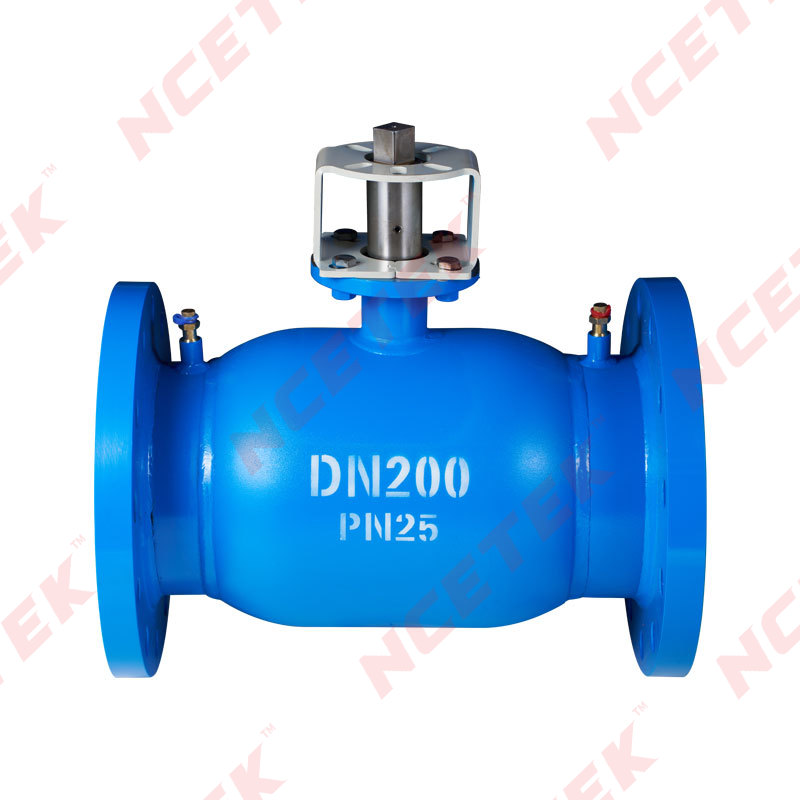
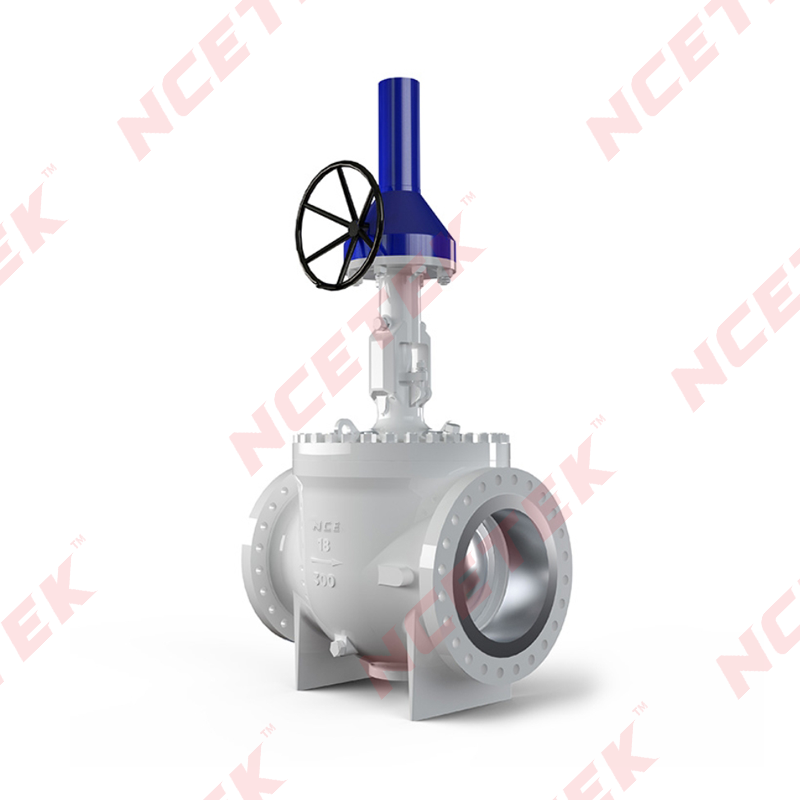
When people talk about ball valves in industrial pipelines, the discussion often goes beyond the simple idea of opening and closing flow. In real projects, the way a valve holds its internal parts matters just as much as the sealing surface itself. A trunnion mounted ball valve is one example of how structural thinking influences everyday operation inside a pipeline.
In this design, the ball is not left to move freely inside the valve body. Instead, it is held in place by solid supports located above and below the ball. These supports, called trunnions, act like anchor points. Their role is to keep the ball steady while allowing it to rotate smoothly when the valve is operated. The ball turns, but its position remains controlled.
This arrangement changes how the valve reacts to internal pressure. Rather than allowing pressure to push the ball against one side, the load is guided through the supporting structure. The seats are then designed to adapt to the ball's movement and maintain sealing contact. This approach reflects a different way of managing force inside the valve.
Looking at the Design From a Practical Angle
From a practical point of view, the trunnion mounted structure focuses on predictability. The ball follows a fixed path during operation. It does not shift back and forth depending on flow direction or pressure changes. For engineers working on large pipeline layouts, this kind of controlled movement can make system behavior easier to anticipate.
Instead of depending on fluid force to hold components in place, the valve relies on mechanical support. This is one reason why the design often appears in discussions related to long pipelines or systems where valves are part of a broader control strategy.
How the Main Parts Work Together
| Part | How It Contributes |
|---|---|
| Ball | Rotates to regulate flow |
| Trunnion supports | Keep the ball aligned |
| Seats | Follow the ball to maintain sealing |
| Stem | Transfers motion from the operator |
| Body | Provides a stable enclosure |
Why This Structure Was Developed
The trunnion mounted ball valve did not emerge as a general-purpose solution. It was created to address situations where valve stability plays a role in overall system planning. In larger or more complex installations, valves are expected to operate consistently over long periods while interacting with actuators, controls, and other equipment.
In these environments, designers often prefer solutions where internal movement is limited and clearly defined. The trunnion structure supports that goal by keeping the ball centered and supported throughout operation.
Thinking From the Inside Out
A helpful way to understand this valve is to imagine what happens inside when it is used repeatedly. In many systems, a valve may sit in one position for a long time and then be operated when needed. When that moment comes, the internal parts should move smoothly without shifting in unexpected ways.
This is where the trunnion mounted approach begins. The ball is not allowed to wander inside the body. It has a defined position and a defined path of rotation. Everything else inside the valve is arranged around that idea.
Rather than asking pressure to hold parts in place, the design relies on structure.
Why the Ball Is Kept in One Place
In some valve designs, pressure plays a major role in pushing the ball into position. That can work in many situations, but it also means the internal balance changes as conditions change. The trunnion mounted structure takes a different path.
Here, the ball is supported by fixed points. It rotates, but it does not shift along the flow direction. This creates a stable center inside the valve. No matter what happens in the pipeline, the ball follows the same motion every time it is operated.
For system designers, this kind of behavior is easier to account for. When movement is controlled, planning becomes more straightforward.
How Internal Forces Are Managed
Inside a working pipeline, forces are always present. Instead of trying to remove them, valve design focuses on guiding them. The trunnion mounted layout directs internal forces into the valve body rather than allowing them to concentrate on sealing surfaces.
This choice affects how different parts interact. Support elements carry alignment duties. Sealing parts focus on contact. Motion-related components transfer rotation. Each part handles a specific task.
By separating these roles, the design avoids asking one component to solve multiple problems at the same time.
The Role of Sealing Without Control
The seats inside a trunnion mounted ball valve are important, but they are not used as positioning tools. They do not hold the ball in place. Instead, they follow the ball's movement and maintain contact as rotation occurs.
This means sealing is achieved through adaptation rather than force. The seats respond to the ball instead of pushing it. Over time, this supports steady interaction between surfaces.
From a practical viewpoint, this approach reduces internal tension. Parts work with each other instead of against each other.
Movement That Follows a Clear Path
When the valve is operated, the ball turns around a fixed axis. This movement does not depend on pressure direction or flow behavior. It depends on the structure inside the valve.
Because the path of motion is clearly defined, operation feels consistent. Whether the valve is used occasionally or more frequently, the internal response remains the same.
This predictability is one reason why this design is often chosen in systems where coordination between components matters.
The Stem as a Link, Not a Support
The stem connects the internal ball to whatever mechanism operates the valve. Its role is simple. It passes motion from the outside to the inside.
In this design, the stem is not asked to carry the ball or resist internal forces. That responsibility belongs elsewhere. Because of this, the stem can focus entirely on transferring rotation.
Keeping the stem's role clear helps maintain smooth operation and reduces unnecessary load during use.
The Body as the Structural Backbone
The valve body is more than a container. It is the backbone of the entire assembly. It holds the support points, positions the sealing elements, and keeps everything aligned.
When internal forces are guided into the body, the structure absorbs them and distributes them evenly. This helps maintain internal order during operation.
From an engineering perspective, a stable frame allows internal parts to behave as intended without interference.
Seeing the Valve as a Coordinated System
Instead of viewing the valve as a collection of separate parts, it makes more sense to see it as a coordinated system. Each internal area plays a role, and none of them dominates the others.
When the valve is operated:
| Internal Function | What It Focuses On |
|---|---|
| Support structure | Keep alignment stable |
| Sealing elements | Maintain isolation |
| Motion connection | Transfer rotation |
| Structural frame | Absorb internal forces |
Why This Matters in Daily Operation
In real pipeline systems, valves are rarely adjusted for internal behavior once they are installed. What matters is how they respond over time. A design that limits internal variation helps maintain system stability.
When internal movement is controlled, it becomes easier to integrate valves into automation and monitoring setups. Operators know what to expect, and systems behave in a consistent way.
Instead of reacting to internal shifts, the valve follows its structure.
Pipeline stability is rarely about a single component working in isolation. In real systems, stability comes from how equipment behaves together over time. Valves, although small compared with the length of a pipeline, play a central role in shaping flow behavior, pressure balance, and operational rhythm. When engineers discuss stability in this context, trunnion mounted ball valves often enter the conversation for practical reasons rather than promotional ones.
To understand how this valve type supports stable operation, it helps to step away from internal drawings and focus on what happens once the valve becomes part of a working system. Stability is not created by one dramatic feature. It grows from predictable movement, controlled interaction, and clear response under changing conditions.
Stability Starts With Predictable Motion
In pipeline operation, unpredictability creates challenges. Sudden internal shifts, uneven movement, or inconsistent response can ripple through a system. Trunnion mounted ball valves address this concern by defining how internal movement takes place.
Because the ball is supported by fixed points, its motion follows a clear and repeatable path. When the valve opens or closes, the ball rotates without drifting inside the body. This controlled rotation means the valve responds in the same way each time it is used, regardless of flow direction or pressure variation.
For operators and system planners, this consistency matters. When movement is predictable, it becomes easier to coordinate valve operation with other equipment such as actuators, sensors, or control logic.
Managing Internal Forces Without Disruption
Every pipeline experiences internal forces. These forces come from flow changes, temperature shifts, and operating cycles. The question is not how to remove these forces, but how to guide them in a way that does not disturb system behavior.
In a trunnion mounted ball valve, internal forces are directed into the support structure and valve body rather than pushing the ball out of alignment. This reduces the chance of internal components reacting in unexpected ways.
Instead of allowing pressure to decide how parts move, the structure defines clear roles. Support elements handle alignment. Sealing parts focus on contact. Motion transfer components deliver rotation. This separation helps prevent one area from influencing another unnecessarily.
Contribution to Smooth Flow Transitions
Stable pipeline operation is closely tied to how flow transitions are handled. Abrupt changes can introduce vibration or noise that affects surrounding equipment. While valves are not designed to control every flow characteristic, their internal behavior influences how transitions occur.
With controlled rotation and steady alignment, trunnion mounted ball valves support smoother changes between open and closed positions. The ball moves along a defined axis, which helps avoid sudden internal shifts that could disturb flow patterns.
This steady behavior supports gradual transitions rather than abrupt changes. Over time, such consistency contributes to calmer system operation.
Supporting Long Pipeline Sections
In extended pipeline networks, valves often serve as control points rather than frequent adjustment tools. They may remain in one position for long periods and then be operated when system conditions require it.
In these situations, internal stability becomes important. A valve that maintains its internal alignment during long idle periods is more likely to behave as expected when it is finally used. The trunnion mounted structure supports this by keeping internal parts in fixed positions, independent of pressure influence.
This characteristic fits well with systems where valves are part of a broader operational strategy rather than tools for constant adjustment.
Interaction With Automated Systems
Modern pipelines often rely on automation to maintain balance and respond to changing demands. In such environments, valves must respond clearly to control signals. Any internal variation can complicate system feedback.
Trunnion mounted ball valves are often considered in automated setups because their movement is defined by structure rather than changing internal forces. When a control signal initiates rotation, the internal response follows a known path.
This clarity supports integration with automation. Systems can be tuned based on predictable behavior rather than adjusted to compensate for internal variation.
Reduced Internal Interaction During Operation
One factor that influences stability is how much internal interaction occurs during movement. Designs that rely heavily on pressure-driven positioning can introduce additional contact between components as conditions change.
The trunnion mounted approach limits this interaction. Since the ball remains supported, it does not press into seats as a result of pressure alone. The seats adjust to the ball rather than forcing it into position.
This relationship helps maintain internal order during operation. Parts work together without competing roles, which supports consistent behavior across operating cycles.
System-Level View of Valve Behavior
From a system perspective, a valve is not judged by a single action. It is evaluated by how it behaves over time and how it fits into the overall layout. Stability is a system property, not an isolated one.
Trunnion mounted ball valves contribute to this system-level stability by behaving in a controlled manner that aligns with planning assumptions. Engineers can account for their response when designing pipeline layouts, control strategies, and maintenance plans.
| Operational Aspect | Contribution to Stability |
|---|---|
| Fixed ball support | Predictable internal alignment |
| Controlled rotation | Consistent opening and closing |
| Adaptive sealing | Steady isolation without force |
| Structural load paths | Balanced internal force handling |
Stability During Repeated Operation
Pipelines often operate on cycles. Valves may open and close according to schedules or process needs. Over time, repeated operation can reveal whether a design supports stability or introduces variation.
The trunnion mounted structure supports repetition by guiding movement along the same path every time. Because internal alignment does not depend on pressure conditions, each cycle follows a familiar pattern.
This repeatability supports confidence in system behavior. Operators know what to expect when a valve is used, which reduces the need for constant adjustment.
Supporting Maintenance Planning
Stable operation is closely linked to maintenance planning. When internal behavior is predictable, it becomes easier to schedule inspections and service activities.
Although maintenance practices vary by project, a valve that maintains internal alignment simplifies observation and assessment. Engineers can focus on known interaction points rather than investigating unexpected movement.
This clarity supports long-term planning and reduces uncertainty during system operation.
Role in Pressure Balance Across the System
Pressure balance is a shared responsibility across pipeline components. While valves are not responsible for managing pressure alone, their internal response influences how pressure changes are absorbed.
By directing internal forces into the structure rather than allowing movement, trunnion mounted ball valves help maintain balance during pressure variation. The valve does not become a source of internal instability when conditions change.
This behavior aligns with system designs that prioritize steady operation over reactive adjustment.
Clear Behavior During Manual Operation
Not all pipelines rely solely on automation. Manual operation remains common in many systems. In these cases, operator feedback plays a role in stability.
With defined internal movement, trunnion mounted ball valves offer clear response during manual use. The rotation feels consistent because internal alignment does not shift unexpectedly.
This clarity supports safe and confident operation, especially in environments where valves are adjusted based on observation rather than automated signals.
A Design That Supports Calm Systems
When engineers describe stable pipelines, they often refer to systems that behave calmly. Components respond without sudden movement, and interactions follow expected patterns.
The trunnion mounted ball valve supports this calm behavior by limiting internal variation. Fixed support, guided motion, and balanced force paths all contribute to an internal environment that resists disruption.
Installing and caring for a trunnion mounted ball valve involves more than simply putting it in place. How a valve is handled during installation and monitored afterward can influence its performance and the behavior of the pipeline for years to come. Thinking ahead and observing practical details helps make operation smoother and maintenance more predictable.
Starting With Practical Placement
When preparing for installation, one of the first questions is often about location. The valve should sit in a position that is easy to reach, easy to operate, and easy to check later. Space around the valve matters. Limited access can make inspection and adjustment frustrating or even unsafe.
Orientation is another factor. Placing the valve so that its movement aligns naturally with the pipeline flow reduces stress on internal parts. Even though the trunnion design keeps the ball in a fixed path internally, improper orientation externally can still introduce force that the valve body must absorb.
Coordinating With Other Components
Pipelines rarely consist of valves alone. They interact with supports, sensors, actuators, and other control equipment. Early coordination ensures that the valve fits seamlessly. Misalignment with adjoining pipes can create tension and increase wear on internal parts. Careful handling at this stage helps maintain internal stability over time.
Installation planning also includes thinking about how future maintenance will be carried out. Leaving enough room for tools, observation, or even temporary supports makes it easier for teams to perform routine checks without disassembly.
Handling the Valve Carefully
Even though trunnion mounted ball valves are sturdy, they are not immune to internal misalignment if handled poorly. Supporting the valve at its lifting points rather than gripping the body helps prevent unintended stress. Smooth, controlled movements during placement reduce the chance of damage before the valve even starts operating.
When valves are transported or lifted into place, avoiding sudden impacts protects internal alignment. Treating the valve as a functional system rather than just a metal object encourages care and reduces the risk of introducing internal strain.
Connecting to the Pipeline
Once positioned, the connection to the pipeline must be done thoughtfully. The aim is a natural fit rather than forcing parts together. Proper alignment prevents extra stress on internal components and ensures that the ball can rotate along its fixed path smoothly. When connections match without tension, operation feels consistent, and long-term wear is minimized.
Observing Initial Operation
After installation, the first cycles of opening and closing help confirm that the valve is behaving as expected. Observing how the ball rotates, how the seats interact, and how the stems transfer motion allows operators to detect misalignment or abnormal resistance early. These observations set a baseline for future maintenance checks.
Planning Maintenance Around Predictable Behavior
One of the advantages of trunnion mounted valves is that internal movement is guided by design rather than by pressure alone. This predictability allows maintenance to focus on known interaction points, such as the connection between the ball and seats or the condition of support elements.
Routine inspections can include visual checks for stress marks, vibration, or unusual noise. Because the valve's internal behavior is stable, these inspections can be scheduled rather than performed reactively.
Ensuring Access for Inspections
Access is a recurring theme in both installation and maintenance. Proper placement with space around stems, handles, and connection points allows operators to work safely and efficiently. Even minor adjustments or monitoring sensors benefit from accessible orientation.
Planning for access also supports safety. Teams can perform inspections without contorting, reaching over obstacles, or removing adjacent equipment unnecessarily. This attention to practical access helps maintain predictable operation over the life of the valve.
Handling Repeated Cycles
Valves often sit idle for long periods and then operate on demand. Predictable internal paths mean that even after inactivity, the valve behaves in the same way during operation. Maintenance can focus on readiness and observation rather than compensating for unexpected shifts in internal parts.
Supporting Manual and Automated Operations
Not all systems are fully automated. In many cases, operators interact directly with the valve. A valve installed with care and positioned for accessibility provides clear feedback during manual operation. The stem rotates predictably, and resistance feels consistent because internal alignment is preserved.
In automated systems, predictable movement simplifies integration with sensors or actuators. The valve responds clearly to signals, and system operators can rely on consistent behavior when monitoring performance.
Integrating Installation and Maintenance
Installation and maintenance are best viewed as a continuous process. Decisions made during placement influence future inspections. Proper alignment and orientation reduce stress and make routine checks simpler. Likewise, maintenance experience can inform adjustments in future installations to improve accessibility or workflow.
Contributing to Overall System Stability
Ultimately, the way a valve is installed and maintained contributes to overall pipeline stability. Thoughtful placement, careful handling, and scheduled inspections allow the trunnion mounted valve to operate predictably. Operators and engineers can focus on system performance rather than responding to unexpected valve behavior.
A valve installed and cared for with awareness of its design supports smooth flow, balanced forces, and consistent operation throughout the network. This practical approach helps ensure that the pipeline behaves reliably over time.
Key Takeaways
Naishi specializes in manufacturing trunnion mounted ball valves, combining practical experience with careful attention to design and assembly. Each valve is crafted and inspected with consideration of how it will perform within a pipeline, ensuring predictable movement and consistent operation.
From initial fabrication to final inspection, every step emphasizes proper alignment, internal stability, and reliable function. The facility is organized to support smooth assembly, careful handling, and thorough quality checks, helping valves perform reliably once installed.
By focusing on these practical details, Naishi produces trunnion mounted ball valves that integrate naturally into pipeline systems, support stable operation, and offer operators predictable performance over time.
 nce@cnnsv.com
 +86-15727968392 / +86-15397375798
 +86-577-67091815
 +86-577-67091815
 Dongou Industrial Zone, Oubei Street, Yongjia County, Wenzhou City, Zhejiang Province, China


Contact Us