
 русский
 简体中文
简体中文

A ball valve buried underground faces conditions that above-ground valves never encounter. Soil holds moisture against the valve body. Groundwater rises and falls with the seasons. Chemicals in the soil attack the metal surface. Without protection, the valve will corrode.
The coating serves as the primary defense against corrosion. The coating separates the metal from the surrounding environment. A continuous, well-adhered coating keeps moisture away from the valve body. A coating with defects allows moisture to reach the metal and start the corrosion process.
Consequences of coating failure extend beyond the valve itself. A leaking valve wastes water and creates environmental concerns. The excavation required to replace a failed underground valve adds significant cost. The failure that could have been prevented with a proper coating inspection becomes a major expense.
Inspection before installation is more practical than excavation after failure. A valve that has been inspected and accepted can be installed with confidence. A valve that has not been inspected may fail prematurely.
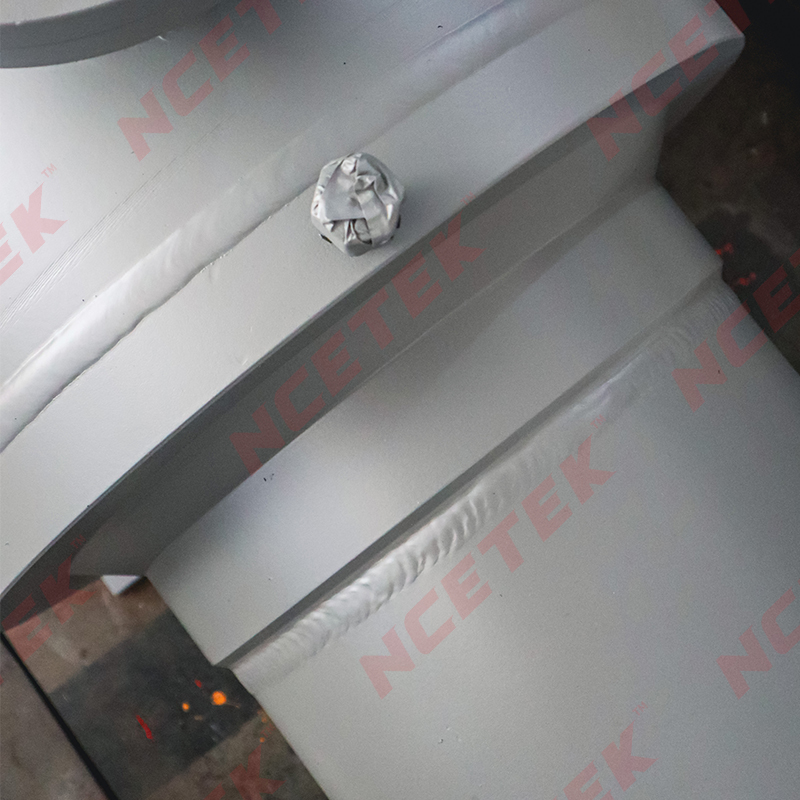
Visual inspection starts with the valve body. The coating should be free of chips, scratches, and mechanical damage from handling and transport. A chip that exposes bare metal will become a corrosion site.
Fish eyes, craters, and surface contamination indicate problems with the coating application. Fish eyes are small circular depressions caused by surface contamination. Craters are larger depressions that indicate coating failure. Both are signs of poor adhesion.
Uniformity of coating thickness across the valve body and welds matters. A thin spot on a weld may not provide adequate protection. A thick spot may be brittle and prone to cracking. The coating should be consistent across the entire surface.
Adequate lighting makes the inspection possible. A valve that looks acceptable in poor light may show defects in good light. The inspection should be conducted under conditions that allow the inspector to see the coating clearly.
Holiday detection uses electrical spark testing to identify defects in the coating. The test applies a voltage to the coating. A defect allows the current to pass through and creates a spark.
The principle of detecting pinholes, skips, and discontinuities in the coating is simple. The coating acts as an insulator. A defect in the coating creates a path for the current. The spark identifies the location of the defect.
Recommended voltage levels for Underground Ball Valve coatings depend on the coating thickness. A thicker coating requires a higher voltage. The voltage should be set to detect defects without damaging the coating.
Understanding what constitutes an acceptable versus unacceptable defect is essential. A single pinhole may be repairable. A large area of thin coating may require reapplication. The acceptance criteria should be established before the inspection.
Magnetic or eddy-current gauges provide non-destructive thickness measurement. The gauge measures the distance from the gauge to the metal surface through the coating. The measurement indicates the coating thickness.
Minimum coating thickness requirements are established for underground service. The requirements vary with the coating type and the service conditions. A coating that meets the requirements will provide adequate protection.
Measuring thickness at multiple points across the valve surface provides a representative sample. The valve body, the ends, and the welds should all be measured. A single measurement may not reveal a thin spot elsewhere.
| Inspection Method | What It Detects | When to Use |
|---|---|---|
| Visual inspection | Chips, scratches, surface defects | Before installation |
| Holiday detection | Pinholes, skips, discontinuities | Before installation |
| Thickness measurement | Coating thickness variations | Before installation |
The thumbnail test offers a quick way to check coating cure in the field. Pressing a thumbnail into the coating surface gives immediate feedback. A properly cured coating resists the pressure and leaves no mark. An under-cured coating accepts the indentation and shows a visible impression.
The "fingernail hard" standard has been used for years as a practical field test. No special equipment is needed, and the test takes only a moment. The test works well for epoxy and polyurethane coatings commonly found on underground valves.
Proper cure time before handling or installation cannot be rushed. Coatings need time to reach their full hardness. Handling a valve before the coating has fully cured can damage the surface. Installing a valve with an under-cured coating can lead to premature failure.
Signs of insufficient cure include soft spots, tackiness, and an unusual odor. A coating that remains tacky after the specified cure time has not cured properly. The problem may indicate incorrect mixing, low temperature, or high humidity during application.
Fusion-bonded epoxy represents one of the more common coating choices for underground valves. The coating bonds to the metal surface through a heat-activated chemical reaction. The result is a hard, continuous layer that resists moisture penetration.
Polyurethane coatings offer another option for underground service. These coatings provide good abrasion resistance and flexibility. The material can withstand the movement and settling that occurs in buried installations.
Some heavy-duty underground applications call for specialized polyurethane-based systems. These coatings provide extra protection in aggressive soil conditions. A Welded Ball Valve Supplier may recommend specific coating systems based on the service environment.
Electroless nickel plating and tungsten carbide coatings address wear-critical surfaces. These coatings protect areas that experience friction during valve operation. The hard surface reduces wear and extends the service life of the valve.
A few coating types and their typical applications:
The role of a Welded Ball Valve Supplier in ensuring coating specifications are met is central to valve reliability. The supplier should provide documentation that confirms the coating type, thickness, and cure status. The documentation supports the inspection process.
Factory-applied coatings offer advantages over field-applied coatings. The factory environment provides controlled temperature, humidity, and application conditions. A coating applied in a factory setting is more likely to meet specifications than one applied in the field.
Documentation and certification that support coating integrity verification provide confidence in the product. The documentation should include the coating type, thickness measurements, and holiday detection results. The certification confirms that the coating meets the specified requirements.
Supplier quality control processes contribute to long-term valve reliability. A supplier that follows consistent processes produces a consistent product. The consistency provides confidence that the valve will perform as expected.
The inspection of coating integrity on an Underground Ball Valve should not be rushed. A few minutes spent on inspection before installation can save years of trouble after installation. The coating inspection that reveals a defect can be corrected before the valve goes into service. The inspection that confirms the coating meets the requirements provides confidence that the valve will serve its intended life.
 nce@cnnsv.com
 +86-15727968392 / +86-15397375798
 +86-577-67091815
 +86-577-67091815
 Dongou Industrial Zone, Oubei Street, Yongjia County, Wenzhou City, Zhejiang Province, China


Contact Us