
 русский
 简体中文
简体中文

Pipeline systems really do rely on valves to control the movement of liquids or gases, both during regular operation and whenever maintenance comes around. Installation environment plays a genuinely big role here, since equipment sitting above ground faces a completely different set of working conditions than equipment buried below it.
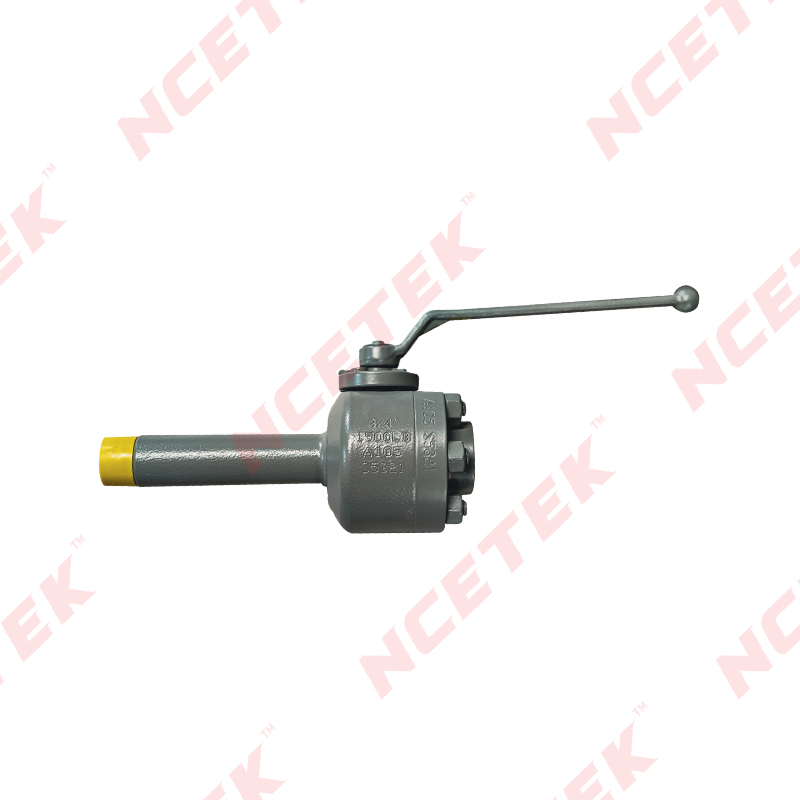
An Underground Ball Valve is built specifically for pipeline systems where the valve body sits below the surface. Unlike common valves placed somewhere accessible, underground versions really need to account for limited access, surrounding soil conditions, moisture exposure, and long‑term protection against all of it.
Buried installation shows up a lot in pipeline projects where space management and environmental protection genuinely matter. Placing valves underground cuts down on surface obstacles while letting pipeline networks stay organized within tight, restricted areas.
A handful of application environments tend to involve underground valve installation:
Underground environments really do bring different challenges compared with open installations. Moisture soaking through soil, pressure pressing against buried structures, limited inspection access — all of it shapes valve design in ways open installations never have to consider.
A valve sitting above ground can usually get checked directly during routine maintenance without much fuss. Underground equipment demands extra planning, since inspection and operation often involve dedicated access points or genuinely specialized procedures.
Structural protection becomes a genuinely important piece of underground valve design. Materials, sealing arrangements, external protection methods — all of it needs to account for long‑term contact with whatever surrounds it below ground.
The point of underground installation really isn't just to hide equipment out of sight. Proper design lets pipeline systems hold organized layouts while cutting down on exposure to outside interference.
A ball valve controls fluid movement through a rotating internal ball. That ball holds a passage that lets fluid move through once it aligns with the pipeline direction.
In the open position, the internal passage creates a continuous path connecting both sides of the pipeline. Fluid moves through with noticeably less obstruction since the flow route stays connected end to end.
Once the ball rotates into another position, the passage swings away from the pipeline direction. The solid section of the ball blocks the flow path entirely, stopping movement through the valve.
The basic operating process runs through a few steps:
This rotation‑based operation lets the valve switch between open and closed conditions through one simple movement. How the ball, sealing parts, and valve body relate to each other really determines how effectively the flow path gets controlled.
For underground applications specifically, the operating structure needs to hold stable movement even when direct access stays limited. Protection built around internal components helps cut down on moisture, dirt, and whatever else the surrounding environment throws at it.
Sealing performance deserves real consideration too. Since underground valves often stay installed for extended stretches of time, internal sealing parts genuinely need to maintain suitable contact conditions throughout operation.
The rotating structure also feeds into maintenance planning. A valve operating through controlled movement can get inspected by checking operation response, sealing condition, and connection areas without necessarily digging the whole thing up.
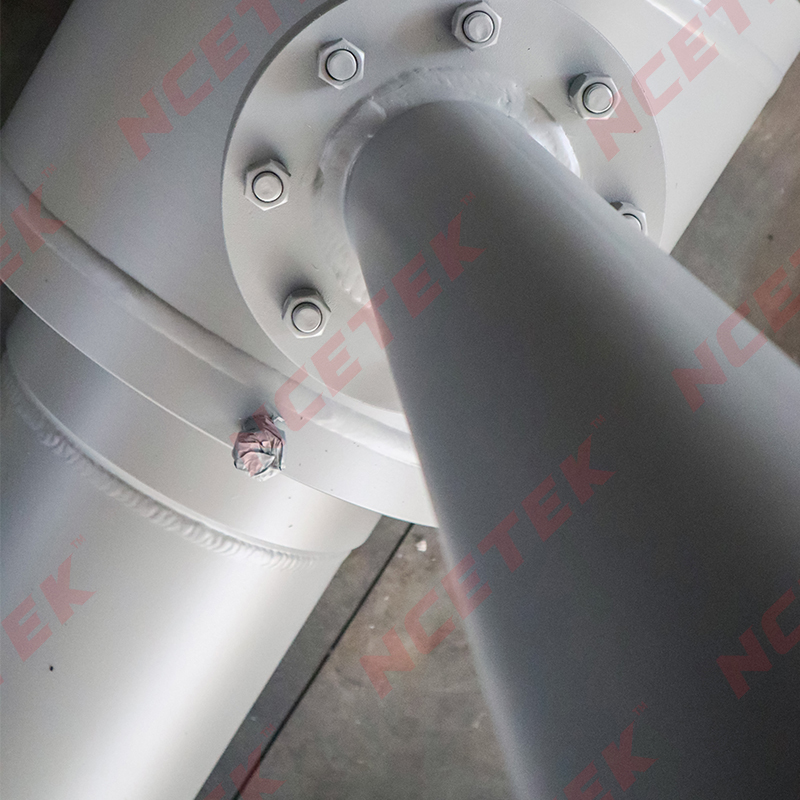
Both valve types really do rely on similar flow control principles, but their installation conditions create pretty different design requirements. Standard ball valves tend to sit somewhere with direct access available, while underground versions need extra protection built in for buried environments.
| Comparison Factor | Underground Ball Valve | Regular Ball Valve |
|---|---|---|
| Installation Location | Buried pipeline environment | Accessible surface area |
| Environmental Protection | Designed for soil and moisture conditions | Designed for open surroundings |
| Maintenance Access | Requires planned inspection points | Easier direct checking |
| Structural Consideration | Focuses on buried conditions | Focuses on general operation |
Underground installation really does demand stronger attention to external protection. Soil contact, water exposure, limited accessibility — all of it can shape how the valve structure ends up arranged.
Regular valves benefit from easier observation, since operators can directly inspect the outside structure whenever they need to. Underground valves demand different maintenance planning entirely, given how many parts stay hidden below the surface.
Connection design gets real attention in buried applications too. Stable connections help cut down on problems that pipeline movement or environmental shifts might otherwise cause.
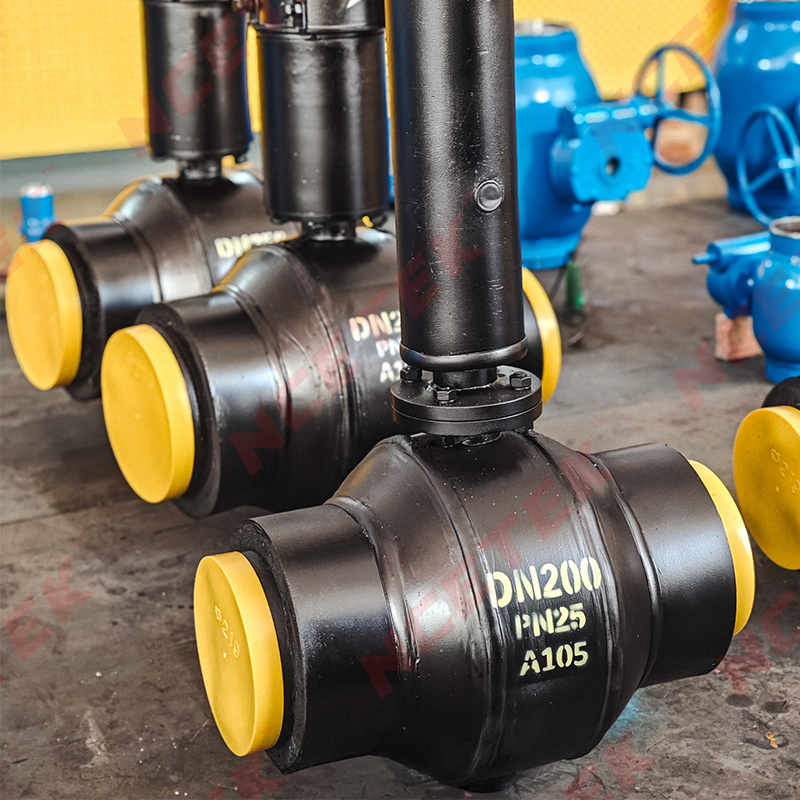
A Fully Welded Ball Valve Supplier often factors underground application requirements into valve structure development, simply because buried pipeline systems tend to demand real attention to protection and connection stability from the start.
The difference between these two valve types really goes beyond just installation location. The surrounding environment changes what's needed from materials, protection methods, and maintenance arrangements alike.
Underground environments really do create conditions that differ sharply from open working areas. Soil pressure, moisture, temperature swings, limited inspection access — all of it shapes how valves genuinely need to be designed for burial.
Moisture exposure ranks as a common concern here. Underground areas often hold water or humidity that can wear down external surfaces and connection areas over time, which is exactly why protective measures matter so much.
Limited access brings its own challenge too. Once a valve gets buried, direct observation gets a lot harder. Design considerations often lean toward easier operation methods and genuinely planned access arrangements.
A handful of factors shape underground valve design:
Soil pressure can weigh on buried equipment too. The surrounding ground creates continuous external contact, which means the valve structure genuinely needs to maintain suitable strength through both installation and ongoing operation.
Sealing systems deserve careful consideration here as well. A valve that handles open environments just fine might need extra protection once placed underground, simply because maintenance opportunities come around a lot less often.
Installation planning ends up tightly connected with valve design overall. Position selection, access arrangements, pipeline layout — all of it shapes how the valve performs once it's actually buried.
Underground valve systems really do come together around a combination of mechanical operation and environmental adaptation. The structure needs to support flow control while also handling whatever conditions underground placement throws at it over the long haul.
Structural design really shapes how a valve holds up under daily operating conditions. Underground installation demands attention to both internal operation and external protection at once, simply because so many components stay hidden below the surface once installation wraps up.
The valve body provides the main support structure here. A stable body design helps preserve the relationship between internal parts while absorbing pressure changes moving through the pipeline system.
Sealing components play into operating conditions too. Solid contact between sealing areas controls fluid movement effectively and cuts down on the chance of unwanted leakage during regular use.
A handful of structural areas really deserve consideration:
The operating mechanism links external control actions with internal movement. Since underground valves often aren't directly accessible, this operating structure needs to stay protected while still allowing controlled operation whenever it's needed.
Connection areas deserve careful attention during installation too. Pipeline movement, external pressure, installation conditions — any of these can shape connection stability over time.
External protection methods matter just as much, since buried equipment stays in continuous contact with whatever surrounds it. Suitable protection cuts down on the impact moisture and other environmental factors can have.
Structural design really doesn't hinge on one single component here. The valve body, sealing parts, operating system, connection areas — all of it works together to support stable pipeline management.
Valve performance really comes down to whether the structure actually matches the working environment. Problems tend to crop up when installation conditions, pipeline requirements, and valve design aren't properly coordinated with each other.
Leakage stands out as one genuine concern. Shifts in sealing conditions, connection issues, environmental influence — any of these can throw off how well the valve actually controls fluid movement.
Operation difficulty can show up too. Long stretches without inspection, unsuitable installation conditions, outside influences — all of it can affect how smoothly opening and closing movement actually works.
| Possible Issue | Possible Cause | Maintenance Consideration |
|---|---|---|
| Leakage | Sealing condition changes | Review sealing areas |
| Difficult Operation | External influence or limited movement | Check operating condition |
| Corrosion Influence | Moisture exposure | Inspect protective condition |
| Maintenance Difficulty | Limited access planning | Improve inspection arrangement |
Corrosion‑related problems tend to develop when external protection doesn't quite match the surrounding environment. Underground conditions vary a lot from site to site, which makes environmental evaluation a genuinely important part of pipeline planning.
Installation mistakes can echo forward into later operation too. Incorrect positioning, unsuitable connections, insufficient protection during installation — any of it can pile on extra maintenance requirements down the line.
Regular inspection really helps catch changes before they snowball into bigger concerns. Reviewing operating conditions, connection areas, and external protection all supports better equipment management overall.
Installation quality really shapes how the valve performs once it's placed underground. Preparation ahead of installation helps set up suitable conditions for whatever operation comes next.
Position selection matters as a genuinely important step here. A suitable location lets the valve connect properly with the pipeline while still leaving room for future inspection needs.
A handful of installation points deserve real attention:
Connection work feeds into operating stability too. Proper alignment between valve and pipeline cuts down on unnecessary force landing on connected parts.
Protection during installation shouldn't get overlooked either. External damage, contamination, incorrect handling — any of it can affect valve condition before operation even begins.
Maintenance planning looks pretty different once underground installation is done. Since direct access stays limited, inspection methods really need to account for available access points and actual operating conditions.
Routine management tends to include:
Maintenance doesn't always demand pulling the valve out of the pipeline system entirely. Careful observation paired with planned inspection methods goes a long way toward evaluating operating conditions without unnecessary disruption.
Long‑term management really comes down to cooperation between installation quality and maintenance habits working together. Proper planning during the early stages genuinely makes management easier down the road.
Pipeline systems keep evolving as cities, industries, and infrastructure layouts develop further. Underground installation has become a genuinely important approach wherever surface space demands careful management.
Valve design keeps circling back to practical requirements tied to installation, operation, and maintenance. Engineers pay real attention to how equipment functions after it's buried, not just how smoothly the initial installation goes.
A handful of areas shape current development trends:
Space management remains a genuinely important factor across underground projects. Placing pipeline equipment below the surface helps organize infrastructure while keeping surface areas open for other uses entirely.
Maintenance planning is getting more attention too. Since buried equipment stays out of sight, designs increasingly factor in how inspection and operation can get managed across the whole service period.
Manufacturing processes keep adapting to these shifting requirements. Production methods lean toward creating components that match installation environments while holding onto suitable structural consistency.
A Fully Welded Ball Valve Supplier often weighs pipeline conditions, connection requirements, and underground applications together when developing valve solutions. Different projects genuinely call for different approaches depending on operating environments and installation plans.
Industry development really does reflect a shift toward more organized pipeline management overall. Underground valve systems stay tied to broader goals around better space usage, smarter operation planning, and stronger maintenance efficiency.
Pipeline systems really do depend on cooperation between multiple components working together. Valves act as control points throughout, which makes their structure and installation conditions genuinely important pieces of overall system management.
An Underground Ball Valve combines flow control principles with the protection requirements that buried environments demand. The rotating ball structure manages fluid movement, while external design considerations help the valve adapt to whatever underground conditions it faces.
Successful operation really comes down to several connected factors:
Understanding how underground valves actually work helps engineers and maintenance teams make more suitable decisions throughout pipeline planning.
Underground installation really does bring different challenges compared with surface equipment. Moisture, limited access, surrounding soil conditions — all of it demands careful consideration from design all the way through maintenance.
As pipeline systems keep developing, valve structures will keep adapting right alongside practical needs. Balanced design, thoughtful installation prep, and routine management stay important parts of underground pipeline operation for the long haul.
 nce@cnnsv.com
 +86-15727968392 / +86-15397375798
 +86-577-67091815
 +86-577-67091815
 Dongou Industrial Zone, Oubei Street, Yongjia County, Wenzhou City, Zhejiang Province, China


Contact Us