
 русский
 简体中文
简体中文

A valve installed below ground faces conditions that differ from equipment placed in an open workshop or indoor plant area. Soil can hold moisture around a metal surface, while changes in the surrounding environment may expose exposed areas to water and other corrosive substances. Direct contact with surrounding material can gradually affect an unprotected valve body.
External coating creates a barrier between metal and the surrounding environment. Rather than allowing moisture to remain directly against the valve surface, a properly applied coating separates the two surfaces and reduces direct exposure.
Protection becomes especially relevant when access after installation is limited. A buried valve may remain below a road, yard, pipeline route, or other covered area, making direct inspection difficult once backfilling has been completed.
Several conditions need attention during preparation:
External coating does not replace sound valve construction. Internal sealing, body integrity, welding quality, and operating components serve different purposes. Corrosion protection deals mainly with the outside surface and its contact with the surrounding environment.
A coating system therefore needs to remain continuous across suitable areas of the valve body. Gaps, damaged sections, or poorly prepared surfaces can create points where the protective barrier becomes weaker.
Surface preparation forms an important part of coating work because paint or protective material needs a clean surface to remain attached during handling and service. Oil, loose rust, dust, moisture, and other residue can interfere with contact between the coating and metal.
Preparation normally begins with visual inspection. Workers check the valve body for visible rust, dirt, oil, welding residue, sharp edges, and other conditions that could affect later coating work.
Cleaning follows according to the selected coating process. Loose material needs to be removed, while oil or grease requires suitable cleaning methods. Any remaining contamination can become trapped beneath a coating layer.
Welded areas deserve additional attention. Welding can leave surface irregularities, residue, or small projections that need to be addressed before coating. A smooth and clean transition makes it easier for protective material to cover the area evenly.
Moisture also needs to be controlled. Applying coating onto a damp surface can create adhesion problems and may affect the condition of the coating during later handling.
| Surface Condition | Reason for Attention |
|---|---|
| Rust | May Affect Coating Attachment |
| Oil or Grease | Can Prevent Proper Contact |
| Dust | May Remain Under Coating |
| Welding Residue | Can Create Uneven Coverage |
| Moisture | Can Affect Coating Condition |
| Sharp Edges | May Receive Uneven Protection |
Once cleaning and preparation are complete, the surface should remain protected from new contamination before coating begins. Moving a prepared valve through a dirty working area can undo part of the preparation work.
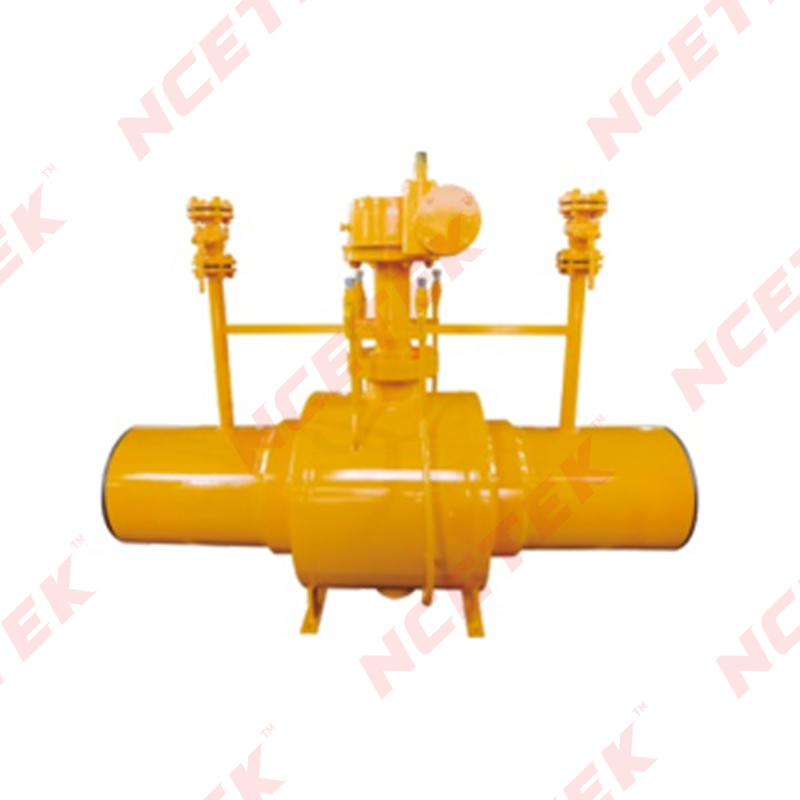
Coating application depends on the material selected and the intended underground environment. Different coating systems can use different application methods, while the general purpose remains similar: create a continuous protective layer across suitable external surfaces.
Application begins after surface preparation has been accepted. Workers need to control how coating reaches flat sections, curved surfaces, edges, recesses, and welded areas. A large open surface is usually easier to cover than a narrow corner or transition.
Spraying can provide broad coverage across a valve body, while other application methods may be used for specific areas or repair work. Method selection depends on the coating material, valve design, production conditions, and required finish.
Application should avoid excessive buildup in one location. Heavy accumulation can create an uneven surface and may affect drying or curing. Insufficient coverage can leave exposed metal, reducing the continuity of the protective barrier.
Special attention is useful around:
A coating system may contain more than one layer, with each layer serving a particular role within the overall protection process. Suitable drying or curing time between stages allows each layer to develop its intended condition before another layer is applied.
Environmental conditions inside the coating area also matter. Dust, moisture, airflow, and surface cleanliness can influence the final coating condition. For industrial production, coating work therefore requires control of both the valve surface and the surrounding workspace.
Valve geometry can make coating work more complicated than covering a simple flat metal plate. Curved body sections, narrow spaces, edges, welded areas, and transitions can all change how protective material spreads across a surface.
Edges deserve particular attention because coating may become thinner around sharp transitions. Welded sections can also have an uneven surface that requires careful preparation and application.
Recessed areas create another challenge. A coating method that covers an exposed outer surface easily may not reach a narrow depression with the same consistency. Workers need to inspect such locations rather than assuming that general application has covered every area.
Operating components require separate consideration. A valve contains moving parts that need to remain functional, so coating should not interfere with areas designed for movement or operation.
Protection can therefore be divided into two practical groups:
Clear masking and work preparation can help separate both areas during application. Careful handling also reduces the chance of coating material entering locations where it could interfere with operation.
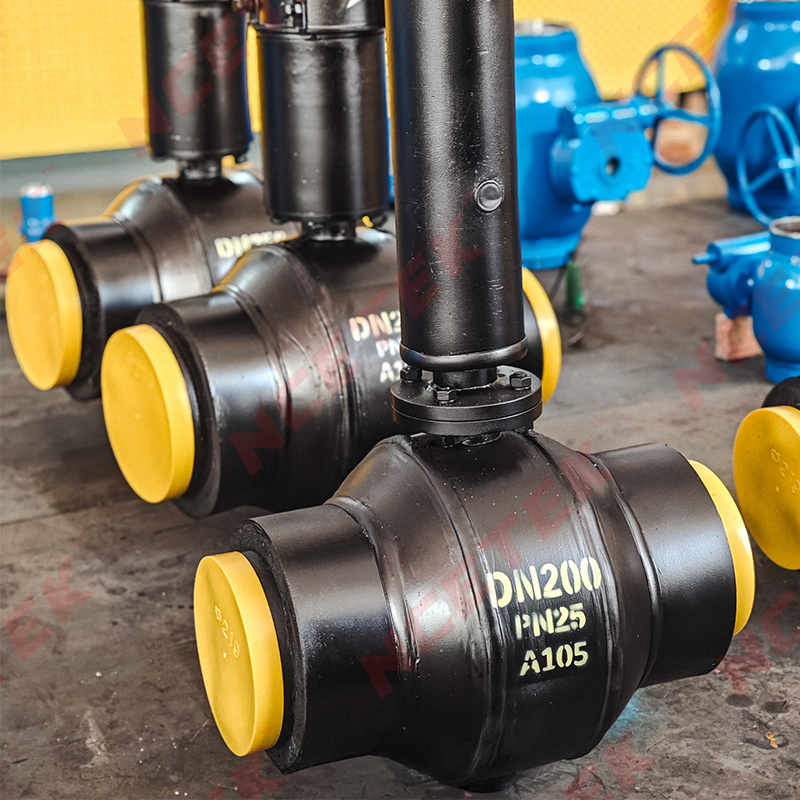
A Full Welded Ball Valve presents a different surface arrangement from a valve assembled through multiple body joints. Welding connects body sections into a continuous structure, while external coating provides protection over the outside metal surface.
Welded areas still require inspection before coating. Welding quality and corrosion protection address different concerns, so one should not be treated as a substitute for the other.
After welding, surface condition around the joint needs to be suitable for coating. Residue, rough areas, sharp projections, or contamination can interfere with coating continuity.
A useful production sequence is:
Welding → Surface Inspection → Cleaning → Surface Preparation → Coating → Coating Inspection
Following a clear sequence helps prevent coating work from covering an area that still requires structural inspection or cleaning.
External coating can protect a welded section from surrounding moisture and soil contact after burial. Proper preparation remains necessary because a coating layer cannot correct a structural defect beneath it.
During production, welded areas should therefore be reviewed before the valve enters the coating stage. Once coating has been applied, later inspection can focus on coverage, surface condition, and possible damage during handling.
A Buried Ball Valve needs protection that remains suitable for both manufacturing and installation conditions. Coating work connects the valve body with its future underground environment, while structural quality, welding condition, and operating performance remain separate parts of overall valve preparation.
After coating has been applied, inspection focuses on whether the protective layer covers the intended areas without visible gaps or obvious surface defects. Checking should not concentrate only on broad body sections, since edges, weld areas, recesses, and connection points can behave differently during application.
A visual inspection can reveal several common conditions:
A smooth appearance does not always mean that coverage is suitable across every section. Narrow spaces and lower surfaces can be harder to coat evenly, especially when the valve body has a complicated shape.
Inspection should also take place after handling. A valve may leave the coating area in good condition and later develop scratches during movement, lifting, storage, or transportation. Checking again before installation helps separate coating problems from handling damage.
Coating thickness can also be checked according to the selected coating system and applicable production requirements. Actual inspection methods depend on the material and working environment, so procedures should follow the coating supplier instructions and relevant project requirements.
Attention to coverage becomes particularly important for a Buried Ball Valve because much of the external surface will no longer be visible after installation. Any visible damage should be assessed before the valve is covered.
Handling creates a practical risk for coated valve bodies. Lifting equipment, contact with other components, rough surfaces, or careless movement can scratch or chip a protective layer.
A small damaged area should not simply be ignored because exposed metal can come into direct contact with moisture and surrounding soil after burial. Local repair is normally considered before installation.
Repair begins with inspection of the affected area. Loose coating needs to be removed, while dirt, moisture, and other contamination should be cleared away. Surface preparation should reach sound material around the damaged section so that repair coating can attach properly.
A simple repair sequence may involve:
Repair material should be compatible with the existing coating system. Applying an unrelated material may create adhesion or surface problems later.
Handling procedures also deserve attention. Suitable lifting points and protective contact surfaces can reduce unnecessary contact with coated areas. Dragging a valve across rough ground can create damage that is difficult to notice before installation.
For buried equipment, prevention is generally easier to manage than repair after backfilling. A careful inspection before installation gives workers an opportunity to correct visible problems while the valve remains accessible.
Coating protection continues to depend on installation practices after production has finished. A carefully prepared valve can still receive surface damage during transportation, lifting, positioning, or backfilling.
Before burial, workers can inspect the external surface and check areas that may have contacted lifting tools or temporary supports. Particular attention can be given to edges, welded sections, and lower surfaces.
Backfill material can also affect the coating. Sharp stones or hard debris may press against the valve during installation and create scratches. Placement should therefore be controlled according to the project installation method.
Avoiding unnecessary dragging is another practical concern. Moving a coated valve directly across a rough surface can damage areas that later become difficult to access.
| Inspection Area | Main Point |
|---|---|
| Valve Body | Check Surface Condition |
| Welded Areas | Look for Damage |
| Edges | Check Coating Continuity |
| Lower Surface | Inspect Contact Areas |
| Handling Points | Check Scratches |
| Repair Areas | Confirm Coating Condition |
Once backfilling begins, direct access becomes limited. For that reason, coating inspection should be treated as part of installation preparation rather than something left until after burial.
An underground valve has a different maintenance situation from equipment placed in an open area. Soil covers much of the external body, making direct visual inspection difficult during normal operation.
Attention often shifts toward accessible operating components and surface information available above ground. Valve position, operating condition, and surrounding ground conditions can provide useful clues when an issue appears.
External corrosion protection still matters even though it cannot be observed easily after burial. Quality preparation before installation becomes important because later repair may require excavation.
Ground movement, nearby construction, water accumulation, and other changes around an installation area may affect underground equipment. When unusual conditions appear, inspection procedures should follow the requirements of the relevant pipeline or facility.
For a Full Welded Ball Valve, external coating remains separate from internal operating performance. A valve may have sound welded construction while still requiring proper protection against its surrounding environment.
Coating works best when treated as part of the overall manufacturing and installation sequence rather than as a final decorative operation. Body preparation, welding, cleaning, coating, inspection, handling, and installation all have a connection with underground service.
A practical production flow can be arranged as:
Valve Fabrication → Welding Inspection → Surface Preparation → Coating → Surface Inspection → Handling → Installation
Each stage has a different purpose. Welding creates the required body structure, surface preparation creates a suitable base for coating, and coating separates external metal from the surrounding environment.
During manufacturing, coating personnel need clear information about valve structure and the areas that require protection. Production workers also need to know which sections must remain free from coating so that operation is not affected.
For a Buried Ball Valve, external protection should match actual underground conditions. Soil type, moisture exposure, handling procedures, and installation methods can all influence coating requirements.
A well‑organized process also makes later inspection easier. Records of surface preparation, coating work, repairs, and final checks can provide useful production information when questions arise during installation or service.
Protection below ground depends on more than the coating material itself. Clean surfaces, careful application, proper coverage, controlled handling, and suitable burial practices all contribute to keeping the external barrier intact. A Full Welded Ball Valve follows the same general principle: structural condition and corrosion protection need to be managed as separate yet connected parts of valve production.
 nce@cnnsv.com
 +86-15727968392 / +86-15397375798
 +86-577-67091815
 +86-577-67091815
 Dongou Industrial Zone, Oubei Street, Yongjia County, Wenzhou City, Zhejiang Province, China


Contact Us