
 русский
 简体中文
简体中文

Valve Custom Factory specializes in custom-engineered valves for high-pressure applications, building rugged, reliable components that deliver steady, consistent operation and stand the test of time. High-pressure systems always rely on intricate piping configurations and rock-solid operational standards. One single valve failure can tank system efficiency or bring costly unplanned downtime — that's why getting a full handle on both functional requirements and technical specifications for metal-seated ball valves is so critical. Every part has to be precision-engineered to work in perfect tandem under high pressure, there's zero tolerance for leakage or deformation.
| Component | Core Function | Key Selection Considerations |
|---|---|---|
| Ball | Controls fluid flow | Must resist deformation and rotate smoothly even when pressure loads shift constantly |
| Valve Seat | Delivers tight, reliable sealing | Metal construction ensures durability and consistent sealing through repeated operation cycles |
| Valve Body | Supports all internal components | Must stand up to internal and external stresses, thermal expansion, and operational vibrations |
| Sealing Elements | Prevents leakage | Must complement the metal seat design to maintain long-term sealing reliability |
| Actuator | Drives valve operation | Torque output and motion control must match the system’s pressure and operational requirements exactly |
Precise alignment, tight manufacturing tolerances, and high-quality surface finishing are all non-negotiable for sustaining performance and sealing integrity. Even in fluctuating or pulsating high-pressure environments, valves need to endure countless opening and closing cycles without excessive wear. Paying meticulous attention to design details and material selection minimizes all risks tied to high-pressure operation.
Picking the right materials makes or breaks a valve's service life and overall performance. Metals for valve bodies and balls have to stand up to ongoing mechanical stress, thermal expansion, and corrosion, no exceptions. Hardened metal valve seats deliver steady, reliable sealing even when system pressures swing up and down. Proper surface treatment on all metal components cuts down on wear and tear, while also ramping up resistance to aggressive process fluids. Proper surface treatment of all metal components also minimizes wear and tear, while strengthening resistance to aggressive process fluids.
The structure of a metal-seated ball valve is what directly dictates its pressure-handling capability and resistance to operational stress. Single-seat valves enable streamlined, no-fuss operation, while double-seat or balanced-seat designs spread pressure more evenly—slashing the required actuation torque and ramping up control precision. Valve body configurations (one-piece, three-piece, welded) directly affect how easy it is to install, how accessible maintenance work is, and overall structural ruggedness. Optimized structural design cuts down on stress concentrations, reduces the risk of material fatigue, and keeps the valve operating smoothly and consistently throughout its service life.
Getting a valve with the correct pressure rating is non-negotiable for safe operation in real-world working conditions. Sizing demands a careful balance: enough flow capacity to cover system needs, while shielding the valve body and connected piping from excessive stress. Flow coefficients have to line up perfectly with system requirements to keep fluid moving efficiently and cut out operational waste. Thoughtful valve diameter selection, plus optimized internal flow dynamics, also helps reduce turbulence, keep pressure loss as low as possible and stop internal components from wearing out early.
Valve actuation directly affects system safety, control precision and reliability. For manual valves, applied torque and ease of use are the main things to focus on. Pneumatic actuators provide controlled motion with little manual input, letting them integrate smoothly into automated systems. Electric actuators enable precise, remote operation — perfect for high-pressure setups where safety and automation matter most. Picking the right actuation method means looking closely at how often it'll be used, torque needs and safety limits.
High-pressure valves should be designed for easy maintenance without sacrificing sealing or structural integrity. Maintenance-friendly designs let you inspect, clean, or replace components with minimal system downtime. Durability depends on premium materials, advanced surface treatments, and robust structural design—ensuring performance stays consistent through repeated operational cycles. Precision sealing geometry and assembly accuracy prevent leakage while reducing wear on valve seats and ball surfaces.
Valve Custom Factory prioritizes high-pressure valve designs that balance uncompromising reliability and maintenance efficiency. These designs account for thermal expansion, pressure pulsations, and operational stresses from the very start. By combining optimal material selection, structural design, actuation methods, and connection types, engineers can strike the perfect balance between operational efficiency, durability, and safety.
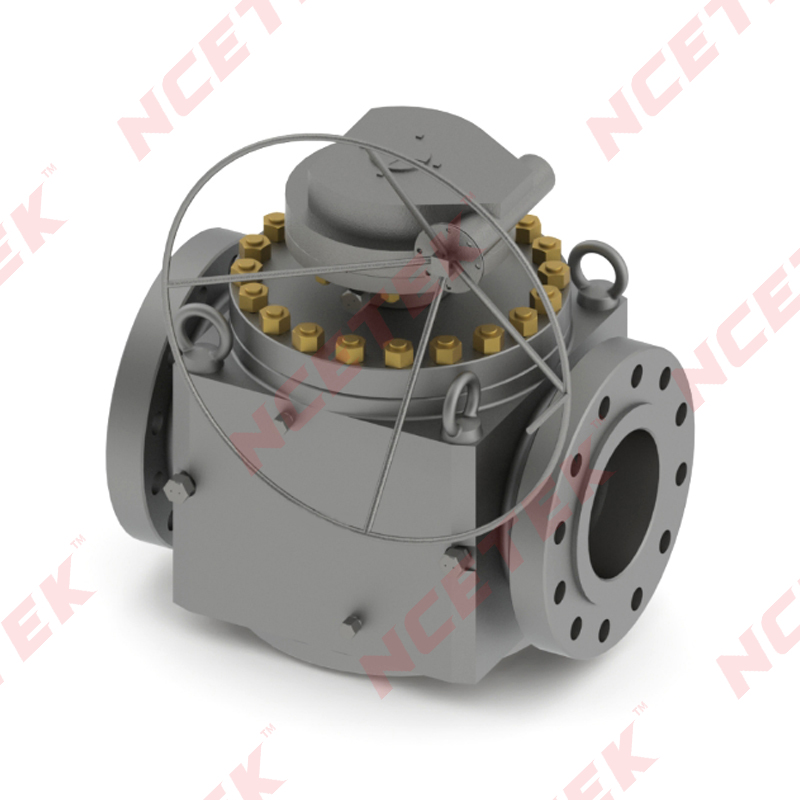
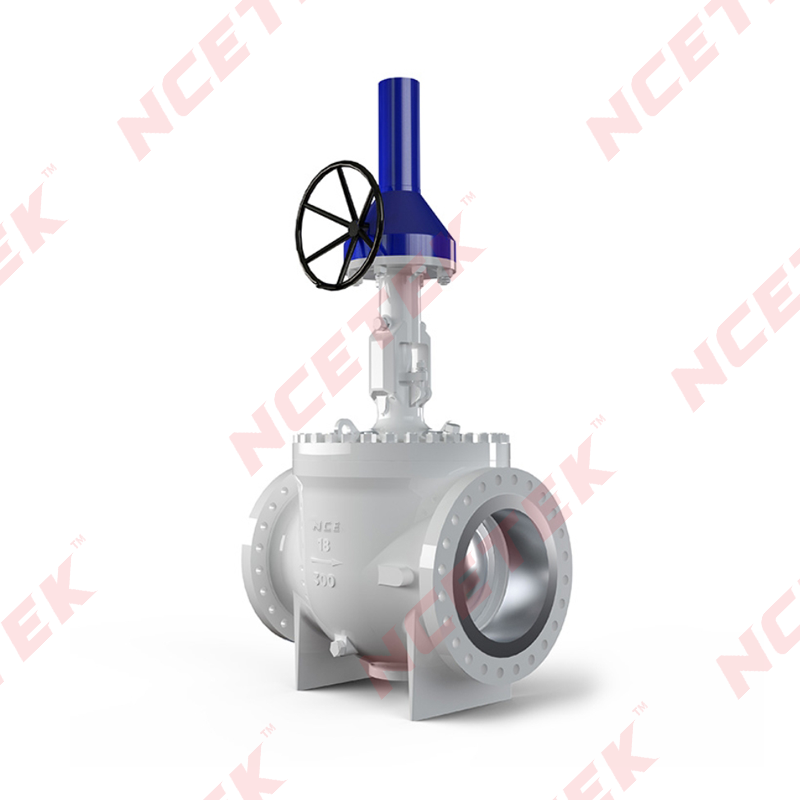
Flanged valves are widely used for their easy installation and removal. Proper flange alignment and secure bolting are critical to maintaining sealing performance, and gasket selection plays a pivotal role in preventing leakage and preserving system integrity. Flanged connections also simplify inspection, maintenance, and valve replacement in large-scale pipeline networks.
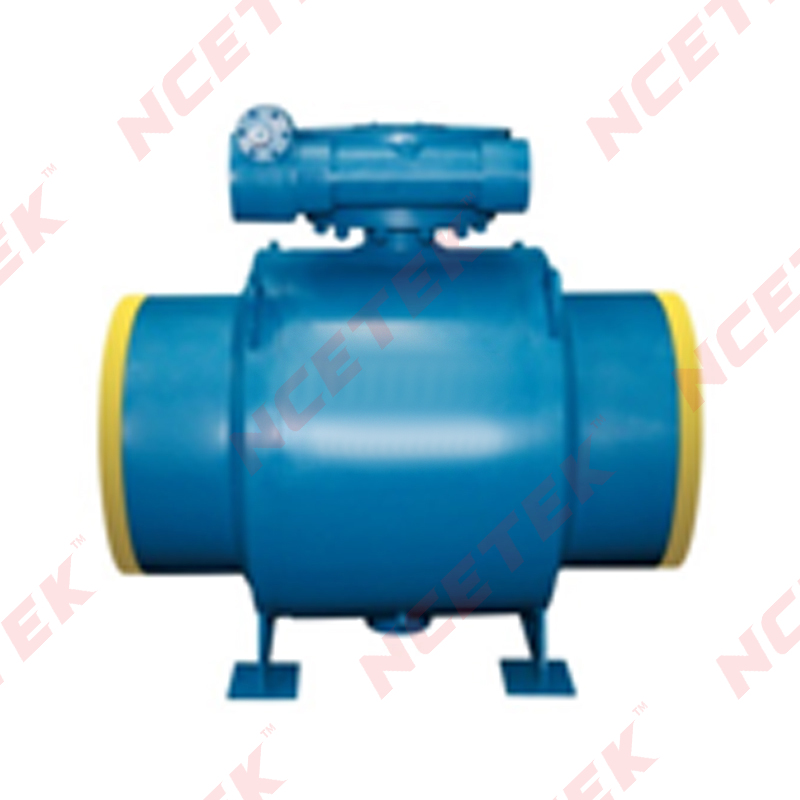
Welded valves create robust, leak-tight joints ideal for continuous high-pressure operation. They eliminate potential leak paths and boost overall structural integrity, though thermal expansion and stress distribution must be carefully accounted for to ensure long-term reliability. This connection type is particularly well-suited for systems that require uninterrupted flow and minimal leakage risk.
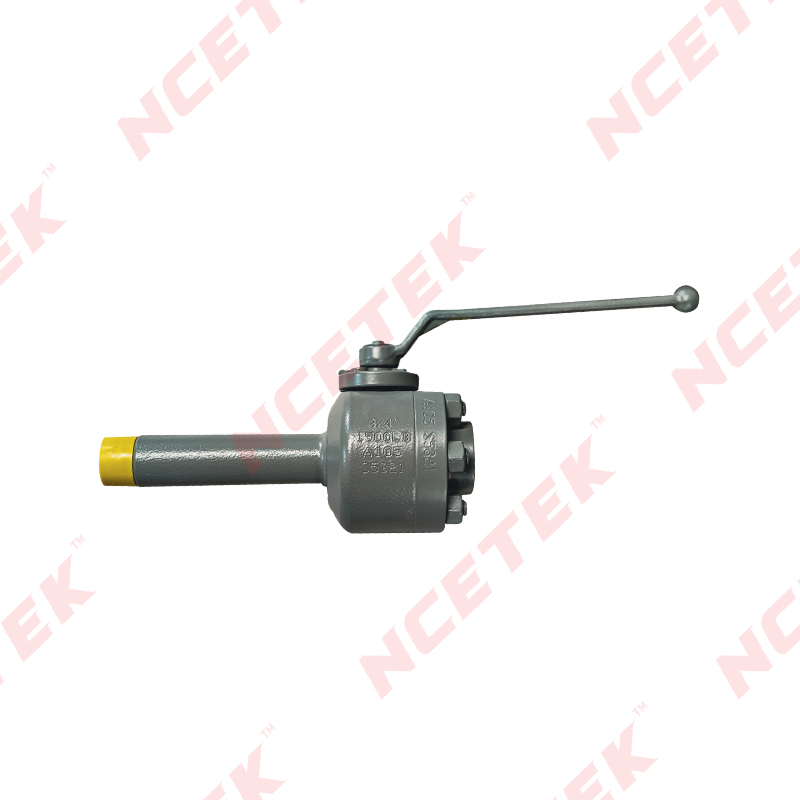
Threaded valves work well for moderate-pressure, small-diameter pipelines. Proper thread engagement and compatible sealing materials are essential for consistent performance. While easy to assemble, threaded connections need precise torque application and regular inspection in high-pressure settings to maintain structural integrity.
Socket weld and butt weld connections differ in alignment requirements and pressure-bearing capacity. Socket welds excel in small-diameter pipelines, while butt welds easily handle larger pipes and higher pressure ratings. Sound welding practices secure joint strength, minimize leakage risks, and ensure the valve maintains consistent performance throughout its service life.
Quick-disconnect valves let you take things apart and put them back together fast — a game-changer for routine maintenance and system tweaks alike. In high-pressure setups, secure locking mechanisms and thorough connection strength testing are non-negotiable. Precision engineering means these valves hold steady on sealing and performance, with safety never sacrificed for convenience.
Picking a metal-seated ball valve for high-pressure service means looking at all critical factors as a whole system, not one by one in silos. Pressure rating, fluid properties, materials, structural design, actuation method, and connection type all have to work in perfect sync. Only then can you lock in consistent performance, cut down operational risks, and keep the entire system running stable.
Fluid properties (temperature, viscosity, chemical composition) directly influence material and sealing choices. Structural design decisions (seat type, body configuration) impact operational torque, durability, and maintenance needs. Actuation methods must align with system operating conditions and safety protocols. Maintenance accessibility and inspection ease should be built into the selection process from the start—valves that can be serviced without dismantling major pipeline sections cut down on downtime and boost overall operational efficiency. Long-term sealing reliability only comes from careful material selection, advanced surface treatment, and precision assembly. By weighing all these factors holistically, engineers can select metal seat ball valves that maintain peak performance, resist wear, and preserve airtight sealing.
 nce@cnnsv.com
 +86-15727968392 / +86-15397375798
 +86-577-67091815
 +86-577-67091815
 Dongou Industrial Zone, Oubei Street, Yongjia County, Wenzhou City, Zhejiang Province, China


Contact Us