
 русский
 简体中文
简体中文

Leakage often creates an immediate concern because fluid appears outside the expected flow path or passes through a closed valve. Even so, visible leakage does not always mean major internal damage. Opening the entire valve before understanding the actual condition may increase maintenance time and interrupt normal operation without providing additional value.
A systematic inspection usually provides useful information before any major maintenance begins. Careful observation can narrow the possible causes and help determine whether the problem is related to external sealing, operating conditions, or internal sealing surfaces.
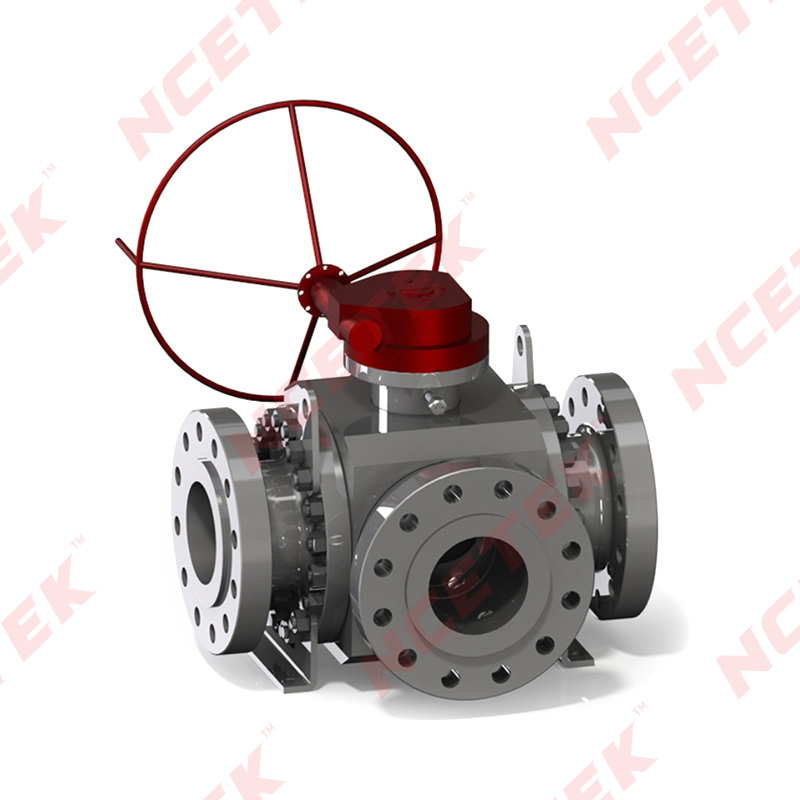
A Top Entry Trunnion Ball Valve is designed so that several maintenance activities can be planned after a structured inspection rather than relying only on complete disassembly. Looking for visible signs, checking operating behavior, and reviewing recent changes in working conditions often produce a clearer picture of the valve's condition.
Early diagnosis generally focuses on several questions.
Each answer helps reduce unnecessary assumptions. Maintenance decisions become easier when observations are collected before repair work begins.
Another advantage of early inspection is protecting surrounding equipment. Leakage may spread along the valve body or nearby piping, making the original source difficult to identify after some time. Looking at the area while evidence remains clear often improves the accuracy of the diagnosis.
Leakage location often provides the earliest clue during inspection. Different locations may point toward different conditions, making careful observation more useful than immediately removing components.
Some leakage remains outside the valve body where moisture, residue, or staining becomes visible. Other situations involve internal sealing, where fluid continues passing through the closed valve without obvious external signs.
During routine inspection, attention is often given to areas such as:
Not every wet surface indicates valve failure. Moisture may come from nearby equipment or previous maintenance activities. For that reason, cleaning the surrounding area before inspection often helps identify the actual leakage path.
Leakage patterns also deserve attention. A small amount appearing only after operation may suggest different conditions from leakage that remains visible throughout the operating cycle.
Observing the direction of fluid movement can also help. Gravity, airflow, and nearby equipment sometimes carry liquid away from its original source, making careful tracing more reliable than judging only by the final wet area.
Diagnosis becomes more dependable when every visible sign is considered together instead of relying on one isolated observation.
Opening a valve without preliminary inspection may remove useful evidence. Surface conditions often provide information that disappears once maintenance begins.
Visual inspection usually starts with the outer body. Looking for unusual marks, dried residue, surface discoloration, or accumulated deposits may reveal areas requiring closer attention.
Operating condition should also be checked. Movement that feels different from normal operation may indicate internal changes affecting sealing performance.
A practical inspection often includes:
Maintenance records may also contribute useful information. Previous adjustments, replacement of sealing parts, or changes in operating conditions sometimes explain why leakage appears in a particular location.
Environmental conditions deserve consideration as well. Dust, moisture, vibration, or repeated temperature changes may gradually influence external sealing performance without immediately affecting internal components.
Collecting observations before opening the valve creates a more complete maintenance picture and helps reduce unnecessary repair work.
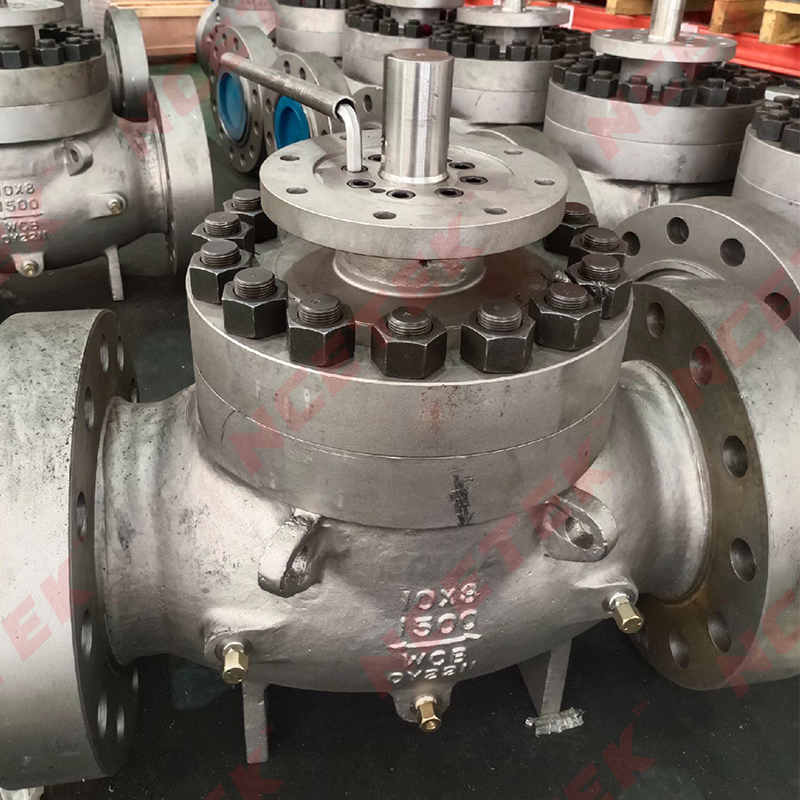
Valve movement often changes before visible damage becomes obvious. Paying attention to operating behavior may reveal conditions that are difficult to identify through visual inspection alone.
Opening and closing movement should remain reasonably consistent. A noticeable increase in operating resistance may suggest that internal components are no longer moving as expected. Uneven movement can also indicate that sealing surfaces or supporting parts require closer examination.
Useful observations include:
A relationship sometimes exists between operation and leakage timing. Fluid appearing immediately after valve movement may suggest a different condition from leakage remaining unchanged while the valve stays in one position.
Sound may also provide useful information. Unusual operating noise does not identify the exact cause by itself, though it may indicate that additional inspection is appropriate when combined with other observations.
Looking at several operating characteristics together generally produces a clearer diagnosis than focusing on a single symptom.
External inspection often provides enough information to guide the next maintenance step. Combining several simple observations creates a stronger basis for decision‑making than relying on assumptions.
Inspection can follow a structured sequence so that each observation supports the next one.
| Inspection Method | Observation Focus | Possible Indication |
|---|---|---|
| Surface observation | Moisture, residue, staining | External sealing condition |
| Operating check | Movement consistency | Internal resistance changes |
| Connection review | Joint condition | Connection‑related leakage |
| Surrounding inspection | Nearby equipment and piping | External influences on leakage |
Rather than performing every inspection randomly, a logical sequence often improves efficiency.
A practical routine may follow a pattern like this:
Careful observation frequently narrows the range of possible causes before any major maintenance begins. Evidence collected during external inspection forms a useful foundation for deciding whether adjustment, seal replacement, or deeper inspection should become the next step.
Leakage does not always appear in the same way. Sometimes only a slight trace of fluid becomes visible after operation. In other situations, leakage remains present even when the valve has not moved for some time. Looking at the pattern often provides more useful information than judging only by the amount of fluid.
A steady leak usually deserves a different inspection approach from one that appears only during opening or closing. Timing often helps narrow the possible source before any component is removed.
Several leakage patterns are commonly observed:
Changes over time also deserve attention. A condition that remains unchanged during several inspections may require a different maintenance plan from one that develops rapidly over a short period.
Location and timing should always be reviewed together. Looking at only one of them may create an incomplete picture of the valve condition.
Another useful practice is documenting every observation in the order it appears. A simple inspection record often makes later comparison easier and helps identify gradual changes that might otherwise be overlooked.
Not every leakage condition requires complete disassembly. Many maintenance decisions become clearer after external inspection and operating checks have been completed.
Minor external leakage may be associated with accessible sealing locations or connection areas rather than internal sealing surfaces. Confirming the actual source before removing major components often reduces unnecessary work.
Maintenance planning generally becomes more effective when inspection follows a gradual process.
A typical sequence may include:
Working through each step helps avoid replacing parts that are still in acceptable condition.
Another consideration is operating history. Leakage appearing after a recent adjustment may deserve a different inspection approach from leakage developing after a long period of stable operation.
Careful evaluation supports maintenance decisions based on observed evidence rather than assumptions. In many situations, inspection results provide enough information to determine the next maintenance step without immediately opening the complete valve.
Technical support becomes more effective when inspection information has already been collected. Clear records reduce unnecessary communication and allow maintenance discussions to focus on the actual operating condition.
Useful information may include:
Photographs taken from several directions may also help show leakage patterns before maintenance begins. Images are often more useful after surrounding surfaces have been cleaned so that the actual leakage path is easier to identify.
Inspection notes do not need to be complicated. A simple record describing operating conditions, leakage location, and inspection sequence often provides enough background for later discussion.
Preparing information before requesting assistance also reduces repeated inspections because earlier observations remain available for comparison.
A Top Entry Ball Valve Factory can assist by providing product information that supports systematic inspection rather than encouraging immediate disassembly.
Structural drawings, maintenance guidance, and component information may help maintenance personnel understand which areas deserve attention during the early stages of diagnosis.
Support may include:
Communication becomes more productive when inspection results accompany the request. Information collected during earlier checks often helps narrow possible causes before repair planning begins.
Different operating environments may create different maintenance priorities. Sharing practical details about operating conditions allows discussions to remain focused on the actual application instead of general assumptions.
A Top Entry Ball Valve Factory can also provide reference information for replacement planning when maintenance eventually becomes necessary, helping ensure that inspection, repair, and future servicing follow a consistent process.
Leakage should be treated as information rather than an immediate conclusion. Every visible sign contributes another piece to the overall condition of the valve, and careful observation often reduces unnecessary maintenance.
A Top Entry Trunnion Ball Valve benefits from an inspection process that begins with external evidence before progressing toward more detailed examination. Surface conditions, operating behavior, leakage timing, and maintenance history together provide a clearer understanding than any single observation alone.
A practical diagnosis usually follows a logical order:
Such an approach helps separate temporary conditions from issues requiring deeper maintenance. It also supports more efficient planning because inspection results guide the next action instead of unnecessary disassembly.
Maintenance becomes more organized when every decision is supported by observation. A structured inspection process protects valuable evidence, shortens repeated troubleshooting, and helps determine whether adjustment, partial repair, or additional internal inspection is the appropriate next step.
 nce@cnnsv.com
 +86-15727968392 / +86-15397375798
 +86-577-67091815
 +86-577-67091815
 Dongou Industrial Zone, Oubei Street, Yongjia County, Wenzhou City, Zhejiang Province, China


Contact Us