
 русский
 简体中文
简体中文

Pipeline systems depend on valves to keep fluid movement under control. A valve may seem like a simple part, yet sealing quality affects process stability, equipment protection, and maintenance work across the whole system.
Even a small leak can create extra trouble. A little seepage may change pressure balance, waste material, or leave residue around connected equipment. In places where fluid needs to stay fully contained, shutoff performance becomes part of normal operating care rather than a small detail.
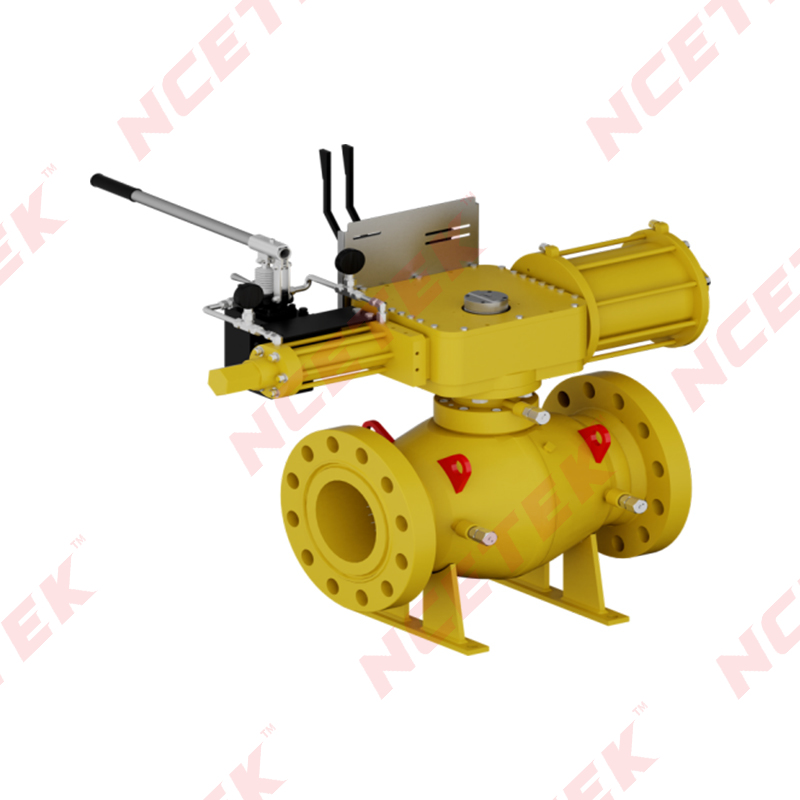
An API Floating Ball Valve uses a floating ball structure that helps the sealing surfaces come together tightly when the valve closes. The ball is not fixed in one rigid position. It can move slightly inside the body, and that movement lets pressure assist the sealing action.
Bubble tight shutoff depends on more than one part. Ball surface condition, seat design, pressure direction, installation quality, and working environment all influence the final result. A valve can only perform well when those parts stay in balance.
A floating ball design works through movement inside the valve body. When fluid needs to pass, the ball turns and opens a path through the middle. Once closing starts, the opening inside the ball no longer lines up with the pipeline and flow is blocked.
After the handle turns to the closed position, pressure inside the line pushes the ball toward the seat on the downstream side. That small shift creates stronger contact between the ball surface and the sealing seat. Better contact usually means less chance of leakage.
A simple shutoff sequence looks like this:
Sealing relies on the condition of both contact surfaces. A smooth ball surface helps the seat make even contact. A worn seat or a scratched ball surface may leave small gaps that affect shutoff quality.
Pressure also helps the process. Rather than working against the seal, pressure becomes part of the sealing force. That is one reason floating ball valves are used in many systems where a tight closed position matters.
Every internal part has a role in shutoff behavior. When one part changes, sealing quality may change too.
Ball surface condition is one of the key points. A clean and even surface allows closer contact with the seat. Dirt, scratches, or wear marks can affect how tightly the valve closes.
Seat design matters just as much. The seat forms the contact zone around the ball, so material choice, shape, and surface condition all influence sealing results. A seat that matches the working condition usually supports more stable operation.
Stem sealing also needs attention. While the main shutoff area sits between the ball and seat, the stem area controls leakage around the operating shaft. A valve may close well and still need stem sealing in good condition to stay fully reliable.
The body holds all parts in place. Stable body alignment helps the ball and seat meet correctly during closing. If the internal position shifts, even slightly, shutoff quality may be affected.
| Valve Part | Main Function | Practical Effect |
|---|---|---|
| Ball | Opens and closes the flow path | Surface condition affects contact |
| Seat | Creates the sealing zone | Contact quality affects leakage control |
| Stem | Transfers turning movement | Sealing condition affects external leakage |
| Body | Supports internal alignment | Stability affects valve position |
| Connection area | Joins valve and pipeline | Installation quality affects operation |
A problem in one section may show up elsewhere. A valve that seems fine on the outside can still leak because of a worn seat, a damaged ball surface, or poor alignment during installation.
The seat is one of the main parts responsible for close sealing. When the valve closes, the ball presses against the seat, and the quality of that contact decides how well fluid stays inside the system.
Seat design needs to balance movement and sealing. A seat that is too loose may not give enough contact. A seat that is too tight may make operation harder than expected. Matching the seat structure with the working condition helps keep the valve usable over time.
Working conditions can change the seat’s behavior. Frequent switching creates repeated contact. Temperature changes can alter the way surfaces respond. Different fluids may also affect wear patterns in different ways.
A few common points influence seat performance:
Particles in the pipeline can also affect sealing. Small debris may sit between the ball and seat, leaving tiny gaps or causing wear during repeated movement. Keeping the system clean before and after installation helps protect the sealing area.
The seat does more than block flow. It supports the whole shutoff process and helps the floating ball create the tight contact needed for bubble tight sealing.
Pressure is part of the sealing process in a floating ball valve. When the valve closes, line pressure pushes the ball toward the seat. That movement helps create stronger contact and supports tighter shutoff.
Pressure direction matters as well. Different flow arrangements can change how the force acts inside the valve body. A valve that works well in one system may need another check before being used in a different line.
Application conditions should be reviewed before selection.
Pressure does not work alone. It interacts with seat design, ball surface condition, and overall valve structure. When those parts fit the working condition, shutoff performance usually stays more stable during normal use.
A floating ball structure uses system pressure as part of the sealing action, while proper design and careful installation keep that action working in a predictable way.
A valve installation is not only about connecting the valve to a pipeline. The surrounding conditions can affect how the internal parts work after the system starts running. A small issue during installation may later appear as leakage, difficult operation, or unstable sealing.
Pipeline cleaning is one of the steps that should not be ignored. Dust, welding residue, or other particles inside the pipeline may enter the valve during operation. When unwanted material reaches the sealing area, it can scratch the ball surface or affect the contact between the ball and seat.
Connection alignment also has an effect on valve operation. When a valve is forced into an unsuitable position, stress may transfer to the body and internal parts. Proper alignment allows the floating ball to move naturally when pressure changes inside the system.
Before installation, workers usually check:
Temperature conditions should also be considered. A valve installed near heat sources or in changing environments may face different challenges compared with one used under stable conditions. Sealing materials and valve components need to suit the actual working situation.
Correct installation helps the API Floating Ball Valve maintain its intended function. Many operating problems appear after installation because of connection stress, contamination, or unsuitable working conditions rather than problems with the basic valve design.
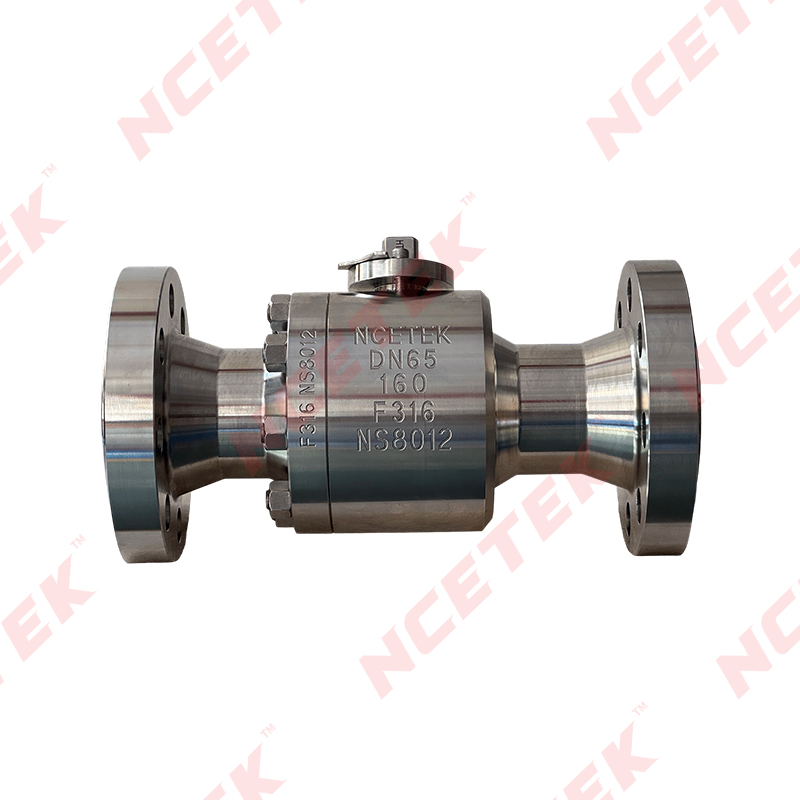
A valve may appear normal during daily operation, although internal parts continue experiencing movement and contact. Over time, small changes can develop around the sealing area, operating parts, and connection sections.
Regular inspection helps identify those changes. For example, a valve that requires more force during operation may have several possible causes, including internal contamination, changes in working conditions, or wear on moving parts.
The sealing area deserves special attention because it directly affects shutoff performance. Checking for unusual leakage, irregular movement, or changes during opening and closing can provide useful information about the valve condition.
Routine maintenance often includes:
Internal cleanliness is also important. Particles inside a pipeline may create friction between the ball and seat, especially during repeated operation. Keeping the system clean helps reduce unnecessary damage to sealing surfaces.
Maintenance records can also support future inspections. Information about operating changes, cleaning activities, or previous adjustments helps maintenance workers understand the valve condition more clearly.
The purpose of maintenance is not to change how a valve is designed. It is to keep the existing structure working properly under normal operating conditions.
Different industries use valves under different conditions. A pipeline carrying one type of fluid may have different requirements from another system handling a different material or operating environment.
A Floating Ball Valve Manufacturer needs to consider these differences during production. Material selection, component processing, assembly accuracy, and inspection procedures all influence how a valve performs after installation.
Manufacturers usually need information about the application before preparing a suitable valve. Details such as operating conditions, connection requirements, fluid characteristics, and maintenance expectations help determine whether the valve structure matches the actual use.
For example, some systems require frequent opening and closing, while others keep the valve in one position for long periods. Different working patterns may create different requirements for internal parts and sealing areas.
| Production Area | Related Consideration |
|---|---|
| Material choice | Matches working environment |
| Component processing | Supports accurate part fitting |
| Assembly process | Affects internal positioning |
| Inspection work | Checks operating condition |
| Application information | Helps match valve selection |
A Floating Ball Valve Manufacturer also needs to understand how valves are used after delivery. Production quality and application knowledge work together because a valve must fit the actual system, not only meet basic manufacturing requirements.
Fluid control systems continue to become more varied. Different industries may deal with different pipeline layouts, operating habits, and maintenance conditions. Valve structures need to respond to those practical changes.
For floating ball valves, attention often focuses on sealing condition, operating movement, and maintenance convenience. A valve used in a frequently operated system may face different challenges from one that remains closed for long periods.
Easier inspection has also become an important consideration. When operators can check valve conditions more conveniently, potential issues are easier to notice during routine work.
Several factors influence how valve applications develop:
Valve performance depends on the connection between design and actual use. A valve does not work separately from the system around it. Pipeline conditions, installation methods, and operating habits all influence the final result.
An API Floating Ball Valve achieves bubble tight shutoff through several connected factors. The floating movement of the ball, contact with the sealing seat, internal pressure, correct installation, and regular maintenance all affect how the valve performs during operation.
When the valve structure fits the working environment and receives proper care, it can support stable fluid control and maintain reliable shutoff conditions during everyday industrial use.
 nce@cnnsv.com
 +86-15727968392 / +86-15397375798
 +86-577-67091815
 +86-577-67091815
 Dongou Industrial Zone, Oubei Street, Yongjia County, Wenzhou City, Zhejiang Province, China


Contact Us