
 русский
 简体中文
简体中文

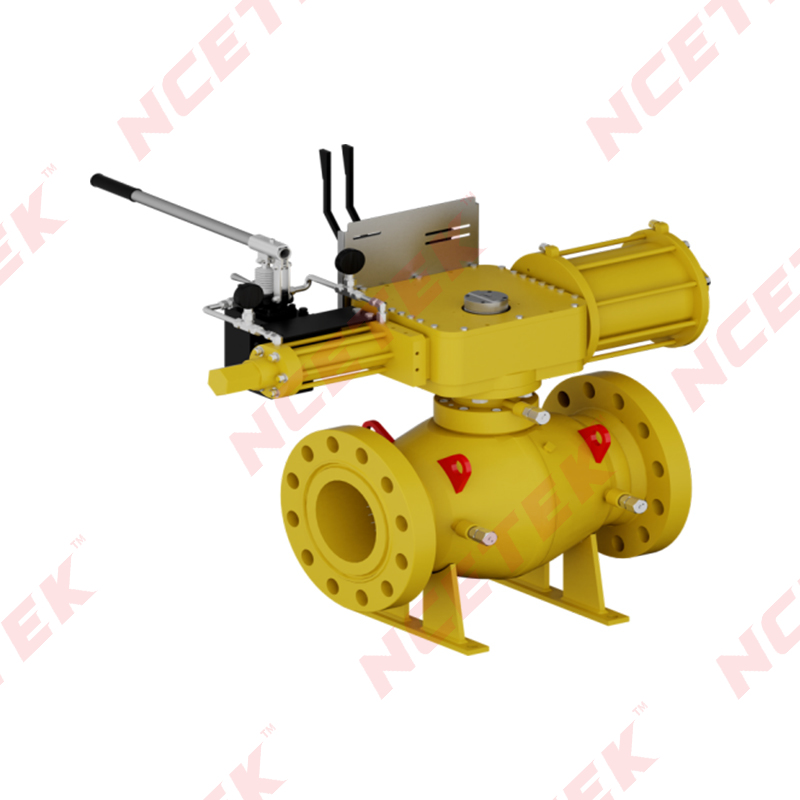
A Full Welded Ball Valve has no bolted joints on the body. The sections of the valve get welded together, creating a single continuous structure. The design eliminates potential leak paths that exist in bolted designs. External leakage concerns reduce because there are no gaskets or flanges to maintain.
The ball inside the valve controls the flow. A bore runs through the ball. When the bore aligns with the pipeline, flow passes through. When the ball rotates to close the bore, flow stops. The isolation function depends on the seal between the ball and the seats.
The valve serves in both buried and aboveground installations. In buried service, the welded body prevents soil moisture from entering the valve. The absence of flanges also reduces the risk of stress from ground movement.
The bore size determines how much flow can pass through the valve. A full bore design has an opening that matches the pipeline diameter. The flow path remains unobstructed, and the valve does not create additional pressure drop. Reduced bore designs have a smaller opening that restricts flow.
The choice affects the pipeline's capacity. A valve with a full bore allows the same throughput as a straight pipe of the same diameter. A reduced bore limits the flow, potentially reducing the capacity of the entire pipeline segment.
The bore size also affects pigging ability. Pipelines that require internal cleaning or inspection use pigs, cylindrical tools that travel through the line. A pig requires a full bore opening to pass through without getting stuck.
| Characteristic | Full Bore Valve | Reduced Bore Valve |
|---|---|---|
| Flow capacity | Matches pipeline diameter | Smaller than pipeline |
| Pressure drop | Minimal | Noticeable |
| Pigging capability | Suitable | May restrict pig passage |
| Valve size | Larger for given pipeline | More compact |
| Cost | Higher | Lower |
Full Welded Ball Valves come in a range of bore sizes that correspond to pipeline diameters. The available sizes have been well established over years of production. The range covers the majority of pipeline applications.
The bore size range available from manufacturers depends on several factors. Production tooling sets limits on how large a valve can be manufactured. The cost and availability of forging or casting materials influence what sizes get produced.
Sizes across different pressure classes vary. For a given bore diameter, the valve's dimensions change with the pressure rating. Higher ratings require thicker walls and larger end connections.
The relationship between pressure and bore size affects valve selection. Higher pressure ratings generally limit the maximum bore size that a manufacturer can offer. The wall thickness required to contain high pressure increases with pipe diameter. Beyond a certain point, the combination of large diameter and high pressure becomes impractical.
Operating pressure influences the valve design. A valve intended for high pressure service must withstand the internal forces without deformation. The thicker walls that result from higher ratings take up space that might otherwise contribute to the bore area.
The trade-off between pressure capacity and flow area affects the final choice. A pipeline operating at high pressure may need a larger bore to maintain throughput. A reduced bore at high pressure may create excessive pressure drop that limits the pipeline's performance.
Pipelines that transport natural gas, crude oil, or refined products often use pigs for internal maintenance. A pig travels through the pipeline, cleaning the interior or inspecting the wall condition. The valve bore must accommodate pig passage.
A full bore valve allows pigs to pass through without restriction. The pig diameter matches the pipeline internal diameter, and the full bore valve provides the same opening. A pig that approaches a reduced bore valve would not be able to pass through. The pipeline would need to be depressurized and the valve removed for pigging operations.
The need for pigging often determines the bore size requirement. A pipeline that will be pigged regularly must have full bore valves throughout. A pipeline that will never see a pig can use reduced bore valves where appropriate. The decision should be made before the pipeline design is finalized. Changing the valve type after installation is a much more expensive process.
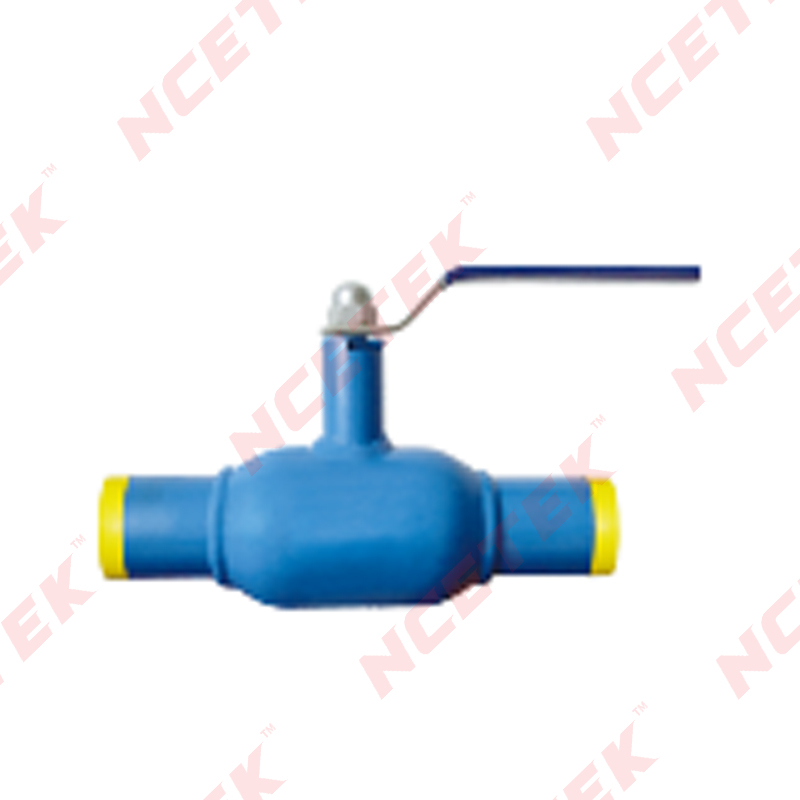
Full bore and reduced bore valves aren't interchangeable — they're built for different jobs entirely. A full bore valve keeps the same internal diameter as the pipe it's sitting in. Fluid just passes through, no narrowing anywhere, so pressure drop stays low. A reduced bore valve, on the other hand, has a smaller opening than the pipeline around it. Fluid has to squeeze through that gap, and that squeeze shows up as a measurable pressure drop downstream.
Which one makes sense really comes down to the application. A line running near full capacity, where you can't afford to lose pressure, pretty much needs full bore valves. A line with some slack in it — moving less volume than it's rated for — can usually get away with reduced bore instead. Cost factors in here too. Full bore valves take more material and cost more to build. Multiply that across a project with dozens or hundreds of valves, and the gap adds up fast.
Flow behavior shifts with a reduced bore design too. Fluid speeds up squeezing into that narrower section, then slows back down coming out the other side. That change in velocity kicks up turbulence, and over time turbulence can chew away at the inside of the valve — especially in anything carrying abrasive fluid. It's not something that shows up overnight, but it can quietly shorten how long the valve actually lasts in service.
| Configuration | Flow Area | Pressure Drop | Pigging | Cost | Typical Application |
|---|---|---|---|---|---|
| Full bore | Pipeline diameter | Minimal | Suitable | Higher | Transmission lines, piggable systems |
| Reduced bore | Smaller than pipeline | Noticeable | Not suitable | Lower | Distribution lines, non-piggable systems |
A Welded Ball Valve Supplier isn't just there to ship a box and collect payment. Good suppliers have technical staff who can actually walk buyers through the selection process instead of leaving them to figure it out alone. Their engineers understand how bore size plays into overall valve performance and can lay out the trade-offs between full bore and reduced bore in plain terms.
Not every supplier offers the same level of customization either. Some can tweak standard designs pretty freely — custom bores, different materials, unusual end connections, whatever the project calls for. How far they can go usually comes down to their experience and how much production capacity they've got sitting behind it.
Documentation matters here too, and it comes from the supplier's side. A supplier that hands over complete paperwork makes the whole approval process a lot less painful. Certificates, material test reports, pressure test records — buyers need all of it, and honestly, the quality of that paperwork often says a lot about how seriously the supplier takes quality overall.
Pipeline design is really where bore size selection starts. Flow rate, operating pressure, and whatever fluid is actually running through the line all shape the choice from the ground up. A gas pipeline doesn't face the same bore considerations as one hauling crude oil or refined products — different fluids, different math.
Most of the time, the decision boils down to balancing capacity against cost. Full bore costs more upfront but gives better flow characteristics. Reduced bore saves money but can box you into operational limits down the road. Looking at total cost across the valve's whole life — installation, day-to-day operation, maintenance down the line — tends to give a far better picture than just staring at the purchase price.
Long-term plans matter too, and they're easy to overlook in the moment. A pipeline that might need pigging somewhere down the road really should start with full bore valves from day one. Swapping a reduced bore valve for full bore later means shutting the pipeline down and eating extra costs nobody budgeted for.
A few things that end up shaping the final bore size call:
At the end of the day, it's about matching the valve to what the pipeline actually needs to do — not just chasing the lowest number on a quote. Skip that step and look only at price, and there's a decent chance you end up with restrictions or extra expense creeping in over the pipeline's life. The valve might be just one piece of a much bigger system, but its bore size ends up shaping how everything downstream performs. Getting that call right early on saves a lot of headaches later.
 nce@cnnsv.com
 +86-15727968392 / +86-15397375798
 +86-577-67091815
 +86-577-67091815
 Dongou Industrial Zone, Oubei Street, Yongjia County, Wenzhou City, Zhejiang Province, China


Contact Us