
 русский
 简体中文
简体中文

Gas service applications place their own set of demands on pipeline components. The compressible nature of gas, combined with the energy stored in pressurized systems, calls for careful attention to equipment selection. Ball valves have gained wide acceptance in gas transmission, distribution, and processing facilities because they offer straightforward operation and reliable sealing.
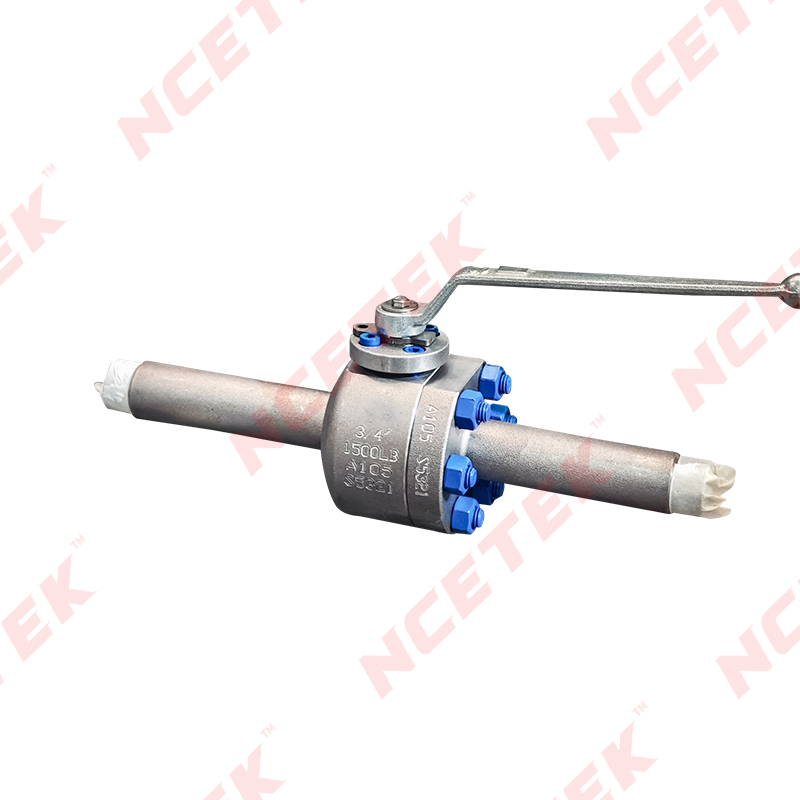
Within the ball valve category, one particular design shows up often in applications where maintenance access matters. The API Top Entry Ball Valve allows internal components to be reached through the top of the body, which simplifies repair work without pulling the whole assembly from the pipeline. That feature makes it a common sight in gas service installations across different facility types.
When choosing any valve for gas applications, pressure rating stands out as a key consideration. Getting that rating right affects safety, performance, and long-term reliability. Working with an experienced Welded Ball Valve Supplier helps in understanding how ratings translate to real-world service conditions.
Pressure rating refers to the maximum internal pressure that a valve can contain safely at a set temperature. Standardized testing and material analysis establish that rating. Every valve carries a rating that tells users what conditions it can handle.
Gas service introduces considerations that differ from liquid applications.
Temperature adds another layer to the pressure rating question. Most materials lose some strength as temperature climbs. A valve rated for a certain pressure at room temperature may carry a lower rating at elevated temperatures. That relationship shows up in pressure-temperature tables that accompany valve specifications.
The pressure rating must exceed the maximum pressure the system can generate under any operating condition. That includes start-up, shutdown, and upset scenarios where pressure might spike briefly.
API standards give manufacturers and users a common language for talking about valve capabilities. These standards draw on years of industry practice and testing to establish consistent rating criteria.
The pressure rating of an API Top Entry Ball Valve appears as a class number. Each class corresponds to a specific pressure capacity at a given temperature.
| Pressure Class | Typical Service Setting | Construction Feature |
|---|---|---|
| Class 150 | Low-pressure distribution | Standard wall thickness |
| Class 300 | Medium-pressure transmission | Reinforced body sections |
| Class 600 | Higher-pressure pipelines | Heavy wall and bolting |
| Class 900 | High-pressure facilities | Extra-thick body construction |
API standards also address testing requirements. Valves built to these specifications undergo testing to verify their pressure-holding capability. Those tests give assurance that the valve will perform as expected when placed into service. The standards cover materials, dimensions, and quality control procedures that support consistent production.
Several factors come into play when picking a pressure rating for a gas application. The starting point involves determining the normal operating pressure of the pipeline or facility.
Surge events call for extra attention. When valves close quickly or equipment starts and stops, pressure waves travel through the pipeline. Those waves create temporary pressure increases above normal levels.
Gas composition affects rating choices through material selection. Some gases contain impurities that attack valve materials over time. That gradual loss of material thickness effectively lowers the pressure rating, so the original rating must account for expected wear.
Temperature shifts across seasons and operating conditions also matter. Gas systems often see temperature changes from ambient conditions and from pressure changes. The selected rating needs to cover the worst combination of pressure and temperature the valve will face.
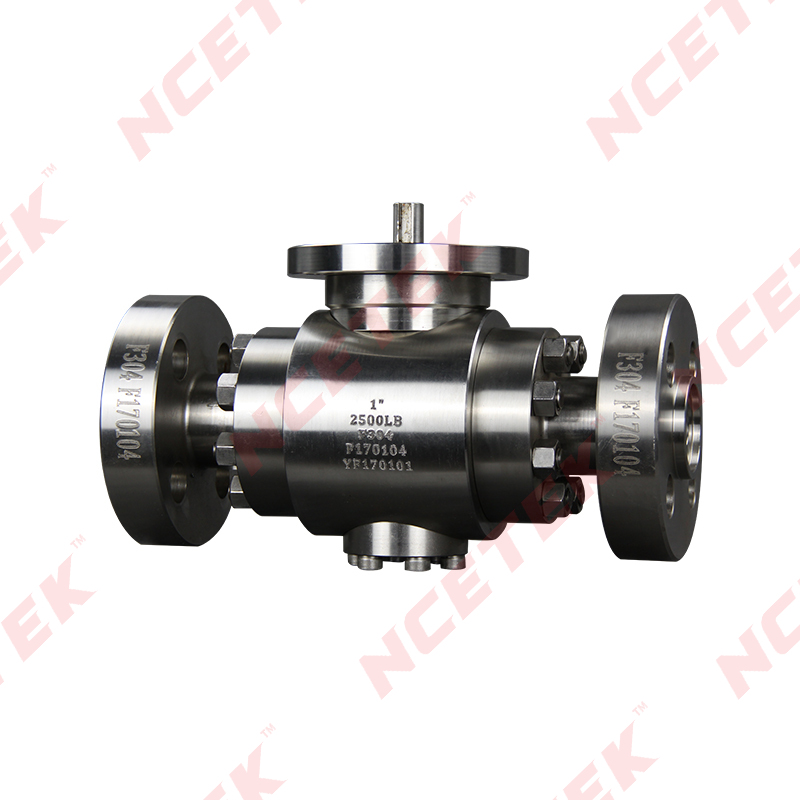
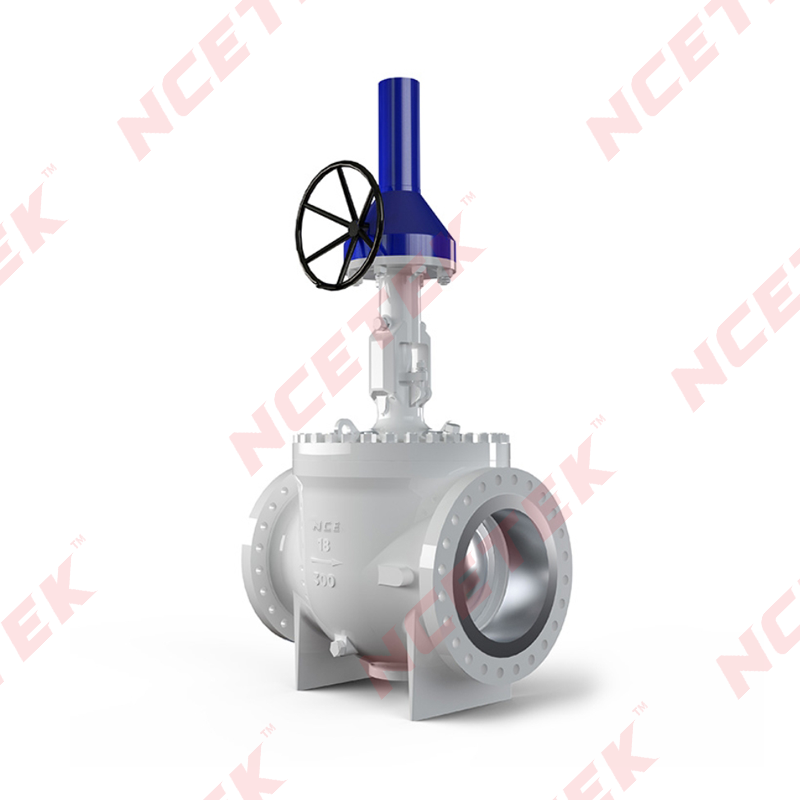
The top entry design includes features that set it apart from other ball valve configurations. In a top entry valve, the ball, seats, and stem enter the body through an opening at the top. A cover or bonnet seals that opening and forms part of the pressure boundary.
The pressure rating of an API Top Entry Ball Valve ties directly to how well that top opening gets sealed. The bolting that holds the cover must withstand forces from internal pressure pushing outward. Higher ratings call for larger or more numerous bolts.
The design also enables inline maintenance, meaning the valve can be serviced without removal from the pipeline. That feature influences long-term reliability because it makes inspection and repair more accessible. Valves that get better care tend to last longer in service.
Body materials set the pressure-temperature rating of the valve. Cast carbon steel serves as a common choice for many gas applications because it balances strength with cost. For more demanding services, alloy steels or stainless materials provide better temperature resistance or improved corrosion performance.
Material strength properties at temperature establish the pressure limits for each class. Materials that hold their strength at higher temperatures allow better pressure ratings for a given class. Two valves with the same class number but different materials may have different pressure capacities at the same temperature.
Trim materials do not affect the overall pressure rating of the valve body. They influence sealing performance and wear resistance instead.
Corrosion resistance becomes important when gas streams contain moisture or acidic components. Some natural gas includes contaminants that attack carbon steel. In those situations, the material must resist degradation while maintaining pressure-holding capability. Choosing the wrong material leads to thinning and eventual loss of integrity.
Pressure rating reaches beyond the valve itself. It affects how the valve connects to the piping system and what kind of support it needs once installed.
Flange thickness and bolting requirements change with pressure class. Higher rated valves come with thicker flanges and heavier bolts. Those flanges have to match the mating pipe flanges for a proper connection. Mismatched flanges create leak paths that compromise system integrity.
The weight of the valve goes up with pressure rating. Thicker walls and heavier flanges add mass that the piping system must carry. Pipe hangers, supports, and anchors need design consideration to handle that extra weight. A valve that strains its supports puts stress on connected piping and may cause alignment problems.
Installation clearances shift with rating too. Higher rated valves take up more space in all directions. That added size affects how the valve fits into existing piping layouts. Retrofit projects sometimes need pipe modifications to accommodate a higher rated valve than the original installation.
Gas applications cover a wide pressure range across different parts of the system. Distribution networks serving residential and commercial customers run at lower pressures than transmission lines moving gas across long distances.
Lower pressure distribution systems often use Class 150 valves. That class provides enough pressure capacity for many local networks and facility gas lines. These valves cost less and weigh less than higher rated options.
Transmission pipelines and higher pressure facilities typically call for Class 300 or Class 600 valves. These lines move gas over longer distances and need thicker walls to contain the higher pressures. The increased rating also gives extra margin for surge events and pressure fluctuations.
| System Type | Typical Class Range | Notes |
|---|---|---|
| Local distribution | 150 to 300 | Lower pressure, lighter construction |
| Transmission lines | 300 to 600 | Higher pressure, heavier build |
| Processing facilities | 300 to 900 | Wide range depending on process |
| High-pressure storage | 600 and above | Heavy wall construction |
Some special applications call for Class 900 or higher. Those situations involve very high pressures where standard classes do not provide enough margin. Talking with an experienced Welded Ball Valve Supplier helps clarify which class fits a given application.
Picking the wrong pressure rating creates problems that show up in different ways. Rating too low leads to immediate safety concerns. A valve that cannot contain system pressure risks failure during operation. That failure releases gas quickly, creating dangerous conditions for people and equipment nearby.
Rating too low also causes operational issues. The valve may not close fully under pressure, allowing gas to pass through when it should stay shut. Seat damage accelerates from overstressing the sealing surfaces. Leakage through the valve wastes product and creates environmental concerns.
Rating too high presents a different set of problems. Oversized valves cost more than needed and take up more space. The extra weight demands heavier supports and more substantial piping connections. Those added costs spread across the project without delivering any operational benefit.
The sensible approach matches the rating to the actual service conditions with some margin for upsets. That margin provides safety without excessive oversizing. Knowing the system pressure profile, including transients and surges, helps determine the appropriate rating.
Pressure rating influences more than the ability to hold pressure. It touches several other aspects of valve performance that matter in gas service.
Sealing performance relates to pressure in a couple of ways. Higher pressure pushes the ball against the seats more firmly, which can improve shutoff capability. That same pressure also puts more stress on seat materials, potentially increasing wear over time. Seat design and material choice must account for the operating pressure range.
Operating torque changes with pressure. Higher pressure increases the force needed to turn the ball from open to closed. The stem and actuator must deliver enough torque to overcome that resistance. Valves in high-pressure service often need larger actuators or gear operators.
Cycle life may shorten at higher pressures because the sealing surfaces see greater forces during each operation. That added stress accelerates wear on the ball and seat coatings.
Keeping pressure integrity demands attention beyond the initial selection and installation. Regular inspection and maintenance catch problems before they compromise the valve's ability to hold pressure.
Checking for external leakage around the body, bonnet, and stem should happen as part of routine rounds. Even small leaks indicate that the sealing boundaries need attention. Left unchecked, those leaks enlarge and create larger issues.
Torque checks on body bolting help maintain joint integrity. Bolts can loosen over time from thermal cycling and vibration. Re-torquing to proper values keeps the bonnet seal tight against internal pressure.
Seat and seal condition affects pressure containment as well. Worn seats allow leakage through the valve, which may indicate that sealing surfaces are degrading. Scheduled maintenance intervals should include inspection of internal components, especially in valves that cycle frequently.
Selecting the right pressure rating for an API Top Entry Ball Valve in gas service starts with understanding the system conditions. Operating pressure, surge events, temperature variations, and gas composition all affect the required rating. Class numbers give a useful framework, but material selection and design details matter too.
The top entry design offers advantages for maintenance access, but that feature must be properly rated for the service pressure. The cover bolting and body construction must contain the pressure safely while allowing access when needed. Getting those details right supports both safety and maintainability.
Working with an experienced Welded Ball Valve Supplier helps navigate the choices. Suppliers who understand gas applications can offer guidance on class selection, materials, and installation practices that fit the specific service conditions. That knowledge prevents both under-rating and over-rating situations.
The final selection should match the valve to the actual requirements with reasonable margin for upsets. That approach balances cost and safety while supporting reliable operation over the valve's service life.
 nce@cnnsv.com
 +86-15727968392 / +86-15397375798
 +86-577-67091815
 +86-577-67091815
 Dongou Industrial Zone, Oubei Street, Yongjia County, Wenzhou City, Zhejiang Province, China


Contact Us