
 русский
 简体中文
简体中文

Piping systems rely on valves to start, stop, and regulate flow. Among the many valve types available, ball valves are common in applications requiring a simple on-off function or moderate throttling. Their design features a spherical closure element that rotates to open or close the flow path.
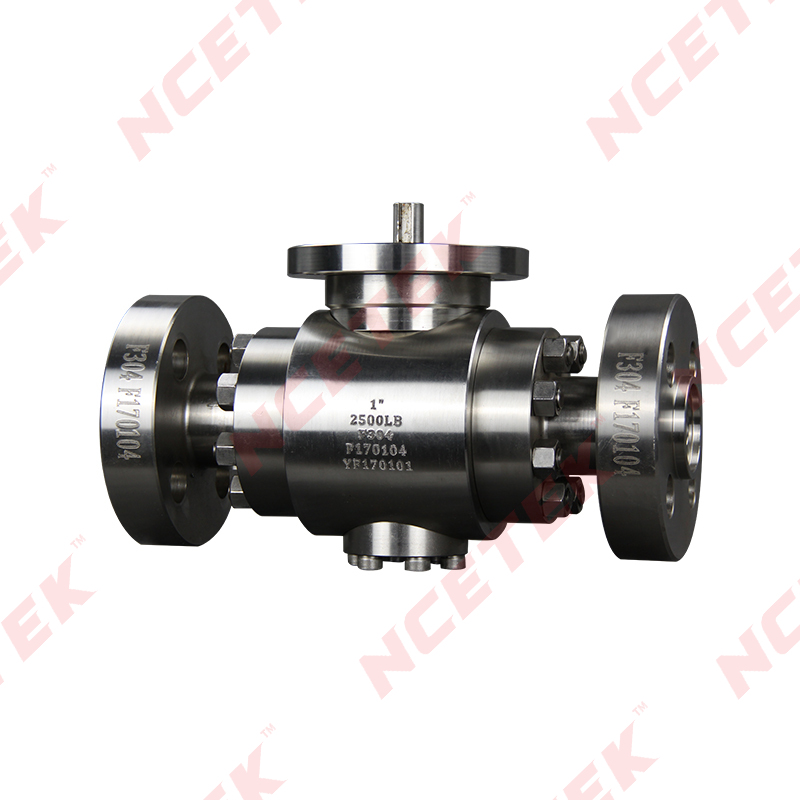
Two distinct configurations exist within the ball valve category. One uses a floating ball arrangement with flanged ends for pipeline connection. Another employs a trunnion-mounted ball and allows access to internal parts from the top of the valve body. Each configuration serves particular applications where installation conditions, pressure levels, and maintenance needs vary.
Selection between these designs depends on several practical factors. Operating pressure, pipeline location, available space for servicing, and the frequency of valve operation all influence which design makes sense for a given installation. Understanding how each valve works helps in making that choice.
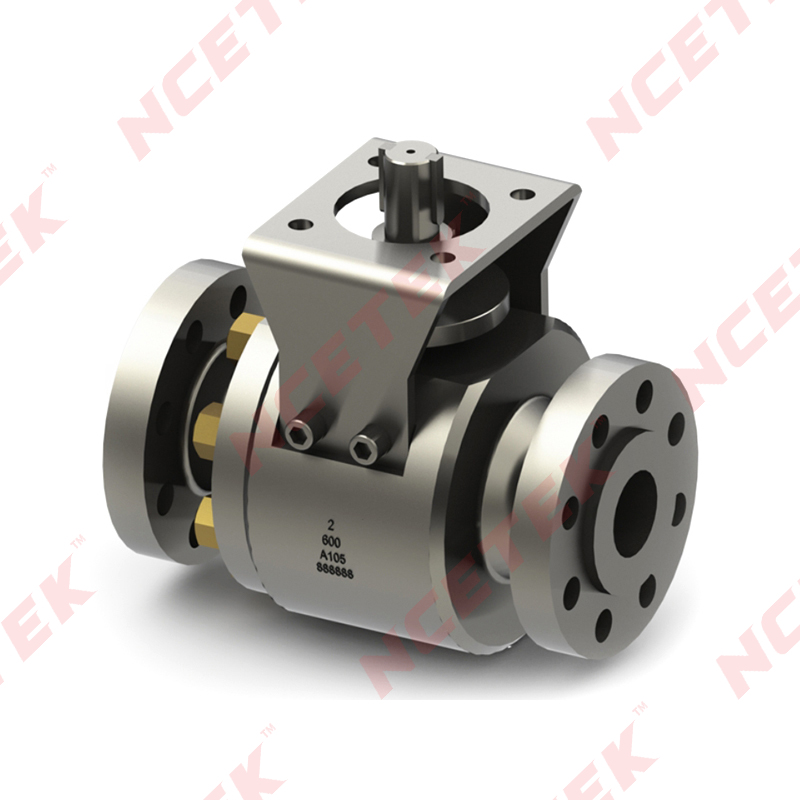
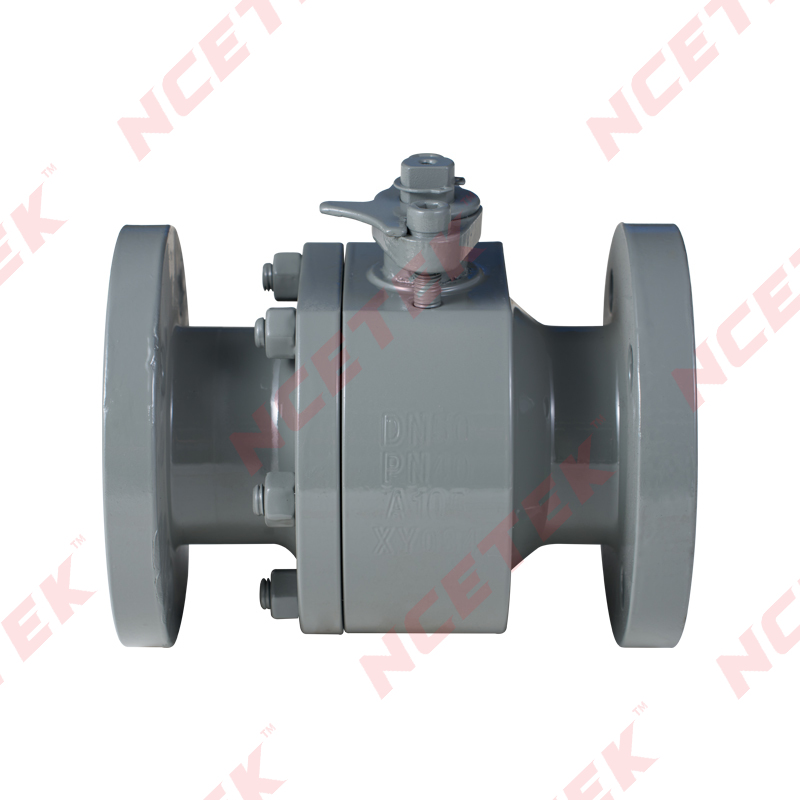
Flanged Floating Ball Valve designs use a ball that is not fixed in place. The ball sits between two seat rings and is held in position primarily by the valve stem. When the valve is closed and line pressure is applied, the pressure pushes the ball against the downstream seat. That pressure against the seat creates the sealing force that stops flow.
Sealing effectiveness increases as line pressure rises. Higher pressure pushes the ball more firmly against the seat, producing a tighter seal. At lower pressures, the sealing force is reduced. Some designs incorporate springs or other mechanisms to maintain a basic seal even when pressure is low.
Flanged ends provide a standard method for connecting the valve to the pipeline. The flanges have bolt holes that align with matching flanges on the pipe. Bolts are inserted and tightened to create a joint that can be disassembled when needed. Flanged connections are common in many industrial piping systems because they allow valve removal without cutting the pipe.
The floating ball design has certain operational characteristics that affect its application range. The ball movement during operation is influenced by pressure conditions. Seat materials must be selected to withstand the forces applied during sealing. The flow path through the valve is generally straight, producing a relatively low pressure drop when fully open.
A different approach to ball valve design uses a trunnion-mounted ball. In this configuration, the ball is anchored at both the top and bottom by bearings known as trunnions. These bearings hold the ball in a fixed position relative to the valve body. The ball does not move toward the seats when pressure is applied.
Instead of the ball moving, the seats themselves move toward the ball. Springs or line pressure push the seats against the stationary ball surface. That movement creates the sealing force. The trunnion bearings absorb the thrust from line pressure, so the operating torque remains relatively low even at high pressures.
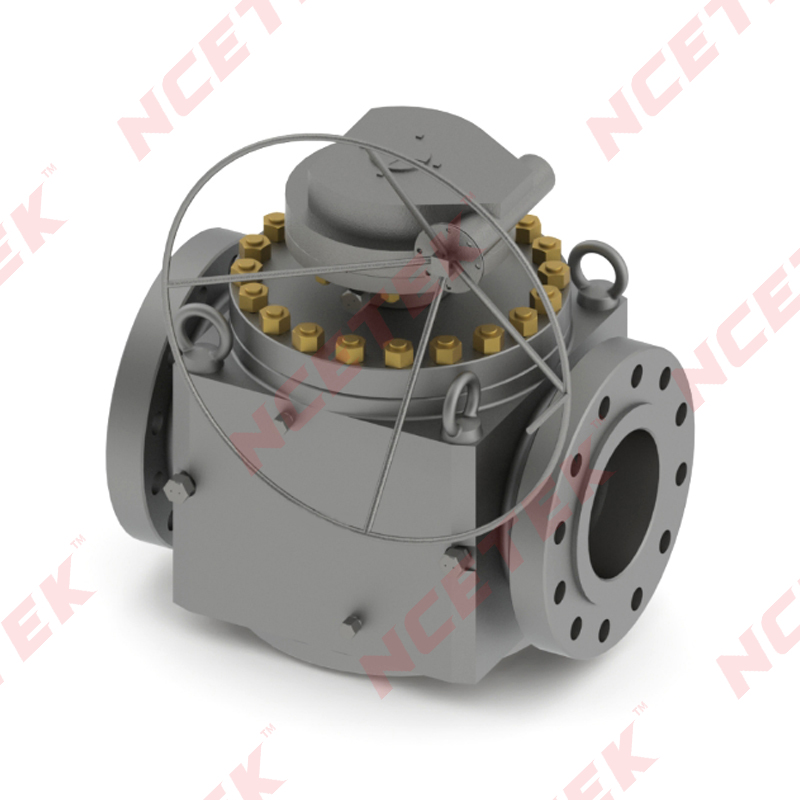
The top entry feature allows access to the internal parts without removing the valve from the pipeline. The cover on top of the valve body can be unbolted and lifted off. That exposes the ball, seats, and other internal components for inspection, cleaning, or replacement. This feature is valuable when pipeline shutdown and valve removal would be costly or disruptive.
Top Entry Trunnion Ball Valve designs often appear in applications where maintenance access is limited. The ability to service the valve in place reduces downtime and eliminates the need to break flanged connections for routine maintenance. Bearings that support the ball also contribute to smooth operation and consistent performance.
The most visible difference between these two valve types relates to how the ball is supported. Floating designs let the ball move within the seat pockets. Trunnion designs hold the ball in a fixed position. That difference affects many aspects of valve behavior.
Sealing mechanisms differ between the two configurations. Floating ball valves rely on line pressure to push the ball against the seat. Trunnion-mounted valves use seat movement to engage the stationary ball. Each approach works well in its intended pressure range.
Operating torque requirements show a notable difference. Floating ball valves generally need more force to operate, especially at higher pressures. The ball must be moved against the seat pressure. Trunnion-mounted valves require less operating force because the ball stays in place and only the seats move.
| Design Feature | Flanged Floating Ball Valve | Top Entry Trunnion Ball Valve |
|---|---|---|
| Ball support method | Floating, supported by seats | Fixed, supported by bearings |
| Sealing mechanism | Pressure pushes ball to seat | Pressure moves seat to ball |
| Operating torque | Higher, pressure-dependent | Lower, consistent across pressure range |
| Internal access | Requires valve removal from line | Accessible through top cover |
Maintenance access represents a practical difference that affects valve selection in many installations. Floating ball valves with flanged ends can be removed from the line for servicing, although that requires breaking the flanged connections and providing space to withdraw the valve. Top entry designs allow internal access without disturbing the pipeline connections.
The way a valve is maintained over its service life often determines its total cost of ownership. Valves that are easy to service tend to receive more regular attention. Valves that are difficult to access may be neglected until problems become serious.
Top entry designs offer a clear advantage in situations where pipeline removal is impractical. Valves installed in congested areas, overhead piping, or locations where pipe alignment must be preserved benefit from in-line service capability. The valve remains in the pipeline while the cover is opened for inspection.
Floating ball designs require removal from the line for internal service. The flanged connections must be unbolted, and the valve must be lifted out of the pipeline. That process requires space around the valve for access and lifting equipment. It also requires the pipeline to be isolated and drained before the valve can be removed.
Service frequency influences the importance of maintenance access. Valves that operate frequently or in demanding services may need periodic seat replacement or other internal work. Easy access to internal parts reduces the time and effort required for each service interval. Valves in clean, infrequent service may not need regular maintenance access.
Where a valve sits in the piping system affects which design works better. A valve mounted at ground level with open space around it offers different challenges than a valve located overhead or in a crowded pipe rack. The physical location influences both installation and future service work.
Valves in accessible locations allow the use of either design without significant difficulty. The installation team can reach the flanged connections, apply torque to bolts, and verify proper alignment. Routine maintenance can be performed without special access equipment. The choice between designs in these locations often comes down to other factors like pressure rating or service requirements.
Valves in confined spaces present more constraints. A floating ball valve with flanged ends needs space around it for the bolts to be inserted and tightened. The valve itself must be maneuvered into position during installation. Removing the valve later for service requires the same space. Top entry designs require overhead clearance for the cover to be lifted. The cover and internal components need room to be withdrawn from the valve body.
Overhead piping creates additional access challenges. Working at height adds complexity to any valve operation. The weight of the valve and the need to support it during installation affect the choice. Flanged Floating Ball Valves may require lifting equipment and careful positioning during removal. Top entry designs allow service work to be performed from above without removing the heavy valve body.
The surrounding equipment and structures also play a role. Valves located near other pipes, structural steel, or equipment may not have enough clearance for flange bolt access or cover removal. The installation layout often determines which design can be accommodated.
Operating pressure affects both designs differently. Floating ball valves work within certain pressure ranges where the sealing mechanism functions effectively. The ball is pushed against the downstream seat, and higher pressure produces a tighter seal. That relationship works well up to a point. Beyond that, the force on the ball becomes high enough to affect seat wear or operating torque.
Trunnion-mounted designs handle a broader range of pressure conditions. The bearings absorb the thrust from line pressure, so the seats are not subjected to excessive loading. The operating torque remains relatively consistent across the pressure range because the ball does not move under pressure. That characteristic makes this design suitable for applications where pressure varies widely.
Temperature affects both designs through its influence on seat materials and clearances. Seats must maintain their sealing properties across the expected temperature range. Material expansion and contraction can change the clearance between the ball and the seats. The design must account for those changes to maintain reliable sealing.
Pressure fluctuation frequency also influences the choice. Systems that experience rapid pressure changes subject the valve to dynamic loading. Floating ball designs may experience seat movement as pressure changes. Trunnion-mounted designs keep the ball in a fixed position, so pressure changes do not affect the ball position. That stability can be an advantage in variable pressure service.
Sealing in a floating ball valve depends on line pressure moving the ball against the seat. That pressure-dependent sealing works well in applications where pressure is consistently above a certain level. At very low pressure, the seal may not be as effective because the force pushing the ball toward the seat is reduced.
Sealing in a trunnion-mounted design uses spring or pressure to move the seats toward the ball. The sealing force does not rely on the ball moving under pressure. That arrangement provides more consistent sealing across a range of pressure conditions. The seats contact the ball with controlled force regardless of line pressure.
Seat wear patterns differ between the two designs. Floating ball valves have the ball rubbing against the seats during operation. The seats are subject to wear from the ball surface passing across them. Trunnion-mounted valves have less seat wear because the ball does not move against the seats. The seats move toward the ball and contact it with controlled force.
| Sealing Characteristic | Flanged Floating Ball Valve | Top Entry Trunnion Ball Valve |
|---|---|---|
| Sealing force source | Line pressure pushing ball to seat | Springs or pressure moving seat to ball |
| Pressure dependency | Seal improves with higher pressure | Consistent seal across pressure range |
| Seat wear pattern | Ball rubs against seat surface | Seat contacts ball with controlled force |
| Low pressure performance | May be reduced | Remains effective |
Physical space considerations often determine which valve fits in a given location. Flanged Floating Ball Valves need clearance around the flanges for bolt installation and removal. The bolts must be inserted through the flange holes and tightened with tools. That requires access from both sides of the flange.
Top entry designs need overhead clearance for cover removal. The cover on top of the valve must be lifted straight up to clear the studs or bolts that hold it in place. That height requirement must be considered when the valve is located near overhead obstructions. The internal parts must also be lifted out through the top opening.
Pipe layout affects valve installation. Valves installed in straight pipe runs are easier to position than those located near bends or branches. The available space around the valve determines whether flanged connections can be made up properly. Top entry designs still require space around the valve for maintenance access, although the pipeline connections remain undisturbed.
Support positioning is another consideration. Valves add weight to the piping system. Supports must be placed to carry that weight without overloading the pipe. The valve orientation and weight distribution affect support placement for both designs.
Operating torque requirements influence the choice of actuator for automated valves. Floating ball designs generally need higher actuation torque, especially at higher pressures. The ball must overcome the seat pressure during rotation. That requires a larger actuator, which adds cost and weight.
Trunnion-mounted designs require lower operating force. The ball rotates on bearings, and the seats move out of the way during operation. The actuator size can be smaller for the same valve size and pressure rating. That reduces overall installed cost and simplifies actuator mounting.
Actuator type selection depends on the torque requirement. Manual operators, electric actuators, and pneumatic actuators all have torque limits. The valve design must match the actuator capability. Valves that require excessive torque may need special actuators or higher operating pressure for pneumatic units.
Operating speed and frequency also affect actuator selection. Valves that operate frequently need actuators designed for cycling duty. The torque characteristics affect how quickly the valve can open or close. Trunnion-mounted designs with lower torque allow faster operation with a given actuator.
 nce@cnnsv.com
 +86-15727968392 / +86-15397375798
 +86-577-67091815
 +86-577-67091815
 Dongou Industrial Zone, Oubei Street, Yongjia County, Wenzhou City, Zhejiang Province, China


Contact Us