
 русский
 简体中文
简体中文

A piping system is more than a collection of pipes connected together. Every section influences how fluid moves from one point to another, how easily equipment can be inspected, and how much space remains available for future maintenance. Once a layout becomes crowded with unnecessary branches and fittings, daily operation often becomes more complicated than expected.
In many installations, space around pumps, tanks, filters, or processing equipment is limited. Pipe routing must avoid structural supports, electrical equipment, and maintenance passages. Even a small adjustment in pipe direction can influence accessibility later.
Another practical issue comes from connection points. Every additional fitting creates another location requiring inspection during routine maintenance. Reducing unnecessary connections often makes future servicing easier while keeping the overall arrangement cleaner.
During layout planning, engineers usually consider several practical questions:
Simple routing decisions made early often affect maintenance convenience throughout the service life of the system.
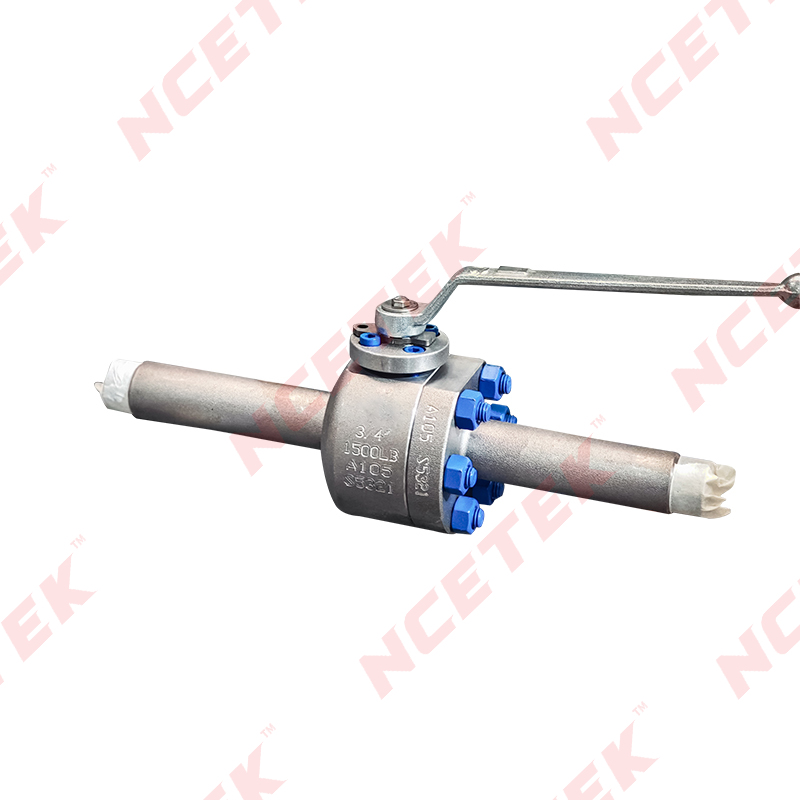
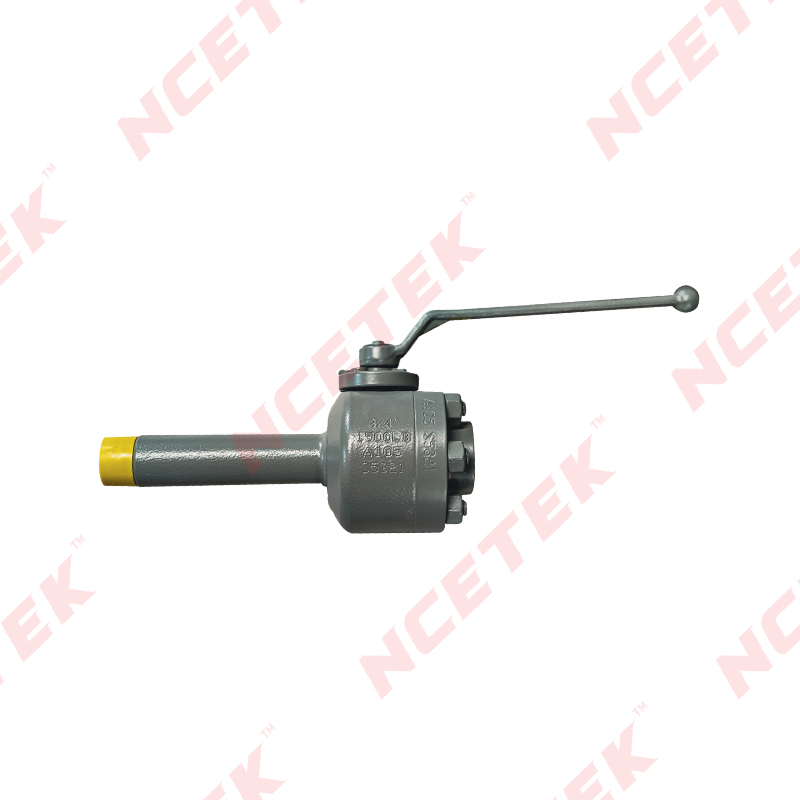
A Multi Port Ball Valve is designed to guide fluid through more than two connection ports within one valve body. Unlike a conventional shut-off valve that mainly controls open or closed flow between two directions, this design allows one valve to manage several possible flow paths.
Inside the valve, a precision-machined ball rotates when the handle operates. Different internal passage shapes determine which ports become connected during rotation. Instead of relying on several separate valves joined by multiple fittings, one compact unit can perform switching or distribution tasks.
Basic structural elements usually include:
Because routing happens inside one housing, surrounding pipe arrangement often becomes easier to organize. Pipe intersections that would normally require several fittings can sometimes be simplified into a single control point.
Many piping systems require fluid to move toward different destinations at different stages of operation. Traditional layouts often solve this by installing several valves connected with tees, elbows, and additional pipe sections.
Every extra fitting increases assembly work while making the layout visually denser. Maintenance access may also become more difficult once several components occupy the same area.
A Multi Port Ball Valve reduces part of that complexity by allowing several flow directions inside one assembly.
Practical advantages include:
Instead of building several independent switching points, flow management can often be concentrated into one location. Such arrangement also makes pipe identification easier during inspection because routing appears less crowded.
Valve selection influences more than fluid control. It also changes how surrounding equipment is arranged.
When pipe routing requires frequent directional changes, installation space gradually becomes occupied by elbows, unions, and branch fittings. Equipment positioned nearby may become harder to reach during servicing.
Choosing an appropriate valve configuration during design allows pipe runs to remain more direct. Maintenance pathways stay clearer, and surrounding components remain easier to inspect.
| Layout Method | Pipe Connections | Installation Space |
|---|---|---|
| Several standard valves | Higher | More crowded |
| Single multi-port arrangement | Lower | More compact |
| Mixed configuration | Moderate | Depends on layout |
System organization is not only about appearance. Cleaner routing often improves visibility during inspection and reduces confusion when tracing individual flow paths.
Flow inside a valve depends on more than external pipe arrangement. Internal passage geometry also influences how fluid changes direction.
Channel shape determines whether flow continues straight, turns toward another outlet, or becomes isolated from one section of the system. Smooth internal transitions generally reduce unnecessary turbulence while supporting more stable movement.
Several operating factors deserve attention during planning:
Valve selection should match intended operating conditions rather than relying only on connection size. Proper matching helps simplify installation while supporting consistent operation.
A piping drawing may appear simple before installation begins. Once work starts on site, available space often becomes smaller than expected. Pipe supports, equipment frames, cable trays, and existing pipelines all compete for room. Every extra elbow or connector makes routing a little harder.
Using one valve to manage different flow directions helps reduce unnecessary pipe turns. Instead of building several separate switching points, pipe runs can stay shorter and easier to arrange around nearby equipment. Open space around pumps, filters, or tanks is also easier to preserve for later inspection.
Several practical details are often considered during installation.
A little planning before assembly often prevents repeated adjustments later. Pipe routes also become easier to follow when fewer crossings appear inside a limited area.
Working conditions are rarely identical from one installation to another. Some pipelines carry clean liquids, while others remain exposed to moisture or fluids that leave deposits on internal surfaces. Material selection should match those conditions instead of following one fixed approach.
Surface condition affects everyday maintenance as well. A smooth outer finish is easier to wipe clean, making inspection more convenient. Dirt or moisture becomes easier to notice before it remains on the surface for long periods.
Sealing parts deserve attention during routine operation. Opening and closing naturally creates wear over time. Stable sealing materials help maintain normal movement after repeated use without requiring frequent replacement.
During selection, attention often goes to several simple points.
Careful matching at an early stage often reduces unnecessary service work later.
Inspection does not always involve complicated procedures. In many cases, ordinary visual observation is enough to notice small changes before they affect operation.
External surfaces often provide useful information. Moisture around connection points, unusual marks near sealing areas, or damage to operating handles may indicate that further inspection is needed. Handle movement should remain smooth without sticking or excessive resistance.
A routine inspection usually includes several simple actions.
Keeping equipment clean also makes inspection easier. Dirt covering important areas can hide small signs that would otherwise be visible during regular maintenance.
Many piping systems do not keep fluid moving along one fixed route all the time. Cleaning, maintenance, or changing operating conditions may require flow to move toward another section of the system.
A valve designed with several internal passages allows those changes without adding many separate control points. Pipe arrangement stays more straightforward, making routing easier to understand during future inspection.
Such layouts are commonly found in situations involving:
Actual arrangement always depends on available space and operating requirements. Simple routing often makes later maintenance less complicated because every connection remains easier to identify.
Maintenance becomes easier when pipe arrangement follows a logical pattern. Crowded installations often hide important components behind several layers of fittings, making even small repair work more time-consuming.
Clear routing improves visibility around valves, joints, and operating handles. Maintenance staff can identify flow direction more quickly, while routine cleaning around equipment becomes less awkward.
Another advantage appears when system changes become necessary. Additional equipment or replacement sections can often be added with fewer adjustments when enough working space has been preserved during original installation.
Well-planned piping is not only about reducing components. It also creates a workspace where inspection, cleaning, adjustment, and future maintenance can be carried out with less interruption. Small improvements made during layout planning often continue to provide practical value throughout normal operation.
 nce@cnnsv.com
 +86-15727968392 / +86-15397375798
 +86-577-67091815
 +86-577-67091815
 Dongou Industrial Zone, Oubei Street, Yongjia County, Wenzhou City, Zhejiang Province, China


Contact Us