
 русский
 简体中文
简体中文

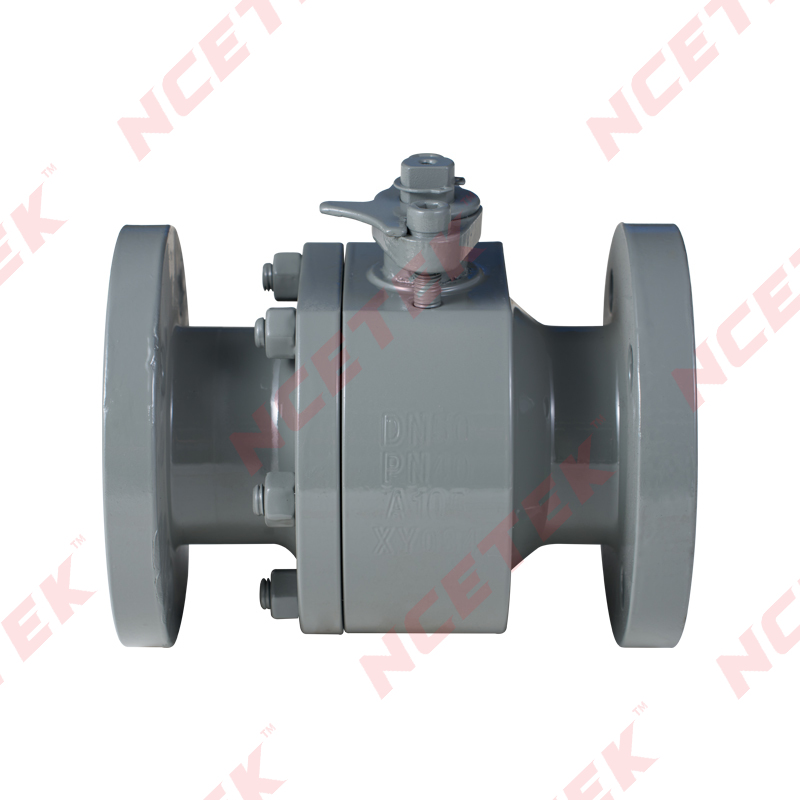
In many fluid control systems, safety is not a single component feature but the result of structural design, material behavior, and long-term mechanical stability. A Cast Steel Ball Valve operates under conditions where flow direction, pressure variation, and repeated mechanical movement all interact continuously. Within this structure, stem protection becomes a key factor influencing overall operational safety.
In real industrial environments, a Cast Steel Ball Valve Supplier often focuses on how internal and external design choices influence long-term reliability rather than only initial performance. Small structural differences may not be noticeable during installation, yet they gradually influence how the valve behaves after repeated operation cycles.
Safety design in a Cast Steel Ball Valve is closely connected to how internal forces are managed during fluid control. When flow passes through the valve body, pressure distributes unevenly across internal surfaces. The design must guide this pressure in a controlled way to avoid stress concentration in sensitive areas such as the stem region.
In practical use, safety concerns often appear in subtle operational signals rather than visible damage. Slight variation in rotation resistance, changes in sealing feel, or irregular motion during switching can all indicate how internal stress is being managed.
In industrial systems, safety expectations usually focus on:
The stem is one of the most active mechanical parts in a Cast Steel Ball Valve, responsible for transmitting external torque into internal rotation. Because of this role, its protection becomes a central part of structural design.
Stem protection is not achieved through a single component. Instead, it comes from how multiple sections of the valve body interact with each other.
In practical structural design, several elements contribute to stem stability:
The valve body acts as the main structural frame of a Cast Steel Ball Valve, holding pressure, guiding flow, and supporting internal components. Its design directly influences how stress is distributed across the entire system.
In operation, fluid pressure does not remain uniform. It shifts depending on flow direction, valve position, and internal geometry. The body must absorb these variations without transferring excessive force to the stem area.
Key structural aspects influencing safety include:
A Cast Steel Ball Valve Supplier often pays close attention to casting uniformity, since minor irregularities in structure can influence long-term behavior more than immediate performance.
| Body Design Factor | Influence on Safety Behavior |
|---|---|
| balanced wall structure | stable pressure distribution |
| uneven casting density | localized stress concentration |
| smooth internal channel | reduced flow turbulence impact |
| reinforced connection zones | improved structural stability |
| inconsistent geometry | variation in long-term wear |
Sealing structure in a Cast Steel Ball Valve plays a dual role. It prevents leakage and also contributes to protecting internal mechanical areas, especially the stem interface.
When sealing performance remains stable, external contaminants have less chance of entering internal movement zones. This indirectly reduces wear on the stem area and helps maintain consistent rotation behavior.
In real operation, sealing behavior influences:
A Cast Steel Ball Valve Supplier often evaluates sealing not only for fluid containment but also for how it supports mechanical separation between internal and external environments.
Repeated operation cycles gradually test sealing behavior. Even when no leakage appears, small changes in friction or movement smoothness may indicate variation in sealing condition.
Operating conditions change how a Cast Steel Ball Valve behaves over time. Pressure variation, temperature fluctuation, and flow characteristics all influence internal stress distribution.
When pressure changes frequently, internal components experience alternating load patterns. The stem region, due to its movement role, is particularly sensitive to these variations.
In real working environments, several conditions affect protection needs:
External actuation components such as handles or control interfaces influence how force is transmitted into the stem. In a Cast Steel Ball Valve, this transmission must remain stable to avoid uneven stress.
When torque is applied unevenly, stem alignment may shift slightly during operation. Over time, this can influence internal wear patterns and rotation smoothness.
In practical design considerations:
In real industrial use, safety behavior in a Cast Steel Ball Valve does not appear suddenly. It develops gradually through repeated interaction between pressure, movement, and structural response.
At early stages, operation feels stable and predictable. Over time, small variations may appear in rotation resistance or sealing feel. These changes do not necessarily indicate immediate failure, yet they provide insight into how internal components are responding to long-term stress.
Inside practical production and supply environments, including those managed by a Cast Steel Ball Valve Supplier, these gradual signals often guide design refinement and structural improvement decisions.
In real manufacturing environments, consistency in a Cast Steel Ball Valve does not come only from design drawings. A Cast Steel Ball Valve Supplier plays a direct role in how each unit behaves during long-term operation, since casting, machining, and assembly all leave small influences on final structure.
During production, attention is often placed on how well internal geometry stays aligned after casting and machining stages. Even slight deviation in stem passage alignment can change how rotation feels during repeated use. It may not be obvious during initial inspection, yet it becomes noticeable after cycles of operation.
In practical factory conditions, several factors are closely watched:
Inside a Cast Steel Ball Valve Supplier workflow, these points are usually checked repeatedly rather than once, since small variation can gradually influence safety behavior during long service time.
Surface treatment is not only about appearance. It also influences how exposed areas respond to corrosion, friction, and external mechanical contact.
In practical use, treated surfaces often show:
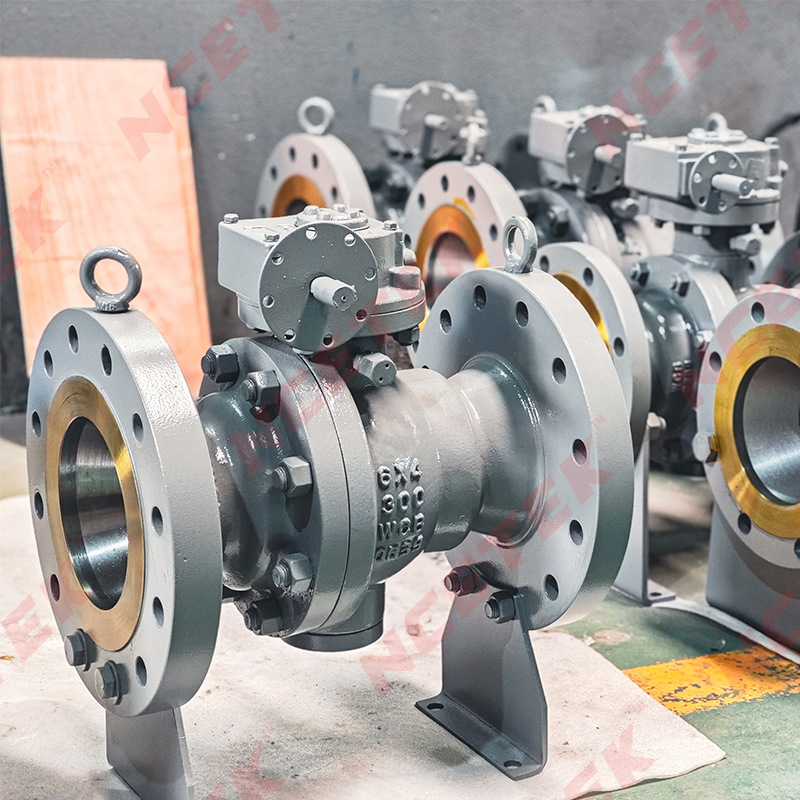
Installation conditions often decide how a Cast Steel Ball Valve performs in real systems more than design stage assumptions. Even when valve structure remains stable, external pipeline alignment can introduce stress into stem area.
When pipelines are not aligned properly, small force transfers may occur during tightening or operation. These forces gradually affect rotation smoothness and internal alignment.
In real installation scenarios, several conditions influence performance:
Design direction for a Cast Steel Ball Valve continues to shift as operating environments become more varied. Instead of focusing on single performance points, attention is moving toward overall structural balance and long-term stability.
One noticeable direction is the improvement of stem protection layout. Rather than relying only on localized reinforcement, more designs now distribute mechanical load across wider structural areas.
Another trend involves smoother internal transitions inside valve bodies. When flow paths remain stable, pressure variation becomes easier to control, reducing stress transfer toward sensitive mechanical parts.
In practical development discussions within a Cast Steel Ball Valve Supplier context, common focus areas include:
These changes do not happen suddenly. They evolve through repeated feedback from real working systems and field behavior observation.
In actual pipeline systems, safety behavior of a Cast Steel Ball Valve becomes visible only through time. Initial operation may appear smooth, with stable rotation and predictable sealing response. As usage continues, small variations begin to appear.
These variations may include subtle changes in torque resistance, slight differences in closing feel, or minor shifts in surface response during repeated cycles. None of these signals indicate immediate failure, yet they reveal how internal structure responds to long-term stress.
Inside many industrial environments working with a Cast Steel Ball Valve Supplier, such gradual behavior patterns are often used to guide maintenance timing, installation review, and design improvement decisions.
Over extended use, valve behavior becomes a combination of material response, structural design, and external system influence. Stem protection design plays a quiet role throughout this process, maintaining alignment stability and reducing uneven wear across moving parts.
In real applications, valve behavior is shaped gradually. Stability is not a fixed state but a result of continuous interaction between mechanical parts and working conditions. Stem protection design remains central in this interaction, quietly supporting long-term operation without drawing attention during normal use.
 nce@cnnsv.com
 +86-15727968392 / +86-15397375798
 +86-577-67091815
 +86-577-67091815
 Dongou Industrial Zone, Oubei Street, Yongjia County, Wenzhou City, Zhejiang Province, China


Contact Us